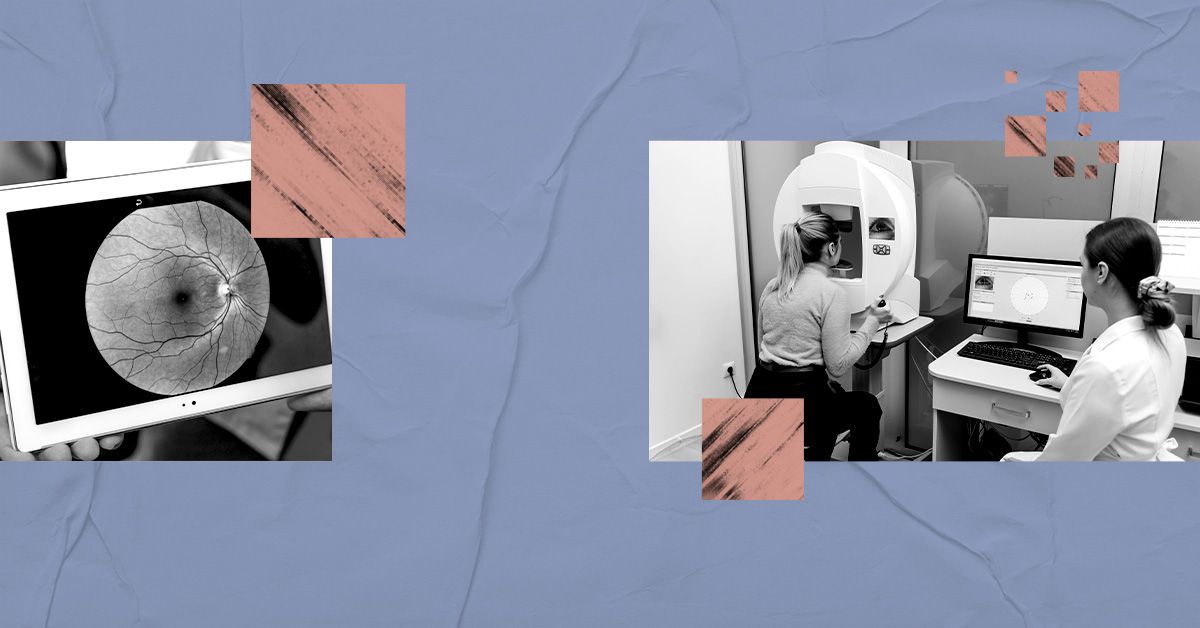
Hearing the phrase macular degeneration fundoscopy can make an eye appointment sound like a sci-fi mission. In reality, fundoscopy is simply your eye doctor’s close-up look at the back of your eye, especially the retina and macula. Think of it as the retina’s version of a house inspection: the doctor is checking for yellow deposits, pigment changes, bleeding, swelling, and other clues that help reveal whether age-related macular degeneration (AMD) is present and how far it has progressed.
If you have been told you need a dilated eye exam, or you are wondering what an ophthalmologist actually sees during an AMD eye exam, this guide walks you through the basics in plain English. No scary mystery, no dramatic movie soundtrackjust the facts, with a few friendly explanations so your brain does not have to squint.
What is fundoscopy?
Fundoscopy, also called ophthalmoscopy or a fundus exam, is an examination of the back part of the eye. During the exam, an eye care professional uses light and magnifying lenses to look at structures such as the retina, optic disc, blood vessels, and the macula. Because macular degeneration affects the maculathe central part of the retina responsible for sharp, detailed visionfundoscopy is one of the most important ways doctors screen for and evaluate AMD.
There are a few ways this exam may be done:
Direct ophthalmoscopy
This uses a handheld instrument with a light and lenses. It gives a straightforward view into the eye and may be part of a routine exam.
Indirect ophthalmoscopy
This usually uses a bright light and a special lens. It gives a wider view of the retina and is often used when the doctor wants a broader look at the back of the eye.
Slit-lamp fundoscopy
This combines a microscope-like instrument with a special lens placed close to the eye. It allows for a more detailed, magnified view of the retina and macula. In many retina clinics, this is the workhorse exam for evaluating suspected or known AMD.
In everyday practice, patients often hear all of these rolled into one phrase: “We’re going to dilate your eyes and check the back of the eye.” Simple, accurate, and less likely to cause a Google spiral.
Why fundoscopy matters in macular degeneration
Age-related macular degeneration can blur or distort central vision, making it harder to read, drive, recognize faces, or thread a needle without muttering at the universe. The condition usually develops gradually, especially in dry AMD, and people may have no symptoms in the earliest stages. That is exactly why fundoscopy matters so much: it can reveal visible changes before you notice a major shift in your vision.
Fundoscopy does not just help diagnose AMD. It also helps doctors estimate severity, decide whether more imaging is needed, compare changes over time, and spot signs that dry AMD may have progressed to wet AMD, which can cause faster vision loss and often needs prompt treatment.
What fundoscopy shows in dry macular degeneration
In dry age-related macular degeneration, fundoscopy often reveals slow-building structural changes in and under the macula. These are the main findings your eye doctor may be looking for.
Drusen
The most talked-about finding is drusen, which are yellowish deposits beneath the retina. Small drusen can appear as part of normal aging, so spotting a few tiny ones does not automatically mean disaster has arrived wearing sunglasses. But larger or more numerous drusen raise concern for AMD and can signal a higher risk of progression.
Doctors may describe drusen as hard or soft. Hard drusen are usually smaller and more sharply defined. Soft drusen are larger, less distinct, and generally more associated with AMD progression. The amount, size, and pattern of drusen seen on fundoscopy help determine whether AMD is early, intermediate, or advanced.
Pigment changes
Another classic sign is pigment abnormality. The retina contains pigmented cells that help support vision. In AMD, these cells can clump, thin, or shift in appearance. On fundoscopy, this may look like mottling, uneven coloration, or patches of darker or lighter pigment under the retina.
These pigment changes matter because they often mean the retinal tissue is under stress, even if your symptoms are still subtle.
Geographic atrophy
In advanced dry AMD, fundoscopy may show geographic atrophy, which is an area where retinal cells have been lost. On exam, these zones can look sharply outlined and thinner than the surrounding tissue. This is not just an academic finding with an impressively dramatic name. Geographic atrophy can correspond to blind spots or missing areas in central vision.
If the doctor sees suspected geographic atrophy, they will often pair fundoscopy with imaging tests such as optical coherence tomography (OCT) or fundus autofluorescence to define the damage more precisely.
What fundoscopy shows in wet macular degeneration
Wet AMD is less common than dry AMD, but it is more urgent because it can damage central vision more quickly. In wet AMD, abnormal new blood vessels grow under the retina. These vessels are fragile and may leak fluid or blood.
On fundoscopy, your doctor may be looking for:
Bleeding or hemorrhage
If blood has leaked beneath or within the retina, the doctor may see areas of retinal hemorrhage. This can be one of the most important clues that wet AMD is present.
Fluid or swelling
The retina or macula may appear elevated, thickened, or otherwise abnormal if fluid is leaking. While fundoscopy may suggest swelling, OCT is especially useful for confirming whether there is fluid in or under the retina.
Abnormal blood vessel growth
Fundoscopy can raise suspicion for choroidal neovascularization, the abnormal vessel growth linked with wet AMD. However, doctors often confirm it with fluorescein angiography or OCT angiography, which show how blood or dye moves through retinal vessels.
Scarring
In more advanced cases, fundoscopy may show scar tissue in the macula. This can help explain longstanding distortion or central vision loss.
If your doctor says they want additional imaging “just to be sure,” that is usually not a dramatic plot twist. It often means fundoscopy gave them an important first clue, and now they want a sharper map.
What to expect during a macular degeneration fundoscopy
For many people, the most memorable part of the exam is not the diagnosis talk. It is the eye drops. The drops used for pupil dilation widen the pupils so the doctor can get a better view of the retina and macula.
Before the exam
You may first have a standard eye workup, including a visual acuity test, questions about symptoms, and sometimes an Amsler grid test if central distortion is a concern. Then the staff places dilating drops in your eyes.
While the drops are working
You usually wait about 15 to 20 minutes for the pupils to open enough. During that time, your near vision may start getting fuzzy. Reading a phone screen can become weirdly humbling.
During the exam itself
The doctor shines a bright light into your eye and looks through one or more lenses or instruments. The light may be uncomfortable, but the test is generally not painful. Some people see temporary after-images, and a few parts of the exam may feel slightly awkward simply because someone is asking you to stare in specific directions while a spotlight enters your soul. Still, the exam is brief.
After the exam
Your vision may stay blurry for a few hours, especially for close-up work. Bright light can also feel stronger than usual, so sunglasses are a smart move. Many people are fine going about light daily tasks afterward, but some prefer to have someone else drive, especially if the exam is their first one or if they are sensitive to dilation.
What fundoscopy cannot do by itself
Fundoscopy is extremely useful, but it is not the whole story. It gives the doctor a direct look at the retina, but some details of AMD are better seen with imaging.
OCT adds cross-sectional detail
Optical coherence tomography creates detailed images of retinal layers. It can show fluid, thickening, thinning, or areas of atrophy that may not be fully appreciated with a standard fundus exam alone.
Fluorescein angiography looks for leakage
If wet AMD is suspected, a dye test called fluorescein angiography may be used to show leaking blood vessels. The dye is injected into a vein, and photos are taken as it travels through the blood vessels in the retina.
Fundus autofluorescence can highlight damaged tissue
This test can help map areas of retinal pigment changes and geographic atrophy, especially in dry AMD.
So yes, fundoscopy is importantbut sometimes it is the opening act, not the entire concert.
How doctors interpret the results
When discussing results, eye doctors are not just saying “yes” or “no” to macular degeneration. They are looking at pattern, severity, and change over time.
For example:
- A few small drusen may suggest age-related changes with low immediate concern.
- Medium or large drusen with pigment changes may point to early or intermediate dry AMD and a need for closer follow-up.
- Areas of geographic atrophy suggest advanced dry AMD.
- Blood, fluid, or suspicious new vessels may indicate wet AMD and often trigger urgent imaging and treatment planning.
The key point is that fundoscopy helps translate symptoms into visible retinal findings. If you report that straight lines look wavy or a blank spot has appeared in the center of vision, fundoscopy helps the doctor connect that complaint to what is physically happening in the macula.
When you should not wait for your next routine exam
If you already have AMD or are at risk for it, certain symptoms deserve prompt attention. Call your eye doctor sooner rather than later if you notice:
- new wavy or distorted lines
- a new dark or blank spot in central vision
- sudden worsening of reading vision
- rapid change in one eye
Those symptoms can sometimes suggest conversion to wet AMD, and timing matters.
Real-world experiences: what patients often notice and remember
People rarely walk out of a macular degeneration fundoscopy saying, “Wow, what a glamorous afternoon.” The more common response is something like, “I can’t text, everything is bright, and I now understand why everyone says to bring sunglasses.” That may sound funny, but it captures the most typical experience: the exam itself is quick, yet the temporary effects of dilation are often what people remember most.
Many patients say the appointment starts out feeling ordinary. They read letters on a chart, answer a few questions, and maybe mention that newspaper print seems fuzzier or that lines on a page occasionally look bent. Then the drops go in, and after a short wait the world turns into a mildly overexposed photograph. Not painfuljust annoyingly bright.
During the actual exam, people often describe the light as intense but manageable. Some say it feels like a flashlight aimed straight into the center of their weekend plans. Others are surprised by how fast it goes. The doctor may ask them to look up, down, left, and right, then calmly narrate findings such as “small drusen,” “pigment changes,” or “I want an OCT to take a closer look.” For patients, that calm tone matters. Even when the language is unfamiliar, a steady explanation often lowers anxiety.
Another common experience is emotional rather than physical. Because age-related macular degeneration can threaten reading, driving, and face recognition, many people feel nervous before the exam and relieved afterward simply because they finally know what is happening. Even if the results confirm AMD, having a name for the problem can feel more manageable than weeks of uncertainty.
Patients with early dry AMD often say they were shocked to learn something could be visible in the retina before major symptoms appeared. They may have gone in for a routine exam and left with a new understanding of drusen, follow-up intervals, diet, smoking risk, or home monitoring with an Amsler grid. In that sense, fundoscopy can be a turning point. It takes AMD from invisible worry to something concrete that can be tracked.
People who are being evaluated for wet AMD often describe the visit differently. Their symptoms may have changed fastsuddenly bent doorframes, missing letters, or a dark smudge in the center of vision. In those cases, the fundus exam can feel more urgent. Patients often remember the pace: a rapid exam, then OCT, possibly angiography, then a treatment conversation. The day may feel long, but many later say they were grateful the workup moved quickly.
For follow-up visits, patients often become surprisingly fluent in retina vocabulary. They learn what drusen are. They ask whether the macula looks stable. They want to know if there is new fluid, more atrophy, or signs of bleeding. That growing confidence matters. A fundoscopy is not just something done to a patient. Over time, it becomes part of how patients understand their own eye health and participate in care decisions.
So what should you expect, emotionally and practically? Expect bright lights, temporary blur, and maybe a stronger appreciation for sunglasses. Expect the exam to be quick, useful, and more informative than it looks from the chair. Most of all, expect fundoscopy to be one of the key tools your eye doctor uses to catch changes early, explain what is happening in the macula, and decide what comes next.
Conclusion
Macular degeneration fundoscopy is one of the most important parts of an AMD eye exam. It allows eye doctors to inspect the retina and macula for visible signs such as drusen, pigment changes, geographic atrophy, bleeding, swelling, or abnormal blood vessels. In many cases, it provides the first real evidence that something is changingeven before major symptoms appear.
Just as important, fundoscopy helps set expectations. The exam is usually quick, not painful, and often paired with dilation, which can leave your vision blurry and your eyes light-sensitive for a few hours. If AMD is suspected or already diagnosed, fundoscopy may be combined with OCT, angiography, or fundus photography to build a fuller picture.
In other words, fundoscopy is not just a peek inside the eye. It is a practical, front-line tool for detecting AMD, understanding what type may be present, and deciding what happens next. And in eye care, that kind of early insight is worth a bright light and a temporarily useless phone screen.