Medicare and home health aide services can feel like a puzzle where half the pieces are labeled “covered,” the other half say “not so fast,” and the box lid is written in government language. The good news is that Medicare does cover certain home health aide services. The less charming news is that it does not cover every kind of help a person may want at home.
The most important rule is simple: Medicare may cover a home health aide only when the aide service is part of a medically necessary, Medicare-approved home health plan. In most cases, that means the person must be homebound and must also need skilled care, such as intermittent skilled nursing, physical therapy, speech-language pathology, or ongoing occupational therapy. Medicare is not designed to pay for long-term, around-the-clock help with daily living by itself. It is a medical benefit, not a personal assistant subscriptionsadly, no “Unlimited Laundry Plus” plan exists.
This guide explains what Medicare covers, what it excludes, how home health aide services fit into the larger home health benefit, and what families should know before assuming a service will be paid for.
What Are Home Health Aide Services?
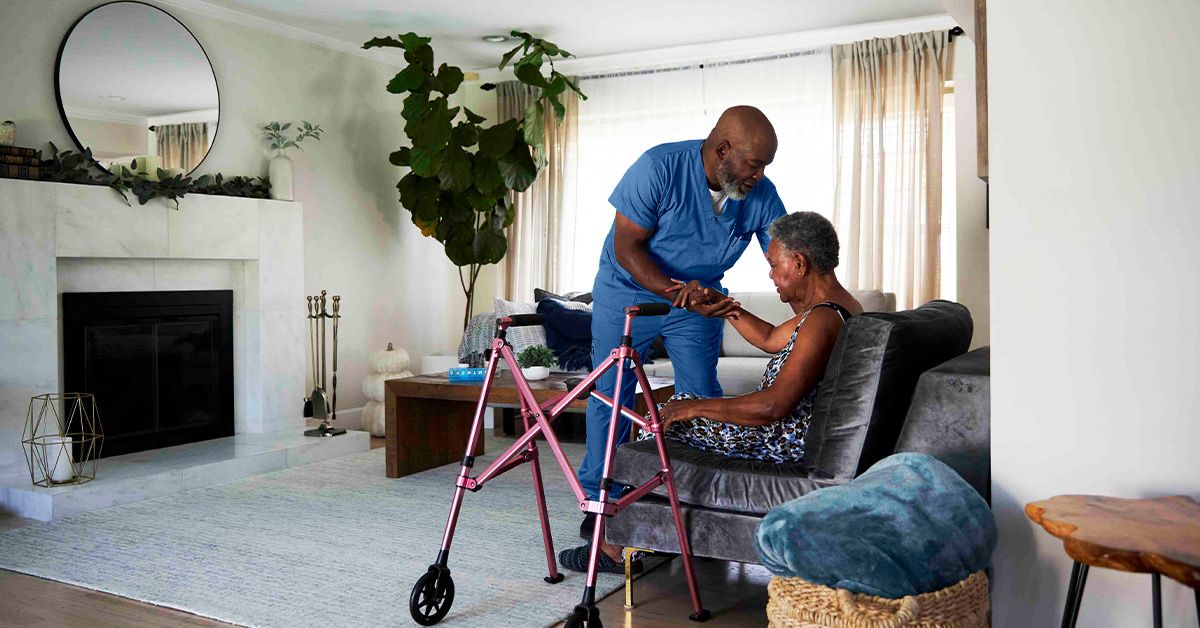
A home health aide helps a patient with personal care tasks at home. These may include bathing, dressing, grooming, using the bathroom, changing bed linens, walking safely, or eating. These services can be extremely important for someone recovering from surgery, managing a chronic illness, regaining strength after a hospital stay, or trying to avoid unnecessary institutional care.
However, Medicare separates “home health care” from general “home care.” Home health care is medical or therapy-related care provided through a Medicare-certified home health agency. Home care, by contrast, may include companionship, meal preparation, errands, housekeeping, transportation, and long-term help with daily routines. That difference may sound tiny, but in Medicare land, tiny differences can move mountainsand bills.
Does Medicare Cover Home Health Aide Services?
Yes, Medicare can cover home health aide services, but only under specific conditions. The aide service must be part-time or intermittent and must support a broader Medicare-covered home health plan. The patient generally must be receiving skilled services at the same time. For example, a person recovering from a stroke may receive physical therapy and skilled nursing at home. If that person also needs help bathing safely because of weakness or mobility limitations, Medicare may cover home health aide visits as part of the care plan.
Medicare usually does not cover a home health aide when the only need is personal care. If someone needs help with bathing, dressing, or toileting but does not need skilled nursing or therapy, Medicare generally will not pay for an aide. That is one of the biggest surprises for families. Many people hear “Medicare covers home health” and assume it means long-term daily support at home. Medicare hears “home health” and thinks “medically necessary skilled care under a certified plan.” Same words, very different wallets.
Who Qualifies for Medicare Home Health Services?
To qualify for Medicare-covered home health services, a person must meet several requirements. These rules apply whether the coverage comes through Medicare Part A or Part B.
1. The Patient Must Be Homebound
Being homebound does not mean a person can never leave the house. It means leaving home is difficult, requires considerable effort, or requires help from another person, special transportation, or assistive equipment such as a walker, wheelchair, or cane. A doctor may also determine that leaving home is medically unsafe because of the person’s condition.
Short absences from home do not automatically ruin eligibility. A person may leave for medical appointments, religious services, adult day care, or occasional events such as a funeral or graduation. Medicare is not expecting patients to live like houseplants. The key question is whether leaving home is normally difficult and taxing because of illness or injury.
2. The Patient Must Need Skilled Care
Medicare home health coverage is built around skilled care. This may include intermittent skilled nursing care, physical therapy, speech-language pathology services, or continued occupational therapy. Skilled care means the service must require the training and judgment of licensed medical professionals. Examples include wound care, medication education, injections, monitoring a serious condition, or therapy designed to improve or maintain function.
A home health aide may be added when personal care is needed because of the medical condition and when the person is also receiving qualifying skilled care. The aide is not the main ticket into coverage; skilled care is usually the ticket, and the aide is part of the ride.
3. A Doctor or Allowed Practitioner Must Create and Review a Plan of Care
The patient must be under the care of a physician or another allowed practitioner, such as a nurse practitioner, clinical nurse specialist, or physician assistant when permitted. That provider must certify the need for home health services and create a plan of care. The plan should describe what services are needed, how often they are needed, who will provide them, and what health goals are expected.
Medicare also requires a face-to-face encounter related to the reason home health care is needed. This encounter generally must happen within a set period before or shortly after home health services begin. The point is to make sure the care is medically justified, not ordered because someone found a “free aide” rumor at the family barbecue.
4. The Agency Must Be Medicare-Certified
Medicare will not pay just any person or agency to provide home health aide services. The care must come from a Medicare-certified home health agency. This is important because families sometimes hire private caregivers and later assume Medicare will reimburse them. In most cases, it will not.
Before services begin, ask the agency whether it is Medicare-certified, whether the services are expected to be covered, and whether any costs may be the patient’s responsibility. If a service is not expected to be covered, the agency should provide written notice. Paperwork may not be glamorous, but surprise bills are even less glamorous.
How Often Will Medicare Cover a Home Health Aide?
Medicare covers home health aide services on a part-time or intermittent basis. In most cases, skilled nursing and home health aide services combined may be provided up to 8 hours per day, for a maximum of 28 hours per week. In some short-term situations, Medicare may allow more frequent care, up to 35 hours per week, when the provider determines it is necessary.
This does not mean every eligible person automatically gets 28 or 35 hours. The number of visits and hours depends on the person’s condition, the plan of care, medical necessity, and agency availability. Medicare coverage is based on need, not convenience. A patient who needs aide help twice a week for safe bathing will not receive daily visits simply because daily visits would make life easier. Medicare is practical, but it is not known for being generous with confetti.
What Home Health Aide Tasks May Be Covered?
When covered, a home health aide may help with personal care related to the patient’s illness or injury. Covered tasks may include help with bathing, dressing, grooming, toileting, eating, walking, transferring from bed to chair, and changing bed linens. The aide may also help maintain basic safety and cleanliness during the visit when those tasks are connected to the care being provided.
For example, if an aide helps a patient bathe and then changes damp bed linens as part of the visit, that may fit within the care plan. But if the aide is requested only to clean the kitchen, do laundry for the whole household, walk the dog, cook dinner, or organize the garage from 1998, Medicare is not likely to pay.
What Does Medicare Not Cover?
Medicare’s exclusions matter just as much as its coverage rules. Many families get frustrated because the services they need most are practical, daily, and long-termbut Medicare is mostly focused on medical necessity and skilled care.
24-Hour Care at Home
Medicare does not cover 24-hour-a-day care at home. If a person needs supervision day and night, families may need to look at Medicaid, long-term care insurance, private pay home care, veterans benefits, community programs, or facility-based care options.
Personal Care When It Is the Only Care Needed
Medicare generally does not pay for help with bathing, dressing, toileting, or eating when that is the only care needed. This is called custodial or personal care. It may be essential, but essential does not always mean Medicare-covered.
Homemaker Services
Medicare does not cover homemaker services when they are not part of a covered skilled care plan. This includes routine housekeeping, laundry, shopping, and meal preparation. A home health aide may perform limited related tasks during a covered visit, but Medicare will not pay for an aide whose sole purpose is household chores.
Meal Delivery
Medicare does not usually cover delivered meals under the home health benefit. Some Medicare Advantage plans may offer limited meal benefits after hospitalization or for certain health needs, but that depends on the plan. Original Medicare does not generally pay for Meals-on-Wheels-style services.
Prescription Drugs
Prescription drugs are not covered under the Medicare home health benefit. Drug coverage usually comes through Medicare Part D or a Medicare Advantage plan that includes prescription drug coverage.
Transportation and Companionship
Traditional Medicare generally does not cover transportation to routine appointments or companionship care. Some Medicare Advantage plans may offer limited supplemental benefits, but these vary widely. Always check the plan’s Evidence of Coverage before assuming a ride, companion visit, or nonmedical support is included.
What Does It Cost?
For covered home health services through Original Medicare, patients usually pay nothing for the covered home health visits themselves. This can include covered skilled nursing, therapy, medical social services, and home health aide services when all eligibility rules are met.
Durable medical equipment is different. If Medicare covers equipment such as a walker, wheelchair, or hospital bed, the patient typically pays 20% of the Medicare-approved amount after the Part B deductible. Medical supplies provided by the home health agency may be covered differently depending on the item and circumstances.
Medicare Advantage plans must cover at least the same home health services as Original Medicare, but they may have network rules, prior authorization requirements, different cost-sharing, or additional supplemental benefits. That means a person enrolled in Medicare Advantage should call the plan before care begins. Nobody wants to learn the phrase “out of network” after the bill arrives wearing tap shoes.
Examples of What May and May Not Be Covered
Example 1: Covered Home Health Aide Support
Maria recently had hip surgery and is temporarily homebound. Her doctor orders physical therapy at home and skilled nursing to monitor her recovery. Because she cannot safely bathe or dress without help, her plan of care includes home health aide visits three times a week. In this case, Medicare may cover the aide services because they are part of a qualifying skilled home health plan.
Example 2: Not Covered Personal Care Only
Robert has arthritis and needs help bathing and preparing meals. However, he does not need skilled nursing or therapy, and he is not under a Medicare-certified home health plan. Medicare generally will not cover a home health aide for Robert because his need is personal care only.
Example 3: Limited Household Help During a Covered Visit
Elaine receives skilled nursing care for wound management and has covered aide visits for bathing. During the visit, the aide changes soiled bed linens related to Elaine’s care. That may be included. But if Elaine asks the aide to vacuum the whole house and clean the guest bathroom before relatives arrive, Medicare will politely exit the chat.
How to Start Medicare-Covered Home Health Care
The process usually begins with a doctor, hospital discharge planner, rehabilitation facility, or other allowed practitioner. The provider evaluates the patient, documents the skilled need and homebound status, and creates a plan of care. The patient then receives services from a Medicare-certified home health agency.
Families should ask clear questions before care begins: Is the agency Medicare-certified? Which services are included in the plan of care? How often will the aide visit? Are any services not covered? Will the patient receive written notice before noncovered services are provided? These questions can prevent confusion and help everyone understand the difference between medical home health care and nonmedical home care.
What If Medicare Denies Coverage?
If Medicare or a Medicare Advantage plan denies coverage, the patient has appeal rights. The first step is to read the notice carefully. It should explain why the service was denied and how to appeal. Common reasons for denial include lack of documentation, the patient not meeting homebound criteria, the service being considered custodial rather than skilled, or the care not being included in the plan of care.
Families can ask the doctor or home health agency for supporting documentation. A strong appeal often includes medical records, therapy notes, nursing notes, and a clear explanation of why the patient needs skilled care and why the aide services are connected to the medical plan.
Other Ways to Pay for Home Help
When Medicare does not cover the care a person needs, other options may help. Medicaid may pay for long-term services and supports through state home and community-based services programs, although eligibility rules vary by state. Veterans benefits may help qualifying veterans and surviving spouses. Long-term care insurance may cover personal care at home if the policy includes that benefit. Local Area Agencies on Aging, nonprofit programs, and community organizations may also provide meal delivery, respite care, caregiver support, or transportation.
Private pay home care is another option, but it can be expensive. Families should request written rates, minimum visit requirements, cancellation policies, caregiver training details, and whether the agency conducts background checks. Choosing care is emotional, but the contract should still get the same attention as a used car purchaseexcept this time, the mileage is Grandma’s patience.
Practical Tips for Families
First, keep a written list of what the patient needs each day. Separate medical needs from personal needs. Wound care, therapy, medication teaching, and monitoring may support skilled care. Meal preparation, companionship, and housekeeping are usually nonmedical.
Second, document changes in condition. If a patient is weaker, falling more often, unable to leave home safely, or declining after hospitalization, tell the doctor. Medicare decisions depend heavily on documentation. If it is not written down, it may as well be a whisper in a blender.
Third, use the care plan as a roadmap. If aide visits are too short, too infrequent, or not meeting the patient’s needs, ask for a reassessment. The plan of care can be reviewed and updated when medically necessary.
Fourth, do not confuse Medicare-certified home health agencies with private-duty home care agencies. Both may send helpful people to the home, but Medicare pays for only certain services from certified agencies when eligibility rules are met.
Real-World Experiences: What Families Often Learn the Hard Way
Many families discover Medicare’s home health rules during a stressful moment: a parent is leaving the hospital, a spouse suddenly cannot walk safely, or a loved one’s condition changes faster than the family can rearrange the furniture. In those moments, “home health aide services” can sound like the answer to everything. Then the details arrive, wearing sensible shoes and carrying a clipboard.
One common experience is surprise over the word “homebound.” Families may say, “But Dad went to the doctor last Tuesday,” and worry that this disqualifies him. Usually, occasional medical appointments do not automatically end eligibility. The real issue is whether leaving home takes considerable effort or help. If Dad needs a walker, assistance getting into a car, and a nap after the trip, that supports the idea that leaving home is taxing.
Another frequent lesson is that aide visits may be shorter than expected. A family might imagine someone staying for several hours each day to help with bathing, meals, light cleaning, and companionship. Medicare-covered aide visits are usually tied to specific care tasks in the plan, not open-ended household support. The aide may help with bathing and grooming, then leave. That can feel disappointing, but it reflects the medical structure of the benefit.
Families also learn that communication makes a huge difference. The doctor may know the diagnosis but not understand how much help the person needs at home. Saying “Mom is weak” is less useful than saying, “Mom cannot get from the bed to the bathroom without assistance, she has fallen twice this month, and she cannot safely bathe because she cannot step over the tub.” Specific examples help the provider document the need accurately.
Another real-world issue is agency availability. Even when Medicare coverage is approved, a local home health agency must have staff available. In some areas, especially rural or underserved communities, finding an agency with enough nurses, therapists, or aides can be difficult. Families may need to call more than one Medicare-certified agency or ask the hospital discharge planner for help.
People enrolled in Medicare Advantage often face an extra layer: network and authorization rules. A service that sounds covered may still require approval from the plan or use of an in-network agency. Families should call the plan early, write down the representative’s name, ask for reference numbers, and confirm costs in writing when possible. This is not being difficult; it is being financially awake.
Finally, many caregivers learn that Medicare home health is only one piece of the support puzzle. A patient may receive covered skilled care and aide visits, but still need meals, transportation, supervision, and companionship. That is where Medicaid, local aging services, family schedules, paid caregivers, faith communities, and nonprofit programs may fill gaps. The best care plan often looks less like one magic solution and more like a patchwork quilt. It may not be fancy, but when stitched carefully, it can keep someone safer, more comfortable, and more independent at home.
Conclusion
Medicare can cover home health aide services, but the coverage is narrow and tied to medical need. The patient generally must be homebound, need skilled care, be under a certified plan of care, and receive services from a Medicare-certified home health agency. When those boxes are checked, a home health aide may help with personal care such as bathing, dressing, grooming, toileting, and safe movement.
What Medicare usually will not cover is just as important: 24-hour care, long-term custodial care, meal delivery, routine housekeeping, companionship, and personal care when that is the only service needed. For many families, the smartest strategy is to use Medicare-covered home health when eligible, while also exploring Medicaid, community programs, veterans benefits, long-term care insurance, or private care for the services Medicare leaves out.
The bottom line: Medicare home health aide coverage is helpful, but it is not unlimited. Think of it as a medically focused bridgenot the entire road. Ask questions, get the care plan in writing, understand exclusions before services begin, and keep documentation close. In Medicare, the best surprise is no surprise at all.