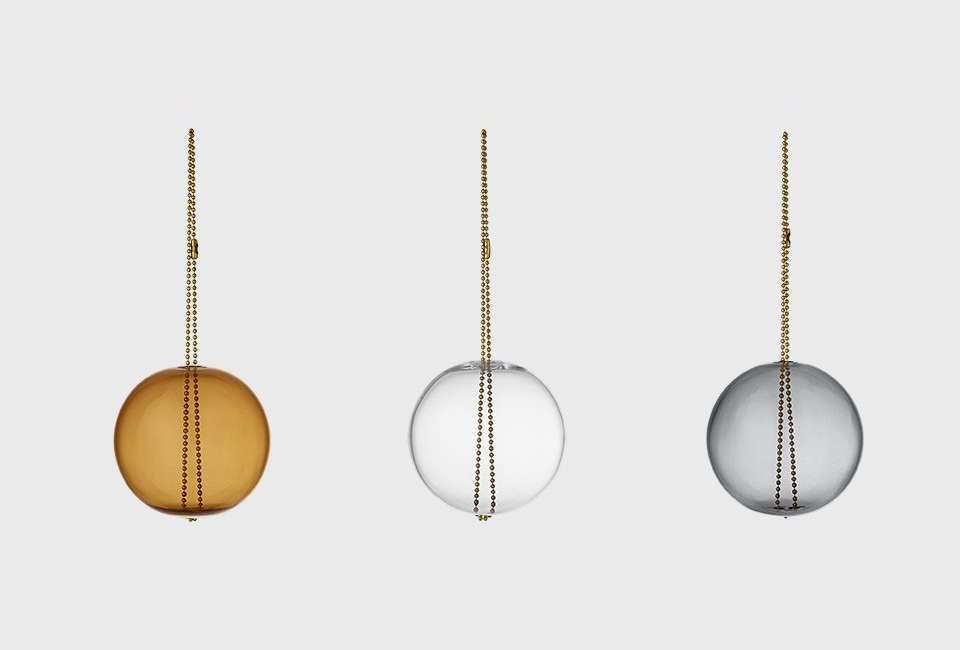
Some Christmas ornaments shout for attention with glitter, LEDs, and enough sequins to blind the neighbors.
The Monili Christmas ornament is not that ornament. Elegant, cone-shaped, and made of tinted glass with a slender
brass-plated chain, Monili is the quiet guest at the party who still steals the show. It brings Scandinavian calm
to the chaos of December and proves that “festive” doesn’t need to mean “visually loud.”
Originally designed by Danish brand AYTM, the Monili decoration is a small glass cornet that can hang on a tree,
from a mantle, or even over a holiday table. It’s chic enough to stand alone, yet versatile enough to work with
vintage baubles, handmade ornaments, and modern minimalist décor all at once. If you’ve been hunting for a
stylish, long-lasting Christmas ornament that doesn’t look like everyone else’s, this little cone might be your new favorite.
What Is the Monili Christmas Ornament?
The Monili Christmas ornament is a cone-shaped glass decorationoften described as a “cornet” or small lanterndesigned
by AYTM, a Danish interiors brand known for sophisticated, modern pieces. The ornament is typically:
- Made of tinted glass in colors such as amber, black, or clear.
- Finished with a brass-plated iron chain for hanging.
- Sized around 6–7 cm in diameter and about 12–16 cm high (roughly 2.5–6 inches).
- Shaped like a pastry bag or cone, with a slightly rounded, feminine profile.
According to multiple design retailers, Monili is marketed as both a Christmas ornament and a small container
for treats. You can slip candy or tiny gifts inside the cone or simply let its sculptural shape speak for itself.
It’s meant to “beautify your tree or anywhere else in your home,” which is a polite way of saying: hang it
pretty much wherever you want and it will still look classy.
How Monili Fits into the Tradition of Glass Christmas Ornaments
The Monili ornament might feel fresh and modern, but it’s part of a long story. Glass Christmas ornaments trace
their roots back to 16th-century Germany, especially in the town of Lauscha, where glassblowers first began shaping
fruits, nuts, and other symbols of abundance into delicate holiday decorations. Over time, these evolved into
hand-blown glass “kugels” and later the lighter, mass-produced ornaments that filled trees across Europe and the
United States in the 19th and 20th centuries.
By the late 1800s, American entrepreneur F.W. Woolworth was importing German glass ornaments and selling them in his
five-and-dime stores, turning what was once a luxury into an accessible holiday tradition. During the 1920s and 1930s,
many glass ornaments were still hand-blown and hand-painted in Germany and Poland, but advances in manufacturingespecially
at Corning Glass in New Yorkeventually made large-scale production possible. Those mass-produced ornaments paved the way
for the thousands of styles you see in stores today, from cartoon characters to heirloom-quality glass pieces.
In recent years, there’s been a renewed love for blown glass and vintage-inspired ornaments. Specialty brands and small
manufacturers produce detailed, hand-painted designs, while otherslike AYTMlean into sculptural simplicity and modern
materials. Monili sits in that sweet spot: it nods to traditional blown glass craftsmanship but uses minimalist geometry
and sophisticated colors to feel current.
Design Details That Make Monili Stand Out
The Signature Cone Shape
Most ornaments are round, star-shaped, or figurative. Monili, on the other hand, is shaped like a cone or pastry bagalmost
like a tiny glass cornucopia. That makes it more dynamic visually: the narrow end draws the eye down, while the wider,
open top invites light and reflections.
This cone shape serves two purposes:
- Function: The interior can hold small sweets, tiny cards, or sprigs of greenery.
- Form: Even when empty, the silhouette feels sculptural and refined, especially in groups.
Glass, Color, and Chain
Monili is made from colored glassoften tinted rather than opaque. Amber glass gives a warm, candlelit glow. Black glass
reads ultra-modern and moody. Clear glass feels light and airy, like a frozen droplet. The brass-plated chain adds a warm
metallic touch that pairs beautifully with other gold or brass accents on your tree or mantle.
Because the ornament is fairly simple, it plays well with both old and new decorations. You can tuck it alongside
antique baubles, modern LED lights, or handmade felt ornaments, and it will quietly elevate the entire arrangement.
How to Style Monili Christmas Ornaments
On the Christmas Tree
Let’s start with the obvious: the tree. Monili ornaments look especially good when you think in terms of repetition and
rhythm. Instead of scattering them randomly, try:
- Hanging several Monili ornaments in a vertical line from the top to the bottom of the tree to create a subtle visual “stripe.”
- Grouping three ornaments together at slightly different heights to form a mini cluster of glass cones.
- Balancing their placement with simpler baubles so the overall look doesn’t become too busy.
Color-wise, amber Monili ornaments pair beautifully with warm white lights, wooden beads, and neutral textiles. Black or
smoke-colored glass looks striking in a more dramatic setup with deep green branches, dark ribbons, and metallic accents.
Clear Monili pieces work with almost anything and reflect light from every angle.
Beyond the Tree: Creative Display Ideas
One perk of the Monili ornament is that it doesn’t feel locked to a pine branch. Here are a few smart ways to use it all
over your home:
-
On a decorative branch: Place a bare branch in a heavy vase and hang a few Monili ornaments at different
heights for a minimalist, Scandinavian-style display. -
As part of a table centerpiece: Lay a fir or eucalyptus garland down the center of your dining table and
nestle Monili ornaments among candlesticks and small votives. - In the window: Hang ornaments at different lengths in front of a window so the light shines through the glass.
-
On a mantle or shelf: Drape a strand of greenery and suspend Monili ornaments from small hooks or removable
adhesive hangers.
If you want to lean into the “cornet for sweets” idea, place wrapped candies or tiny notes inside the ornaments. They can
become mini-advent surprises or personalized treats for guests.
Matching Different Décor Styles
The Monili Christmas ornament is surprisingly flexible:
-
Minimalist and modern: Pair black or clear glass Monili ornaments with simple white lights and matte
black or brass accents. Skip the tinsel and let the geometry shine. - Scandi-cozy: Combine amber Monili with natural wood, linen ribbons, and soft neutrals. Think hygge, but make it glossy.
-
Eclectic or maximalist: Use Monili as a contrasting element among colorful, quirky ornaments. Its sleek
form gives your tree a design “anchor.”
Buying and Collecting Monili Ornaments
Monili is sold by design-focused retailers and Scandinavian décor shops, often in multiple colors and sometimes as
sets or minimum quantities. Compared with mass-market ornaments, it usually sits in the mid-range price bracket:
more than a basic glass ball from a discount store, but far less than hand-painted collector pieces.
When buying, keep an eye on:
- Color options: Decide whether you want one color for a uniform look or a mix for a more relaxed vibe.
- Quantity: Many retailers suggest using several similar ornaments for visual impact; consider buying 4–6 pieces.
- Authenticity and quality: Stick with reputable design retailers so you get the correct dimensions, chain finish, and glass quality.
You can easily mix Monili with other glass ornaments, whether from large U.S. ornament brands, vintage markets, or handmade
sellers. If you already collect blown glass ornaments, Monili makes a nice “design-forward” addition to your display.
Caring for Your Monili Christmas Ornament
Like any glass ornament, Monili appreciates a gentle touch. You don’t need white gloves, but you definitely don’t want it
rolling around in a box with metal hooks and glittered reindeer.
Cleaning Tips
- Dust lightly with a soft, dry cloth. Avoid harsh cleaners or abrasive materials.
- If fingerprints bother you, use a slightly damp microfiber cloth and dry immediately.
- Don’t soak the ornament or expose the metal chain to standing water.
Storage Tips
- Store each ornament in a separate compartment or wrap it in tissue paper or bubble wrap.
- Use sturdy boxes rather than flimsy cartons; acid-free ornament boxes work well for long-term storage.
- Keep ornaments in a cool, dry space away from extreme temperature swings (think closet, not attic or damp basement).
A little extra care means your Monili ornaments can stay in your decorating rotation for many years. And since the design
is timeless rather than trendy, you won’t be rolling your eyes at them in five Christmases.
Why the Monili Christmas Ornament Feels So Timeless
The real charm of Monili is its balance of modern design and holiday nostalgia. It uses materials and craftsmanship that
echo historic glass ornamentstinted glass, metal hangers, delicate profileswhile stripping away busy decoration. No
painted snowmen, no glitter storms, no slogans. Just shape, color, and light.
That simplicity makes it adaptable. You can bring it out for strictly Christmas décor, or treat it as a winter decoration
that hangs in a window or over a sideboard long after the tree comes down. In a season where it’s easy to overdo everything,
Monili offers a refreshingly edited alternative.
Real-Life Experiences with Monili Christmas Ornaments
While every home is different, people who gravitate toward the Monili Christmas ornament tend to share a few common experiences.
They’re usually the same folks who care about how the ribbon drapes on the banister and who light their candles in “odd numbers
for balance.” In other words: detail-oriented, design-aware, and slightly obsessedin the best way.
One common reaction when someone first opens the box is surprise at how refined the ornament feels in person. The glass has a
noticeable weight to itnot heavy enough to pull down a branch, but substantial enough to feel more like a design object than
a disposable decoration. The brass-plated chain also tends to impress; it looks more like a jewelry detail than a cheap hook.
People who love styling their trees often talk about Monili as an “upgrade piece.” Maybe they started with the usual mix of
plastic balls and novelty ornaments. Then they add a handful of Monili cones, and suddenly the whole tree looks curated.
The ornaments don’t shout “LOOK AT ME!” but they quietly elevate everything elselike adding a good blazer over a basic T-shirt.
Families with children sometimes use Monili in playful ways. Because it’s designed as a small cornet, parents will tuck a few
treats or notes inside and announce that “the cone fairy” has visited overnight. You might hang a Monili ornament lower on the
tree with a tiny wrapped candy inside and let kids take turns finding it. It becomes a little ritual: first the lights, then
the music, then checking the glass cones to see if any surprises are hidden there.
Hosts and entertainers find another use: table décor. Instead of placing standard name cards at each setting, they’ll lay a
Monili ornament at each plate, sometimes filled with a small gift or handwritten note. Guests not only get something pretty
to look at during dinner, but they also leave with a keepsake. It’s a more thoughtful alternative to the usual favor bag that
ends up forgotten in the car.
People who photograph their homes for social media also appreciate how photogenic Monili is. The combination of glass and brass
catches light beautifully, especially near windows or twinkle lights. A close-up shot of a Monili ornament with a softly blurred
background practically begs to be posted. If you’re into Instagram, you already know that the combination of warm reflections and
clean lines plays very well in a feed.
On the practical side, owners quickly learn that Monili ornaments benefit from thoughtful placement. Because they’re glass and
slightly elongated, they’re not ideal on the lowest branches of a tree in a home with toddlers or wagging tails. Most people
hang them higher up or use them on mantle garlands, console tables, or decorative branches in vases. Once you find their “safe
zone,” they become an easy part of your annual decorating routine.
Over time, many people build a small collectionadding a new color each year, or buying extras for larger trees and spaces.
Some mix amber and clear for warmth and light, while others stick to all black for a striking, monochrome holiday look. The
recurring feedback is that Monili never feels dated. You might switch ribbon colors, try new garlands, or swap out accent pieces,
but those little glass cones keep earning their spot in the holiday box.
In short, the lived experience of using Monili Christmas ornaments is a mix of everyday practicality and small moments of joy.
They’re easy to decorate with, simple to store, and consistently beautiful to look at. Whether you’re a minimalist who puts up
a single branch with a few glass pieces or someone who goes full “holiday movie set,” the Monili ornament slides right into your
traditions and quietly makes them look better.