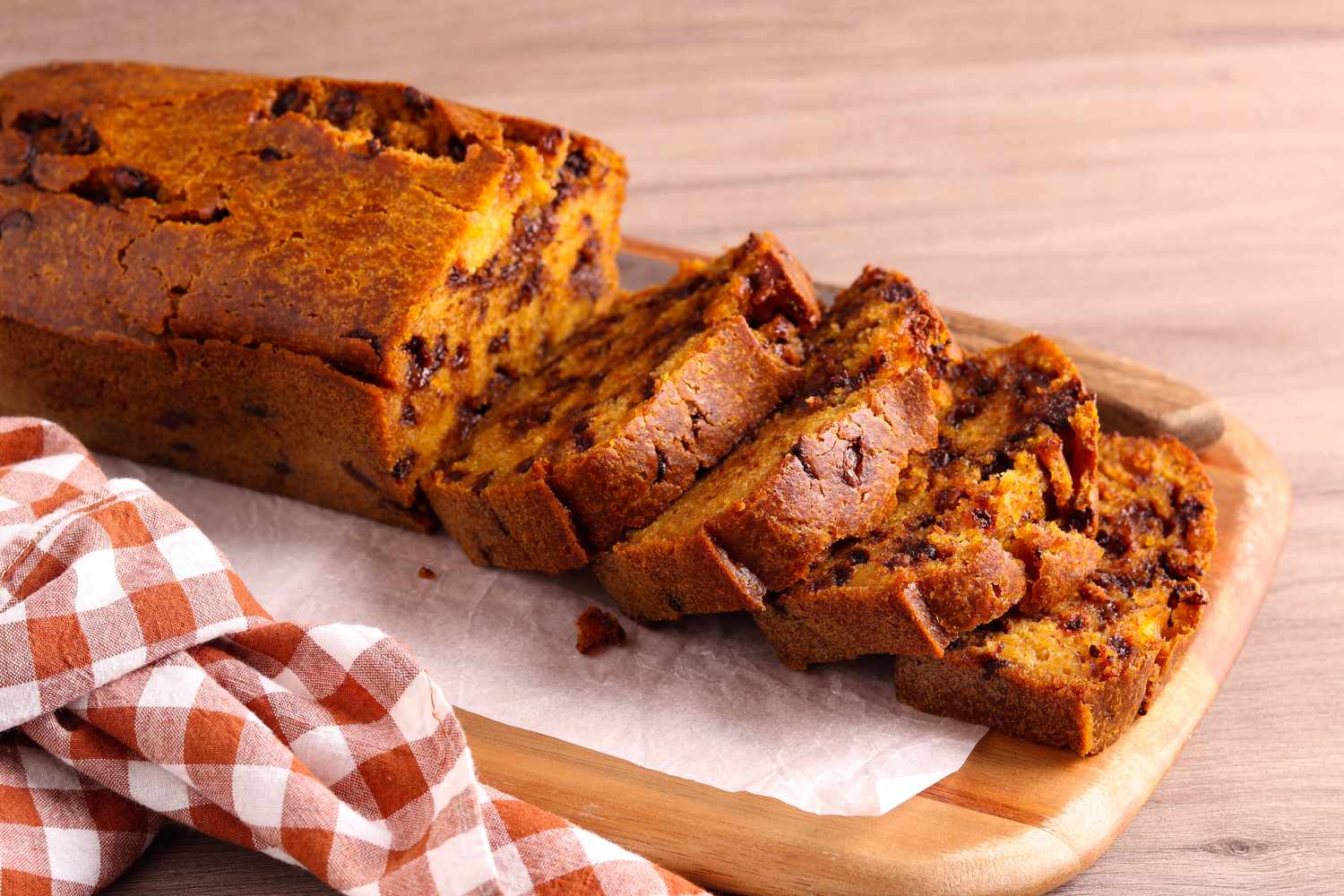
If fall had a soundtrack, it would be the crinkle of a paper bag and the soft thud of a warm slice of pumpkin bread hitting the plate. For years, that slice usually came from Starbucks. Their famous Pumpkin & Pepita Loaf is rich, sweet, and perfectly spiced… and also, let’s be honest, not exactly cheap for something that disappears in about six bites.
That’s where my mom stepped in like the quiet kitchen hero she is. After one too many “Wait, it’s how much for a slice?” moments, she decided she could reverse-engineer the pumpkin bread at home. The goal: capture everything we love about the Starbucks version, then turn the volume upmore flavor, more moisture, and a cozy homemade vibe money literally cannot buy.
The result? A copycat Starbucks pumpkin bread that’s tender, deeply spiced, studded with chocolate chips, and topped with crunchy seeds. It’s a loaf that feels like fall, tastes like dessert, and makes your whole house smell like a coffee shop in October. And yes, I’m fully prepared to say it: my mom’s copycat Starbucks pumpkin bread really is better than the original.
What Makes Starbucks Pumpkin Bread So Addictive?
To make a copycat pumpkin bread that actually competes with Starbucks, you have to understand what makes the original work so well. Their Pumpkin & Pepita Loaf starts with a simple base: enriched wheat flour, sugar, pumpkin, eggs, and oil. Then they build in warm spices and a generous sprinkling of pepita seeds on top for crunch and visual appeal.
A few things about Starbucks pumpkin bread keep people coming back for another slice:
- Moist, tight crumb: The combination of pumpkin puree and oil keeps the bread soft for days. There’s no dry, crumbly texture herejust tender slices that almost melt in your mouth.
- Warm, familiar spices: Cinnamon, nutmeg, and other pumpkin pie spices give it that cozy, “I should probably put on a cardigan” feel.
- Hearty sweetness: It’s definitely dessert-level sweet, which makes it feel like a treat even if you’re technically eating it for breakfast.
- Crunch on top: Those pepitas aren’t just cute; they add a contrast to the soft interior that makes every bite more interesting.
But the store-bought slice also has limits. It’s fixed in flavor (no tweaks, no fun), it includes preservatives and additives to keep it shelf-stable, and a single slice can pack in plenty of calories and sugar. That’s fine for an occasional splurge, but my mom wanted something a little more customizableand a lot more cost-effective.
How My Mom Reverse-Engineered the Pumpkin Bread
My mom didn’t start out by reading corporate bakery manuals. She did what any modern home baker does: she dove into the world of copycat Starbucks pumpkin bread recipes, read reviews, and cross-referenced ideas like she was writing a thesis on pumpkin spice.
Here’s what she figured out from researching multiple recipes and tips from experienced bakers:
- Use oil instead of butter. Butter tastes amazing, but for that dense, moist, coffee-shop texture, neutral vegetable or canola oil wins. Oil stays softer when cooled and gives that almost velvety crumb.
- Stick with 100% pumpkin puree. Pumpkin pie filling already has sugar and spices added, which can throw off the flavor and sweetness. Pure pumpkin gives you full control.
- Layer the spices. Just cinnamon isn’t enough. A mix of cinnamon, nutmeg, ginger, and clovesor a good pumpkin pie spice blendcreates that deep, complex spice profile.
- Don’t skimp on sugar, but balance it. A combo of white and brown sugar gives sweetness plus a hint of caramel and extra moisture.
- Add chocolate chips. This is the twist that changes everything. Folding semi-sweet chocolate chips into the batter gives little pockets of creamy sweetness that make each slice feel indulgent without needing frosting.
Over time, she adjusted the spices, changed the amount of sugar, and experimented with pan sizes. The chocolate chips, though? They never left. Once you’ve had pumpkin bread with melty chocolate tucked inside, it’s hard to go back.
The Recipe: My Mom’s Better-Than-Starbucks Pumpkin Bread
Let’s get to the good part. This copycat Starbucks pumpkin bread recipe is designed for a standard 9×5-inch loaf pan. It uses simple pantry ingredients, comes together in one bowl and one smaller mixing bowl, and makes your kitchen smell like the world’s coziest café.
Ingredients
Dry ingredients:
- 1 3/4 cups all-purpose flour
- 1 teaspoon baking soda
- 1/2 teaspoon baking powder
- 1/2 teaspoon fine sea salt
- 1 1/2 teaspoons ground cinnamon
- 1 teaspoon pumpkin pie spice (or 1/4 teaspoon each nutmeg, ginger, allspice, and cloves)
Wet ingredients:
- 1 cup canned 100% pumpkin puree (not pumpkin pie filling)
- 2 large eggs, at room temperature
- 3/4 cup granulated sugar
- 1/2 cup packed light brown sugar
- 1/2 cup neutral oil (vegetable, canola, or avocado)
- 1/4 cup milk (dairy or unsweetened plant-based)
- 2 teaspoons vanilla extract
Add-ins and topping:
- 3/4 cup semi-sweet chocolate chips
- 2–3 tablespoons pepitas (pumpkin seeds), for topping
Step-by-Step Instructions
- Prep the pan and oven. Preheat your oven to 350°F (175°C). Grease a 9×5-inch loaf pan and line it with a strip of parchment paper that overhangs on the long sides. This makes it easy to lift the bread out later.
- Whisk the dry ingredients. In a medium bowl, whisk together the flour, baking soda, baking powder, salt, cinnamon, and pumpkin pie spice. Set the bowl aside.
- Mix the wet ingredients. In a large bowl, whisk the pumpkin puree, eggs, granulated sugar, brown sugar, and oil until the mixture looks smooth and slightly glossy. Stir in the milk and vanilla until fully combined.
- Combine wet and dry. Add the dry ingredients to the wet ingredients in two batches, gently folding with a spatula or wooden spoon. Stir just until the flour disappears; overmixing can make the bread dense and tough.
- Add the chocolate chips. Fold in the chocolate chips, reserving a small handful if you’d like to sprinkle a few on top for looks.
- Fill the pan. Pour the batter into the prepared loaf pan and smooth the top. Sprinkle the pepitas and any reserved chocolate chips evenly over the surface.
- Bake. Place the pan on the middle rack and bake for 55–65 minutes. Start checking at around 50 minutes. The bread is done when a toothpick inserted in the center comes out mostly clean, with just a few moist crumbs (melted chocolate is fine).
- Cool patiently. Let the bread cool in the pan on a wire rack for about 15–20 minutes. Then use the parchment sling to lift it out and let it cool completely before slicing. This helps the crumb set and keeps the loaf from falling apart.
- Slice and serve. Use a sharp serrated knife to slice. Serve it plain with coffee, toasted with a bit of butter, or warmed slightly so the chocolate goes soft again.
This batch makes about 10–12 slices, depending on how generous you’re feeling. It keeps well at room temperature for several days if wrapped tightly, and it freezes beautifully.
Why This Copycat Pumpkin Bread Is Even Better Than the Original
Okay, saying it’s better than Starbucks is a bold move, so let’s back it up. Here’s why this homemade pumpkin bread really does edge out the coffee shop slice:
- Customizable sweetness. You can dial the sugar up or down depending on your taste. Want a more breakfast-y loaf? Reduce the granulated sugar slightly. Prefer dessert-level decadence? Keep it as-is or add a drizzle of glaze.
- Chocolate chips in every bite. Starbucks tops their loaf with pepitas, which are great for crunch. My mom keeps the pepitas but adds chocolate chips inside, so you get texture and little pockets of creamy, melty chocolate.
- Shorter ingredient list. The store-bought loaf includes stabilizers and additives to keep it consistent across thousands of stores. At home, you’re working with basic pantry ingredients you can recognize and pronounce.
- Way more budget-friendly. One Starbucks slice costs roughly what it takes to make an entire loaf at home. If your household goes through pumpkin bread like it’s a competitive sport, the savings add up fast.
- Fresh out of the oven. No matter how good a bakery slice is, it can’t compete with a piece of pumpkin bread that was literally in the oven half an hour ago.
In short, you still get that Starbucks pumpkin bread vibe, but with extra flavor, less mystery, and unlimited refills. Hard to argue with that.
Pro Tips for Perfect Pumpkin Bread Every Time
If you want your copycat pumpkin bread to come out bakery-level consistently, a few small habits make a huge difference:
1. Measure carefully
Too much flour is the fastest way to dry, heavy pumpkin bread. If you don’t have a kitchen scale, use the spoon-and-level method: fluff the flour, spoon it into the cup, then level it off with a straight edge. Avoid scooping directly from the bag, which packs it down.
2. Use room-temperature eggs
Cold eggs don’t mix as smoothly with the other ingredients and can make the batter a bit lumpy. Room-temperature eggs help create a more even texture and a better rise.
3. Don’t overmix
Once the flour goes in, treat the batter gently. Stirring too vigorously develops the gluten in the flour, which can make the bread tough instead of tender. Fold just until you no longer see streaks of dry flour.
4. Bake on the middle rack
Pumpkin bread is fairly thick, and even heat helps it cook through without burning the top. If you notice the top browning too quickly before the center is done, tent the loaf loosely with foil for the last 10–15 minutes.
5. Let it cool before slicing
This is the hardest rule to follow, especially when your kitchen smells like a pumpkin spice commercial. But slicing too soon can make the texture gummy. Letting the loaf cool allows the crumb to set and actually improves the flavor.
6. Store it the right way
Once the bread is completely cool, wrap it tightly in plastic wrap or foil and store it in an airtight container. Kept at room temperature in a cool spot, it stays moist for several days. You can also refrigerate it for up to a week or freeze individual slices for quick grab-and-go treats.
Fun Variations on Mom’s Copycat Pumpkin Bread
Once you’ve mastered the base recipe, you can start playing with variations while keeping that Starbucks-inspired core:
- Nutty crunch: Swap half the chocolate chips for chopped walnuts or pecans.
- Coffee-shop swirl: Add a cinnamon-sugar ribbon through the middle of the loaf by layering half the batter, sprinkling cinnamon sugar, then adding the rest.
- Mini loaves or muffins: Divide the batter into mini loaf pans or a muffin tin. Adjust baking time (20–30 minutes for muffins, 30–40 for minis) and keep an eye on doneness.
- Glazed pumpkin bread: Whisk powdered sugar with a splash of milk and vanilla, then drizzle over the cooled loaf for a bakery-style finish.
All of these keep the character of the original pumpkin bread but give you more options for how and when to serve it.
My Pumpkin Bread Memories: Little Loaf, Big Feelings
Recipes are rarely just about ingredients and oven temperatures. This one, especially, is loaded with family stories and small, warm moments that smell like nutmeg.
In my house, pumpkin bread started as a once-in-a-while treat. We’d be running errands in the fall, see a Starbucks, and someone (fine, usually me) would say, “Pumpkin bread?” My mom would give that half-exasperated, half-amused look that says, “You know this habit is getting expensive,” but she’d buy the slice anyway. We’d share it, everyone negotiating over who got the end piece.
When prices crept up, Mom didn’t complain out loudshe just went quiet in that way that meant she was doing math in her head. A week or two later, a loaf pan appeared on the counter, and the kitchen started smelling suspiciously familiar. The first time she nailed the flavor, we didn’t even pretend to miss the store-bought version. We just stood around the cutting board, eating slice after slice while she pretended to be annoyed that we weren’t waiting for it to cool properly.
Over the years, this pumpkin bread turned into a kind of seasonal ritual. The first cool day of autumn? Make pumpkin bread. Friends coming over for coffee? Pumpkin bread. Rough week? Pumpkin bread with extra chocolate chips. It became the unofficial currency of comfort in our house.
We’ve also had plenty of “learning experiences” along the way. There was the time someone (again, probably me) forgot to set a timer and we ended up with Pumpkin Charcoal Loaf. There was the experiment with whole wheat flour that turned out a little more “health food” than anyone actually wanted. And there was the infamous double-chocolate version with cocoa powder and chocolate chips that tasted good but looked like a brick. My mom, ultimate arbiter of kitchen quality, declared that one “too much of a good thing” and retired the idea.
Some of my favorite pumpkin bread moments have nothing to do with eating, either. There’s something quietly grounding about watching someone you love move through a familiar recipemeasuring flour without really needing to look, cracking eggs with one hand, flicking the oven light on to check the rise through the window. It’s like choreography they don’t even know they’ve memorized.
Now, when I make this copycat Starbucks pumpkin bread in my own kitchen, I still hear my mom’s voice in my head: “Don’t overmix. Don’t cut it too soon. Yes, you can add more chocolate chips, but don’t blame me if it collapses.” I wrap up slices for friends or stash a few in the freezer for future emergencies (emotional or snack-related), and suddenly it’s not just a loafit’s a little care package from home.
Is it technically “better than Starbucks”? I think so. But even if it weren’t, it would still win by default, because it comes with stories baked into it. Every slice tastes a little like crisp air, a little like nostalgia, and a lot like someone took the time to make something just for you.