If dinner has been feeling a little dramatic lately, let me introduce the peace treaty: a great noodle bowl recipe. It is fast, flexible, comforting, colorful, and just fancy enough to make you feel like you have your life together, even if there is unfolded laundry ten feet away. A noodle bowl can be warm and cozy, cold and refreshing, veggie-packed, protein-heavy, spicy, mellow, or gloriously “I used what was in the fridge and somehow won.”
The best part is that a homemade noodle bowl does not demand restaurant-level skills or a pantry that looks like a specialty market exploded in it. You need noodles, a bold sauce or light broth, something fresh, something savory, and a few toppings that add crunch or brightness. That is the whole game. Once you understand that formula, you can build an easy noodle bowl for a weeknight dinner, meal prep lunch, or “I refuse to order takeout again this week” moment.
This guide walks you through exactly how to make a noodle bowl recipe that tastes balanced, looks generous, and actually satisfies. We will cover the best noodles to use, how to build flavor, a reliable base recipe, smart variations, storage tips, and a longer section on the real-life experience of making and eating noodle bowls at home. In other words, this is not just dinner. It is dinner with a strategy.
Why This Noodle Bowl Recipe Works
A truly good noodle bowl is all about contrast. Soft noodles need crisp vegetables. Rich sauce needs acid. A savory base gets better with fresh herbs. A chewy bite loves something crunchy on top. If one part gets too heavy, another part should wake it up. That is why noodle bowls feel so satisfying: every forkful or chopstick lift has a little variety built in.
Another reason this recipe works is flexibility. You can make it with soba, rice noodles, udon, ramen, or even spaghetti in a pinch. You can use chicken, tofu, shrimp, steak, or a jammy egg. You can go with peanut sauce, sesame-ginger dressing, miso broth, or a bright soy-lime mixture. This is not a fragile recipe that falls apart if you swap one vegetable. It is more like a dinner framework with good manners.
And yes, it also works because it is quick. Most noodle bowls come together faster than a casserole and create less emotional damage than assembling a layer cake on a Tuesday night. Boil noodles, whisk sauce, cook protein, pile everything into a bowl, and suddenly dinner looks suspiciously impressive.
Best Noodles for a Homemade Noodle Bowl
Rice Vermicelli
Rice vermicelli is perfect for a light, fresh noodle bowl recipe, especially if you love cold bowls with herbs, cucumbers, shredded carrots, and tangy dressing. It cooks quickly and has a delicate texture that plays nicely with crunchy vegetables and bold sauces.
Soba Noodles
Soba noodles bring a slightly nutty flavor that pairs beautifully with sesame, peanut, miso, and soy-based dressings. If you want a healthy noodle bowl with a little more personality, soba is a strong choice. It feels earthy in the best way, not “I licked a farmer’s market tote bag.”
Udon
Udon is thick, chewy, and deeply comforting. It is ideal when you want a hearty noodle bowl recipe with a silky sauce or warm broth. If rice vermicelli is breezy and light, udon is the weighted blanket of noodles.
Ramen or Thin Wheat Noodles
These are excellent for warm bowls and weeknight meals because they cook fast and soak up flavor well. Use plain noodles if possible and skip the seasoning packet unless you are intentionally chasing dorm-room nostalgia.
Can You Use Regular Pasta?
Yes. Purists may clutch their chopsticks, but spaghetti or linguine can absolutely step in when needed. If the sauce is strong and the toppings are fresh, the bowl will still work. The point is dinner, not a tribunal.
The Flavor Formula: Sauce, Protein, Veggies, and Toppings
1. Sauce Is the Boss
A noodle bowl without a good sauce is just a pile of ingredients having an awkward group project. The sauce should hit several notes at once: salty, tangy, a little sweet, and optionally spicy. For this noodle bowl recipe, we use a sesame-ginger-peanut sauce with soy sauce, rice vinegar, lime juice, sesame oil, peanut butter, garlic, and ginger. It is creamy enough to coat the noodles but still bright enough to keep the bowl from feeling heavy.
2. Protein Makes It a Meal
Chicken thighs are flavorful, quick, and hard to mess up. Tofu is excellent if you want a vegetarian noodle bowl recipe, especially when crisped in a skillet. Shrimp cooks fast. A soft-boiled egg adds richness. Leftover steak works too. This is a wonderful destination for yesterday’s protein that needs a second act.
3. Vegetables Bring Crunch and Color
Good noodle bowls almost always include a mix of raw and cooked vegetables. Think cucumber, carrot, cabbage, bell pepper, snap peas, spinach, mushrooms, bean sprouts, or edamame. The goal is variety, not vegetable punishment. Pick three or four that create contrast in color and texture.
4. Toppings Finish the Job
Fresh herbs, scallions, sesame seeds, chopped peanuts, chili crisp, lime wedges, and nori all make the bowl feel complete. Toppings are not just decoration. They fix blandness, add aroma, and create that restaurant-style finish that makes a homemade noodle bowl feel special.
The Best Noodle Bowl Recipe for Busy Weeknights
Yield
Serves 4
Ingredients
- 8 ounces noodles of choice (rice vermicelli, soba, udon, or ramen noodles)
- 1 pound boneless skinless chicken thighs, or 14 ounces extra-firm tofu
- 1 tablespoon neutral oil
- 2 cups shredded red cabbage
- 1 large carrot, julienned or shredded
- 1 cucumber, thinly sliced or julienned
- 1 cup shelled edamame, cooked
- 2 scallions, thinly sliced
- 1/2 cup fresh cilantro leaves
- 1/4 cup fresh mint leaves
- 1/4 cup chopped roasted peanuts
- 1 tablespoon sesame seeds
- Lime wedges, for serving
For the Sauce
- 1/4 cup low-sodium soy sauce or tamari
- 2 tablespoons rice vinegar
- 1 tablespoon lime juice
- 1 tablespoon peanut butter
- 1 tablespoon toasted sesame oil
- 1 tablespoon honey or maple syrup
- 1 tablespoon grated fresh ginger
- 2 garlic cloves, minced
- 1 teaspoon miso paste, optional but excellent
- 1 to 2 teaspoons sriracha or chili garlic sauce, optional
- 2 to 4 tablespoons warm water, as needed to loosen
For the Chicken or Tofu
- 1 tablespoon soy sauce
- 1 teaspoon sesame oil
- 1 teaspoon honey or maple syrup
- 1 teaspoon grated ginger
- 1/2 teaspoon garlic powder
Instructions
- Whisk the sauce. In a medium bowl, combine soy sauce, rice vinegar, lime juice, peanut butter, sesame oil, honey, ginger, garlic, miso, and chili sauce if using. Whisk until smooth. Add warm water a little at a time until the sauce is pourable but still creamy.
- Season the protein. Toss the chicken or tofu with soy sauce, sesame oil, honey, ginger, and garlic powder. If using tofu, pat it dry first so it can actually brown instead of just sitting there being damp and reflective.
- Cook the noodles. Prepare the noodles according to package directions. For a cold noodle bowl recipe, drain and rinse under cold water. For a warm bowl, drain and toss lightly with a few drops of oil so they do not clump into a carb sculpture.
- Cook the protein. Heat the neutral oil in a skillet over medium-high heat. Cook chicken for 4 to 5 minutes per side until browned and cooked through, then rest and slice. If using tofu, cook until golden and crisp on multiple sides, about 8 to 10 minutes total.
- Prep the bowl ingredients. Arrange the cabbage, carrot, cucumber, edamame, scallions, cilantro, mint, peanuts, and sesame seeds so assembly is easy. This is the part where your kitchen briefly resembles a wholesome cooking show.
- Assemble. Divide noodles among bowls. Add the cabbage, carrot, cucumber, and edamame. Top with sliced chicken or crispy tofu. Spoon over the sauce. Finish with scallions, herbs, peanuts, sesame seeds, and a squeeze of lime.
- Serve. Toss lightly before eating so the sauce coats everything. Try not to inhale the first bowl standing over the counter, though history suggests that may be unrealistic.
How to Customize This Easy Noodle Bowl
Turn It Into a Peanut Noodle Bowl
Add an extra tablespoon of peanut butter, a splash more lime juice, and plenty of chopped peanuts on top. This version leans creamy, savory, and slightly sweet.
Make It a Healthy Noodle Bowl
Use soba or rice noodles, load up on vegetables, choose tofu or grilled chicken, and keep the sauce slightly lighter by adding more lime juice and water.
Go Brothy Instead of Saucy
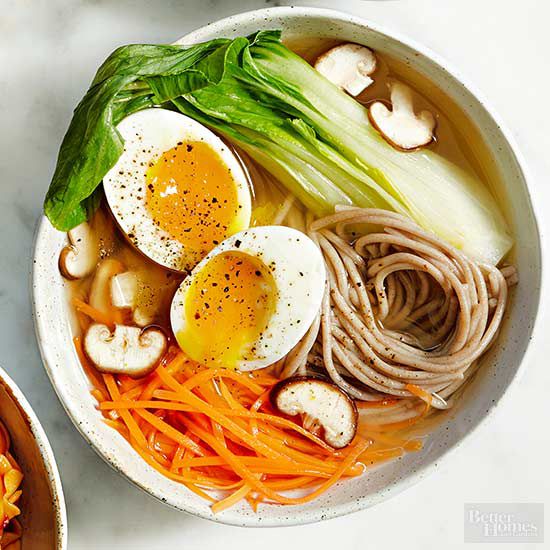
Swap the sauce for a quick broth made from stock, ginger, garlic, soy sauce, and a spoonful of miso. Add mushrooms, spinach, and a soft-boiled egg for cozy ramen-bowl energy.
Try a Vietnamese-Inspired Version
Use rice vermicelli, shredded lettuce, cucumber, carrots, herbs, peanuts, and a lighter dressing with soy sauce, rice vinegar, lime, a touch of sugar, and garlic. Grilled chicken, shrimp, or pork works beautifully here.
Common Mistakes That Can Ruin a Noodle Bowl Recipe
Overcooking the noodles. Mushy noodles do not recover. Cook them just until tender, then stop the cooking if the bowl is meant to be served cold.
Using too little acid. If the bowl tastes flat, it often needs lime or vinegar, not more salt. Acid is what keeps rich sauces and noodles from feeling sleepy.
Skipping texture. If everything in the bowl is soft, it will taste boring even if the sauce is good. Add cucumber, cabbage, peanuts, sesame seeds, or bean sprouts to wake it up.
Drowning the bowl. Start with enough sauce to coat, not flood. You can always add more. A noodle bowl should feel glossy and flavorful, not like it took an unexpected swim.
Adding herbs too early for meal prep. Fresh mint and cilantro are best added right before serving so they stay bright and lively instead of wilting into a sad green afterthought.
Meal Prep and Storage Tips
This noodle bowl recipe is meal-prep friendly if you keep the components separate. Store noodles, sauce, protein, and vegetables in different containers or sections. Toss everything together just before eating. If you are packing lunch, add the herbs, peanuts, and sesame seeds at the last minute for the best texture.
Most cold noodle bowls keep well for up to 3 days in the refrigerator. Warm bowls are best on day one, but the protein and sauce can be made ahead, and the noodles can be refreshed with a splash of hot water or broth before serving. In short: this recipe understands your schedule and does not insist on being dramatic about leftovers.
Final Thoughts
A great noodle bowl recipe earns its keep because it does so much with so little. It turns basic noodles into a balanced meal. It makes vegetables more exciting. It gives leftovers a purpose. It works whether you want a quick lunch, a healthy dinner, a vegetarian option, or a customizable family meal where everyone builds their own bowl and argues only about who used all the peanuts.
If you make just one takeaway from this article, let it be this: the best homemade noodle bowl is not about strict rules. It is about balance. Pick a noodle, build a bold sauce, add protein, pile on fresh vegetables, and finish with toppings that bring crunch and brightness. Once you do that, you are no longer “making something with noodles.” You are making dinner that people actually remember.
What Living With a Great Noodle Bowl Recipe Actually Feels Like
There is something wonderfully realistic about a noodle bowl recipe. Not realistic in the dreary “this is technically dinner” way, but in the deeply satisfying “I can actually make this on a Wednesday without rethinking my entire identity” way. Some recipes feel like performance art. Noodle bowls feel like support.
The first time you make a really good one, you notice how forgiving it is. Maybe your carrots are not cut into elegant matchsticks. Maybe your cucumber slices are more “rustic” than intentional. Maybe you used spaghetti because the soba you swore you bought is apparently living a second life somewhere behind the cereal boxes. And still, the bowl works. The sauce ties things together, the noodles bring comfort, and the toppings make everything feel lively. It tastes like you planned ahead, even if you absolutely did not.
Noodle bowls also create one of the best kitchen moods: low-stress productivity. A pot of noodles bubbles away. A cutting board fills with color. A sauce gets whisked in one bowl. Something sizzles in a skillet. Nothing is especially complicated, but the kitchen smells like ginger, garlic, sesame, and possibility. That is a powerful combination. You go from “I am too tired to cook” to “Actually, I may be capable of many things.”
They are also excellent for households with mixed opinions, which is a polite way of saying people who somehow live together and still cannot agree on dinner. One person wants tofu. One wants chicken. One avoids cilantro like it personally insulted them. One wants extra chili crisp and would like their sinuses cleared immediately. A noodle bowl handles all of this beautifully. Set out the components, let everyone build their own version, and enjoy the rare magic of a meal that feels customizable without becoming chaotic.
Then there is the lunch factor. Leftover noodle bowls can make you feel weirdly smug in the best way. While everyone else is poking at a forgettable sandwich, you open a container packed with noodles, crisp vegetables, a bright sauce, and toppings waiting in a little side cup like tiny edible confetti. It is practical, but it does not feel punishing. It feels like your past self did your present self a favor, which frankly is the kind of relationship we should all aspire to have.
And emotionally, noodle bowls land in a useful middle space. They are comforting without being heavy. Healthy without being bleak. Fast without tasting rushed. They can be cold in summer, brothy in winter, spicy when you need drama, or mellow when you absolutely do not. They are flexible enough to match your mood, your fridge, and your energy level. Few recipes are that accommodating.
So yes, a noodle bowl recipe is about food. But it is also about relief. It is about having one reliable meal that can absorb leftovers, celebrate fresh produce, rescue weeknights, and still taste exciting enough to crave again tomorrow. That is why people come back to noodle bowls over and over. Not because they are trendy, but because they are genuinely useful. And delicious. Which, in the dinner world, is a very attractive personality.