If the COVID-19 pandemic taught us anything about money, it’s that “steady paycheck” is not the same thing as “steady income.” Plenty of people stayed technically employedyet their take-home pay shrank like a cotton T-shirt tossed into a hot dryer. That’s why pandemic pay cuts became a quietly common part of the era’s economic story: not always as dramatic as a layoff, but often just as stressful when rent, groceries, and life kept billing on schedule.
In this article, we’ll unpack the “pay cut” reality: how it happened, who felt it most, why headline wage statistics sometimes looked confusing, and what workers and employers learned (sometimes the hard way) about navigating a sudden shock.
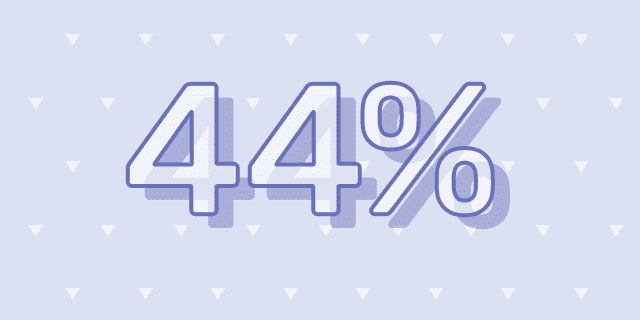
Number of the Day: 44% (A Quick Snapshot of “Partial Income Loss”)
Here’s a number that captures the vibe of pandemic pay cuts without pretending every pay cut looked the same: one Cardify-based estimate highlighted in a “Number of the Day” briefing suggested that 5% of people in its dataset lost their entire income during the pandemic period it examined, while 51% had no loss or even an increase. That math leaves about 44% who lost some incomemeaning a smaller paycheck, fewer hours, reduced bonuses, weaker commissions, fewer tips, or some mix of the above.
The point isn’t to obsess over one dataset. It’s to recognize the pattern: income loss wasn’t limited to people who were fully unemployed. The pandemic created a broad middle categorypeople still working, but earning less. And that’s where “pandemic pay cuts are common” stops being a headline and starts being an everyday budgeting problem.
What Counts as a “Pay Cut,” Anyway?
When most people hear pay cut, they picture a boss marching in with a dramatic speech and a 10% salary reduction. Sometimes that happened. But pandemic-era pay cuts often arrived wearing disguises:
- Reduced hours (same hourly rate, fewer shifts, smaller checks).
- Commission or bonus shrinkage (sales slowed, targets changed, incentives paused).
- Overtime disappearing (common in roles where overtime had been a reliable part of income).
- Tip income collapsing (especially in service industries early in the pandemic).
- Pay freezes (not a cut in name, but a cut in purchasing powerespecially once prices rose).
- Temporary reductions tied to “we’ll restore it later” (sometimes restored, sometimes… not).
This variety matters because it changes how workers experience the hit. A one-time bonus disappearing feels different than a permanent hourly wage reduction. A pay freeze feels different until inflation shows up and turns it into a stealth pay cut. But the stress result can be similar: “My pay didn’t keep up with my life.”
Evidence That Pay Cuts Were WidespreadNot Just Anecdotal
Surveys captured pay cuts as a major form of disruption
During the pandemic’s first year, national polling found large shares of Americans reporting job or wage disruption. In April 2020, for example, many adults reported that they or someone in their household had experienced job loss or a cut in pay due to the outbreak, and a substantial share specifically cited pay reduction tied to reduced hours or demand for work.
Later, Pew Research Center reported that 32% said they or someone else in their household had taken a pay cut due to reduced hours or demand for work (in the context of broader job-or-wage loss reporting). They also found that about one-in-five adults said they personally had to take a pay cutan important detail because “household impact” can include spouses, partners, or roommates.
“Still earning less” became part of the long tail
A year into the pandemic, Pew reported something that many households already felt in their checking accounts: among workers who personally experienced a pay cut since February 2020, about half said they were still earning less than they did before the outbreak. That finding helps explain why “temporary” pay cuts often felt permanent in practice.
Pay cuts showed up in workforce-focused research, too
Worker-focused surveys echoed the same theme. One survey of full-time workers found that about one-third had their pay cut in the prior year, and among those whose pay was reduced, nearly half said it hadn’t been restored. The details varied by demographics (including income level and race), but the headline was simple: pay cuts weren’t rare.
Why Employers Cut Pay Instead of Cutting Jobs
Employers don’t usually wake up thinking, “Let’s make our team sad today.” Pay cuts often show up when businesses are trying to keep the lights on and keep people employed. In the pandemic’s early months, demand dropped fast in sectors that rely on face-to-face interaction. Businesses had to lower costs quickly, and labor is usually a company’s biggest expense.
In that scenario, a pay cut can be framed as a “shared sacrifice” that prevents layoffs. Sometimes it works that way. Other times, it becomes a bridge to layoffs (because lower revenue plus ongoing uncertainty is a tough combo).
Reduced hours: the most common “pay cut with plausible deniability”
If your hours get cut, your pay gets cutno announcement required. Federal Reserve analysis of early pandemic impacts noted that some workers decreased their hours in March 2020, both with and without pay, often because fewer hours were offered. Even when hourly rates didn’t change, the smaller schedule changed everything.
Variable pay is a shock absorberuntil it’s not
In sales, hospitality, and many service roles, variable pay (bonuses, tips, commissions) functions like an economic shock absorber. When demand collapses, variable pay collapses first. That can be easier for employersbecause it doesn’t require changing base pay but it can be brutal for workers whose budgets were built around “normal” variable earnings.
Who Got Hit Hardest (Spoiler: The People with Less Cushion)
The pandemic didn’t distribute pay cuts evenlybecause the labor market doesn’t distribute options evenly. Workers who could do their jobs remotely often had more protection. Workers in in-person roles often had fewer levers.
Lower-income households reported more disruption
Surveys consistently found that lower-income adults were more likely to report job or wage loss in their household. That matters because a pay cut hits differently when you have a large emergency fund versus when your savings account is basically a checking account with better PR.
Race, ethnicity, and education shaped exposure
Data and analysis also showed disparities by race and ethnicity, and by education levelpatterns tied to differences in job types, telework access, and historical inequities. For example, research using Census pulse-style measures and regional analysis highlighted notable gaps in recent income loss across groups.
Why Wage Headlines Looked Weird (Even While People Took Pay Cuts)
Here’s where the pandemic broke a lot of people’s economic intuition: you could read “wages rose” in one headline while your own paycheck shrank. Both could be true.
Composition effects: when low-wage jobs vanish, averages rise
Some labor economists warned that wage growth measures during 2020 could be misleading because the job losses were heavily concentrated among lower-wage workers. When many low-wage jobs disappear, the average wage of the remaining workforce can riseeven if nobody got a raise. Think of it as “the average got richer because the poorest got pushed out,” which is not the same as prosperity.
As workers returned, averages could fallwithout widespread pay cuts
Another twist: as hiring recovered and lower-paid workers returned, average wages in some sectors could fall. Research tracking payroll data emphasized that employers weren’t necessarily cutting pay across the board; rather, the mix of workers and jobs changed quickly, which moved the averages around like a weather vane in a storm.
Real wages: inflation can turn “flat pay” into “less pay”
Even when nominal pay held steady, rising prices meant many workers experienced a drop in real (inflation-adjusted) wages. Analyses of real hourly wage patterns across the wage distribution show how inflation can erase gains and deepen the sense that households “never caught up,” especially after the initial shock period.
What Workers Can Do When a Pay Cut Hits
A pay cut is financialbut it’s also psychological. It changes how people interpret loyalty, stability, and the value of their work. Practical steps help because they turn panic into a plan.
1) Get the details in writing (yes, even if it feels awkward)
Ask: Is the cut temporary or permanent? What triggers restoration? Is it tied to revenue targets, a calendar date, or “the vibes”? If benefits, bonuses, or commissions change, ask what’s changing and for how long.
2) If it’s a “temporary” cut, request a timeline and a checkpoint
Workers often find relief in specificity. A vague “we’ll revisit later” is a recipe for resentment. A scheduled review date is not a guaranteebut it’s a starting point for accountability.
3) Rebuild your budget around the new reality
Cut the “silent leaks” first: unused subscriptions, convenience spending that doesn’t actually bring convenience, and high-interest debt that compounds stress. If your hours were reduced, explore whether you qualify for partial unemployment or other support (rules vary by state and time period).
4) Consider your leverageand your alternatives
Sometimes negotiation is possible (restoration, extra PTO, flexible scheduling, or training support). Sometimes the better move is updating your resume. A pay cut can be a short-term survival strategyor a long-term signal.
What Employers Learned (and What Employees Still Remember)
Pay cuts can preserve jobs, but they also test trust. If employees believe the sacrifice is fair, shared, and time-limited, morale can hold. If they believe the cut is vague, uneven, or quietly permanent, they’ll rememberand many will eventually leave.
That’s why transparency matters. Even Federal Reserve survey work on job decisions suggests that pay changes (and even pay freezes) can materially affect whether people look for new jobs. In other words: pay policy is retention policy.
Conclusion: Pay Cuts Were CommonBut So Was Adaptation
Pandemic pay cuts weren’t just a footnote to unemployment. They were a main chapter in how households experienced the shock: smaller paychecks, fewer hours, reduced bonuses, and the slow grind of “still not back to normal.” Surveys and labor-market research consistently point to the same reality: many people were working, but earning lessand the pain concentrated in groups with fewer buffers.
The upsideif we can call it thatis that the pandemic forced a national crash course in financial resilience: emergency savings, flexible budgeting, skills building, and honest conversations about pay and job quality. Not fun lessons. Useful lessons. The kind you hope you never have to “practice” again.
Extra: of Real-World Experiences With Pandemic Pay Cuts
The statistics explain the scope, but experiences explain the texture. Pandemic pay cuts didn’t arrive in one standard shape; they showed up as thousands of small, personal rewrites to everyday life.
The “same job, smaller schedule” story: Many hourly workers describe the pay cut that never got announced. A schedule went from five shifts to three, then to two. The hourly rate didn’t change, but the paycheck did. People talked about learning to stretch groceries, delaying car repairs, and picking which bills could safely be paid “a little late” without triggering fees. Some took on gig worknot because it was a dream, but because it was immediate.
The “variable pay vanished” story: Service workers and sales teams often felt pay cuts through tips and commissions. A restaurant worker might still have a job, yet earn far less if foot traffic disappeared. A sales rep might keep base pay while quotas and customer demand collapsedturning what used to be predictable monthly income into a guessing game. For many, the financial shock wasn’t a single moment; it was the slow realization that “this month” had become “every month.”
The “temporary cut that lingered” story: Some salaried employees took reductions framed as short-term. At first, the pitch made sense: preserve jobs, keep benefits, avoid layoffs. But as weeks turned into months, the emotional cost grew. People describe the awkwardness of performing the same responsibilities for less money while also absorbing extra work (because a teammate was furloughed or quit). Even when pay later improved, the memory of uncertainty stayed.
The “family math” story: Households often experienced pay cuts indirectlythrough a partner’s reduced hours or a parent’s income drop. Families with children describe juggling remote school logistics and childcare with shrinking pay. The stress wasn’t only financial; it was operational. “How do we both work if school is at home?” became a budgeting problem, a scheduling problem, and a mental health problem all at once.
The “recovery wasn’t even” story: Some people recovered quickly; others didn’t. Workers who could telework or switch industries often describe stability returning sooner. Workers tied to in-person demand often describe a longer climbmonths of inconsistent hours, rebuilding savings from zero, and trying to plan a future while income still felt fragile. The common thread across these experiences is simple: a pay cut is rarely “just a number.” It changes choices, timelines, and confidence in what comes next.