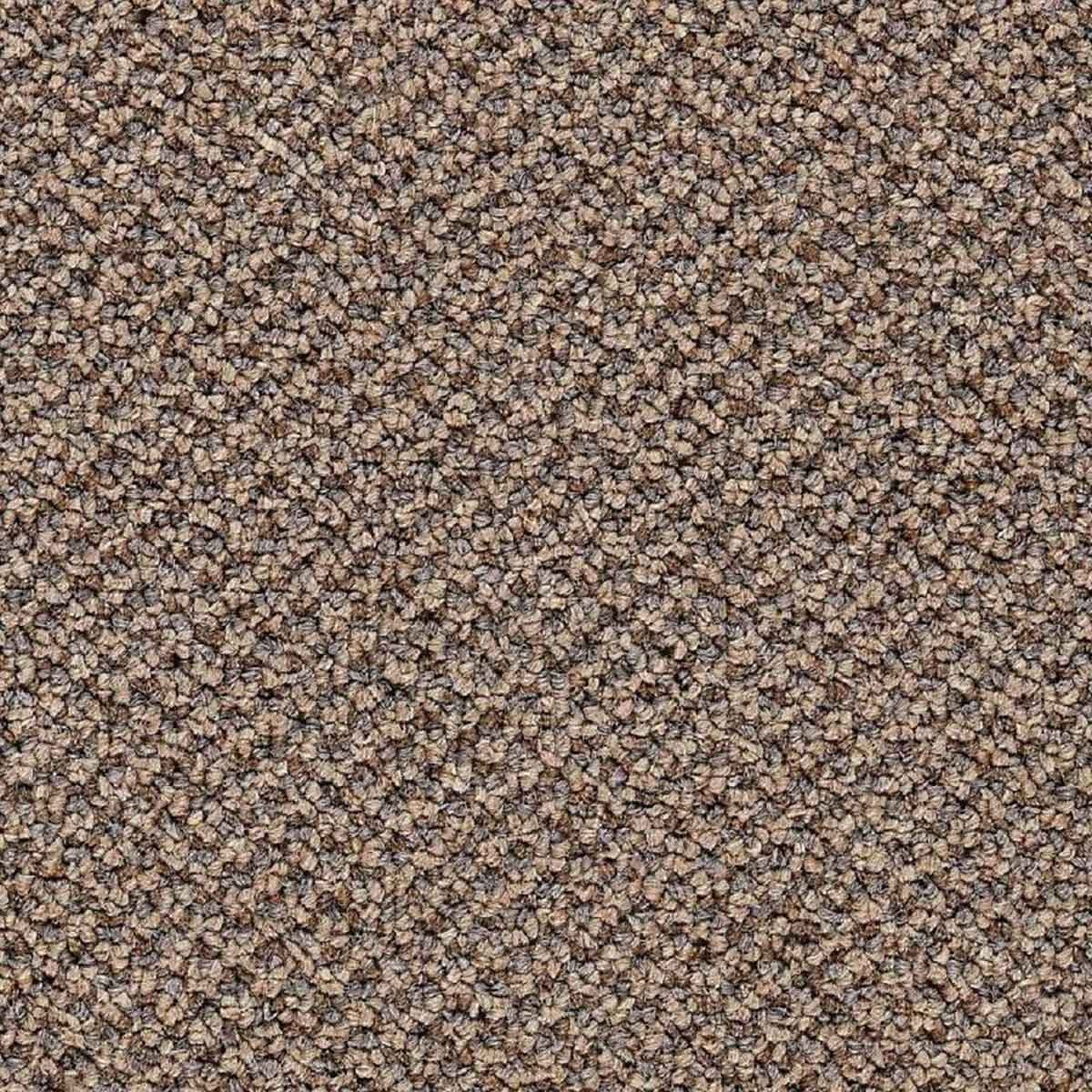
If carpet fibers had yearbook superlatives, olefin carpet would win Most Likely to Survive a Spilled Juice Box and a Sunny Afternoon. Also known as polypropylene carpet, olefin has become a popular choice for homeowners who want something affordable, practical, and not overly dramatic about moisture. It is often marketed as a smart option for basements, playrooms, rental properties, sunrooms, and even indoor-outdoor spaces where other fibers might wave the white flag.
But olefin carpet is not a magic rug spun by flooring elves. It has strengths, weaknesses, and a very specific personality. If you install it in the right room, it can be a budget-friendly hero. Put it in the wrong room, and you may end up wondering why your once-proud carpet looks like it ran a marathon in flip-flops.
This guide breaks down what olefin carpet is, how it compares with other carpet fibers, where it works best, where it struggles, and what homeowners should know before buying. If you are trying to decide whether olefin carpet belongs in your home, here is the no-nonsense, no-sales-pitch version.
What Is Olefin Carpet?
Olefin carpet is made from polypropylene, a synthetic fiber derived from petroleum-based materials. In flooring language, “olefin” and “polypropylene” are often used interchangeably. Manufacturers like it because it can be produced at a lower cost than some competing fibers, and homeowners like it because it is naturally resistant to moisture, mildew, and fading.
Olefin is commonly used in loop-pile carpets, Berber carpet styles, carpet tiles, and indoor-outdoor carpet. It is also found in some area rugs. Because the fiber does not easily absorb water, it tends to dry quickly and resist many water-based stains. That combination has made it a go-to material for spaces that see humidity, tracked-in messes, or plenty of direct sun.
In plain English, olefin carpet is the practical shoe of the carpet world. It may not be the fanciest option in the closet, but it often makes a lot of sense for the job.
Why Olefin Carpet Became So Popular
Olefin did not become popular because homeowners suddenly developed a deep emotional connection to polypropylene. It caught on because it solves a few very real flooring problems.
It is budget-friendly
One of the biggest reasons homeowners choose olefin carpet is cost. Compared with premium fibers like wool and more resilient fibers like nylon, olefin is usually easier on the wallet. That makes it attractive for larger rooms, income properties, starter homes, finished basements, and spaces where the goal is “looks good, feels comfortable, does not require a second mortgage.”
It handles moisture better than many fibers
Olefin does not readily absorb water, which is why it is often recommended for damp or spill-prone areas. That does not mean you should install it in a room that floods every Tuesday and call it a strategy. It does mean that in basements, enclosed porches, or rooms where wet shoes and accidental spills are part of daily life, olefin often performs better than more absorbent materials.
It resists fading
Many olefin carpets are solution-dyed, meaning the color is built into the fiber rather than applied only to the surface. That helps the carpet hold its color well, even in bright rooms with lots of sunlight. If your living room gets hit with afternoon sun like it owes the sky money, fade resistance matters.
It is stain-resistant in important ways
Olefin is naturally resistant to many water-based stains because it does not have dye sites that absorb liquid the same way some other fibers do. This can make cleanup easier after common household mishaps. However, there is a catch, and it is an important one: olefin is not equally resistant to oily soils and oil-based stains. More on that in a minute, because this is where many homeowners get surprised.
The Biggest Advantages of Olefin Carpet
When olefin carpet is used in the right environment, it offers a strong list of benefits.
1. Moisture resistance
This is the headline feature. Olefin does not absorb water easily, so it is less likely to hold moisture, develop musty smells, or stay damp for long periods. That makes it appealing in basements, three-season rooms, and indoor-outdoor applications.
2. Good stain performance for everyday spills
For homes with kids, pets, or adults who claim they are “just resting” a coffee mug on the floor, olefin can be forgiving. Quick cleanup is still necessary, but the fiber itself is less vulnerable to many common household spills than some alternatives.
3. Strong fade resistance
Olefin carpet tends to hold color well, even when exposed to sunlight. That gives it an edge in bright rooms, near glass doors, and in spaces where UV exposure might make other carpets age faster.
4. Value pricing
If you need broadloom carpet or Berber carpet for a large space and want to keep the project affordable, olefin is often worth a look. It can deliver a clean, practical finish without pushing the budget into panic mode.
5. Useful for loop and Berber styles
Olefin often appears in loop-pile and Berber carpet constructions, where its performance traits make sense. These styles can hide dirt well, offer a casual look, and feel especially appropriate in family spaces and lower-level rooms.
The Downsides of Olefin Carpet
Now for the part where we stop flattering the carpet.
1. It is less resilient than nylon
Olefin does not bounce back as well as nylon under repeated foot traffic. In high-traffic areas, the fibers can crush, mat, or flatten over time. That is why olefin is usually not the top recommendation for main stairs, busy hallways, or family-room traffic patterns that resemble an airport terminal.
2. It attracts oily residue
This is the classic olefin warning. The fiber is naturally good with water, but not so impressive with oil. Body oils, cooking residue, asphalt-based grime, and oily tracked-in dirt can cling to the surface and attract more soil over time. The carpet is not trying to be difficult. It just has chemistry issues.
3. It may look worn faster in busy areas
Even if the carpet is technically clean, crushed fibers can make it look older before its time. That appearance retention issue is one of the main reasons olefin is often viewed as a room-specific solution rather than a whole-house champion.
4. Style range can be more limited
Depending on the brand and product line, olefin may offer fewer premium textures and design options than nylon or some polyester collections. It is easy to find attractive choices, but if you want ultra-luxurious softness or an upscale tailored finish, other fibers may offer more variety.
Best Places to Use Olefin Carpet
Olefin carpet tends to shine in spaces where moisture resistance matters more than long-term resilience.
Basements
This is one of the most common recommendations. Finished basements often deal with humidity, cooler temperatures, and occasional dampness. Olefin’s low moisture absorption makes it a practical fit.
Sunrooms and enclosed porches
Because olefin resists fading, it works well in bright spaces with lots of natural light. If you want a carpeted area that will not look washed out after one enthusiastic summer, olefin has a real advantage.
Playrooms and casual family spaces
For rooms where spills happen but traffic is moderate, olefin can be a good compromise between comfort and cost. A loop or Berber style can also help disguise everyday messes between cleanings.
Rental properties
Landlords often appreciate olefin’s affordability and stain resistance. It can be a practical option when the goal is decent performance at a sensible price.
Indoor-outdoor areas
Some olefin carpet products are designed specifically for indoor-outdoor use. If you are carpeting a covered patio, screened porch, or transitional space, olefin is one of the first materials worth considering.
Where Olefin Carpet Is Usually the Wrong Choice
Every carpet has a “please do not put me there” list. For olefin, these are the main caution zones.
Main stairs
Stairs put concentrated wear on carpet, and olefin is not famous for thriving under pressure. If you want something that holds its appearance under constant use, nylon usually makes more sense.
High-traffic hallways
These areas can flatten an olefin carpet faster than you might expect. If appearance retention matters, choose a more resilient fiber.
Primary living rooms with heavy use
If your living room is where pets sprint, kids tumble, guests gather, and furniture gets rearranged every six months during a “fresh start,” olefin may not age gracefully there.
Homes with lots of oily soil exposure
If people regularly track in greasy grime from garages, driveways, or kitchens, olefin may need more frequent attention to avoid dingy-looking traffic lanes.
Olefin Carpet vs. Nylon vs. Polyester
Most carpet shoppers end up comparing these three synthetic fibers, so here is the practical version.
Olefin vs. nylon
Nylon is the durability star. It is more resilient, holds texture better, and usually performs better in high-traffic areas. Olefin wins on moisture resistance and often on price. If you need carpet for stairs or a busy hallway, nylon is usually the safer bet. If you need budget-friendly carpet for a basement or sunroom, olefin becomes much more appealing.
Olefin vs. polyester
Polyester is known for softness, color clarity, and stain resistance. Olefin generally handles moisture and fading extremely well, but polyester may offer more comfort and better style flexibility depending on the product. Neither fiber typically outperforms nylon for resilience, but each has room-specific strengths.
Olefin vs. wool
Wool is the premium natural option: luxurious, beautiful, and expensive. Olefin is the opposite side of the pricing spectrum and is often chosen for practical value. If wool is the tailored cashmere coat, olefin is the rain jacket that shrugs and says, “I can work with this.”
How to Shop for Olefin Carpet Without Getting Distracted by Pretty Samples
A tiny showroom sample can make almost any carpet look impressive. The smarter move is to look past color alone.
Check the construction
Olefin often performs best in loop-pile or Berber styles. These constructions help support the fiber’s strengths. If you are considering a cut-pile olefin, pay attention to density and whether the product is built for the traffic level in your home.
Ask about density and face weight
These specs help indicate how substantial the carpet is. Higher quality construction can improve performance, even in a budget-friendly fiber category.
Choose the right cushion
Padding matters more than many shoppers expect. A cushion that is too soft can cause performance problems, especially under loop carpet. A firm, appropriate pad helps support the carpet and can extend its useful life.
Think room by room
Do not choose carpet like it has to be your soulmate. Choose it like it has a job. Ask what the room needs: moisture resistance, comfort, durability, easy cleanup, better acoustics, or lower cost. Olefin is excellent in some job descriptions and underqualified for others.
Look for low-VOC certifications
If indoor air quality matters to you, ask about Green Label Plus-certified carpet, cushion, and adhesives. That can be a smart way to narrow options, especially in bedrooms, family rooms, or homes with sensitivity to odors after installation.
How to Clean and Maintain Olefin Carpet
Olefin carpet is relatively easygoing, but “stain resistant” is not the same thing as “self-cleaning.” A few habits make a big difference.
Vacuum regularly
Routine vacuuming helps prevent dirt and grit from settling into the carpet. This matters even more in entry zones and family areas where soil gets ground in over time.
Blot spills quickly
Even though olefin resists many water-based stains, cleanup should still happen fast. Blot; do not scrub. Scrubbing just turns a small problem into an interpretive dance performance.
Watch oily messes
Oil-based stains are the trickiest part of owning olefin carpet. Food grease, cosmetics, and oily dirt need prompt treatment with the right cleaning approach. This is not the time for random internet experiments involving vinegar, dish soap, and wild optimism.
Schedule deep cleaning
Periodic hot-water extraction helps remove deeper soil and keep carpet looking fresher. If traffic lanes start looking dull, a professional cleaning can make a visible difference.
Use mats and no-shoes habits
If your olefin carpet is near an exterior door, a good entry mat can help reduce oily grime and dirt before it reaches the carpet. No-shoes households also tend to keep carpet looking better longer. Your carpet may not write a thank-you note, but the improvement is real.
Is Olefin Carpet a Good Choice?
Yes, but only when the room and the fiber are a good match.
Olefin carpet is a solid choice if you want an affordable carpet material that resists moisture, fading, and many everyday spills. It makes particular sense in basements, sunrooms, enclosed porches, rental properties, and lower-traffic areas where durability is not the top concern.
It is not the best carpet fiber for every room. If you need superior resilience, better texture retention, or a carpet that can take a beating in a high-traffic area, nylon usually offers better long-term value. But if your top priorities are practical performance and a manageable budget, olefin deserves a serious look.
The smartest way to think about olefin carpet is this: it is not trying to be the luxury sports car of flooring. It is trying to be the dependable everyday vehicle that starts every morning, handles a rainy commute, and does not complain when someone spills fries in the back seat.
Real-World Experiences With Olefin Carpet
Homeowners who choose olefin carpet often describe a similar experience: they did not pick it because it sounded glamorous. They picked it because they needed a carpet that could deal with real life. In many homes, olefin ends up in a basement family room, a kids’ play area, a porch enclosure, or a finished lower level where humidity makes other materials feel risky. In those settings, people tend to appreciate how practical it is. They like that it dries quickly, that light spills are not instantly catastrophic, and that sunny rooms do not bleach the life out of the color.
One of the most common positive experiences with olefin carpet is how well it fits casual spaces. In a basement movie room, for example, homeowners often say it feels comfortable, looks tidy, and handles the usual popcorn-and-soda chaos better than expected. In rental properties, property owners frequently value the fact that olefin can refresh a room without a premium price tag. In sunrooms and enclosed porches, many people are pleasantly surprised by how well it holds up visually in bright light compared with fibers that fade faster.
At the same time, long-term experiences with olefin carpet often come with one repeated lesson: placement matters. Homeowners who install it in a quiet guest room or lower-traffic basement tend to feel they made a smart choice. Homeowners who put it on a main staircase or in a high-traffic hallway sometimes notice flattening and wear sooner than they expected. That does not always mean the carpet failed. It usually means the fiber was asked to do a job it was never especially famous for.
Another real-world pattern involves cleaning. Many people are initially thrilled by olefin’s stain resistance, especially if they have children, pets, or a household member who believes coasters are a myth. Water-based spills often clean up well. But households that deal with tracked-in driveway grime, cooking oils, or heavier soil sometimes learn that olefin has a love-hate relationship with oily messes. The carpet may not absorb the spill the same way other fibers do, but it can still start to look dingy if oily residue hangs around. Owners who vacuum regularly and schedule deep cleanings usually report better long-term satisfaction.
There is also the comfort factor. While olefin may not deliver the plush prestige of a high-end nylon or wool carpet, many homeowners say it still feels cozy enough for everyday living. In family rooms, children’s spaces, and hobby rooms, that comfort-plus-practicality balance can be exactly right. Nobody is standing around a playroom whispering, “Ah yes, the aristocratic elegance of this floor covering.” They just want something soft enough to sit on, durable enough for daily use, and affordable enough that replacing it one day will not require a support group.
Overall, real experiences with olefin carpet are usually best when expectations are realistic. People who buy it for the right reasons often end up happy with the result. They understand they are choosing value, moisture resistance, and easygoing performance over premium resilience. In the right room, olefin feels like a smart, low-drama decision. And in home improvement, low drama is sometimes the most luxurious feature of all.
Conclusion
Olefin carpet has earned its popularity by doing a few things very well. It is affordable, moisture-resistant, fade-resistant, and practical for spaces that are hard on floors in very specific ways. That does not make it the best carpet for every room, but it absolutely makes it one of the most useful materials in the right setting.
If you are shopping for carpet for a basement, porch, sun-filled room, or other moderate-traffic space where spills and humidity are part of the picture, olefin carpet is worth a close look. If you are carpeting stairs, hallways, or heavily used living spaces, compare it carefully against nylon before committing.
The best carpet choice is rarely about what sounds most impressive in a showroom. It is about what works in your actual home, with your actual traffic, your actual cleaning habits, and your actual budget. And for many households, olefin carpet checks more of those boxes than people expect.