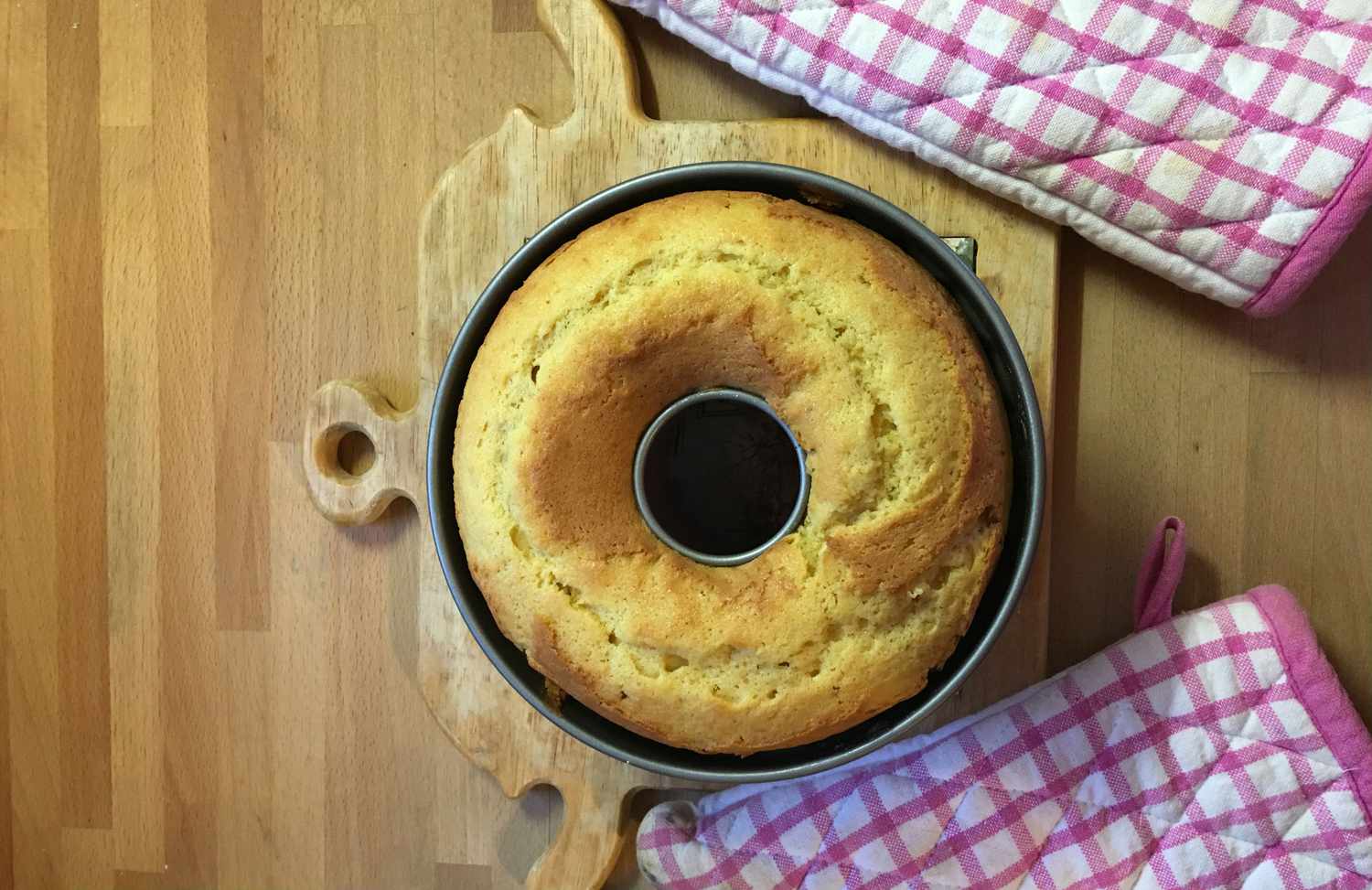
If you love citrus desserts and grown-up flavors, this Orange Grand Marnier cake recipe is about to become your new party trick.
Imagine a buttery, tender orange cake soaked in a warm Grand Marnier syrup so it’s extra moist, fragrant, and just boozy enough
to feel special. It’s the kind of dessert that makes people say, “Wait… who made this?” and then immediately ask for the recipe.
In this guide, you’ll get a step-by-step Orange Grand Marnier cake recipe, plus tips on how to keep the crumb incredibly moist,
how to adjust the alcohol level, and how to swap in other orange liqueurs if that’s what you have on your bar cart. We’ll also
talk about simple cake soaks, why sour cream and oil are magic for texture, and how to turn leftovers into the most luxurious
breakfast treat you’ve ever “accidentally” eaten with coffee.
What Is an Orange Grand Marnier Cake?
At its core, an Orange Grand Marnier cake is a citrus butter cake enhanced with Grand Marnier, a French orange liqueur made from
Cognac, bitter orange, and sugar. The liqueur brings a deep, rounded orange flavor with subtle vanilla and oak notes, which pairs
beautifully with fresh orange zest and juice in the batter and syrup.
Many bakers use a simple orange–Grand Marnier syrup brushed over a warm cake to keep it extra moist and to intensify the citrus
flavor. Using a cake soak or syrup like this is a classic pro trick: brushing a thin layer of flavored liquid onto the cake helps
it stay moist, tender, and aromatic without turning it soggy.
Ingredients for the Orange Grand Marnier Cake Recipe
For the Cake
- 2 1/2 cups (300 g) all-purpose flour
- 2 1/2 teaspoons baking powder
- 1/2 teaspoon baking soda
- 1/2 teaspoon fine sea salt
- 1 cup (2 sticks, 226 g) unsalted butter, softened to room temperature
- 1 3/4 cups (350 g) granulated sugar
- 4 large eggs, at room temperature
- 1/2 cup (120 ml) sour cream, at room temperature
- 1/2 cup (120 ml) whole milk, at room temperature
- 1/3 cup (80 ml) freshly squeezed orange juice
- 1/4 cup (60 ml) Grand Marnier (or another orange liqueur)
- Zest of 2 oranges (preferably untreated, scrubbed well)
- 1 teaspoon pure vanilla extract
For the Orange–Grand Marnier Syrup
- 1/2 cup (120 ml) freshly squeezed orange juice
- 1/4 cup (50 g) granulated sugar
- 1/4 cup (60 ml) Grand Marnier
Optional Orange Glaze
- 1 1/2 cups (180 g) powdered sugar, sifted
- 2–3 tablespoons freshly squeezed orange juice
- 1–2 tablespoons Grand Marnier (or more orange juice for alcohol-free)
- Fine orange zest or thin strips of candied orange peel, for garnish
Step-by-Step: How to Make an Orange Grand Marnier Cake
1. Prep Your Pan and Oven
Preheat your oven to 350°F (175°C). Grease a 10-cup Bundt pan or 9-inch tube pan thoroughly with butter or baking spray, making
sure to get into all the crevices. Dust lightly with flour, then tap out the excess. A well-prepared pan is your insurance policy
against cake-removal drama.
2. Mix the Dry Ingredients
In a medium bowl, whisk together the flour, baking powder, baking soda, and salt until well combined. Set aside. Pre-mixing the
leavening and salt helps them distribute evenly through the batter so the cake rises uniformly.
3. Cream Butter and Sugar
In a large mixing bowl (or the bowl of a stand mixer fitted with the paddle attachment), beat the softened butter and sugar on
medium-high speed for 3–4 minutes, until the mixture is pale and fluffy. This step incorporates air into the batter and sets the
stage for a light, tender crumb.
4. Add Eggs and Flavorings
Add the eggs one at a time, beating well after each addition and scraping down the bowl as needed. Stir in the orange zest and
vanilla. The zest is where most of the orange’s aromatic oils live, so don’t skip itit gives the cake a bright citrus perfume
that pairs perfectly with the Grand Marnier.
5. Combine the Wet Ingredients
In a separate small bowl or measuring cup, whisk together the sour cream, milk, orange juice, and Grand Marnier until smooth.
Sour cream adds richness and helps keep the cake moist, while the combination of juice and liqueur layers in both fresh and
deeper orange notes.
6. Bring the Batter Together
With the mixer on low speed, add the dry ingredients in three additions, alternating with the sour cream mixture in two additions
(dry–wet–dry–wet–dry). Mix just until the flour is incorporated and the batter is smooth. Over-mixing at this stage can develop
gluten and make your cake dense or tough, so stop as soon as everything looks uniform.
7. Bake the Cake
Pour the batter into the prepared pan and smooth the top. Tap the pan gently on the counter a couple of times to release any
trapped air bubbles. Bake for 40–50 minutes, or until the cake is golden, pulling slightly away from the sides, and a toothpick
inserted into the center comes out with a few moist crumbs but no wet batter.
If you’re unsure, err slightly on the earlier side and check again after 3–5 minutes. Overbaking is one of the most common reasons
cakes turn out dry.
8. Make the Orange–Grand Marnier Syrup
While the cake bakes, combine the orange juice and sugar in a small saucepan. Bring to a gentle simmer over medium heat, stirring
until the sugar dissolves. Remove from the heat and stir in the Grand Marnier. Set aside to cool slightly.
9. Soak the Warm Cake
When the cake comes out of the oven, let it cool in the pan on a wire rack for about 10 minutes. Then, using a skewer or thin
knife, poke small holes all over the surface of the cake. Slowly spoon or brush the warm syrup over the cake, allowing it to soak
in. Take your timemultiple thin passes allow the syrup to penetrate without pooling.
Using a flavored syrup like this is a classic bakery trick for keeping cakes moist and boosting flavor, especially in citrus and
liqueur-based recipes.
10. Cool and Glaze
Let the soaked cake cool completely in the pan, then carefully invert onto a serving plate. To make the glaze, whisk together
the powdered sugar, 2 tablespoons of orange juice, and 1 tablespoon of Grand Marnier until smooth and pourable. Add more juice
or liqueur a teaspoon at a time if needed. Drizzle the glaze over the cooled cake, letting it run down the sides. Garnish with
extra zest or candied orange peel if you like.
Tips for a Moist, Tender Orange Grand Marnier Cake
Use Room-Temperature Ingredients
Butter, eggs, sour cream, and milk mix together more smoothly when they’re at room temperature. This helps create a stable emulsion
and even texture, which translates to a soft, moist crumb.
Don’t Overbake
Start checking the cake a few minutes before you think it will be done. Look for edges pulling slightly from the pan and a springy
top. A toothpick should come out mostly clean with a few moist crumbs. Dry cake is almost always a timing issue, not a recipe flaw.
Embrace the Syrup
The syrup is what turns a “nice cake” into a “wow cake.” A simple mixture of sugar, juice, and liqueur brushed over the warm cake
compensates for any minor overbaking and infuses intense flavor. This technique is used in many professional bakeries to ensure
cakes stay moist even after chilling or sitting out at events.
Store It Properly
Once cooled, wrap leftover cake tightly in plastic wrap or store slices in an airtight container. The cake actually tastes even
better the next day, as the flavors meld and the syrup fully distributes throughout the crumb.
Substitutions and Variations
What If I Don’t Have Grand Marnier?
Grand Marnier is luxurious, but you can absolutely make this recipe with other orange liqueurs. Cointreau, Triple Sec, Curaçao,
or a 50/50 mixture of Cognac and Triple Sec are all solid stand-ins with similar citrus notes.
If you want to keep the flavor close to Grand Marnier’s Cognac-based profile, use a splash of brandy or Cognac plus an orange
liqueur or orange syrup.
Alcohol-Free Version
Want an Orange Grand Marnier cake without the alcohol? You can still get gorgeous flavor. Replace the liqueur in both the batter
and syrup with extra orange juice or a concentrated orange syrup. This keeps the citrus personality while making the dessert
suitable for anyone avoiding alcohol.
Add-Ins and Toppings
- Chocolate chips: Fold 1 cup of mini chocolate chips into the batter for an orange-chocolate twist.
- Nuts: Toasted sliced almonds or chopped pecans sprinkled over the glazed cake add crunch and a nutty note.
- Whipped cream: Serve slices with lightly sweetened whipped cream flavored with a tiny splash of Grand Marnier.
- Fresh fruit: Garnish with orange segments or berries for extra color and brightness.
Serving Suggestions
This Orange Grand Marnier cake is versatile enough for a casual brunch or a dressed-up dinner party. Serve it:
- As a show-stopping dessert with a dollop of whipped cream and orange zest.
- With espresso or strong coffee to balance the sweetness.
- Lightly warmed for breakfast (we won’t tell) with a bit of Greek yogurt on the side.
- Cut into small cubes and layered with custard and fruit for an easy trifle.
FAQs About Orange Grand Marnier Cake
Does the alcohol cook off?
Some alcohol will bake off in the oven, but not all of itespecially since the syrup is added after baking. If you’re serving
guests who avoid alcohol, use the alcohol-free variation with extra orange juice or orange syrup.
Can I bake this as a layer cake?
Yes. Divide the batter between two 8- or 9-inch round pans, adjust the baking time (typically 25–30 minutes), and brush each layer
with syrup after baking. Layer with whipped cream, mascarpone frosting, or a light cream cheese frosting flavored with orange zest
and a little Grand Marnier.
Can I freeze Orange Grand Marnier cake?
The cake freezes well without the glaze. Wrap the cooled, soaked cake tightly in plastic wrap and then in foil. Freeze for up to
2 months. Thaw in the refrigerator overnight, bring to room temperature, and glaze before serving.
Experience Notes: Living With an Orange Grand Marnier Cake in Your Kitchen
Baking this Orange Grand Marnier cake once is fun; living with it in your kitchen for a few days is an experience. The first thing
you notice is the smell. As it bakes, your entire home starts to remind you of a really expensive hotel lobbywarm, citrusy, just
a little bit boozy, and dangerously inviting. People will wander in and ask, “What are you making?” in the same tone they’d use
to ask, “Do you believe in magic?”
When you brush the warm cake with the orange-Grand Marnier syrup, it feels a bit like you’re cheating. The cake goes from “pretty
good” to “this belongs in a pastry case behind glass” in about 60 seconds. You can actually watch the syrup disappear into the
crumb. The top looks glossy, the edges darken slightly, and you know that every one of those tiny holes you poked is now a flavor
highway heading straight into the center of the cake.
The first slice is usually the official taste test. The crumb should be moist but not wet, with a soft, tight structure that holds
together when you cut it. The flavor hits in layers: bright orange from the zest, deeper citrus from the liqueur, then that gentle
warmth from the Cognac base. If you pair it with coffee, the bitterness of the coffee makes the orange pop even more. If you pair
it with a small pour of Grand Marnier on the side, you’ve essentially turned dessert into a mini tasting flight.
The second big moment is Day Two. By then, the syrup has had time to fully settle in. This is when you discover that “leftover”
Orange Grand Marnier cake is basically the world’s most indulgent breakfast. A small slice with a little Greek yogurt or fresh
orange segments feels almost reasonable… until you go back for another forkful because “I just need to even out the edge.”
If you bake for friends or family, this cake quickly becomes a repeat request. It’s impressive without being fussyno complicated
decorations, no fragile mousse layers, no last-minute drama. You bake, soak, cool, glaze, and you’re done. The flavor profile feels
grown-up and special, which makes it perfect for holidays, anniversaries, and those “I got a promotion” dinners that deserve more
than store-bought dessert.
It’s also a great “teachable” recipe. You can show newer bakers how creaming butter and sugar properly affects texture, how not to
over-mix once the flour goes in, and how a simple syrup soak transforms a cake’s personality. Once someone understands this cake,
they can riff on the formula: lemon-limoncello cake, lime-rum cake, almond-Amaretto cake. The Orange Grand Marnier version just
happens to be the elegant original that makes all the spin-offs possible.
And finally, there’s the host’s secret: the little end piece. After you’ve sliced and served all the pretty wedges, there’s almost
always one slightly imperfect piece hanging around. It might be a corner from the Bundt edge or a slice that broke when you tried
to move it. That piece, eaten standing over the sink with a fork while you’re loading the dishwasher, is often the best bite of the
whole cake. It’s syrup-soaked, a little extra glazed, and absolutely yours.
Once you’ve baked this Orange Grand Marnier cake recipe a couple of times, it stops feeling like “just a recipe” and starts feeling
like a party skillsomething you can pull out whenever you need a dessert that’s both comforting and quietly impressive. Whether
you serve it on fine china or paper plates, it behaves like a star.
Conclusion
This Orange Grand Marnier cake recipe combines buttery crumb, bright citrus, and a luxurious orange liqueur syrup for a dessert
that tastes like it came from a high-end bakery but is very doable in a home kitchen. With the right techniqueroom-temperature
ingredients, careful baking, and a generous syrup soakyou’ll get a moist, fragrant cake that steals the show at any gathering.