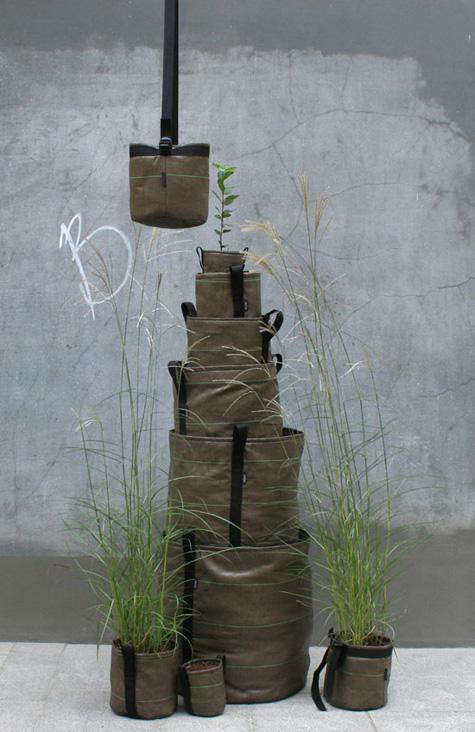
If traditional planters feel a little too heavy, too breakable, or too committed for your ever-changing outdoor life, Bacsac mobile garden containers make a strong case for loosening upliterally. These soft-sided, portable fabric planters helped popularize the idea that a productive outdoor garden does not need a permanent footprint, a giant yard, or a spine made of reinforced concrete. For renters, balcony gardeners, rooftop dreamers, patio tinkerers, and anyone who has ever dragged a ceramic pot three inches and called it “exercise,” Bacsac offers a smart alternative.
At first glance, a Bacsac planter looks like a stylish garden bag with handles. That is part of the charm. But the bigger story is the engineering behind it: breathable geotextile layers, lightweight construction, mobility, and a design that aims to keep roots healthier than they might be in a sealed decorative pot. In other words, it is not just garden décor pretending to be useful. It is a real gardening tool wearing a very good outfit.
What Is Bacsac, Exactly?
Bacsac is a French brand created by designer Godefroy de Virieu and landscapers Louis de Fleurieu and Virgile Desurmont. The idea behind the brand is simple but clever: create soft, flexible, durable containers that let people grow plants almost anywhere outdoors, from patios and terraces to rooftops, railings, and narrow urban corners. The system has been featured for years by design and gardening publications because it bridges two worlds that do not always get along: serious plant care and clean modern design.
Instead of rigid plastic, glazed ceramic, or heavy stone, Bacsac containers use layered geotextile fabric. The inner layer helps protect the root zone, while the outer canvas-like layer is built for wear, weather, and movement. The breathable structure is a big part of the pitch. Plants do not love sitting in swampy soil, and neither do gardeners who are tired of root rot ruining their plans and their basil. Bacsac’s material is designed to allow airflow and let excess water escape, while still supporting a healthy balance of moisture around the roots.
The line has included round pots, square beds, trough-like formats, and even hanging or railing-friendly versions. That range matters because mobile garden containers are not only about portability; they are also about fitting gardening into real life. Real life includes apartment balconies, oddly shaped decks, tiny courtyards, and that one sunny patch by the back door that suddenly becomes “the herb zone.”
Why Gardeners and Designers Love Mobile Garden Containers
They are lightweight enough to move without a forklift or a pep talk
The first obvious advantage is mobility. Bacsac containers are much lighter than traditional planters, especially before they are filled. Even once planted, the handles and flexible form make them easier to reposition than a bulky clay pot. That matters more than people think. Outdoor spaces change across the season. Spring sun becomes harsh summer heat. A windy rooftop in April becomes a plant sauna in July. Being able to shift a container for better sun exposure, easier watering, or storm protection is not just convenientit can be the difference between thriving plants and a crispy tomato tragedy.
Breathable fabric can support healthier root systems
Fabric containers have earned attention for a reason. Breathable sides allow more airflow around the root zone than many sealed pots do. In practical terms, that can reduce the soggy, stale conditions that contribute to root problems. Fabric systems are also often associated with “air pruning,” where roots that hit the edge of the container stop circling and branch more effectively. The result can be a denser, more fibrous root system rather than a tight root spiral that acts like the botanical version of a bad mood.
They suit small-space gardening beautifully
Bacsac containers are tailor-made for urban and suburban outdoor living. If you do not have the square footage for a classic raised bed, a large fabric planter can serve a similar purpose on a balcony, patio, or roof deck. If your only outdoor real estate is a narrow strip beside the grill, congratulations: you still qualify as a gardener. A mobile container garden lets you use overlooked areas creatively without committing to permanent hardscaping.
They look relaxed, modern, and surprisingly intentional
Design matters outdoors, especially in compact spaces where every object is highly visible. Bacsac planters have an understated, architectural look that feels more edited than many ordinary nursery pots and less precious than decorative ceramics. They can make an herb garden look curated rather than improvised, which is useful if your outdoor style goal is “chic edible oasis” and not “temporary tomato emergency.”
Where Bacsac Containers Work Best Outdoors
These containers shine in places where flexibility matters. Balconies are an obvious fit because weight and space are constant concerns. Rooftops benefit, too, since lightweight planters are easier to install and rearrange. Patios and decks are another sweet spot, especially for gardeners who want the option to move plants around furniture, sunlight patterns, or seasonal entertaining needs.
They are also ideal for renters. A mobile garden is easier to take with you when you move, which makes Bacsac particularly appealing for people who do not want to sink time and money into a garden they cannot bring along. The official Bacsac concept even leans into this: the garden moves with you. That idea feels especially relevant now, when people treat outdoor spaces as extensions of the home but still want the freedom to reconfigure them.
Another great use is temporary zoning. Want a cluster of herbs by the kitchen door in spring, then a mini vegetable patch in the sunniest summer corner, then ornamental grasses by the seating area in fall? Mobile containers let you redesign without demolition. Your outdoor space gets to have outfit changes.
How to Plant a Bacsac Container the Right Way
Start with the right size
One of the biggest mistakes in container gardening is choosing a planter that looks right but does not hold enough root space. A fabric container is forgiving in many ways, but it still cannot perform miracles. Match the bag to the mature size of the plant, not the cute little seedling version that fits in your palm today. Herbs and lettuce can thrive in shallower or smaller containers, while tomatoes, peppers, cucumbers, and eggplant need considerably more depth and volume.
Use potting mix, not garden soil
This rule is not glamorous, but it is crucial. Do not scoop dirt out of the yard and stuff it into a Bacsac container. Garden soil is typically too dense for containers, especially fabric planters designed to balance air and water. A lightweight commercial potting mix or high-quality soilless container mix is the better choice because it drains well, supports aeration, and is easier on roots. If you want to improve structure and nutrition, blend in compost, but keep the overall mix light.
Do not overstuff the planting
A generous planter can tempt you into a “more is more” approach. Resist it. Overcrowding leads to competition for water, nutrients, light, and airflow. Give plants room to grow into the container rather than fight for it from day one. A Bacsac can look casually abundant without turning into a leaf traffic jam.
Water with intention
Fabric planters breathe, which is great for roots, but that also means they can dry out faster than in-ground beds or some traditional pots, especially in hot weather. Check moisture regularly. In summer, a thriving vegetable container may need daily watering. Aim to wet the growing medium thoroughly and let excess moisture escape. Consistency matters more than heroic drenching followed by neglect. Plants prefer steady care over dramatic gestures. Honestly, so do most living things.
Feed regularly
Container-grown plants use up nutrients faster because watering flushes them out over time. Fruiting plants like tomatoes and peppers benefit from regular feeding, but avoid going overboard with nitrogen or you may end up with lots of leaves and not much harvest. Leafy crops and herbs are a bit more forgiving, yet they still appreciate a steady fertility plan. A slow-release fertilizer in the mix, followed by moderate supplemental feeding, is usually a smart approach.
Add mulch if the container is exposed
A simple layer of mulch on top of the potting mix can help reduce evaporation, moderate temperature swings, and keep the surface from crusting over. In fabric containers placed in full sun, that little step can go a long way. It is like giving your soil a sunhat, which sounds ridiculous until your basil thanks you by not collapsing at 3 p.m.
What Should You Grow in a Bacsac Planter?
The short answer is: more than you think. Herbs are the easiest entry point. Basil, thyme, parsley, chives, oregano, rosemary, and mint all adapt well to container life, though mint deserves its own container unless you enjoy aggressive takeovers. Salad greens are another excellent choice because they grow quickly, fit well in shallow-to-medium containers, and make you feel wildly competent within a few weeks.
Peppers, bush beans, dwarf tomatoes, radishes, chard, beets, and compact cucumber varieties also work well when the container size matches the crop. For ornamental use, you can build beautiful combinations with flowering annuals, trailing plants, and textural foliage. The soft-sided silhouette of the container pairs especially well with slightly loose, abundant planting styles rather than stiff, formal arrangements.
If you are mixing edible and ornamental plants, think about sunlight and watering compatibility first. Lavender and rosemary have different moods than parsley and lettuce. Pair plants with similar needs and your container will look better while also requiring fewer emergency interventions.
Are Bacsac Containers Better Than Traditional Pots?
Not universally. They are better for certain goals. If you want a highly portable, breathable, durable outdoor planter with a modern look, Bacsac has real advantages. If you want a rigid, formal statement planter that doubles as patio sculpture, ceramic or concrete may still win on drama. But for practical outdoor gardening, especially in small spaces, fabric containers solve a surprising number of problems at once.
They are easier to move, less likely to crack than brittle pots, and friendlier to root health than fully sealed decorative containers. They also support the kind of flexible gardening people actually do now: seasonal, edible, small-scale, and adaptable. The tradeoff is maintenance. Because breathable fabric improves drainage and airflow, you need to stay more attentive to watering in hot spells. That is not a flaw so much as the cost of better aeration.
For many gardeners, that trade is worth it. You get less stagnant soil, more placement freedom, and a planter that behaves more like a tool than a monument.
The Bigger Appeal: Gardening That Moves With Real Life
The best thing about Bacsac is not just the fabric or the handles or the elegant European cool. It is the philosophy behind the product. These containers assume that outdoor life is dynamic. People move. Sun shifts. Seasons change. Decks get rearranged. Balconies have weird wind tunnels. One year you want tomatoes; the next year you want lavender, strawberries, and a privacy screen made of grasses because your neighbor has suddenly become very interested in your lunch schedule.
Mobile garden containers reflect how people actually garden now: in layers, in borrowed spaces, in tiny corners, and with plenty of improvisation. They make gardening feel less like a permanent construction project and more like an evolving relationship with a space. That is a meaningful shift. It lowers the barrier to entry while still giving serious gardeners enough performance to take the system seriously.
In that sense, Bacsac is not simply selling bags for plants. It is selling flexibility, accessibility, and the idea that a real garden can happen anywhere you have light, decent soil, water, and the nerve to start.
Experience: What It Feels Like to Garden With Mobile Containers
There is a very specific pleasure that comes with gardening in mobile containers, and it starts the moment you realize your outdoor space is no longer fixed. A traditional garden often asks for commitment right away. Dig here. Build there. Hope you never change your mind. A mobile container garden feels more forgiving. You can test ideas, move things around, and learn your space in real time instead of pretending you had a perfect master plan from the beginning.
That is one reason Bacsac-style gardening feels so modern. It works with experimentation. Maybe you begin with a sunny corner and plant basil, thyme, and a cherry tomato. Two weeks later, the wind on your balcony starts treating that tomato like it owes money, so you drag the planter a few feet closer to the wall. Problem solved. A month later, the herbs are thriving, the tomato is behaving, and you suddenly become the kind of person who says things like, “I think I need a second container for salad greens.” This is how it starts.
The daily experience is practical in a satisfying way. You notice moisture faster. You pay attention to light more closely. You begin to understand your outdoor space not as a flat area but as a living map of microclimateshot corners, breezy edges, shaded stretches, reflective walls. Mobile containers teach you this because they let you respond. Instead of losing a plant and shrugging, you can actually do something. You become part gardener, part stage manager, gently moving your cast into better lighting.
There is also a psychological benefit. A mobile container garden feels less intimidating than an in-ground plot, especially for beginners. Success shows up faster and in smaller, more visible ways. New leaves look exciting. First flowers feel triumphant. Herbs clipped for dinner make you irrationally proud, as they should. Even maintenance becomes more approachable. Watering, feeding, pinching back growth, and rotating containers into better sun all feel like manageable rituals rather than giant chores.
And then there is the design effect. A cluster of handsome, soft-sided planters can make a hard outdoor area feel softer and more alive. Balconies become rooms. Patios gain structure. Rooftops start to feel intentional rather than leftover. That transformation is part of the real experience too. Gardening is not only about harvests or bloom count. It is also about atmosphere. A mobile container garden changes how a space feels when you step outside with your coffee, your phone, or your end-of-day need for five quiet minutes away from everyone.
Perhaps the most rewarding part is that the garden never feels finished in a boring way. It keeps evolving. You switch crops. Change layouts. Add companions. Pull one thing out and try another. Bacsac containers support that rhythm beautifully. They let gardening stay alive, flexible, and personalwhich, frankly, is much more fun than babysitting a cracked pot that weighs as much as a dishwasher.