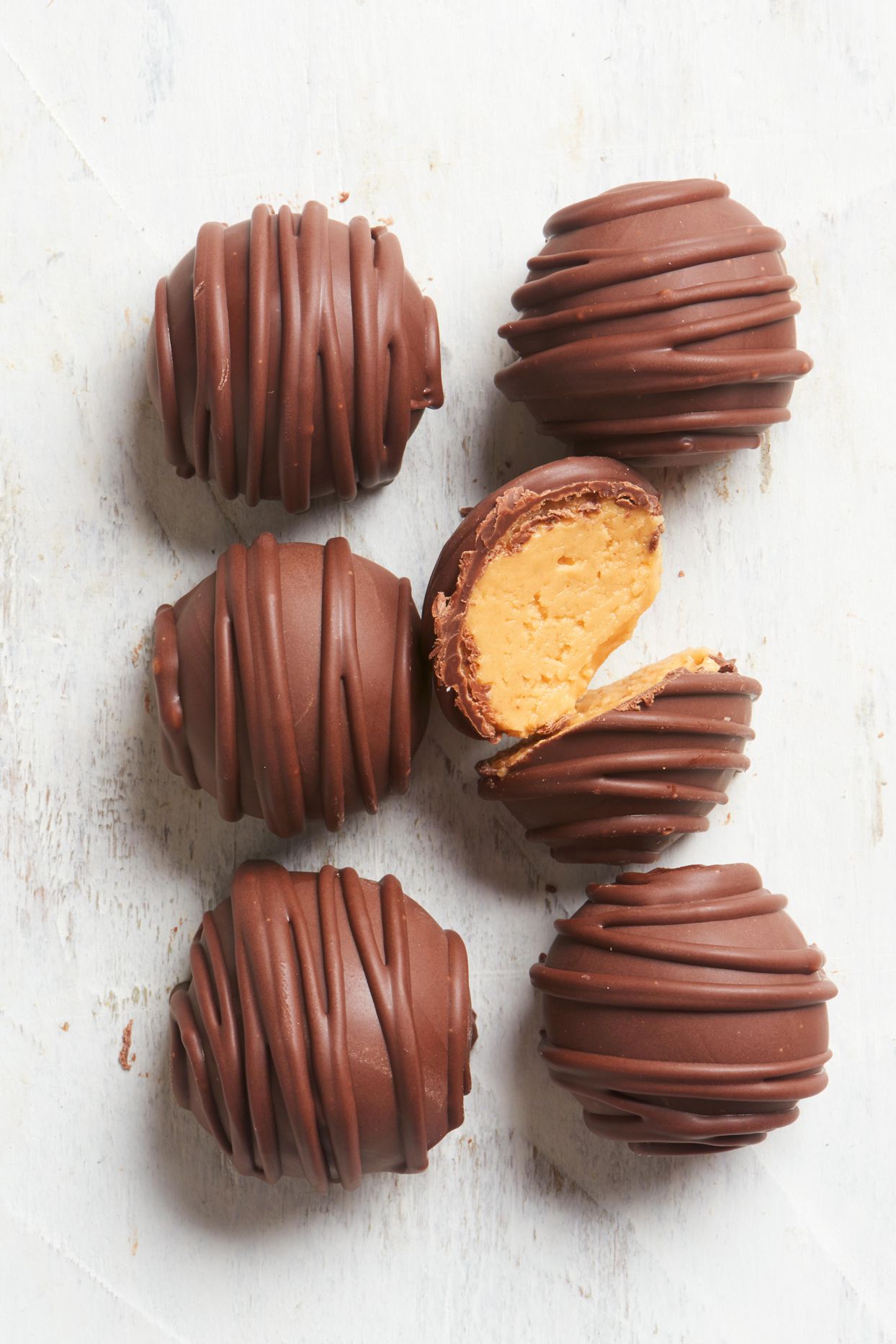
Peanut butter balls are what happens when peanut butter and chocolate decide to stop being polite,
start getting real, and become bite-size candy royalty. They’re no-bake, wildly giftable, and
dangerously easy to “taste test” five times while pretending you’re just checking the texture.
Depending on where you grew up (or who brought the dessert tray to every holiday gathering),
you might know them as chocolate-dipped peanut butter balls, buckeye candy
(the Ohio-famous version that leaves a little peanut butter showing), or even “those Reese’s-like things
that disappear before the coffee finishes brewing.”
What Are Peanut Butter Balls, Exactly?
At their core, peanut butter balls are a sweet peanut-butter filling rolled into balls and coated in
melted chocolate (or candy coating). The classic filling is usually made from peanut butter + butter + powdered sugar,
often with vanilla and a pinch of salt to keep things from tasting like pure sweetness.
Some versions add texturethink crushed graham crackers, crisp rice cereal, or even oatsso every bite has
a little personality.
The most iconic variation is the buckeye: the peanut butter ball gets dipped in chocolate
only partway, leaving a “peanut butter eye” that resembles the nut of Ohio’s buckeye tree. It’s candy with a costume,
and honestly? The costume works.
Why People Love Them (Besides the Obvious Chocolate Situation)
- No oven required: Your kitchen stays cool, and your schedule stays sane.
- Beginner-friendly: If you can stir and roll, you can make peanut butter balls.
- Perfect for parties: They’re neat, portable, and easy to serve on a cookie platter.
- Customizable: Crunchy, creamy, salty-sweet, fancy dark chocolate, sprinkleschoose your adventure.
- Make-ahead magic: They chill well and freeze even better.
The Classic Peanut Butter Balls Recipe (Chocolate-Dipped)
This is the “everybody’s happy” version: a creamy peanut butter center, firm enough to dip, coated in chocolate that sets up
with a nice snap. It’s inspired by the most common ratios used in classic American recipes (including buckeye-style methods),
with practical tweaks so it works reliably in real kitchens.
Ingredients (Makes about 30–40 balls, depending on size)
- 1 cup creamy peanut butter (see tips below if using natural)
- 4–6 tablespoons unsalted butter, softened (or gently melted and cooled)
- 2 1/2 to 3 cups powdered sugar, plus more if needed for firmness
- 1 teaspoon vanilla extract
- 1/4 teaspoon fine salt (skip or reduce if your peanut butter is very salty)
- 8–12 ounces semisweet or dark chocolate, chopped or chips
- 1–2 teaspoons neutral oil or shortening (optional, helps chocolate dip smoother)
Optional texture boosters (choose one): 3/4 cup graham cracker crumbs or 2 cups crisp rice cereal (light crunch) or
3/4 cup finely chopped roasted peanuts.
Step-by-Step
-
Mix the filling: In a large bowl, beat peanut butter and butter until smooth.
Add vanilla and salt. Gradually mix in powdered sugar until the mixture becomes a thick, moldable “dough.”
If it’s sticky or slumps, add more powdered sugar a tablespoon at a time. -
Chill for sanity: Cover and refrigerate the mixture for 20–30 minutes so it’s easier to roll.
(If your kitchen is warm, don’t skip this. Chocolate can sense fear.) -
Roll: Scoop and roll into 1-inch balls. Place on a parchment-lined baking sheet.
Chill again for at least 30 minutes, or freeze 10–15 minutes, until firm. -
Melt chocolate: Melt chocolate gently (microwave in short bursts, stirring often, or use a double boiler).
Stir in a little oil/shortening if you want a thinner, smoother dip. -
Dip: Use a fork or dipping tool to lower each ball into chocolate, tap off excess, and return to parchment.
For buckeyes, insert a toothpick and dip only 3/4 of the way, leaving a circle of peanut butter visible. - Set: Refrigerate until the coating is firm (20–30 minutes). Then move to an airtight container.
Quick “Buckeye” Trick (So They Look Like the Real Deal)
After dipping with a toothpick, you’ll have a tiny hole at the top. The classic move:
gently smooth it over with a fingertip, or dab on a dot of melted chocolate like edible spackle.
Nobody needs to know. Your secret is safe with the cookie platter.
Ingredient Choices That Actually Matter
Peanut Butter: Natural vs. Conventional
Conventional creamy peanut butter (the kind that stays smoothly blended) is the easiest for peanut butter balls,
because it’s stable and less oily. Natural peanut butter can work, but it often makes the filling softer and a bit greasy.
If you use natural peanut butter, stir it extremely well and expect to add extra powdered sugar (and extra chill time).
Powdered Sugar: Structure, Not Just Sweetness
Powdered sugar isn’t only for sweetnessit’s the main “firming” ingredient. If your dough won’t hold a ball shape,
it’s usually because it needs more powdered sugar or it needs to get colder. Often both.
Chocolate Coating: Chips, Bars, or Candy Coating?
You have three solid options:
- Chocolate chips: easy and accessible, but sometimes thicker when melted.
- Chopped baking bars: melt smoother, often taste richer.
- Candy coating/almond bark: melts easily and sets firm without tempering (great for beginners).
If you’re using real chocolate and want that shiny, crisp finish, you can temper itbut you don’t have to.
A small amount of oil/shortening can make dipping easier and reduce “too-thick coat” problems.
Flavor Variations (Because Peanut Butter Deserves Options)
1) Crunchy Peanut Butter Balls
Fold in crisp rice cereal for a light crunch, or use chopped peanuts for a more “candy shop” vibe.
This version feels extra snackablelike your peanut butter ball learned how to texturize.
2) Graham Cracker “Truffle” Style
Add graham cracker crumbs to the filling for a slightly crumbly, cheesecake-adjacent texture.
It tastes like a peanut butter pie decided to become handheld.
3) Dark Chocolate + Flaky Salt
Dip in dark chocolate and sprinkle with flaky salt while the coating is still wet. The salt hits first,
the chocolate follows, and the peanut butter shows up like, “Hello, yes, I live here.”
4) Holiday “Snowball” Version
Use white candy coating and top with crushed peppermint, festive sprinkles, or a drizzle of dark chocolate.
They look like winter. They taste like “one more won’t hurt.”
5) The “Snack Energy Ball” Cousin (Less Candy, More Daytime)
Not every peanut butter ball needs a chocolate tuxedo. A popular modern variation uses oats, peanut butter,
honey/maple syrup, and add-ins like chia/flax and mini chocolate chips. These are great for lunchboxes and
mid-afternoon hungerstill sweet, but more snack than dessert.
Troubleshooting: When Peanut Butter Balls Get Dramatic
- My dough is too sticky to roll.
-
Chill it 20–30 minutes. If it’s still sticky, add powdered sugar a little at a time until it’s firm.
Natural peanut butter usually needs more sugar and chill time. - My balls crack after dipping.
-
This can happen if the centers are too cold and the chocolate is warm, causing quick temperature shock.
Let the balls sit at room temp for 5 minutes before dipping, and melt chocolate gently. - The chocolate coating is thick and gloppy.
-
Use chopped bars (often smoother than chips), keep heat low, and consider stirring in a small amount of oil/shortening
to thin it for dipping. - My chocolate looks streaky or dull.
-
That can be bloom (fat or sugar bloom) from temperature changes. It’s harmless but less shiny.
Store at consistent cool temperatures, and avoid repeated fridge-to-room-temp cycles. - They taste too sweet.
-
Add a pinch more salt, switch to dark chocolate, or use slightly less powdered sugar and add a dry “structure” ingredient
like graham crumbs or crisp rice cereal to balance the sweetness.
Storage, Freezing, and Make-Ahead Tips
- Refrigerator: Store in an airtight container for about a week for best flavor and texture.
- Freezer: Freeze in a sealed container (with parchment between layers) for about a month. Thaw in the fridge for best results.
- Make-ahead strategy: Roll the centers and freeze them on a tray, then dip later. This helps during busy holiday weeks.
Tip: If you’re gifting, place them in mini candy cups so the chocolate stays pretty and your presentation says,
“I absolutely have my life together,” even if your sink says otherwise.
Serving Ideas (AKA: How to Make Them Feel Fancy)
- Arrange on a platter with cookies and brownies for the ultimate dessert board.
- Serve with coffee or hot chocolatepeanut butter and caffeine are extremely compatible roommates.
- Package in small boxes with parchment and a ribbon for easy holiday gifts.
- Make a “buckeye bar”: offer toppings like crushed pretzels, flaky salt, sprinkles, or chopped nuts to decorate freshly dipped balls.
FAQ: Peanut Butter Balls Edition
Can I make peanut butter balls without butter?
Yes, but butter helps with richness and texture. If you skip it, you may need a bit more peanut butter and/or a little
extra powdered sugar to keep the centers firm. Expect a slightly different mouthfeelstill good, just less “candy shop.”
Do I have to refrigerate them?
For best texture and food quality, yesespecially if your filling is soft. They can sit out for serving, but long-term
storage is best chilled.
What’s the best chocolate for dipping?
Use what you love to eat. Semisweet is classic, dark chocolate adds balance, and candy coating is the easiest
for a smooth finish with minimal fuss.
Are buckeyes the same as peanut butter balls?
Buckeyes are a style of peanut butter ballspecifically, partially dipped so a circle of peanut butter shows.
Same family, different outfit.
Real-World Peanut Butter Ball Experiences (The 500-Word “Yes, This Is a Thing” Add-On)
If you’ve ever wandered into an American holiday party, church potluck, cookie swap, or office “we’re totally being productive”
dessert table, you’ve probably seen peanut butter balls doing what they do best: disappearing quietly while everyone pretends
it was “just one.” They’re a classic because they fit into real life with almost suspicious ease. No baking schedule. No
fragile layers. No frosting drama. Just mix, roll, dip, chill, and watch people develop sudden optimism about “starting fresh
on Monday.”
One of the most common experiences people report is the “batch escalation effect.” You start with a reasonable amountone tray,
maybe twoand then someone tastes one, declares them “basically homemade peanut butter cups,” and suddenly you’re making a second
batch because the first batch has become “sampling.” Families that make buckeyes every year often end up doubling (or quadrupling)
because they’re so popular, especially around the winter holidays when snack traffic is at its highest. And the best part? They
scale well. The hardest part of making more is finding enough fridge space to chill them without balancing trays like a culinary
game of Jenga.
Another very real peanut butter ball moment: making them with kids (or anyone who enjoys rolling dough into perfect little spheres).
Rolling is the fun parttiny hands love it, and adults mysteriously love it too, especially if there’s music playing and no one is
asking them to answer emails. The “dip” step is where grown-ups usually take over, because melted chocolate is a wonderful thing,
but it’s also a lesson in physics. Too warm and it runs. Too cool and it clumps. Either way, the first few dipped balls are often
the “ugly ones” that become the official kitchen snacks. This is tradition. Do not fight it.
Peanut butter balls also show up in regional pride, especially in Ohio, where buckeyes are a beloved treat tied to the state’s name
and even sports culture. You’ll find them at tailgates and game-day spreads because they’re portable, sturdy, and basically engineered
for sharing. And honestly, that’s the secret of their staying power: peanut butter balls are communal candy. They’re the kind of treat
people make to bring somewherethen watch everyone else smile while they eat them. They’re not just dessert; they’re a tiny edible
“I’m glad you’re here.”
The final experience is the one nobody talks about until it happens: the freezer discovery. You make a batch, stash a container
“for later,” and then a few weeks later you remember it exists. Frozen peanut butter balls thaw beautifully, and that first surprise
bite feels like winning a small lotteryone paid out in chocolate and peanut butter. Which, frankly, is the only currency that really
matters in February.