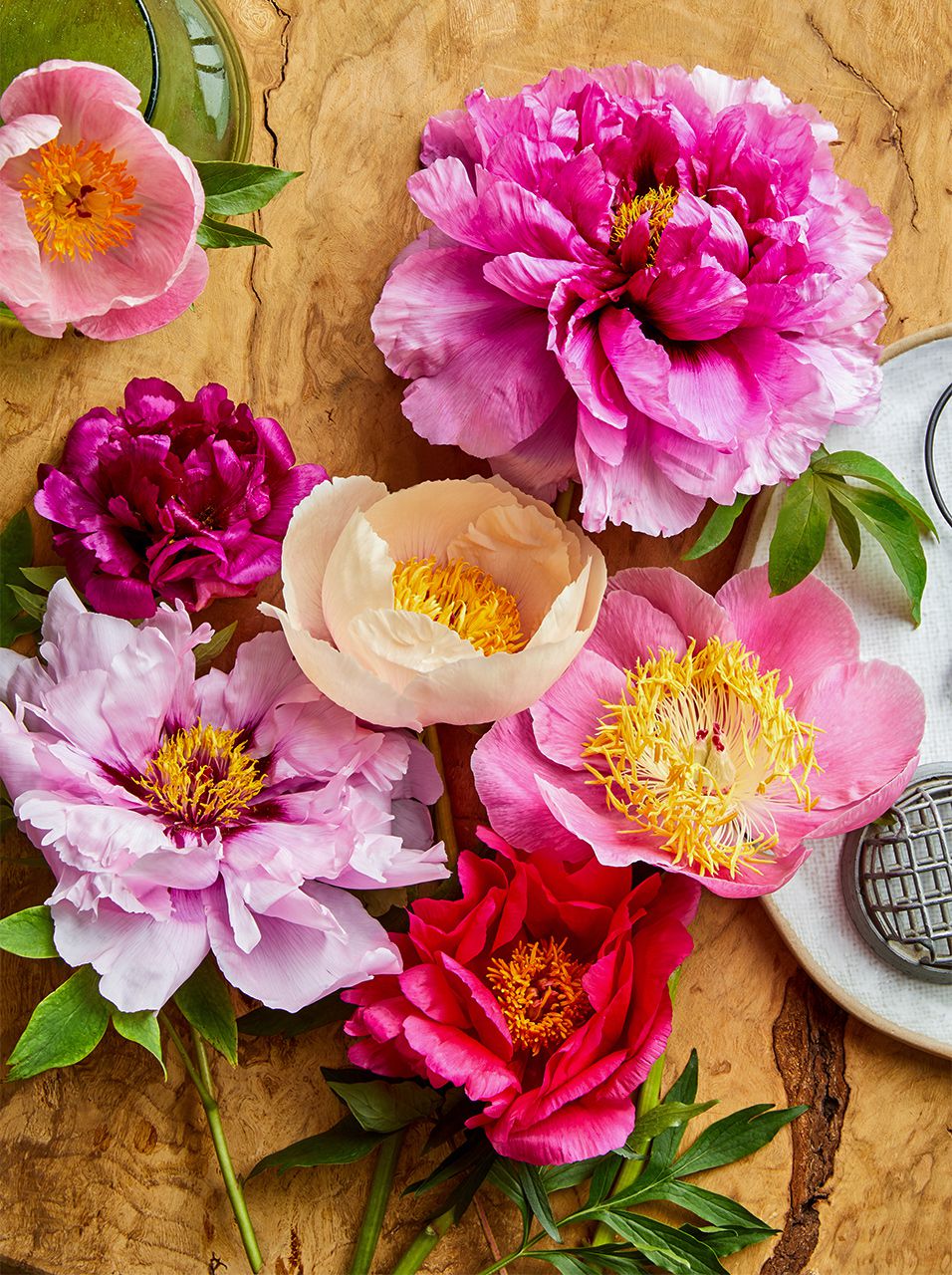
Peonies are the kind of plant that makes you feel like a gardening genius… right up until they refuse to bloom and
you start bargaining with the weather. The good news: peonies aren’t complicatedthey’re just particular.
Nail a few fundamentals (especially planting depth and drainage), and you can have decades of fragrant, ruffled,
“did you buy those?” flowers with surprisingly little fuss.
This guide covers peony care basics for beginners and seasoned gardeners alike: where to plant, how deep to plant,
watering and feeding, pruning, staking, dividing, and how to troubleshoot the most common peony problemswithout
turning your flower bed into a full-time job.
Peonies 101: What You’re Growing (and Why It Matters)
“Peony” can mean a few different plants, and the care overlapsbut the details can change depending on what’s in your
yard. Knowing your type helps you prune correctly, plant at the right depth, and set realistic bloom expectations.
Herbaceous peonies (classic garden peonies)
These die back to the ground each winter and return in spring. They’re the familiar big spring blooms most people
picture. They’re also the most sensitive to planting depthtoo deep, and you’ll get leaves but no flowers.
Tree peonies
These are woody shrubs that keep their structure year-round. They’re pruned differently and are usually planted so
the graft union is below the soil line (more on that later).
Intersectional (Itoh) peonies
These are hybrids that combine traits of tree and herbaceous peonies. They generally die back like herbaceous types,
but can be sturdier with a longer bloom window. Care is similar to herbaceous peonies, with a few pruning nuances.
Site Selection: Sun, Space, and “Don’t Make Me Move Again” Planning
Peonies are famously long-lived and do best when they can settle in for the long haul. Translation: choose the spot
like you’re picking a forever home, not a short-term rental.
Light: aim for full sun (with a little grace in hot climates)
- Best: 6+ hours of sun for strong stems and lots of blooms.
- Hot-summer areas: light afternoon shade can reduce stress and help flowers last longer.
Airflow and spacing: prevent disease and flopping
Crowded peonies stay damp longer after rain or watering, which encourages fungal issues. Give each plant room to
breathe: think roughly 3–4 feet between plants, depending on variety and maturity.
Soil drainage: peonies hate wet feet
If your soil stays soggy, peonies can rot or struggle for years. If you’re unsure, do a simple test: dig a hole about
12 inches deep, fill it with water, and see how long it takes to drain. If it’s still holding water hours later, you’ll
want to amend, raise the bed, or choose a better spot.
Planting Peonies: The #1 Rule Is Depth (Yes, Really)
If peonies had a dating profile, it would say: “Looking for a committed relationship. Also, don’t bury me.”
Planting depth is the most common reason herbaceous peonies fail to bloom.
When to plant
Fall is often ideal for planting and transplanting because the plant is heading into dormancy and can focus on root
establishment. In many regions, early fall (before the ground freezes) is prime time. Spring planting can work too,
especially with container plants, but expect a slower start.
How deep to plant herbaceous and Itoh peonies
Plant the “eyes” (the pinkish buds on the crown/root) about 1–2 inches below the soil surface.
Deeper than that, and you may get gorgeous foliage and zero flowersaka the botanical version of being left on read.
How deep to plant tree peonies
Many tree peonies are grafted. A common best practice is planting with the graft union below soil level so the plant
can eventually form its own roots. This improves long-term performance and stability.
Planting steps (simple, reliable, not fussy)
- Loosen the soil deeply and mix in compost if your soil is poor or heavy.
- Set the root so the eyes are oriented upward at the correct depth.
- Backfill, firm gently, and water thoroughly to settle soil around roots.
- Mulch lightly for winter protection in cold areasbut don’t bury the crown under a mountain of mulch.
Watering: Deep, Infrequent, and Focused on Establishment
Peonies aren’t thirsty divas once established, but they do appreciate consistent moisture while they’re building a
strong root systemespecially in their first year and during dry spells.
General watering rhythm
- First season: water regularly so the soil stays evenly moist (not saturated).
- Established plants: water deeply during dry stretches, especially in spring and early summer.
- Avoid: frequent light sprinkles that only wet the surface and encourage shallow roots.
Helpful tip: water the soil, not the leaves
Overhead watering can increase leaf disease risk. If you can, use drip irrigation or water at the base in the morning
so any splashed foliage dries quickly.
Fertilizing and Soil Health: Feed the Roots, Not the Ego
With peonies, more fertilizer is not more flowers. Too much nitrogen can lead to lush greenery and disappointing blooms.
The goal is steady, balanced growth.
What peonies like
- Compost or well-rotted organic matter mixed into soil at planting.
- A light spring feeding if your soil is lean, or if blooming has declined.
- Good soil structure and drainage more than constant “meals.”
Easy feeding plan (no chemistry degree required)
In early spring as shoots emerge, apply compost around the plant (not directly on the crown) or use a modest amount of a
balanced, slow-release fertilizer. Avoid piling fertilizer against the stems and skip heavy mid-summer feeding.
Staking: How to Keep Blooms Upright (Without a Flower Faceplant)
Many peonies produce enormous blooms that can flop after rainespecially double varieties. Staking isn’t a failure; it’s
basic engineering.
Best timing
Stake earlywhen stems are 8–12 inches tallso supports disappear into the foliage later.
Support options
- Peony rings/grids: classic, easy, and tidy.
- Bamboo and soft ties: flexible for odd shapes or windy sites.
- “Grow-through” supports: blend well and prevent storm-season drama.
Deadheading and Pruning: What to Cut, What to Leave, and When
Pruning is where peonies test your patience. After flowering, it’s tempting to “tidy up.” Resist the urge to give them a
summer buzzcut. Those leaves are solar panels storing energy for next year’s bloom.
Deadheading after bloom
Snip off spent flowers to keep the plant neat and to redirect energy away from seed production. Make the cut just above
a strong leaf.
When to cut back herbaceous peonies
For herbaceous and many Itoh peonies, cut stems back in fall after foliage yellows or after a hard frost. Remove and
discard old foliage to reduce disease carryover.
Tree peony pruning basics
Tree peonies need minimal pruning. Remove dead wood and spent flowers, and shape lightly if needed. Avoid cutting them
down like herbaceous peoniesdifferent plant, different rules.
Dividing and Transplanting: The “Do This Rarely” Maintenance Task
Most peonies can live for decades without division, but sometimes you need to move them (construction, shade creep,
overcrowding) or want to propagate a favorite plant.
Best time to divide peonies
Late summer into early fall is commonly recommended so divisions can root before winter.
How to divide (the practical version)
- Cut stems down (for herbaceous types) and dig up the clump carefully, keeping as many roots as possible.
- Rinse or shake off soil so you can see the eyes clearly.
- Divide into sections with 3–5 eyes and a healthy root system.
- Replant immediately at the correct depth, water well, and mulch lightly for winter.
Set expectations: peonies can be politely slow
After transplanting or dividing, peonies may take a couple of seasons to return to peak bloom. This is normal. Think of
it as the plant unpacking boxes, rearranging furniture, and then finally deciding it’s ready to host guests.
Common Peony Problems (and How to Fix Them Without Panic-Googling)
1) “My peony has tons of leaves but no flowers.”
- Most likely: planted too deep. Lift and replant at the correct depth.
- Also possible: too much shade, too much nitrogen, or a recent move/division.
2) Buds form but turn brown or fail to open
This can happen from late frosts, drought stress, or fungal issues like botrytis. Improve airflow, avoid overhead
watering, remove affected parts, and keep the area clean in fall.
3) Gray, fuzzy mold on stems or buds (botrytis blight)
Botrytis thrives in cool, damp conditions. Remove infected tissue promptly, clean up plant debris, and space plants for
airflow. Sanitation is a huge part of control.
4) Powdery mildew or leaf spots
Many late-season leaf issues are mostly cosmetic, but heavy infections can weaken plants over time. Improve airflow,
water at the base, and remove diseased foliage at season’s end. If mildew is severe, pruning the worst foliage late in
the season can help reduce stress.
5) Ants on peony buds
Ants are attracted to the sugary nectar on buds. They don’t “need” ants to open, and ants usually don’t harm the plant.
If you’re cutting flowers for indoors and don’t want surprise guests, rinse blooms gently or dunk briefly in water and
shake dry.
Cutting Peonies for Bouquets: More Vase Life, Less Heartbreak
If you want peonies indoors, timing matters. Cut too tight and they may never open; cut too open and they’ll drop petals
like confetti by tomorrow afternoon.
The sweet spot
Harvest when buds feel like a soft marshmallowcolored and slightly yielding, but not fully open.
Make them last
- Cut in the morning, place stems in clean water immediately, and keep out of direct sun.
- Remove leaves that would sit below the water line.
- Change vase water every couple of days and re-trim stems slightly.
Real-World “Peony Parenting” Experiences: Lessons Gardeners Learn the Funny Way (500+ Words)
Peony care basics sound straightforward on paper. In actual gardens, peonies teach the same lessons the way life does:
with enthusiasm, repetition, and the occasional “Are you kidding me?” moment. Here are the experiences many gardeners
recognizeplus what to do about them.
The Great Planting Depth Mystery
A classic scenario: you plant a bare-root peony, it grows like it’s training for a leaf Olympics, and then… no blooms.
You water. You whisper encouragement. You glare at it. Eventually you learn the unglamorous truth: it’s planted too deep.
The fix is simple but emotionally annoyinglifting and replanting at the right depth. Gardeners often say it feels like
admitting defeat, but once the crown is set properly, the plant frequently rewards you with blooms the following season
(or at least stops pretending it’s a decorative shrub).
Storms, Flopping Flowers, and the “Why Didn’t I Stake Earlier?” Regret
Peony blooms can be huge and heavy, which is delightful until a spring rain arrives. One day your plant looks like a
wedding centerpiece; the next day it looks like it fainted dramatically onto the mulch. Most gardeners eventually have
a “never again” moment and start staking early in spring. The funny part is how invisible supports become once foliage
fills inmeaning the best staking is the kind you stop noticing. A ring or grid support set early is the difference
between upright blooms and a muddy petal tragedy.
The Ant Panic (and the Calm After the Myth)
Few garden myths have legs like “peonies need ants to open.” It’s the kind of advice passed along with total confidence
at backyard fence lines. Many gardeners spend their first peony season wondering whether to evict ants, invite them for
rent, or negotiate a contract. Then you learn ants are just there for sugary nectar, and the plant does not require an
insect assistant to do its job. The real pro move: if you’re bringing blooms indoors, rinse them or gently dunk to
remove hitchhikersno drama, no pesticides, no tiny ant committee meeting in your kitchen.
The “I Cleaned Up Too Early” Bloom Budget Cut
Another common experience is cutting back peony foliage right after flowering because it “looks messy.” The plant, which
was quietly making next year’s bloom fuel, responds by… not blooming as well. Gardeners learn to treat peony leaves like
important infrastructure: not glamorous, but critical. A better approach is cosmetic deadheading after bloom, then
leaving foliage to photosynthesize all summer. If mildew shows up, gardeners often improve airflow and watering habits,
and then do a thorough fall cleanup once frost arrives.
The Patience Test After Dividing
Dividing peonies is a rite of passage. You dig up a big, gnarly clump that looks like it’s been lifting weights. You
divide it into pieces with perfect eyes and roots. You replant and imagine next spring will be a flower festival.
Reality: peonies often take time after division. The gardener experience here is learning to celebrate “quiet wins”healthy
shoots, sturdy stems, and gradual improvementrather than expecting instant bouquets. The upside is huge: once established,
a well-sited peony can bloom reliably for years and become a true pass-along plant.
If peonies teach one overarching lesson, it’s this: the plant is not high-maintenanceit’s high-reward for
getting the basics right. Plant shallow, keep soil well-drained, give sun and space, support blooms early,
and practice fall cleanup. Do that, and peonies will do what they do best: show off like they paid rent in your garden.
Conclusion: Your Peony Care Basics Checklist
- Sun + airflow: full sun is best; give plants space to reduce disease.
- Drainage: amend heavy soil or raise the bedavoid soggy sites.
- Planting depth: eyes 1–2 inches below soil (herbaceous/Itoh); graft union below soil (tree peony).
- Water smart: deep watering during establishment and drought; avoid wet foliage.
- Feed lightly: compost and modest balanced fertilizer; don’t overdo nitrogen.
- Prune right: deadhead after bloom; cut back herbaceous peonies after frost.
- Divide rarely: do it in late summer/early fall; expect a rebound period.