Getting a tattoo feels simple when you’re staring at a gorgeous design on Instagram and thinking, “Yep, that will absolutely still represent me when I’m 47 and shopping for lawn fertilizer.” Then reality enters the chat. Suddenly, you’re learning about placement, healing, artist style, swelling, sun exposure, touch-ups, and the awkward moment when you realize a “small tattoo” can somehow cost the same as a weekend getaway.
That does not mean getting inked is a bad idea. Far from it. Tattoos can be beautiful, deeply personal, funny, meaningful, or gloriously random. But plenty of people say they wish they had known a few things before sitting in the chair for the first time. Some lessons are practical. Some are expensive. Some are mildly humbling. And some would have saved them from texting, “Is this much peeling normal?” to three friends and one cousin at 2 a.m.
This guide pulls together the most common tattoo truths people wish they understood earlier, blending real-world first-timer wisdom with health and aftercare guidance. If you are thinking about getting your first tattoo, or your fifth, these are the lessons worth keeping in your back pocket before the needle starts buzzing.
Why So Many People Are Surprised After Their First Tattoo
A tattoo is part art, part body modification, part long-term commitment, and part healing project. That combination catches many people off guard. They spend weeks choosing the design and about six seconds thinking about what happens after they leave the studio. The result? Surprise pain, surprise cost, surprise itching, surprise fading, and surprise realization that tattoos do not behave like stickers with a superior attitude.
The good news is that most tattoo regrets are preventable. In many cases, people do not regret getting tattooed at all. They regret rushing the design, underestimating aftercare, choosing the wrong artist, picking a trendy placement without considering how it will age, or assuming removal would be quick and easy. A little planning saves a lot of future sighing.
50 Things People Really Wish They Knew Before Getting Inked
Before You Book the Appointment
- Not every great artist is great at every style. Someone who creates incredible traditional work may not be the right person for fine-line florals, realism, or lettering. Style fit matters almost as much as talent.
- The cheapest quote is often the most expensive decision. A bargain tattoo can lead to uneven linework, blowouts, patchy shading, or costly cover-ups later. “Affordable” and “suspiciously cheap” are not the same thing.
- Portfolio stalking is not rude. It is responsible. Look for healed work, clean lines, consistent saturation, and tattoos on real skin, not just perfectly edited studio photos.
- Placement changes everything. The same design can look elegant on one part of the body and cramped on another. Curves, movement, skin texture, and visibility all affect the result.
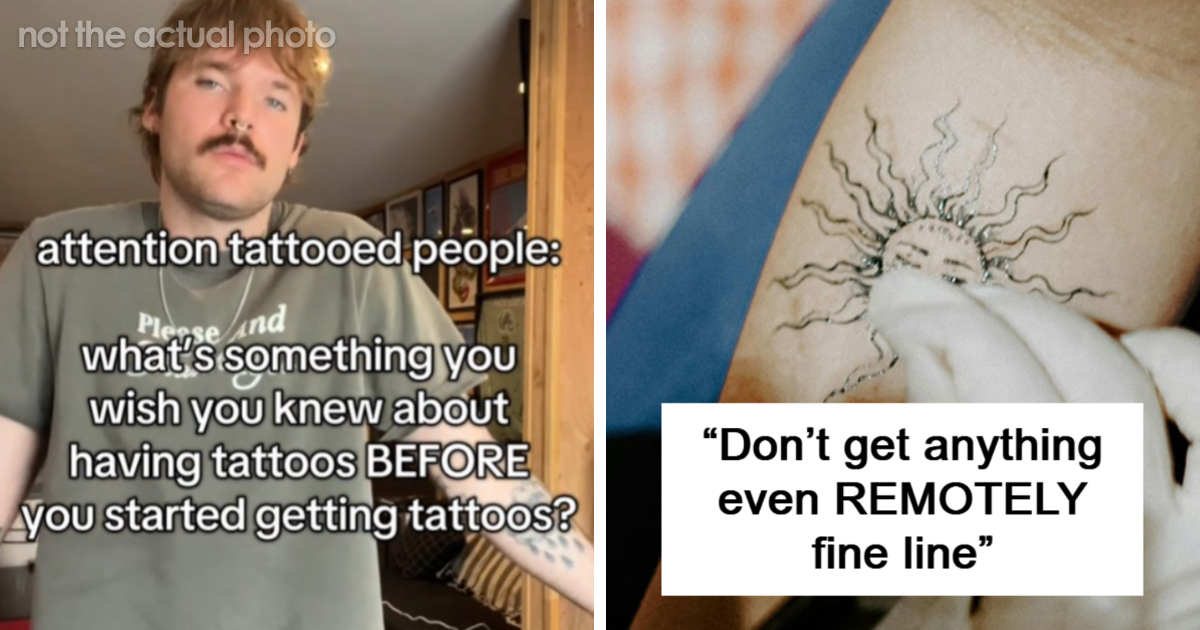
- Small tattoos are not always easier tattoos. Tiny designs can age poorly if they are too detailed. Those adorable micro-elements may blur together over time.
- Lettering needs extra caution. A beautiful font on a screen can become mushy on skin if it is too thin, too tight, or too small. If a word matters, readability matters too.
- Tattoo trends move faster than tattoo regret. What looks fun this year may feel random next year. Trendy does not automatically mean bad, but it does deserve a pause.
- You should think about how the tattoo fits your future body art. Even if you only plan one piece, many people later wish they had left room for a larger composition or better flow.
- Not all skin areas heal the same way. Hands, feet, fingers, ribs, and areas with more friction can be trickier. Some placements fade faster or need touch-ups sooner.
- If you are unsure, waiting is free. Rushing a tattoo because you want one now is like marrying the first sofa you see in a showroom. Strong emotions are not always great designers.
What People Wish They Knew About Pain
- Pain varies wildly by placement. A shoulder tattoo and a rib tattoo do not belong in the same conversation. Areas near bone, thinner skin, or lots of nerve endings usually feel more intense.
- The outline and the shading can feel totally different. Some people handle one phase just fine and loathe the other. Tattoo pain is less “one sensation” and more a collection of annoyances.
- Long sessions become mental, not just physical. Even if the pain is manageable, staying still for hours is tiring. Hunger, stress, and bad sleep can make everything feel worse.
- Eating before the appointment is not optional. People often learn this the hard way. Showing up hungry, dehydrated, or shaky is a terrible strategy for sitting through needles.
- Alcohol beforehand is not a smart bravery plan. It can make the experience worse, increase bleeding, and leave you feeling less steady in the chair.
- Adrenaline is real, but so is the crash. Some people feel weirdly powerful during the tattoo and absolutely useless afterward. Plan for a quiet rest-of-day, not a victory lap.
- Your pain tolerance can change depending on the day. Stress, hormones, illness, sleep, and even your mood can shift how a tattoo feels.
- The “it’ll only take an hour” estimate can be wildly optimistic. Breaks, body movement, stencil adjustments, and skin response all add time.
- Numbing options are not one-size-fits-all. Some artists allow specific products, some do not, and some placements still hurt despite them. Ask first rather than improvising.
- Getting tattooed is not proof of toughness. You do not win extra points for suffering theatrically. Bring water, speak up if you need a break, and retire the hero routine.
The Healing Stage: Where Expectations Meet Reality
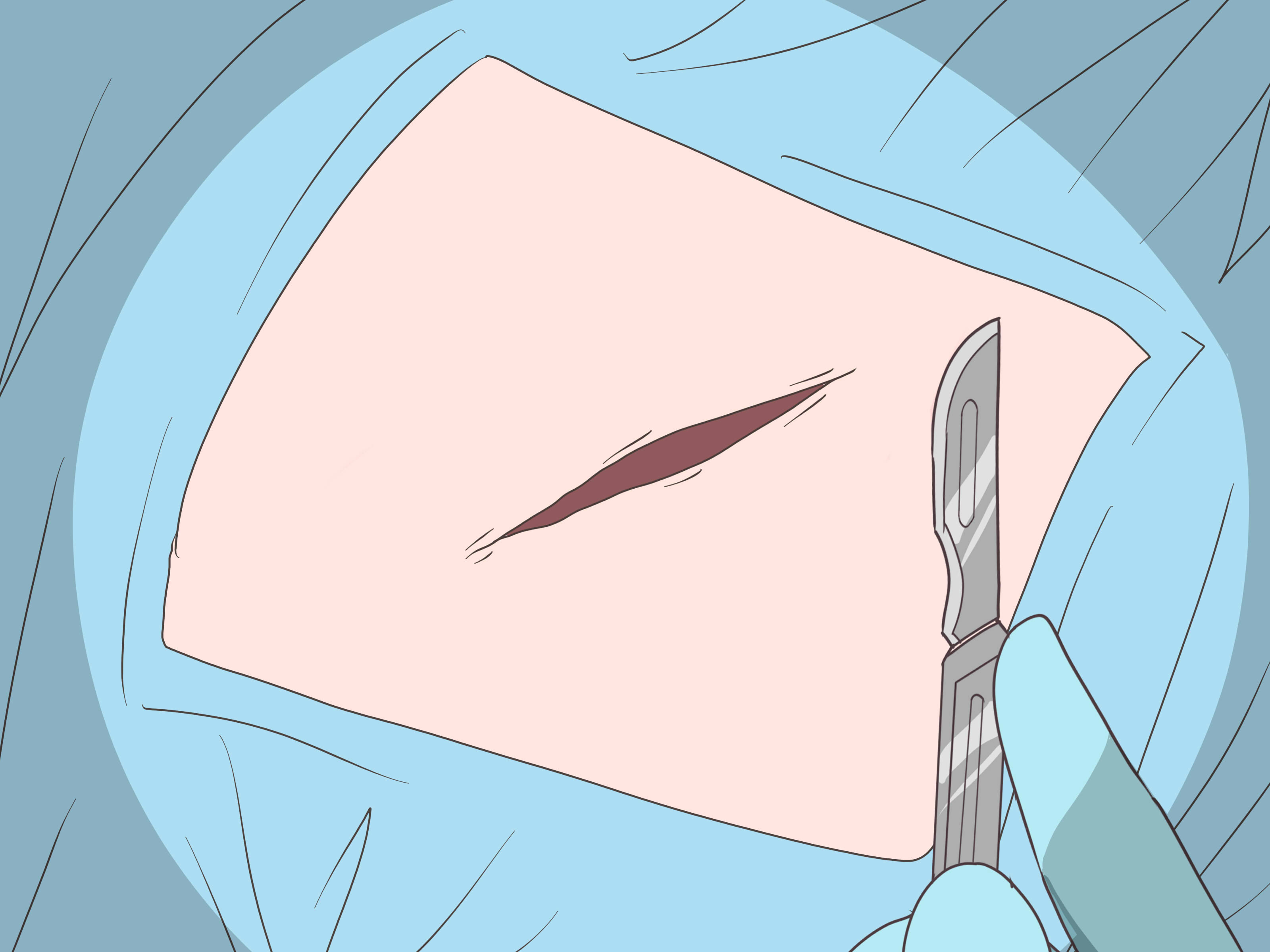
- A fresh tattoo is a wound. It is art, yes, but it is also healing skin. That mindset helps people take aftercare more seriously from day one.
- It can look healed before it is actually fully healed. The surface may calm down long before the deeper layers are done recovering. “Looks fine” is not the same as “done healing.”
- Peeling is normal. So is itching. What is not helpful is treating your arm like a scratch-off ticket. Picking at flakes and scabs can affect healing and color.
- Too much moisture can be as annoying as too little. People often either over-lotion the tattoo into a shiny swamp or forget moisturizer entirely. Balance matters.
- Swimming and soaking are temporary enemies. Fresh tattoos do not want hot tubs, pools, or long baths. Your new ink is not ready for a spa weekend.
- Tight clothing can irritate the area. Friction is not your friend when skin is healing. A great tattoo can have a miserable first week under the wrong fabric.
- Sun is a tattoo’s long-term frenemy. Fresh tattoos should be protected carefully, and healed tattoos still need sunscreen if you want the ink to stay crisp and vibrant.
- Healing can be messier than expected. A little oozing, tenderness, flaking, and sensitivity are common early on. That does not mean you need to panic at every wrinkle.
- But actual warning signs should not be ignored. Worsening redness, unusual swelling, pus, fever, or increasing pain are not things to “just monitor forever.”
- Aftercare advice from random strangers is not always gold. Your artist’s instructions and reliable medical guidance beat a cousin’s “secret healing hack” every time.
The Long-Term Stuff No One Talks About Enough
- Tattoos change as your skin changes. Weight fluctuation, aging, sun exposure, and normal skin texture shifts can alter how a tattoo looks over time.
- Fine details may soften. Skin is not paper. Very tiny stars, delicate script, and micro-illustrations may not stay razor-sharp forever.
- Touch-ups are part of the conversation. Some tattoos settle beautifully. Others need a little maintenance, especially in difficult placements or delicate styles.
- Color choices matter. Some shades hold differently, and some people learn later that certain colors can be more finicky for their skin than expected.
- Red ink gets mentioned a lot for a reason. Some people are more prone to irritation or allergic reactions with certain pigments, and that possibility is worth discussing beforehand.
- You should not tattoo over something a doctor may need to watch. If you have a mole or a skin spot that concerns you, have it checked before you turn it into “part of the design.”
- Tattoo visibility affects your life more than people admit. Jobs, family events, weddings, professional photos, and plain old personal mood can all influence how you feel about placement later.
- Compliments are not the whole experience. Yes, people may love your tattoo. They may also ask wildly personal questions, touch without asking, or misread the meaning completely.
- Tattoo regret does not always mean you hate the tattoo. Sometimes you outgrow the style, the symbolism, the artist choice, or the timing. Regret can be subtle, not dramatic.
- Removal is not a magical undo button. It can take multiple sessions, cost real money, and may still leave changes in the skin. “I’ll just laser it off later” is not a plan. It is a fantasy with a payment schedule.
Health, Safety, and Practical Reality Checks
- Shop cleanliness is not a bonus feature. Sterile equipment, fresh gloves, safe ink handling, and professional hygiene are basic requirements, not luxury add-ons.
- Contaminated ink is a real concern. People are often surprised to learn that problems do not only come from dirty needles. Ink quality and handling matter too.
- Medical conditions and medications can affect the process. Skin issues, healing challenges, and certain treatments are worth discussing with a qualified professional before booking.
- Allergic reactions can show up later. Some people assume a tattoo problem would appear immediately, but irritation and sensitivity can happen well after the appointment.
- MRI-related irritation is a real thing for some people. It is uncommon, but tattoos can occasionally cause swelling or burning sensations during imaging, which surprises first-timers.
- Blood donation rules may be affected for a while. Depending on where and how the tattoo was done, some blood centers have waiting periods. That matters more than people expect.
- Do not copy someone else’s tattoo too literally. Beyond etiquette, a design that looked perfect on their body may look awkward on yours. Inspiration is fine. Cloning is lazy.
- A consultation is not a waste of time. It is where smart questions get answered: sizing, placement, healing, style, price, timing, and whether the design will actually work.
- The best tattoos usually involve collaboration. People often wish they had trusted the artist more on composition, scale, and simplification instead of micromanaging every millimeter.
- The biggest lesson is usually this: getting tattooed is easy; getting tattooed well takes planning. The difference between those two experiences is everything.
What Smart First-Timers Should Do Before Getting Inked
If you want your tattoo experience to land in the “best decision ever” category instead of the “character-building mistake” category, slow down and do the boring grown-up stuff first. Research artists. Study healed tattoos. Ask about style specialization. Be honest about your pain tolerance, budget, and schedule. Pick placement with your future self in mind, not just your current mood board.
It also helps to think beyond the day of the appointment. Can you avoid intense sun exposure afterward? Do you have a trip involving beaches or pools coming up? Will tight work clothes rub the area? Are you choosing a spot that makes daily healing miserable? These tiny logistical details often matter more than the dramatic design debate.
And finally, ask questions. Good artists expect them. You are not being difficult by asking about sterilization, aftercare, touch-ups, design longevity, or whether a tiny all-caps sentence in wispy script is destined to become a blur noodle. You are being sensible. Your skin is not a rough draft.
Conclusion
The truth about tattoos is wonderfully unglamorous: the best ones usually come from patience, planning, and respect for the process. People who love their ink most often say the same things. They chose an artist whose style matched their idea. They picked placement carefully. They accepted that healing takes work. They protected the tattoo from sun. And they treated “permanent” like it meant something more serious than a trendy impulse on a random Thursday.
If there is one big takeaway from all 50 lessons, it is this: tattoos are not just about what you want on your body. They are also about how that design will live with your body. When you plan for the real-world parts, the pain, the healing, the aging, the maintenance, the cost, and the possible change of heart, you give yourself the best chance of loving your ink for years.
In other words, get the tattoo if it feels right. Just do your homework first. Future-you deserves artwork, not administrative regret.
More Real-Life Tattoo Experiences People Often Talk About
One of the most common stories people share after getting inked is how different the emotional experience feels from the imaginary one. Before the appointment, many expect a movie-scene moment: dramatic music, deep symbolism, a perfectly brave face, and instant personal transformation. In real life, the day often includes double-checking the stencil twelve times, awkwardly adjusting your arm, wondering whether you should have eaten more carbs, and trying not to sneeze while someone is tattooing your calf. It is less cinematic and more human.
Another experience people mention is the strange mix of pride and panic right after the tattoo is finished. They love it, then stare at it for an hour thinking, “Wow, that is really there.” This is especially common with first tattoos and larger pieces. The brain needs a minute to catch up with the skin. That short phase of “What have I done?” does not always mean regret. Often it just means the change is new, visible, and permanent enough to feel intense for a few days.
People also talk a lot about how healing changes their opinion of the whole process. During the first couple of days, the tattoo may look bold and exciting. Then the peeling starts, the area gets itchy, clothes brush against it in the most offensive way possible, and the owner begins treating the tattoo like a fragile houseplant with emotional needs. Later, when the surface settles, many realize that the healing stage was the least glamorous but most educational part. It taught them patience, restraint, and the importance of not taking advice from the internet’s loudest amateur.
There is also the social side. Some people are surprised by how many strangers comment on visible tattoos. Compliments are common, but so are odd questions, unsolicited opinions, and the occasional person who acts as if your forearm is a community discussion board. Others discover that family reactions can range from enthusiastic support to dramatic sighing worthy of daytime television. Getting tattooed can reveal a lot about the people around you, and sometimes that becomes part of the memory too.
Finally, many tattooed people say the biggest surprise is not pain, cost, or healing. It is how quickly tattoos become part of everyday life. After the initial excitement fades, the tattoo simply becomes you. It shows up in photos, catches the light in the mirror, and slowly stops feeling like a major event. For people who chose well, that is the best outcome of all. The tattoo does not need to shock you forever. It just needs to keep feeling right when the novelty wears off and normal life rolls on.