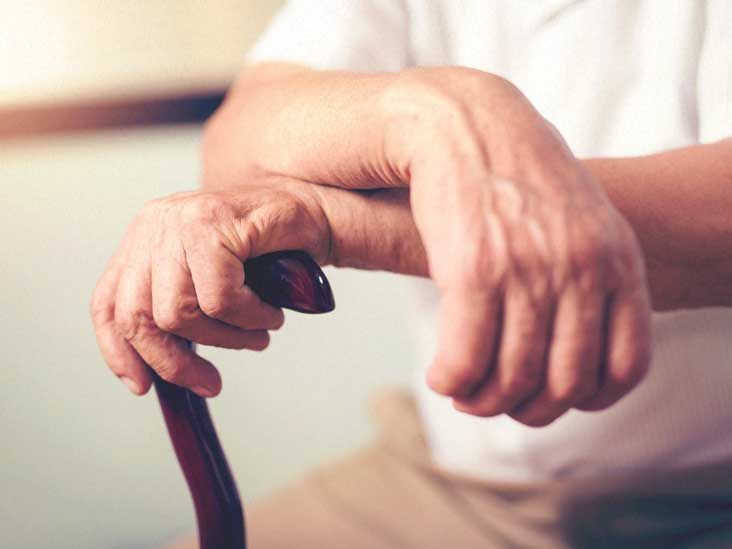
If you’ve ever noticed your thumb and index finger doing a tiny, rhythmic “I’m rolling an invisible vitamin” routine, you’ve seen the classic
pill-rolling tremora type of tremor that often gets mentioned in the same breath as Parkinson’s disease.
But here’s the twist: while pill-rolling tremor is strongly associated with Parkinson’s, the world of tremors is bigger than one diagnosis,
and the “when” and “how” of the shaking matters just as much as the shaking itself.
This guide breaks down what pill-rolling tremor is, why it happens, how it relates to rest vs motion (action) tremors,
what conditions can look similar, and what clinicians typically do to sort it all out. Along the way, you’ll get practical examples and
real-world coping ideasbecause tremors don’t happen in a textbook; they happen while you’re trying to text, sip coffee, or sign a receipt
like a functional adult.
What Is a Pill-Rolling Tremor?
A pill-rolling tremor is a rhythmic, involuntary movementusually in the handwhere the thumb and index finger move as if
they’re rolling a small object (like a pill) back and forth. It’s most famously linked with Parkinson’s disease and is commonly described as
a resting tremor, meaning it tends to show up when the hand is relaxed and supported (like in your lap), and may ease when
you intentionally move the hand.
Resting tremor vs motion (action) tremor: the “when” matters
Tremors are often classified by timing:
- Resting tremor: happens when a body part is relaxed and not being used (common in Parkinson’s).
- Action (motion) tremor: happens during movementlike reaching for a cup, writing, or holding your arms out.
A quick everyday example: if your hand shakes most while it’s resting on the couch arm, that leans “resting.” If it shakes most when you lift
a spoon to your mouth, that leans “action.”
Why Do Tremors Happen at All?
Tremor is a symptom, not a personality trait your nervous system picked up for fun. In general, tremor reflects changes in how certain brain
circuits coordinate movement and muscle control. Different tremor types are linked with different circuitsso the tremor’s pattern can give
clues about the cause.
In Parkinson’s disease, tremor is tied to changes in dopamine-related pathways and the movement networks that rely on them. That’s one reason
dopamine-focused treatments (like levodopa) can reduce Parkinson’s symptoms, including tremor, in many people.
Pill-Rolling Tremor and Parkinson’s Disease: The Classic Connection
Parkinson’s disease is a progressive neurological condition best known for movement symptoms. Tremor is commonoften starting on one sideand
the pill-rolling pattern is one of the most recognizable descriptions. Tremor can also be more noticeable under stress and may improve when
you’re actively using the hand.
What makes a Parkinson’s tremor look “Parkinson’s”?
- Often a resting tremor (hand shakes when relaxed; may lessen with action).
- Often starts asymmetrically (one side first, then sometimes both).
- May come with other movement signs, not just shaking.
The “other clues” clinicians look for
Parkinson’s is typically not diagnosed based on tremor alone. Clinicians often look for a combination of features, including:
- Bradykinesia (slowness of movement)
- Rigidity (stiffness)
- Balance and gait changes (postural instability may develop over time)
These commonly appear alongside (or sometimes before/after) tremor, and they help distinguish Parkinson’s from other tremor disorders.
Not All Tremors Are Parkinson’s: Common Look-Alikes
The phrase “pill-rolling tremor” is strongly associated with Parkinson’s, but tremors can come from many causesincluding conditions that
mainly show up during motion (action tremors), medication side effects, or even an amped-up normal tremor made worse by caffeine or stress.
Essential tremor: the “doing-things” tremor
Essential tremor (ET) commonly affects the hands and is often most noticeable during movementwriting, eating, using tools,
or holding a posture against gravity. It can also affect the head or voice more commonly than Parkinson’s does. ET is one of the most common
movement disorders.
Practical example: if your hand is steady in your lap but shakes when you bring a fork to your mouth, ET moves higher on the list. If the shake
is strongest while resting and fades when you reach for the fork, Parkinsonian tremor becomes more likely.
Drug-induced tremor: when the medicine cabinet has opinions
Some medications can cause tremor or make an existing tremor worse. Drug-induced tremor is often described as happening with movement or when
holding a position (an action/postural tremor). If a tremor appears after starting, stopping, or changing a medication, clinicians usually
take that timeline seriously. (Important: never stop prescription meds on your ownalways talk to the prescriber.)
Enhanced physiologic tremor: normal tremor, turned up
Everyone has a tiny “physiologic” tremor that’s usually not noticeable. But it can become obvious with poor sleep, anxiety, illness, or
stimulants like caffeine. If you notice your tremor is worse on low-sleep days or after a strong coffee, that’s a useful clue to mention.
Other neurologic causes (briefly, but importantly)
Tremor can also be related to other neurologic conditions or movement disorders. This is one reason clinicians focus on the full picture:
tremor timing (rest vs action), body parts involved, symmetry, associated symptoms, and progression.
How Clinicians Evaluate a Pill-Rolling Tremor
The evaluation is usually straightforward in conceptthough not always in real life. A clinician (often a neurologist) typically starts with a
detailed history and exam, then uses targeted tests mainly to rule out other causes.
History: the detective work
- When does it happen? Resting vs action vs both.
- Where is it? One hand, both hands, head, voice, jaw, leg, etc.
- What makes it worse or better? Stress, caffeine, fatigue, movement, alcohol, medications.
- Any other symptoms? Slowness, stiffness, balance changes, handwriting changes, voice changes.
Exam: what the clinician watches for
Clinicians may observe your hands at rest (in your lap), with posture (arms out), and during motion (finger-to-nose, writing, spiral drawing).
They also look for Parkinson’s features like bradykinesia and rigidity.
Tests: mostly to rule out look-alikes
There isn’t a single blood test that “proves” Parkinson’s. Imaging like MRI may be used to rule out other causes, but it’s not usually the main
way Parkinson’s is diagnosed. In certain situationsespecially when the clinical picture is mixeddopamine transporter imaging (DaTscan) may
help distinguish Parkinsonian syndromes from essential tremor, though it has limits and doesn’t neatly sort every subtype.
Treatment and Management: Calming the Shake Without Losing Your Life to It
The best treatment depends on the cause. The goal is usually not “perfectly still hands forever” (wouldn’t that be nice), but rather:
less tremor, less disruption, and more confidence in daily tasks.
If it’s Parkinson’s-related
Parkinson’s medications can reduce symptoms by supporting dopamine pathways. Levodopa is commonly used, and some research suggests it can
substantially reduce tremor in many peoplethough tremor response varies, and some tremors are stubborn. Treatment decisions are individualized
based on symptoms, age, side effects, and overall function.
Non-medication supports matter too: physical therapy, occupational therapy, exercise programs, and strategies for handwriting, utensils, and
buttoning clothes can make a noticeable difference in independence. Parkinson’s organizations also emphasize practical tools and symptom
tracking as part of management.
If it’s essential tremor (or another action tremor)
ET treatment often starts when the tremor interferes with daily life. Clinicians may recommend medications and lifestyle changes, and may
consider procedures for medication-refractory cases. The key is matching the therapy to the tremor type and the person’s goals.
Advanced options: when tremor doesn’t respond well to meds
For severe, medication-resistant tremor, procedures may be considered in carefully selected patients. These include:
- Deep brain stimulation (DBS), an established therapy for movement disorders including Parkinson’s disease and essential tremor.
- Focused ultrasound, a non-invasive option that has FDA approval for certain medication-refractory tremor situations (commonly discussed for essential tremor and also in select Parkinson’s tremor contexts).
These are not “quick fixes” and aren’t right for everyone, but they can be life-changing for some people when tremor severely limits function.
Everyday strategies that actually help
- Sleep and caffeine check: poor sleep and stimulants can worsen tremor for many people.
- Stress tools: breathing exercises, paced breaks, and calming routines can reduce flare-ups when stress is a trigger.
- Adaptive gear: weighted utensils, travel mugs with lids, electric toothbrushes, and button hooks can lower frustration.
- Workarounds without shame: two hands for pouring, elbows supported when eating, and voice-to-text for messages.
When to Get Checked (and When to Get Help Fast)
Make an appointment for a new tremor if it’s persistent, worsening, affecting daily tasks, or paired with other symptoms like stiffness,
slowness, balance issues, or medication changes.
Seek urgent medical care for sudden tremor or shaking that appears with other neurological symptoms such as sudden weakness,
trouble speaking, severe dizziness, or confusionespecially if it comes on abruptly. (That pattern can signal an emergency that needs immediate
evaluation.)
Real-World Experiences: What People Notice, Try, and Learn
Tremor discussions can get overly clinical, so let’s talk about what it’s often like in real lifethe moments that actually make people go,
“Wait… why is my hand doing that?”
A common first experience is noticing the tremor at rest. Someone might be sitting on the couch watching a show, and their hand starts that
quiet thumb-and-finger movement. They don’t feel anxious. They’re not holding anything. The hand is just… performing. Many people describe it
as more obvious when they’re tired or when they stop moving after being activelike the tremor “returns” the moment the hand is finally still.
This resting pattern is one reason pill-rolling tremor makes clinicians think about Parkinson’s, especially if it’s mostly on one side at the
beginning.
Another experience is the “public math” of tremor: people quickly learn which tasks expose the shake. Paying at a checkout becomes a tiny
performance review. Signing a receipt turns into abstract art. Holding a phone one-handed feels like playing Jenga on hard mode. This is where
occupational therapy-style strategiessupporting elbows, using two hands, switching to thicker pens, choosing cups with lidscan be surprisingly
empowering. It’s not about giving in. It’s about saving your energy for things that matter more than wrestling a teaspoon.
People also learn that tremor isn’t always steady day-to-day. Stress can crank it up. So can rushing, multitasking, and caffeinating like it’s a
competitive sport. Plenty of people experiment with small changescutting back coffee, prioritizing sleep, adding relaxation routinesand are
surprised when the tremor becomes less “loud.” It doesn’t mean lifestyle changes cure tremor, but they can reduce triggers that amplify it.
For those who end up evaluated for Parkinson’s, a frequent emotional experience is uncertainty. Tremor can overlap between conditions, and
early symptoms can be subtle. Some people describe relief just from having a structured plan: a neurologic exam, a medication review, maybe
labs to rule out contributing factors, and follow-up visits to track change over time. When Parkinson’s is diagnosed, people often describe a
“two-track” adjustment: learning about medication options and also learning how to move differentlybigger steps, deliberate hand motions,
voice exercises, and consistent activity to support function.
Medication experiences vary. Many people with Parkinson’s report meaningful improvement in tremor or other movement symptoms with dopaminergic
therapy, though not everyone gets the same tremor relief. Others notice that tremor is the symptom that’s most stubborn, while stiffness or
slowness improves more. This is part of why treatment is so individualized and why clinicians often focus on function: “Can you eat, write,
button clothes, use your phone, and feel steady enough day-to-day?”not only “Is the tremor gone?”
Some people with severe, medication-resistant tremor describe a longer journey that includes considering advanced treatments. Even when someone
is a good candidate for options like DBS or focused ultrasound, the decision can feel bigbecause it is. Real-world experiences here often
include multiple specialist visits, detailed counseling about risks and benefits, and a lot of “Does the tremor limit my life enough to justify
this next step?” For the right person, the improvement can be dramaticespecially when tremor has interfered with basic daily tasks for years.
Finally, many people talk about the social side: explaining tremor to others, handling awkward comments, or feeling self-conscious in meetings
or classrooms. Over time, lots of people develop simple scripts: “My hands shake sometimesit’s a neurologic tremor, I’m okay.” The tremor may
still be present, but shame doesn’t have to be. And in a strange way, that confidence can reduce stress-driven flare-upsbecause the nervous
system is very much the kind of roommate that reacts to drama.
Conclusion
A pill-rolling tremor is a classic resting tremor pattern often associated with Parkinson’s diseasebut tremor is a broad
symptom with multiple possible causes. The most useful clues are timing (rest vs motion), pattern
(one side vs both), and whether other symptoms (like slowness or stiffness) are present. With the right evaluation, most people can get a clear
directionwhether that means reassurance, trigger management, medication adjustments, targeted therapy, or advanced options when tremor is truly
disabling.