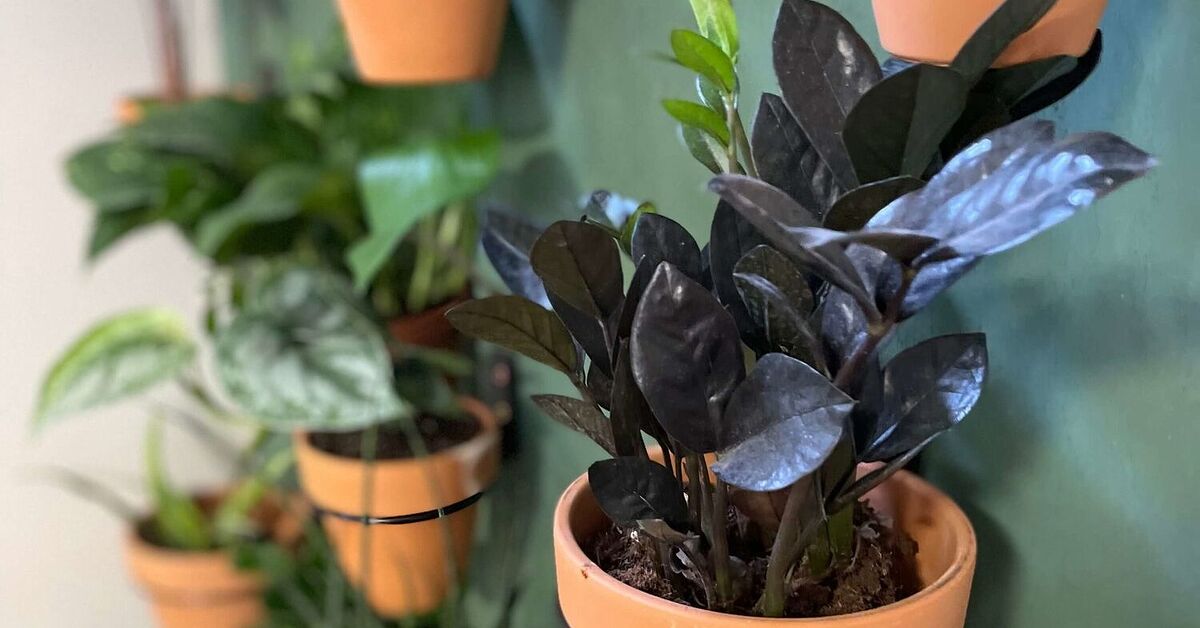
You want a lush, leafy “wow” wall. Your landlord wants a wall that looks exactly like it did when you moved in (down to the same suspiciously beige paint). Good news: you can have both. A renter-friendly indoor living plant wall is basically a jungle illusion with a solid alibino drilling, minimal mess, and easy-to-remove pieces when it’s time to move.
In this guide, you’ll learn a practical, deposit-safe DIY that looks like a true plant wall but behaves like a freestanding piece of furniture. We’ll also cover plant picks, lighting, watering without drips (because gravity is petty), and styling tricks that make the whole thing look intentional instead of “I panicked at the garden center.”
What “renter-friendly” really means for a plant wall
A living plant wall is renter-friendly when it does three things:
- Doesn’t require holes (or requires so few that patching is painless).
- Controls moisture so you don’t create a secret science experiment behind your plants.
- Distributes weight safely so you’re not trusting 30 pounds of wet soil to “vibes.”
The safest renter approach is simple: keep the weight on the floor, and let the wall be the backdrop. That’s why the DIY below uses a leaning frame that looks built-in but moves out like a bookcase.
Quick planning checklist (so your wall doesn’t become a drama)
1) Pick the right spot
Choose a location where plants can actually live, not just pose for photos. A bright room near an east- or south-facing window is a common win. If your space is dim, plan to add a grow light (more on that later).
2) Decide your “plant wall style”
- Vine wall: pots sit on a shelf; vines climb across the wall using tiny removable hooks.
- Leaning living wall (today’s DIY): a freestanding frame holds multiple potted plants vertically.
- Grid panel wall: a freestanding grid (like a room divider) holds small planters with S-hooks or zip ties.
3) Set a realistic maintenance level
Be honest: are you a “daily misting” person or a “my plants know I love them spiritually” person? Pick plants and systems accordingly. Low-fuss plants + easy watering access = long-term success.
The DIY: Build a leaning indoor living plant wall (no drilling into the wall)
This design gives you the plant-wall look without the landlord-heart-attack installation. The frame leans against the wall, the weight stays on the floor, and you can disassemble it on move-out day without leaving behind a modern art piece made of anchors.
Materials
- Two 1×2 or 1×3 boards for the vertical sides (height of your choice)
- Two 1×2 or 1×3 boards for the top/bottom (width of your choice)
- 1–2 cross braces (same wood) for stability
- A lightweight wire grid panel or lattice (to attach plants with hooks/ties)
- Wood screws (and optional corner braces)
- S-hooks, small carabiners, or sturdy zip ties
- Small to medium nursery pots with saucers or cachepots (decor pots) plus inner pots
- A waterproof floor mat or boot tray (for under the wall)
- Clear wall protection (thin acrylic sheet, removable clear film, or painter’s plastic used carefully)
- Optional: stick-on felt pads (to protect the wall where the frame touches)
- Optional: a slim grow light bar/clip light + timer
Tools
- Measuring tape and pencil
- Drill/driver
- Hand saw or power saw (many hardware stores will cut wood for you)
- Level (helpful, not mandatory)
- Staple gun or screws with washers (to attach the grid)
- Sandpaper (for smoothing edges)
Step 1: Choose your size (and make it look proportional)
A plant wall looks best when it has breathing room. Aim for a width that doesn’t overwhelm the room or block traffic. A common visual trick is to make the frame about two-thirds the width of the furniture beneath it (console table, bench, or low shelf).
Step 2: Protect the floor and the wall (boring step, heroic results)
Place a waterproof mat or tray under where the wall will sit. This catches surprise drips and keeps you from discovering water damage during your next sock-only walk.
If your wall paint is delicate or you’re worried about humidity marks, add a clear protective layer where the frame touches the wall. Keep it minimaljust enough to prevent scuffs and moisture contact.
Step 3: Build the frame
- Lay out your two vertical boards and top/bottom boards in a rectangle.
- Pre-drill holes to prevent splitting, then screw the rectangle together.
- Add one cross brace across the middle (and another if your frame is tall) to prevent wobble.
- Sand any rough edges so you don’t snag hands, sleeves, or fragile egos.
If you want a cleaner look, paint or stain the frame before attaching the grid. (Pro tip: a simple matte finish makes green leaves pop like they’re starring in their own home makeover show.)
Step 4: Attach the grid or lattice
Place the wire grid on the back of the frame and secure it with staples, or use screws with washers so it doesn’t pull through. The grid is your “plant wall skeleton” that lets you hang planters, train vines, and rearrange easily.
Step 5: Set the leaning angle (and make it safe)
Lean the frame against the wall so the bottom sits a few inches out. You want stability, not a dramatic fainting chaise vibe.
- Anti-slip: add rubber feet or a strip of grippy shelf liner under the bottom.
- Anti-tip (recommended): use a removable furniture safety strap or a renter-safe anchoring method that doesn’t require drilling. If you must use an adhesive option, follow the manufacturer instructions and keep the load minimalthis is for preventing tip, not bearing the wall’s weight.
Step 6: Add plants from the bottom up (weight low, drama low)
Start with heavier plants near the bottom. Lighter, trailing plants can go higher. Think of it like a leafy pyramid scheme, except everyone actually benefits.
Attach pots using S-hooks/carabiners through the grid, or use zip ties for a tighter hold. Make sure each pot has a saucer or sits in a cachepot so water stays contained.
Step 7: Water without wrecking your wall
The number-one reason plant walls fail indoors isn’t “lack of vibes.” It’s water management. Use one of these renter-safe approaches:
- Take-down watering: lift pots off the hooks, water at the sink, let drain, then rehung. Cleanest option.
- Bottom watering: place pots in a shallow tray of water for 10–20 minutes, then return. Great for reducing drips.
- Self-watering planters: helpful for consistency, but still check that overflow can’t escape onto the wall/floor.
Also: resist the urge to “top off” every time you walk by. Overwatering is how you get sad leaves, fungus gnats, and the feeling that your home is lightly haunted.
Step 8: Add a grow light if needed (the secret weapon)
If your wall is more “moody ambiance” than “bright window,” add a slim grow light bar at the top of the frame or clip a grow light to a nearby shelf. Put it on a timer so your plants get consistent light without you becoming a part-time sun.
Best plants for an indoor living plant wall (especially for renters)
Plant walls look best with trailing and climbing plants, because they fill space quickly and soften the structure. Prioritize plants that tolerate indoor conditions and occasional human forgetfulness.
The “easy, forgiving, looks expensive” group
- Pothos (many varieties): trails fast, easy to propagate, tolerant of imperfect light.
- Heartleaf philodendron: classic climber, glossy leaves, flexible growth.
- Scindapsus (satin pothos): velvety look, slower growth, very “designer plant” energy.
- Spider plant: arches beautifully, good for hanging mid-level.
- Hoya: waxy leaves, likes drying a bit between waterings.
Bright-light show-offs (use if your spot is sunny)
- String-of-hearts or string-of-pearls (with care): delicate, gorgeous, hates soggy soil.
- Succulents: best on lower shelves or a very bright wall with excellent drainage.
- Herbs (basil, thyme, etc.): doable with strong light; expect more maintenance and faster turnover.
Humidity lovers (great if your home isn’t desert-dry)
- Ferns: lush but thirstier; consider a self-watering setup or frequent checks.
- Fittonia (nerve plant): dramatic when thirsty, recovers quicklybasically a tiny soap opera.
Pet note: If you have cats or dogs who nibble plants, research pet-safe choices and place the wall where it’s harder to access. Many popular houseplants can be irritating if chewed.
Design tips that make your plant wall look intentional (not accidental)
Use “clusters,” not a single line of pots
Group plants in triangles or loose clusters. It reads as styled, even if you assembled it while wearing mismatched socks.
Mix leaf shapes for texture
Pair big heart-shaped leaves with thin trailing strands and a few spiky accents. Variety looks lush faster than buying ten of the same plant.
Repeat your finishes
Use 2–3 pot colors/finishes and repeat them. This creates cohesion and keeps the wall from looking like a yard sale.
Leave a little negative space
A plant wall doesn’t need to cover every inch on day one. Give plants space to grow into the designyour future self will thank you.
Common mistakes (and how to avoid them)
Mistake: trusting the wall to hold heavy, wet stuff
If it’s renter-friendly, most of the weight belongs on the floor. Keep wall contact light: anti-tip support, vine training, or gentle stabilizing.
Mistake: ignoring drainage
Always assume your plant will drip at the worst possible time (like five minutes before guests arrive). Use saucers, cachepots, and take-down watering if you’re unsure.
Mistake: picking plants that hate your light
Low light doesn’t mean “no light.” If your wall is far from windows, add a grow light early rather than watching plants slowly give up.
Mistake: packing plants too tightly
Crowded leaves can trap moisture and invite pests. Space plants so air can circulate, and rotate pots occasionally for even growth.
Budget and timeline (what to expect)
A renter-friendly plant wall can be a weekend project. The frame and hardware are typically the one-time cost; plants can be added gradually. If you’re building on a budget, start with a few fast-growing trailing plants and propagate over time to fill the wall.
Conclusion: your apartment can be a jungle (politely)
A DIY indoor living plant wall is one of the most high-impact renter friendly decor upgrades you can dobecause it transforms a blank wall into something that feels alive, cozy, and a little bit magical. Keep the weight on the floor, treat moisture like a serious adult responsibility, and choose forgiving plants that thrive indoors. You’ll get a statement wall that’s easy to maintain and even easier to remove when you eventually move on to your next beige-walled adventure.
Renter-tested experiences: what people learn after building a living plant wall (about )
Here are the real-world patterns that show up again and again when renters create a DIY indoor plant walllittle lessons that don’t always make it into the “pretty reveal” photos.
1) Weight creep is sneaky
The wall starts with three lightweight pots and pure intentions. Then you add “just one more” plant. Then you realize wet soil weighs more than your optimism. This is why a leaning frame is such a renter win: it forgives expansion. People who hang everything directly on a wall often end up downsizing later, not because the look isn’t great, but because the logistics get stressful.
2) Watering is the moment of truth
Most renters report that their long-term success depends on a watering routine that is easy enough to repeat when life gets busy. The “take-down watering” method feels annoying the first timeand then feels genius the first time you avoid a drip line down your wall. A common rhythm is watering in batches: remove a few pots, water at the sink, let them drain while you do something else, then rehung.
3) Grow lights change everything
Many renters start with “I think this corner is bright?” and eventually upgrade to a small grow light on a timer. The difference is dramatic: fuller leaves, better color, and less leggy stretching. The timer is the keypeople stick with systems that don’t require daily decision-making.
4) The first pest problem is a rite of passage
Fungus gnats, spider mites, or the occasional mystery speck can show up in any indoor plant collection. Renters with plant walls tend to learn two helpful habits: don’t overwater, and inspect leaves while you water. Catching issues early keeps the wall from turning into a tiny ecosystem with its own rules.
5) Your wall is also your “moving plan”
The most satisfied renters build plant walls they can relocate: a leaning frame, a freestanding grid, a ladder shelf. When it’s time to move, the system breaks down like furniture instead of a construction project. People who plan for portability from day one report less stress, fewer damaged plants, and a happier security deposit conversation.
6) The wall becomes a mood barometer
This is the sweet part: renters often say their plant wall subtly changes how they feel at home. The routinechecking a leaf, training a vine, snipping a cuttingcreates small moments of calm. And on rough days, the wall still quietly does its job: making the room feel softer, greener, and more like a space you chose, not just a space you rent.