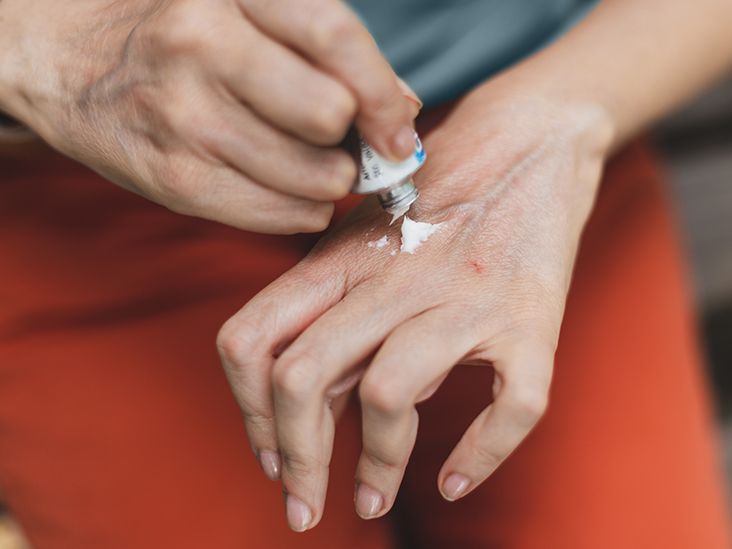
Rheumatoid arthritis (RA) is a chronic autoimmune disorder that primarily affects the joints, causing pain, swelling, and stiffness. However, many individuals with RA also experience an often-overlooked symptom: itching. This itching can be more than just a mild irritation. For some, it’s a persistent, uncomfortable sensation that can impact their quality of life. In this article, we’ll explore the causes of rheumatoid arthritis itching attacks and provide practical relief tips to help manage this common but frequently misunderstood symptom.
What Causes Itching in Rheumatoid Arthritis?
While rheumatoid arthritis is primarily known for its impact on joints, it can also have a variety of other effects on the body, including skin reactions. Itching, or pruritus, is one such issue that can arise for several reasons related to RA or the treatments used to manage the condition. Understanding the root causes of itching can help in addressing the discomfort effectively.
1. Inflammation and Immune System Response
RA is an autoimmune condition where the immune system mistakenly attacks the body’s tissues, causing inflammation. This inflammation isn’t just limited to the joints but can also affect the skin. Inflammatory cytokines released by the immune system can lead to dryness and irritation of the skin, making it more prone to itching. Areas affected by swelling or joint pain may also experience localized itching, as the skin reacts to the underlying inflammation.
2. Medications and Side Effects
Many people with rheumatoid arthritis rely on disease-modifying antirheumatic drugs (DMARDs), biologics, or corticosteroids to manage their symptoms. While these medications can be highly effective in reducing inflammation and pain, they can also cause side effects that include itching. For example, methotrexate, one of the most commonly prescribed RA medications, has been known to cause skin rashes and itching. Similarly, biologic drugs, such as TNF inhibitors, may cause allergic reactions, leading to itching or hives.
3. Dry Skin and Environmental Factors
Dry skin is another common cause of itching in individuals with rheumatoid arthritis. RA can disrupt the body’s ability to maintain healthy skin, leading to dryness and flaking. Additionally, some RA treatments, particularly corticosteroids, can cause thinning of the skin, making it more sensitive to environmental factors such as cold weather, low humidity, and harsh soaps. These environmental triggers can exacerbate itching and discomfort.
4. Secondary Conditions
People with rheumatoid arthritis are at an increased risk of developing other skin conditions, such as eczema, psoriasis, or rheumatoid nodules. These conditions can cause their own itching episodes, which may overlap with the symptoms of RA. Psoriasis, for example, is a common co-occurring condition in individuals with RA, and its characteristic red, scaly patches can lead to intense itching.
How to Relieve Itching from Rheumatoid Arthritis
While itching can be a frustrating symptom of rheumatoid arthritis, there are several strategies and treatments available that can help alleviate the discomfort. Here are some effective relief tips to consider:
1. Use Moisturizers Regularly
Keeping the skin hydrated is one of the most important steps in preventing and relieving itching. Apply a thick, fragrance-free moisturizer to your skin at least twice a day. Look for products containing ingredients like ceramides, glycerin, and hyaluronic acid, which help retain moisture and soothe irritated skin. Ointments, rather than lotions, are often more effective because they provide a thicker barrier against dryness.
2. Consider Medications for Itching
If your itching is persistent or severe, your doctor may recommend antihistamines to help control the itch. Over-the-counter options like Benadryl or Zyrtec can be effective, but prescription antihistamines might be necessary if the itching is caused by an allergic reaction to medications or RA itself. In some cases, topical corticosteroids may be used to reduce inflammation and itching, especially if you have rashes or other skin conditions.
3. Avoid Scratching
It can be tempting to scratch when you’re experiencing intense itching, but scratching can actually make the problem worse by irritating the skin and potentially causing infection. Instead, try gently patting the area or using a cool compress to soothe the itch. You can also wear soft cotton gloves to avoid scratching while you sleep.
4. Adjust Your RA Medications
If your itching is directly linked to your RA medications, it’s important to talk to your healthcare provider about possible alternatives. For instance, if methotrexate is causing your skin issues, your doctor may suggest switching to a different DMARD or biologic medication. They may also recommend adjusting your dosage or trying additional treatments to manage side effects.
5. Stay Cool and Comfortable
Heat can worsen itching, so it’s important to keep your environment cool. Take lukewarm showers instead of hot baths, and avoid hot water for washing your hands or face. When dressing, choose lightweight, breathable fabrics like cotton to prevent overheating and skin irritation.
6. Use Soothing Skin Treatments
Calamine lotion, colloidal oatmeal baths, or aloe vera gel can be very effective at soothing itchy skin. These products can be applied directly to the affected areas to provide a cooling effect and reduce inflammation. You can also try natural remedies such as coconut oil or chamomile tea, which are known for their anti-inflammatory properties.
Preventing Future Itching Attacks
While some itching may be inevitable due to the nature of rheumatoid arthritis, there are steps you can take to minimize future attacks:
1. Maintain a Healthy Skincare Routine
Keeping your skin in good condition is key to preventing itching. Stick to a regular skincare routine that includes gentle cleansing, moisturizing, and protecting your skin from the elements. This is especially important for people with RA who may experience skin changes due to inflammation or medication use.
2. Identify and Avoid Triggers
Try to identify what triggers your itching episodes. This could include certain foods, weather conditions, or specific medications. Once you’ve pinpointed the triggers, work with your doctor to avoid or manage them. For instance, if dry air exacerbates your symptoms, use a humidifier in your home to add moisture to the air.
3. Monitor Your RA Symptoms
Since itching can be a sign of inflammation, it’s important to keep track of your RA symptoms and communicate with your healthcare provider about any changes. Early intervention with appropriate medications can help prevent flare-ups and associated itching.
Experiences with Rheumatoid Arthritis Itching Attacks: What People Are Saying
Many individuals living with rheumatoid arthritis have shared their experiences with itching, and their stories provide valuable insights into coping strategies and relief methods. For some, the itching is manageable with over-the-counter antihistamines and moisturizers. Others find that specific treatments, such as avoiding certain RA medications, offer significant relief. One common thread among those with RA is the importance of moisturizing regularly and staying aware of skin changes to prevent further discomfort.
Some individuals with RA have also found that certain lifestyle modifications, such as avoiding extreme temperatures or using soothing skincare products, help them reduce itching attacks. Additionally, many individuals suggest that stress management is crucial, as emotional stress can exacerbate both RA symptoms and itching. Practicing mindfulness, meditation, and gentle exercises like yoga can improve overall well-being and reduce the intensity of itching.
While RA itching attacks can be frustrating, most people with RA find that with the right strategies in place, the symptoms can be managed effectively. By consulting with a healthcare provider and exploring different treatment options, it’s possible to find a combination that works for you.
Conclusion
Itching attacks in rheumatoid arthritis are more common than many realize, and they can significantly affect the quality of life. While the causes of itching can vary, from inflammation and medication side effects to environmental triggers, there are several effective relief tips available. Regular moisturizing, proper medication management, and avoiding scratching can help minimize discomfort. By staying proactive and working closely with your healthcare provider, you can keep itching attacks under control and live more comfortably with RA.