Some trips are powered by waterfalls, mountain views, and a healthy respect for carbs. Others are powered by one
dangerously photogenic mug that whispers, “You deserve a better Tuesday.” Welcome to Asheville, North
Carolinawhere the Blue Ridge Mountains do their moody masterpiece thing, and where East Fork turns humble clay
into the kind of everyday dinnerware that makes leftovers feel like a small, edible victory.
This is a diary-style shopping guide to East Fork’s downtown Asheville storewhat to expect, what to buy, how to
build a collection without accidentally starting a “plate pyramid scheme,” and how to make a whole day of it in one
of America’s most artsy mountain towns.
Quick Snapshot: What Is East Fork, and Why Do People Lose Their Minds Over It?
East Fork is an Asheville-based ceramics company known for durable stoneware dinnerwaremugs, bowls, plates, and
serving pieces designed to be used daily, not stored away like a fancy soap you’re “saving for later.” The company
was founded by potters and has grown into a larger-scale operation while keeping craft at the center of the brand.
It’s also a Certified B Corporation, which means it has committed to meeting certain social and environmental
standardsnot just making beautiful objects, but trying to run the business with purpose.
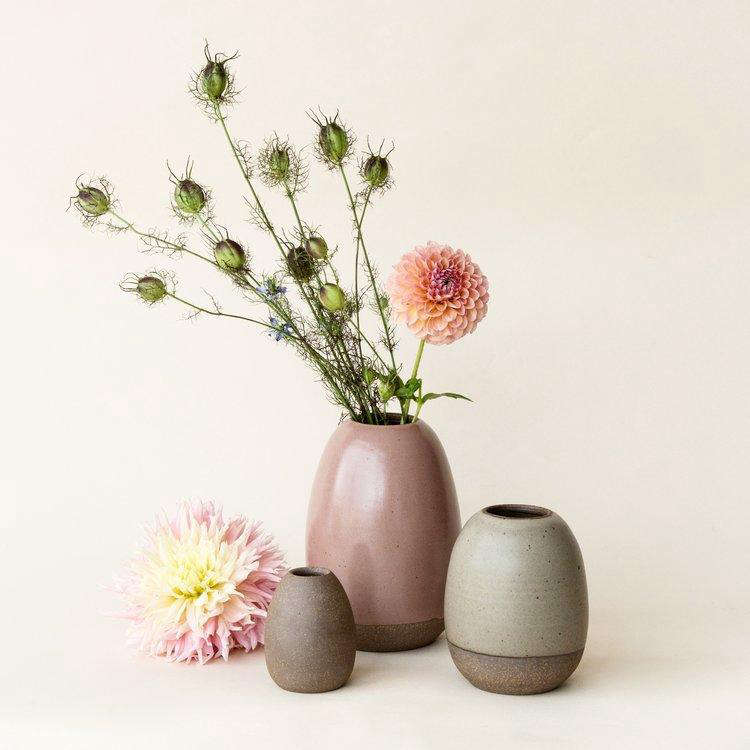
The vibe: clean forms, earthy (and not-so-earthy) glazes, a satisfying heft in the hand, and colors named like the
mountains and foods you’ll want to eat off these plates. It’s minimal without being sterile, handmade without being
fragile, and modern without feeling like it came from a spaceship designed by an accountant.
Diary Entry: Arriving at the Downtown Asheville Store
Location check: East Fork’s Asheville retail store is in downtown Asheville at
15 W Walnut Street. The store is designed for browsing, touching, comparing, and doing the
universally human thing of holding a bowl up to your chest and quietly thinking, “We could have a life together.”
The shop is often described as a flagshipmeaning it carries a complete collection of East Fork pottery and also
curates other kitchen and tabletop goods from makers they admire. Translation: you may go in for one mug and leave
with a new appreciation for wood, glass, and the concept of “thoughtful gifts.”
What it feels like inside
Picture big windows, warm light, and stacks of pottery arranged in a way that invites you to play. You’ll likely
see a “sets wall” (a visual menu of place setting combos) that makes it dangerously easy to imagine your own table
getting upgraded from “college survival era” to “quietly competent adult.”
One of the best parts: this is not a “do not touch” museum. East Fork’s retail approach tends to encourage
interactionbecause dinnerware is supposed to live in your hands, not behind glass.
Events, accessibility, and the “check before you go” rule
East Fork stores host events that can range from hands-on workshops (think flowers, food, and seasonal crafts) to
pop-ups and community gatherings. Accessibility notes matter, too: the Asheville store has features like a ramp and
an automatic door button, which can make visits smoother for more people.
Pro tip: if your trip is built around a specific event, verify the current calendar before you show up wearing your
“I’m here to learn bread-making” outfit. (We’ve all made worse fashion choices for less.)
What to Buy at East Fork: A Shopper’s Short List
If you’re the kind of person who likes a plan, here’s a smart way to shop: start with pieces that do the most work.
“Work,” in this case, means surviving daily use while making everything from oatmeal to takeout noodles look
suspiciously elevated.
1) The Mug: the gateway piece
East Fork’s mug is iconic for a reason: it’s sturdy, comfortable, and made for real-life routines. The handle
tends to feel substantial (not a delicate pinky-trap), and the glaze colors make it easy to pick one that matches
your personalityor your current emotional relationship with caffeine.
- If you want a “neutral that still has depth”: look at warm, creamy tones like Panna Cotta or earthy browns like Morel.
- If you want “drama but make it classy”: darker tones like Amaro or Black Mountain can feel bold without being loud.
- If your kitchen needs a sky moment: Blue Ridge and cooler blues can bring contrast to lighter counters.
2) Bowls: the unsung heroes of adulthood
Bowls are where good dinnerware earns its keep. A great bowl handles cereal, soup, pasta, salads, and
“I’m-too-tired-to-cook-but-I’m-trying” meals. If you’re building a starter collection, prioritize:
- Everyday bowls for multi-purpose meals
- Smaller bowls for snacks, dips, and the sacred role of “holding olives like they’re fancy”
A practical move: buy two bowls in a color you love and two in a neutral. It keeps your cabinet looking intentional
even if you’re still emotionally attached to one random plate from 2013.
3) Plates: build the base, then add personality
Plates are the backbone of a set, but you don’t have to buy everything at once. Start with the size you actually use:
- Side/bread-and-butter plates for breakfast, desserts, and “girl dinner” assemblies
- Dinner plates if you regularly eat structured meals at a table (or aspire to)
If you’re traveling, think about what packs best. Mugs and small bowls often travel more safely than large stacks of
platesunless your suitcase is secretly a professional ceramics transport vehicle.
4) Serving pieces and gifts: the “I came for one thing” trap
Serving platters, larger bowls, and statement pieces are where East Fork can become a “special occasion”
brandexcept the occasion is “I invited people over and would like to appear functional.”
For gifts, consider smaller items: a mug, a small dish, or something curated from the shop’s other maker goods. It’s
the kind of gift that says, “I know you,” without saying, “I stalked your Pinterest boards.” (Even if you did.)
The Color Strategy: How to Build a Collection That Looks Curated (Not Chaotic)
East Fork is known for a core color palette designed to mix well across stylesfrom Appalachian cabins to city
apartments. The core lineup includes seven glazes: Eggshell, Panna Cotta, Morel, Amaro, Black Mountain, Blue Ridge, and Heron.
The names are part poetry, part geography, part snack craving.
The easiest way to mix colors without overthinking it
Use a simple ratio: 60/30/10.
- 60% = your main neutral (Eggshell, Panna Cotta, or Morel)
- 30% = your supporting tone (Heron or Blue Ridge work nicely here)
- 10% = your accent (Amaro or Black Mountain for bold contrast)
Example: mostly Eggshell plates, a mix of Heron and Morel bowls, and one Amaro serving piece that makes everything
look like it belongs in a magazineeven if you’re serving frozen dumplings. (No shame. Dumplings deserve nice pottery.)
Limited releases and “color seasons”
East Fork also releases seasonal or limited colors at different times of the year. If you’re the type who gets
attached quickly (to colors, people, or limited-edition snacks), a good approach is to commit to the core palette
first, then add limited colors as accents. That way your whole table doesn’t depend on a glaze that vanishes faster
than your vacation budget.
How It’s Made: Factory-Scale, Craft Mindset
East Fork’s pottery is made in Asheville using an iron-rich regional clay body and a production process designed
for consistency and daily durability. While the brand started with wheel-thrown work, the growth of the company
brought in additional forming methodslike jiggering and pressingso they can make more pieces while staying true to
the “made by potters” identity.
If you’re the kind of person who loves behind-the-scenes details, here’s the non-textbook version: clay is prepared,
shaped, dried, fired, glazed, and fired again. Tools like a pug mill help prep clay efficiently, and different forming
methods help create specific shapes at scale. The result is dinnerware that feels handmadebecause it iswithout
requiring you to treat it like a fragile heirloom.
Can you tour the factory?
East Fork’s factory location is in Asheville, but it is typically closed to the public. If factory tours
matter to your itinerary, check current policies before your trip. (As a general rule: never assume you can stroll into
a working ceramics factory wearing sandals and optimism.)
Caring for East Fork Pottery: Use It, Don’t Worship It
Most East Fork dinnerware is made for everyday lifeyes, that includes the dishwasher and microwave. In fact, the
brand has noted that their pottery is used in commercial settings like restaurants and coffee shops, which is a pretty
good sign it can handle your home dishwasher without fainting dramatically.
- Dishwasher: generally safe for daily-use pieces
- Microwave: generally safe (but remember: ceramics can get hot)
- Avoid thermal shock: don’t take a cold piece straight into extreme heat
One important exception: pieces with decals or special finishes (like certain collection items) may deserve gentler
care, such as hand washing, to preserve surface details over time. When in doubt, treat it like good denim: you can
wash it, but you don’t have to be aggressive about it.
Price, Value, and the Smart Way to Build a Set Over Time
East Fork is not bargain-basement dinnerware, and that’s the point. You’re paying for materials, skilled labor,
domestic manufacturing, thoughtful design, and a business structure that publicly commits to community and ethical
standards. For many shoppers, it’s a “buy fewer, buy better” choice.
How to spend wisely (without ruining the fun)
- Start with two place settings you’ll use constantly: mugs + bowls + a small plate.
- Add serving pieces last unless you host often (or you’re very committed to looking like you host often).
- Choose one core color first so you don’t end up with a cabinet that looks like an indecisive paint swatch.
Seconds: the thrill of the “almost perfect” hunt
East Fork sells “Seconds,” which are pieces with minor flaws that don’t meet first-quality standards. They’re often
discounted, and shopping them can feel like treasure huntingespecially if you don’t mind a tiny glaze variation that
gives your bowl a little extra personality.
Seconds are sometimes sold online and also through in-person “Seconds Pop-ups” in different cities. If you love the
brand but want a more budget-friendly entry point, Seconds can be the sweet spot.
Make a Day of It: A Mini Asheville Itinerary for Pottery People
One of the best parts of visiting East Fork in Asheville is that the city is basically an overachiever at “nice day
out” energy. Here’s a simple way to structure your visit:
Morning: downtown stroll + East Fork
- Start downtown, grab coffee, and arrive at East Fork when you’re alert enough to choose colors responsibly.
- Browse, handle pieces, compare glazes in natural light, and take notes (or photos) of combinations you love.
Afternoon: arts and sweets
- Explore Asheville’s arts sceneespecially if you’re curious about how many ways humans can reinvent “a bowl.”
- Consider a local chocolate stop or a snack break before you do “one more store” and end up buying a tote bag you didn’t plan for.
If you have extra time: iconic Asheville attractions
Asheville is known for big-ticket attractions (like the Biltmore) and smaller creative experiences. Even if your trip
is pottery-centered, it’s worth balancing the shopping with some mountain-town wandering so you don’t return home with
only ceramic receipts and no memories of the actual mountains.
FAQ: Fast Answers for First-Time East Fork Shoppers
Is East Fork pottery practical for daily use?
Yesdaily use is the point. Most pieces are designed to handle dishwasher and microwave life (with common-sense care).
What’s the best first piece to buy?
The mug is the classic gateway, followed closely by a versatile everyday bowl.
Should I buy a full set at once?
Only if your budget and suitcase agree. Most people build gradually: start with essentials, then add over time.
Do glazes vary from piece to piece?
Natural variation is part of ceramics. That’s a feature, not a defectunless it’s beyond first-quality standards,
in which case it may show up as a “Second.”
Extra Diary Pages (): A “Realistic” Shopping Experience, Minus the Regret
Disclaimer: This is a diary-style vignette based on common visitor experiences and what the store is known foruse it as a fun companion to your actual trip.
10:58 a.m. You stand outside the shop on Walnut Street doing the pre-shopping pep talk: “I’m only
looking.” Your reflection in the window does not look convinced.
11:03 a.m. First impression: light everywhere. The kind of light that makes you believe you could
go home and finally become the person who folds laundry immediately. Shelves are stacked with pottery in clean lines,
but nothing feels precious. It feels lived-inin a good waylike the store wants your hands on everything.
11:07 a.m. You find the sets wall, and suddenly your brain becomes an interior designer. “If I do
Eggshell plates, then Heron bowls, and just one Amaro serving piece…” You realize you’re planning a dinner party you
haven’t scheduled and may never host. Still, the fantasy is strong. You hold two plates together like you’re testing
paint swatches on a wall and whisper, “Yes. This is the palette.”
11:12 a.m. The mug section. There are many mugs. Too many mugs. The correct number of mugs is always
“one more,” and the store understands this about you on a spiritual level. You pick up a mug in a deep, moody glaze
and immediately picture it next to your laptop, your plants, your best intentions. You pick up a lighter glaze and
picture the same scene but with better boundaries and less doomscrolling.
11:18 a.m. Bowls: the quiet powerhouses. You lift one and think, “This could be ramen.” You lift
another and think, “This could be ice cream.” You lift a third and think, “This could be a salad I will absolutely
eat as a responsible adult.” The bowl does not judge you. The bowl simply believes in your potential.
11:25 a.m. You overhear someone say, “We started with two place settings and built from there.”
That sentence is both practical and dangerously enabling. You begin doing suitcase math. You check your phone and
discover your suitcase is, in fact, not magical. You decide to focus on “high-impact, packable” items, which is a
polite way of saying, “Mugs and bowls because plates scare me in transit.”
11:33 a.m. You carry your picks around for a while like they’re puppies you’re not ready to adopt.
You put one back. You pick it up again. You compare glazes in the window light. You realize you’re smiling at a plate.
You accept that you are now the kind of person who smiles at plates.
11:41 a.m. Checkout. Your final choices feel intentional: one mug in a color that makes you happy,
two bowls you’ll use constantly, and a small plate that will transform random snacks into “a moment.” You walk out
into downtown Asheville holding a bag that clinks softly with possibility. You do not regret anythingyet. You promise
yourself you’ll come back for the serving platter when you become the person who hosts dinners and folds laundry.
11:44 a.m. You realize: the pottery isn’t just pottery. It’s permission to treat everyday life like it
matters. Also, it’s a very handsome bowl.