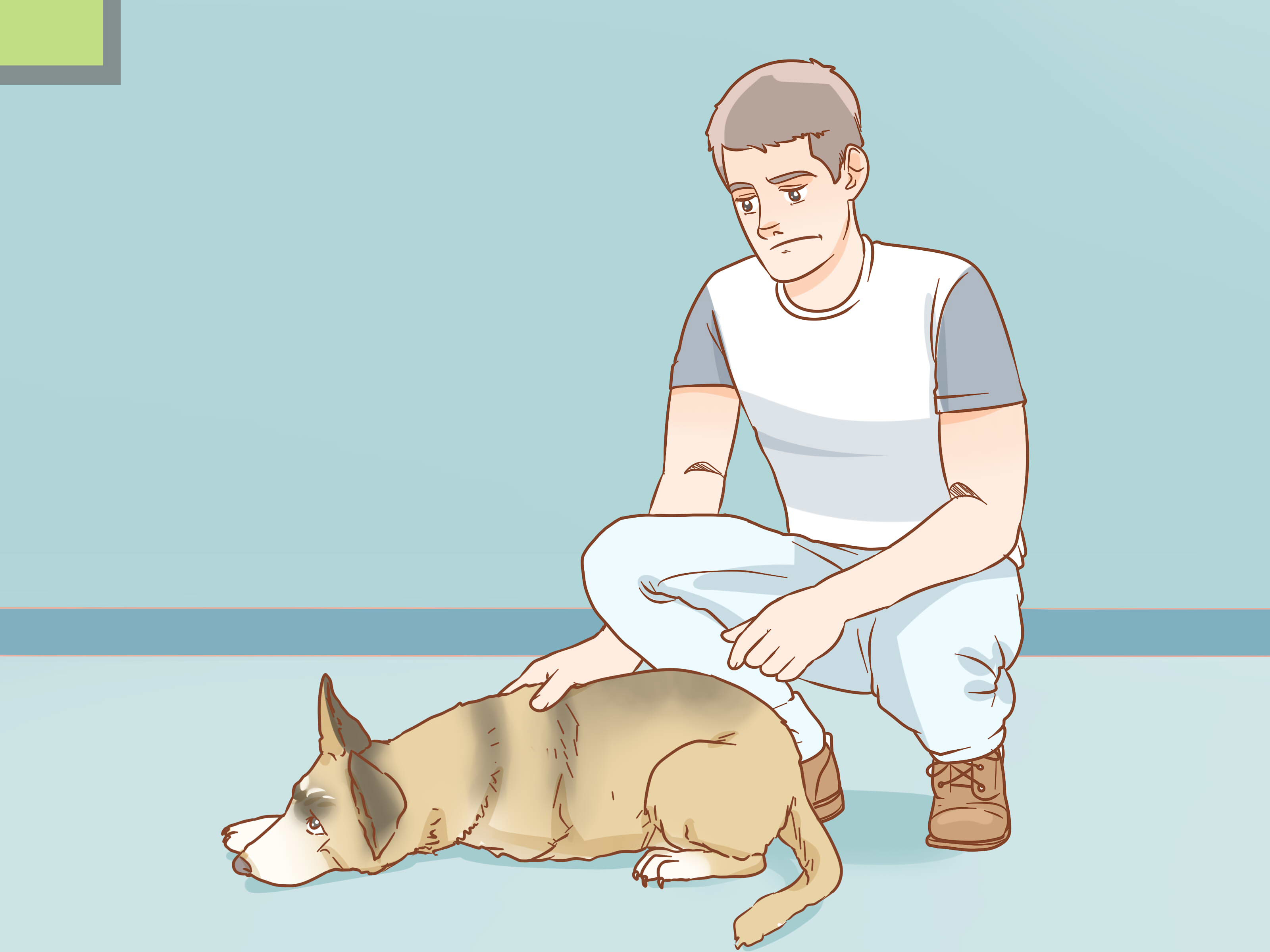
Your dog has a lump. Your brain instantly opens 47 tabs, invents 12 worst-case scenarios,
and somehow convinces you that a turmeric latte is a medical plan.
Take a breath. You’re not aloneand you’re not powerless.
Here’s the honest truth (served with a side of hope): the only reliable way to shrink many tumors in dogs
is evidence-based veterinary care. But there are also “simple” owner-friendly moves that make that care
work betterby catching problems early, supporting your dog’s body, and avoiding the well-meaning mistakes
that waste precious time.
Important note: This article is educational and not a substitute for veterinary diagnosis or treatment.
Never start or stop meds (including human pain relievers, steroids, or supplements) without your veterinarian’s guidance.
First, a Reality Check: Not Every Lump Is Cancer (But Every Lump Deserves a Vet Visit)
Dogs can get all kinds of “lumps and bumps.” Some are benign (non-cancerous), like fatty lipomas,
and some are malignant (cancerous) and need fast action. The tricky part? Many different lumps can look the same.
That’s why guessing based on shape, squishiness, or vibes is a terrible plan (even if your dog’s vibes are immaculate).
A “simple way to shrink tumors” starts with a “simple way to stop guessing”: get the lump identified.
Once you know what it is, your vet can tell you whether “shrink,” “remove,” “monitor,” or “treat systemically”
is the right goal.
Step 1: Name the Enemy (or Confirm It’s Just a Drama-Free Lipoma)
If you want the smartest path to tumor shrinkage, you need a diagnosis. In veterinary oncology,
that typically starts with sampling cells (often a fine-needle aspirate) and sometimes a biopsy
to understand tumor type and behavior.
What to ask your vet for
- Fine-needle aspirate (FNA): A quick, minimally invasive way to collect cells for evaluation.
- Biopsy/histopathology: If FNA isn’t definitive, a tissue sample can reveal tumor grade and aggressiveness.
- Staging: If cancer is suspected/confirmed, imaging and lab work help check for spread and guide treatment.
Why this step can literally shrink the timeline (and improve outcomes)
Many cancers are far more manageable when treated early. A fast diagnosis helps your vet choose the best plan:
surgical removal for localized disease, or medical therapy for systemic cancers (like lymphoma),
or targeted therapy for certain tumor types.
Owner pro tip: Bring a “lump history” to the appointment:
when you noticed it, whether it’s changing, and photos with dates. Your camera roll can be surprisingly heroic.
Step 2: Remove What You Can (Yes, Surgery Can Be “Shrinkage”)
If a tumor is localized, surgery is often the most direct form of shrinkage: you’re not reducing the massyou’re
evicting it. For many skin and soft-tissue tumors, early surgical removal can be curative or can dramatically
reduce tumor burden before additional therapy.
When surgery tends to help the most
- Small, movable masses that can be removed with clean margins.
- Tumors caught early before they invade deeper structures.
- “Problem” locations where growth will affect eating, breathing, walking, or comfort.
Questions worth asking (without feeling awkward)
- “Do we need a specialist surgeon or veterinary oncologist for best margins?”
- “Will the mass be sent to pathology after removal?”
- “If margins aren’t clean, what’s Plan Bradiation, chemo, targeted therapy?”
Humor break: if your dog could talk, they’d probably vote “remove the weird thing” right after “more snacks.”
Sadly, dogs don’t sign surgical consents. So you do itwith data and a solid plan.
Step 3: Use Proven Tumor-Shrinking Therapies (Chemo, Radiation, Targeted Drugs)
This is the step people hope is optional. Sometimes it is. Sometimes it’s the main event.
Many canine cancers respond to therapies designed specifically to reduce tumor size, slow growth,
or induce remissionoften with a focus on maintaining quality of life.
Chemo: not the villain it’s portrayed to be
In veterinary medicine, chemotherapy is frequently used to control cancer while preserving a good life:
walks, appetite, tail wags, and the sacred ritual of staring at you while you eat.
For cancers like lymphoma, multi-drug chemo protocols commonly produce remission.
Radiation therapy: targeted shrinkage when surgery can’t do it all
Radiation can reduce tumor size or control local disease when complete surgical removal isn’t possible
(because of location, invasiveness, or incomplete margins).
It’s often used strategicallyeither before surgery (to shrink) or after surgery (to control what’s left).
Targeted therapy: “smart meds” for certain tumors
Some cancers (notably certain mast cell tumors) may respond to targeted medications, including tyrosine kinase inhibitors.
These can sometimes shrink tumors or stabilize disease, particularly when surgery isn’t feasible or when tumors recur.
Anti-inflammatory/adjunct options (only under veterinary guidance)
In specific cancerslike some bladder tumorscertain NSAIDs have documented antitumor effects and may be used
as part of a treatment plan. Steroids may also reduce tumor burden or improve comfort in select cancers,
but timing matters (especially in lymphoma), so your veterinarian must guide this.
Bottom line: if your goal is actual shrinkage, this step is where real shrinkage most often happens.
The “simple” part is being willing to discuss options earlyand choosing evidence over internet folklore.
Step 4: Feed the Dog, Not the Tumor (Nutrition That Supports Treatment)
Nutrition won’t magically dissolve a tumor. But it can meaningfully support your dog’s strength, immune function,
and recoveryespecially during treatment. The goal: maintain lean body mass, keep energy stable, and support appetite.
Practical nutrition moves that help (and don’t require a PhD in kibble)
- Prioritize adequate calories and high-quality protein to prevent weight and muscle loss.
- Discuss omega-3s (EPA/DHA) with your vetthese are sometimes recommended for inflammation support.
- Use a veterinary nutritionist if your dog is picky, losing weight, or on complex therapy.
- Make eating easy: warm food slightly, offer small frequent meals, and keep water accessible.
Things to avoid (because “natural” can still be risky)
- Unvetted supplement stacks that can interfere with medications or cause GI issues.
- Raw diets during chemo (often discouraged due to infection risk in immunosuppressed patients).
- Human “cancer diets” copied to dogs without veterinary oversightdogs are not tiny humans in hoodies.
If your dog’s appetite crashes during treatment, tell your vet quickly.
Appetite support, nausea control, and pain management can make a dramatic difference.
Step 5: Reduce Inflammation and Pain (Comfort Is Not “Giving Up”)
Tumor shrinkage is great. Quality of life is non-negotiable.
Pain and inflammation can drain appetite, reduce mobility, and increase stressmaking it harder for your dog’s body
to tolerate treatment and harder for you to tell what’s actually changing.
Comfort-focused actions that are genuinely powerful
- Ask for a pain plan (not just “call us if it gets worse”).
- Track subtle signs: changes in posture, sleep, panting, appetite, and willingness to jump or climb stairs.
- Use multimodal support when appropriate: medication + mobility aids + gentle physical therapy.
- Don’t DIY meds: many human pain relievers are dangerous for dogs.
For certain tumor types (like mast cell tumors), your vet may also recommend supportive medications to reduce
secondary effects (for example, histamine-related itchiness or GI upset). The point is simple:
a more comfortable dog is easier to treat, easier to evaluate, and more likely to keep living like a dog.
Step 6: Measure, Monitor, and Adjust (Because “Seems Smaller” Is Not a Medical Unit)
Shrinkage needs proof. Not because your vet doesn’t trust youbut because cancer is sneaky and your eyes are biased
by love (and panic). Monitoring turns chaos into data, and data turns into better decisions.
The “Lump Log” (takes 3 minutes, saves weeks of uncertainty)
- Photo weekly in the same lighting and angle (coin or ruler for scale).
- Measure length/width if visible or palpable.
- Note changes in redness, ulceration, odor, bleeding, or rapid growth.
- Track your dog: weight, appetite, energy, bathroom habits, and sleep.
When to call the vet sooner than planned
- The mass grows quickly, becomes painful, or ulcerates.
- Your dog stops eating, vomits repeatedly, has diarrhea, or seems unusually lethargic.
- Breathing changes, coughing starts, or gums look pale.
- You notice new lumps.
Treatment plans are not tattoos. They canand shouldbe adjusted based on response and side effects.
Your job is to bring good observations. Your vet’s job is to turn them into smart medical decisions.
FAQ: The Questions Everyone Asks (Usually at 2:00 AM)
Can diet alone shrink a tumor in a dog?
Diet can support the body and help a dog tolerate treatment, but it’s rarely a stand-alone tumor shrinker.
If someone promises “food that melts tumors,” ask them for peer-reviewed proof… and then back away slowly.
Are lipomas something I should try to shrink?
Lipomas are commonly benign fatty growths. Many don’t need treatment unless they interfere with movement,
grow rapidly, or are in a problematic location. The key is confirming it’s truly a lipoma with your vet.
Is chemotherapy always miserable for dogs?
Many dogs tolerate chemo better than people expect. Veterinary oncology often prioritizes quality of life,
and side effects are frequently manageable. Your vet can explain what’s typical for your dog’s specific protocol.
Should I “wait and see” if the tumor shrinks on its own?
Waiting is sometimes reasonable for confirmed benign masses under veterinary guidance.
But waiting without a diagnosis can allow aggressive cancers to spread.
If you want the option of “simple,” act early.
Conclusion
“Simple ways to shrink tumors in dogs” isn’t about secret hacksit’s about smart, early, evidence-based moves:
identify the mass, remove what’s removable, use proven therapies when needed, support your dog with nutrition
and comfort care, and track results like a calm scientist with a very fuzzy research assistant.
Most importantly: you don’t have to do this alone. Your veterinarianand when appropriate, a veterinary oncologist
can turn a scary lump into a clear plan. And a clear plan is where hope becomes practical.
Bonus: Owner Experiences (Real-World Patterns That Show Up Again and Again)
The stories below are “composite” experiencesbuilt from common patterns owners and veterinary teams describebecause
the emotional arc of canine cancer care is surprisingly consistent, even when diagnoses differ.
If you’re in the middle of this right now, you may recognize yourself (and your dog) in these moments.
1) The “It’s Probably Nothing” Phase (a.k.a. The Denial Nap).
A lot of owners notice a lump during a belly rub and immediately bargain with the universe:
“If I ignore it for two weeks and it goes away, I will never complain about shedding again.”
Sometimes it truly is something benignlike a lipomaconfirmed by a quick FNA and a calm conversation.
But when it’s not benign, the owners who moved fast often say the same thing later:
“I’m so glad we didn’t wait.” They didn’t necessarily get an easy diagnosis,
but they got something priceless: options.
2) The “We Thought Chemo Meant Goodbye” Surprise.
Many people hear the word chemotherapy and picture a dog who’s too sick to enjoy life.
Then they meet a veterinary oncologist who talks about quality of life like it’s the whole point (because it is).
Owners often describe a pivot moment: the first week their dog is on treatment and still wants to sniff every lamppost,
steal a sock, and demand dinner right on schedule. Is it always that smooth? No.
But a surprising number of dogs do well, and owners frequently say the emotional burden was heavier than the physical one.
The dog? Mostly concerned about whether the clinic has treats.
3) The “Supplements Spiral” (and the relief of a simple plan).
When you’re scared, you want to do something. That’s how people end up with a kitchen counter that looks like a
supplement store exploded. Owners often admit they were one more social media video away from blending mushrooms into
their dog’s breakfast while chanting affirmations (no judgmentwe’ve all coped weirdly under stress).
The best turning point is usually a vet-guided nutrition plan: clear calories, safe additions if appropriate,
and a focus on maintaining weight and muscle. Owners often feel relief when the plan becomes boring.
Boring is good. Boring means you’re following a strategy, not chasing miracles.
4) The “Lump Log Victory.”
One of the most practical “owner superpowers” is tracking. People who keep weekly photos and measurements
tend to feel more grounded. They can tell the difference between “I think it’s smaller” and “It’s 18% smaller.”
That data helps the vet decide whether a therapy is working, whether side effects are acceptable,
and whether it’s time to pivot. Owners also say tracking helps emotionallybecause it replaces dread
with a small routine: photo, measure, treat, cuddle. Repeat.
5) The “Comfort Care Isn’t Quitting” Realization.
Even when a tumor doesn’t shrink dramatically, owners often describe a powerful shift:
focusing on comfortpain control, appetite, mobility, joyfeels like taking control again.
The goal becomes “more good days,” not “perfect outcomes.” Dogs respond to that.
When they feel better, they act like themselves again, even if the medical picture is complicated.
Owners often say the hardest part was giving themselves permission to prioritize quality of life
without feeling guilty.
If there’s one experience that shows up most often, it’s this:
the families who do best emotionally are the ones who trade endless internet scrolling for a real plan,
one step at a timediagnosis, treatment choices, supportive care, monitoring, and lots of normal life in between.
Because your dog doesn’t need you to become an oncologist overnight. They just need you to be their advocate,
their calendar keeper, and their favorite person.