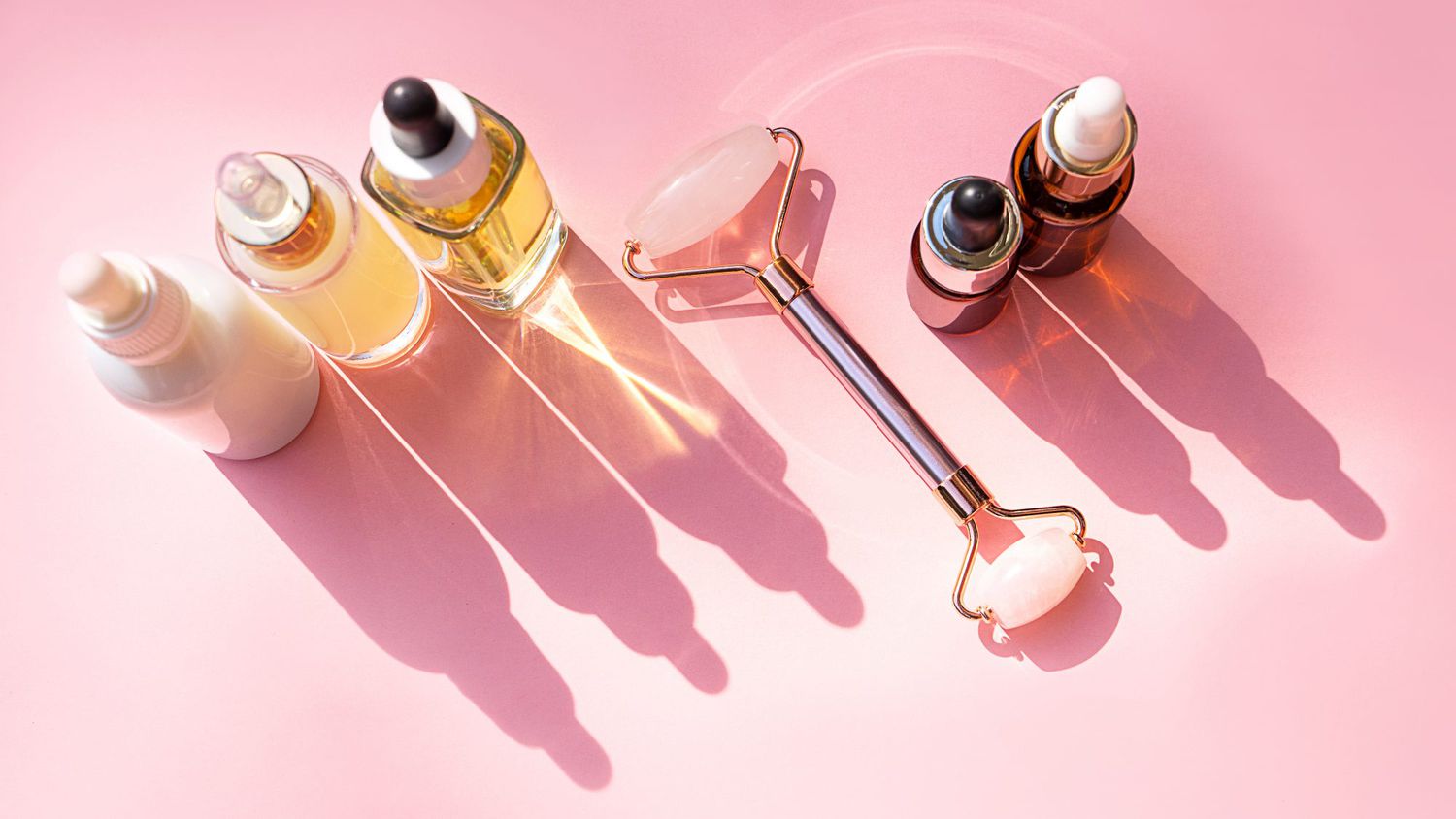
If your bathroom shelf looks like a mini science fair (vitamin C! retinol! acids! peptides!), you’re not alone.
The good news: most skincare “don’t mix” warnings aren’t about ingredients exploding like a volcano.
They’re usually about two much less dramatic (but way more annoying) problems: irritation stacking and ingredient instability.
In other words, the biggest risk isn’t that you’ll invent a new element. It’s that you’ll accidentally bully your skin barrier,
end up red and flaky, and then blame the wrong product. Let’s fix that.
Why Mixing Skincare Ingredients Gets Tricky
1) Irritation is additive (and your face keeps score)
Many “active” ingredients work by speeding up cell turnover, unclogging pores, or dissolving the glue that holds dead skin cells together.
That’s helpfuluntil you layer three of those effects at once. Think of it like exercise: one solid workout builds strength;
five leg days in a row builds regret.
2) Some ingredients can interfere with each other
A few combos can reduce effectiveness because of how ingredients behave in formulas (like oxidation) or because they’re best used at different times of day.
This doesn’t mean you can’t use both ingredients in the same overall routineit often just means separate them by time.
3) Your skin barrier is the bouncer at the club
Your skin barrier’s job is to keep water in and irritants out. When it’s happy, you can tolerate more actives.
When it’s stressed, even your “gentle” cleanser starts acting suspicious.
Supporting ingredients like ceramides, glycerin, and hyaluronic acid don’t just feel nicethey make actives easier to live with long-term.
The Compatibility Cheat Sheet (Save Your Future Self)
| Combo | Mix in the Same Routine? | Why | Better Plan |
|---|---|---|---|
| Retinoid + AHA/BHA | Usually no | High chance of irritation/over-exfoliation | Alternate nights (retinoid one night, acids another) |
| Retinoid + Benzoyl Peroxide | Usually no (unless a combo product) | Can be drying; some forms may reduce retinoid stability | BP in AM, retinoid in PM, or alternate days |
| Vitamin C (L-ascorbic acid) + Strong Acids | Often not ideal | Can sting and overwhelm sensitive skin | Vitamin C in AM, exfoliating acids in PM |
| Vitamin C + Niacinamide | Usually yes | Generally compatible; both support brightening/antioxidant goals | Layer in AM (vitamin C first, then niacinamide if separate products) |
| Hyaluronic Acid + Anything | Yes | Hydration support; helps reduce “active bite” | Use before moisturizer, AM and/or PM |
| Ceramides + Anything | Yes | Barrier support; improves tolerance | Use after actives as your “comfort blanket” step |
Skincare Ingredients You Should Mix (Most of the Time)
Vitamin C + Sunscreen: the daytime power couple
Vitamin C is an antioxidant, which means it helps neutralize free radicals created by UV exposure and pollution.
It’s not a replacement for sunscreen (nothing is), but it can make your morning routine feel like a better-built defense system.
A common approach: cleanse → vitamin C → moisturizer → broad-spectrum sunscreen.
Niacinamide + (Almost) Everything: the peacekeeper ingredient
Niacinamide plays well with many actives because it supports the skin barrier, can calm visible redness, and helps even tone over time.
It’s also one of the most useful “buffer” ingredients if you’re using stronger treatments and want fewer tantrums from your face.
Hyaluronic acid + actives: hydration that doesn’t pick fights
Hyaluronic acid is a humectantmeaning it helps your skin hold onto water.
It won’t cancel out your actives, but it can make your routine feel less harsh, especially if retinoids or exfoliants make you dry.
Ceramides + retinoids/acids: barrier support that pays rent
Ceramides are lipids naturally found in the skin barrier. Using a ceramide-rich moisturizer after stronger actives can help reduce dryness
and keep your routine sustainable. Translation: fewer “I quit skincare forever” moments.
Azelaic acid + niacinamide: calm + clarity
This combo is popular for people dealing with acne-prone skin, uneven tone, or sensitivity.
Azelaic acid is often well-tolerated compared with stronger exfoliating acids, and niacinamide can add a barrier-supporting boost.
(If you’re reactive, introduce one at a time.)
Peptides + moisturizers: the low-drama supporting cast
Peptides are commonly used alongside hydrating ingredients. They’re typically not the ones causing stinging or peeling,
so they can be a good “maintenance” step on nights you’re not using strong actives.
Skincare Ingredients You Shouldn’t Mix (In the Same Routine)
Retinoids + AHA/BHA: “too much turnover” is a real thing
Retinoids (retinol, retinaldehyde, adapalene, tretinoin, etc.) increase cell turnover. AHAs (glycolic, lactic, mandelic) and BHAs (salicylic)
exfoliate by loosening bonds between dead skin cells or clearing pores.
Used together in one routine, the most common outcome is irritation: burning, peeling, and a barrier that feels like it’s filing a complaint.
Better: use one category per night. For example, retinoid Monday/Wednesday/Friday, exfoliant Tuesday/Saturday, and recovery nights in between.
Benzoyl peroxide + retinoids: possible “cancellation,” likely dryness
Benzoyl peroxide (BP) is effective for acne because it reduces acne-causing bacteria and helps keep pores clear.
The catch: it can be drying, and some traditional retinoid formulas can be oxidized by BP.
That’s why many dermatologists recommend separating themBP in the morning, retinoid at nightunless you’re using a product specifically formulated to combine them.
If you do need both, consider alternating days or using BP as a short-contact wash in the morning (then moisturize well).
And if your dermatologist prescribed a fixed-dose combo, follow that planthose products are designed with stability/tolerability in mind.
Vitamin C (especially L-ascorbic acid) + benzoyl peroxide: not best friends
Vitamin C is an antioxidant; benzoyl peroxide is an oxidizing acne treatment. Pairing them in the same routine can be irritating
and may reduce the “punch” of your vitamin C product.
A smoother approach: vitamin C in the AM, BP in the PMor BP in AM and vitamin C on BP-free mornings if you’re sensitive.
Vitamin C + strong exfoliating acids: not forbidden, just often uncomfortable
Some people can tolerate it, but many can’tespecially if you’re using a low-pH vitamin C serum and then add glycolic acid right on top.
If your face stings, that’s not “proof it’s working.” That’s your skin saying, “Hello, I would like a break.”
Better: vitamin C in the morning, exfoliating acids at night (and not every night).
Multiple exfoliants at once (AHA + BHA + scrub): the fast lane to irritation
It’s tempting to throw everything at clogged pores or rough texture. But stacking exfoliation (like a peel pad + salicylic serum + gritty scrub)
can trigger redness, micro-irritation, and rebound oiliness in some people.
Better: choose one exfoliation method, use it 1–3 times per week to start, and watch your skin’s response.
Retinoids + “spicy extras” (harsh scrubs, strong fragrance, alcohol-heavy toners)
Retinoids can make skin more reactive at first. Adding physical scrubs or heavily fragranced products during the adjustment period
can magnify irritation. If you want results from retinoids, keep the rest of the routine boring (boring works).
How to Layer Actives Without Wrecking Your Skin
The simple AM routine (most skin types)
- Cleanser (gentle, not squeaky)
- Antioxidant step (often vitamin C, optional)
- Moisturizer (especially if using actives)
- Broad-spectrum sunscreen (SPF 30+ is a common baseline)
The simple PM routine (choose one “hero active”)
- Cleanser
- One active: retinoid or exfoliating acid or acne treatment
- Moisturizer (ceramides/glycerin are your friends)
The “moisturizer sandwich” for sensitive skin
If retinol makes you peel like a sunburnt sticker, try this: moisturizer → retinoid → moisturizer.
It can reduce irritation while still letting you build tolerance over time.
Sample Schedules (So You Don’t Have to Do Routine Sudoku)
Schedule A: Acne-prone + sensitive
- AM: Gentle cleanse → niacinamide (optional) → moisturizer → sunscreen
- PM (3 nights/week): Cleanse → retinoid → moisturizer
- PM (2–3 nights/week): Cleanse → salicylic acid or benzoyl peroxide (pick one) → moisturizer
- PM (recovery nights): Cleanse → moisturizer only
Schedule B: Dark spots + texture
- AM: Cleanse → vitamin C → moisturizer → sunscreen
- PM (2–4 nights/week): Retinoid night
- PM (1–2 nights/week): AHA night (glycolic/lactic/mandelic)
- PM (recovery nights): Barrier-focused moisturizer
How to Tell If Your Mix Isn’t Working
A little tingling from an acid can be normal. But persistent stinging, redness that hangs around, tightness, cracking,
or sudden sensitivity to products you used to tolerate often means your barrier is stressed.
What to do (the reset plan)
- Stop all strong actives for a few days (sometimes a week).
- Use a gentle cleanser, a simple moisturizer (ceramides/glycerin), and sunscreen.
- Restart with one active at a time, 2–3 nights/week, then slowly increase.
Extra Notes That Matter
If you’re using prescription treatments
Prescription retinoids and acne combinations can be powerful and effective, but they often come with a learning curve.
Follow your prescriber’s instructions firstespecially if you’re on a fixed-dose combination product that’s designed for stability.
If you’re pregnant or trying to become pregnant
Many medical organizations advise avoiding retinoids during pregnancy out of caution.
If that’s relevant for you, ask a healthcare professional for personalized guidance before using retinoids.
Sun protection is non-negotiable when using actives
Exfoliants and retinoids can make skin more prone to irritation, and UV exposure can worsen discoloration.
Daily sunscreen is the “boring” step that protects all the “exciting” steps you paid for.
Conclusion
Mixing skincare ingredients doesn’t need to feel like defusing a bomb. The smartest strategy is simple:
pick one main active per routine, support your skin barrier, and separate ingredients that compete or irritate when layered together.
If you remember nothing else, remember this: consistency beats intensity, and your skin likes progressjust not chaos.
Experience-Based Notes (What People Commonly Notice in Real Life)
Below are composite, real-world-style scenariospatterns that many skincare users report when they start mixing (or separating) actives.
Use them as “this might be me” checkpoints, not as a diagnosis.
Scenario 1: The “I used retinol and acids together and now I’m tight and shiny” moment
This usually starts with good intentions: smoother texture, fewer breakouts, faster glow. So someone uses an AHA toner,
then applies retinol because the internet said “cell turnover.” The next morning, their skin looks oddly shiny, feels tight,
and makeup clings to dry patches that weren’t there last week. They assume the retinol is “purging,” so they push through
but the irritation builds. When they finally pause actives, switch to a gentle cleanser, ceramide moisturizer, and sunscreen,
the tightness eases within days. When they reintroduce retinol only 2–3 nights per week and keep acids to one separate night,
they often get the benefits with far less drama. The lesson most people learn here: the glow shows up faster when your barrier isn’t busy putting out fires.
Scenario 2: The “benzoyl peroxide + retinoid = desert skin” surprise
Acne flares, so benzoyl peroxide goes on. Fine lines or clogged pores? Add a retinoid too. The combo can work in the same overall plan,
but when both are used in the same routineespecially leave-on benzoyl peroxide plus retinolmany people notice peeling around the mouth,
stinging after cleansing, and a feeling like their moisturizer “does nothing.” A common turning point is separating the treatments:
benzoyl peroxide in the morning (or as a short-contact wash) and retinoid at night, plus a richer moisturizer.
People often report that breakouts still improve, but their skin stops feeling like it’s negotiating for basic human rights.
The big takeaway: acne routines shouldn’t be a punishmenttiming and buffering can keep them effective and tolerable.
Scenario 3: The “vitamin C stings, so I quit it” story (that doesn’t have to end that way)
Some people try a strong L-ascorbic acid serum and immediately feel tinglingespecially if they also exfoliate frequently.
They assume vitamin C “isn’t for them.” Often, the issue is context: applying vitamin C right after a harsh cleanse,
layering it with acids, or using it when the barrier is already stressed. When they switch to a gentler cleanser,
use vitamin C on mornings after a simple night routine, and follow with moisturizer and sunscreen,
many report that the sting fades. Others do better with a lower concentration or a gentler derivative.
The practical lesson: vitamin C isn’t automatically “too strong,” but pairing it with too many other intense steps can make it feel that way.
Scenario 4: The “niacinamide fixes my routine” effect
This one is quieter, but it comes up a lot: someone has a routine full of actives, and everything technically makes sense,
yet their skin feels reactiverandom redness, flaky corners, or a constant “slightly annoyed” baseline.
They add a simple niacinamide serum or moisturizer and don’t see fireworks overnight, but within a few weeks,
they often notice their skin feels more even, less reactive, and better able to tolerate their retinoid nights.
Some people also report less visible oiliness or a calmer look around breakouts. It’s not that niacinamide replaces stronger actives;
it’s that it can make the whole routine feel more stable. The takeaway: the best skincare progress often comes from strengthening the basics,
not stacking more “power” steps.