If “fast furniture” is the microwave dinner of interior design, slow design is the simmering pot of Sunday sauce:
richer, better with time, and somehow it tastes like you have your life together. Slow design isn’t about living in a
museum or spending your rent on a chair with a “pedigree.” It’s the opposite. It’s the practice of choosing fewer
things, choosing them well, and letting the story of your space unfold at human speed.
Remodelista captured that spirit perfectly in its feature on Los Angeles–based creative Jason Murakawa and his tabletop
rental and event design company, Small Masterpiece. The premise is refreshingly simple: Murakawa spent years collecting
vintage tableware (think classic Haviland Limoges, white ironstone, and early American pressed flint glass goblets),
then turned the collection into a way for other people to host gatherings that feel personal, layered, and alive.
The “slow” part isn’t just the antiques. It’s the patience, the eye, and the refusal to make everything match like a
catalog display.
What “Slow Design” Really Means (And Why It’s Having a Moment)
Slow design sits in the same family as slow food and slow fashion: it values craft, longevity, repairability, and
meaning over speed, hype, and disposability. In home terms, it’s a gentle rebellion against buying a room’s worth of
“stuff” in a weekend because your couch looks lonely on Instagram.
Recently, the concept has been showing up everywhere under the friendlier label “slow decorating”a movement that
encourages taking your time, learning your preferences, and building a home from pieces you actually care about.
That shift isn’t only aesthetic; it’s practical. When you decorate slowly, you’re more likely to buy once, buy better,
and avoid the cycle of replacing flimsy trend-driven items every season.
Slow design also plays nicely with sustainability. The greenest object is often the one that already exists. Vintage,
secondhand, and rental models keep quality goods in circulation longer, which reduces demand for new production and
cuts down on waste.
The Remodelista Story: How Small Masterpiece Makes “Slow” Feel Special
In Remodelista’s profile, Jason Murakawa comes across like the kind of person who can spot a perfect plate from across
a dusty booth while the rest of us are still figuring out if we’re looking at a plate or a decorative birdbath.
He collected over timethrough antique shows, auctions, and small townsthen built Small Masterpiece so his treasures
wouldn’t “languish” on shelves. Instead, they become the supporting cast for dinners, weddings, and celebrations.
What makes this slow design (instead of just “pretty dishes”) is the philosophy behind the styling. Murakawa is known
for mixing and matching in a way that feels intentional but not precious. As Remodelista puts it, he aims for
“imperfect table settings that don’t look sterile.” That one sentence is basically the mission statement for anyone
who’s tired of spaces that feel staged rather than lived in.
Small Masterpiece isn’t limited to plates and goblets. The curation extends to vintage folding lodge chairs,
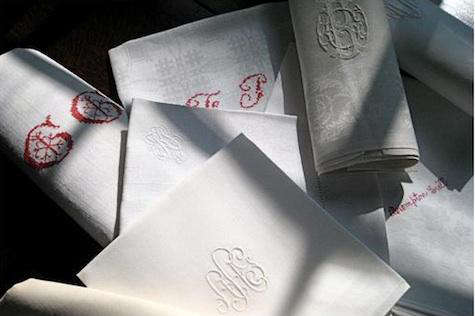
monogrammed linen tablecloths and napkins, and classic flatwaredetails that instantly make a table feel like it has a
backstory. When guests sit down, they’re not just eating. They’re participating in a vibe. (Yes, “vibe” is a valid
design metric. Don’t let anyone tell you otherwise.)
Why a Table Setting Can Be the Ultimate Slow-Design Project
Most people think of slow design as architectural: handcrafted cabinetry, limewash walls, heirloom wood furniture.
But a table is one of the most powerful places to practice itbecause it’s where design turns into experience.
You can’t “scroll past” a table the way you scroll past a living room photo. You sit at it. You touch it. You share
stories over it. A slow table is design you can taste.
1) It’s tactile (and that matters)
Vintage porcelain has a different weight than mass-produced plates. Ironstone has that sturdy, workhorse feel that
makes even takeout look like a proper meal. Old glass has a tone and brilliance modern bargain glassware rarely
matches. These sensory cues signal careand guests feel it, even if they can’t name it.
2) It’s inherently personal
A room can feel intimidating to “get right.” A table gives you a smaller canvas with immediate payoff. You can test
combinations: floral plates with plain white ironstone, mismatched goblets that still share a similar silhouette,
napkins that look like they’ve been through a few good parties (because they have). You build taste by doing, not by
pinning.
3) It’s built for community
Slow design isn’t only about objectsit’s about the life around them. A table setting is an invitation. It says:
“Come sit. Stay a while. Eat something warm.” In a city as spread out as Los Angeles, that invitation can be its own
kind of luxury.
The “Rules” of a Slow Table (Spoiler: They’re More Like Suggestions)
The fastest way to kill slow design is to turn it into a rigid checklist. The goal isn’t perfection. It’s resonance.
Still, a few guiding principles help you get the Small Masterpiece effect without needing a warehouse of antiques.
Start with one anchor piece
Choose a “hero” element: a stack of blue-and-white plates, a set of cloudy antique goblets, a linen tablecloth with a
monogram, or even a simple white ironstone platter. Your anchor is the thing that makes you a little excited to set
the table. Everything else can be supporting actors.
Mix patterns, unify by mood
Matching is optional. Harmony is not. You can mix florals, stripes, and solids if the overall mood is cohesive:
airy and light, moody and candlelit, rustic and earthy, or crisp and modern. If you’re nervous, unify with one repeat:
the same napkin color, the same metal finish, or a consistent glass shape.
Let “imperfect” be your secret weapon
Slightly different plate rims? Great. A few pieces with tiny signs of age? Even better. The point is to avoid that
sterile “everything came from the same box” feeling. Imperfection reads as humanand humans tend to be more fun at
dinner parties than boxes.
Use linens like you mean it
Linen is a slow-design superstar: durable, washable, and better with age. Vintage or monogrammed linens bring instant
character. If you don’t have those, start with a neutral linen tablecloth and build from there. The texture does a
lot of heavy lifting.
How Slow Design Connects to Sustainability (Without Becoming a Lecture)
Sustainability can feel like homework. Slow design makes it feel like common sense. When you buy durable pieces,
collect secondhand, or rent instead of purchase single-use items, you reduce waste and keep quality objects in use.
That’s why rentalsespecially for eventsare quietly powerful. Weddings and parties can generate a lot of waste, and
rentals are a straightforward way to avoid piles of disposable tableware and décor that only get used once.
Small Masterpiece’s model is a case study in circularity: a curated collection is preserved, cared for, and reused
across many gatherings. It’s not only beautiful; it’s efficient. And it sidesteps the classic post-party question:
“Where am I going to store 150 champagne flutes?” (Answer: in your garage, right next to the treadmill you swear you
still use.)
Los Angeles Is a Slow-Design Playground (If You Know Where to Look)
LA has a reputation for speedtraffic, trends, schedules, the eternal hunt for parking. But it’s also a city of makers,
collectors, flea markets, and small creative businesses. If you want to build your own slow-design table story,
Southern California is basically handing you the props.
Flea markets and antique fairs
The Rose Bowl Flea Market in Pasadena is legendary for a reason: it’s huge, it rewards patience, and it’s the kind of
place where you can find a single perfect object that changes how you see your whole home. Nearby, the Long Beach
Antique Market is another go-to for vintage décor and tabletop finds. The point isn’t to buy a full set in one day.
The point is to let the hunt teach you what you love.
Antique stores and estate sales
Estate sales are the slow decorator’s secret superpower. You often find complete groupingsmatching flatware, stacks of
plates, or linen collectionsthat would take years to assemble one piece at a time. Go for the classics: ironstone,
sturdy serving platters, simple glassware, and linens with beautiful handwork.
Local artisans and small studios
Slow design also includes new objects made slowly. Handmade ceramics, small-batch candles, and locally sewn napkins
can sit right alongside antiques. This mixold plus newis exactly what makes a table feel current instead of themed.
A Practical “Small Masterpiece” Blueprint for Your Next Gathering
You don’t need a warehouse of antique china to host like a slow-design person. Here’s a realistic approach that works
for actual humans with actual budgets.
Step 1: Choose the story
- Seasonal: citrus + herbs + natural linen for an LA winter table.
- Old Hollywood: crystal-style glassware, black napkins, candlelight.
- Garden lunch: mismatched floral plates, simple white serving bowls, lots of greenery.
- Modern heirloom: mostly neutral pieces with one bold vintage accent (blue china, amber glass).
Step 2: Build your “capsule collection”
Think like a wardrobe. You want a handful of versatile pieces that work with everything:
- Neutral dinner plates (white ironstone is ideal)
- One patterned salad plate style (or two that mix well)
- Simple flatware that feels good in your hand
- Glassware you love (even if it’s mismatched)
- A linen tablecloth and a set of cloth napkins
Step 3: Rent or borrow the “wow” layer
This is where the Small Masterpiece method shines. Instead of buying specialty pieces you’ll rarely use, rent a set
of antique goblets for a celebration, borrow extra chairs, or rent linens in a color you don’t want to commit to
long-term. You get the impact without the storage unit.
Step 4: Style with restraint
Slow design isn’t about piling on. It’s about editing. A few candles, one or two low arrangements, and a bowl of
something tactile (lemons, pears, walnuts) can be more effective than a towering centerpiece that blocks conversation.
Why Jason Murakawa’s Background Matters
Remodelista notes that Murakawa trained as a graphic designer and creative director (and studied at ArtCenter College
of Design). That matters because a great table is basically graphic design in three dimensions: composition, rhythm,
contrast, repetition, and negative spaceexcept you can eat it.
A designer’s eye is what turns “random vintage dishes” into a scene. It’s why a mix can feel intentional instead of
chaotic. And it’s a reminder that slow design is a skill you can learn. You develop it the same way Murakawa did:
by looking carefully, practicing often, and letting time do its thing.
Slow Design Isn’t a Style. It’s a Pace.
Minimalism can be fast (buy a white sofa, done). Maximalism can be fast (buy everything, panic later). Slow design is
different: it’s a pace you choose on purpose. It asks you to notice what you already have, honor the objects that last,
and stop treating your home like it has to be “finished” to be worthy of living in.
Small Masterpiece, as framed by Remodelista, is a masterclass in that pace. A collection built over years becomes a
shared experience for others. Antique plates and goblets move from shelf to table to laughter to memory. That’s slow
design at its best: not just how things look, but how they’re used.
of Real-World “Slow Design” Experiences to Picture (and Steal)
Imagine walking into a dinner party where nothing matches perfectly, and somehow it feels more expensive. The plates
aren’t identicalbut they share a quiet confidence. A floral salad plate sits on a plain white ironstone dinner plate,
and the contrast makes both look better. The goblets aren’t a shiny, modern set; they’re slightly heavier, a little
more brilliant, and when someone sets one down, it makes a small, satisfying sound that says, “This is the good stuff.”
No one announces these details. Guests just slow down without being told.
Slow design experiences often start before anyone arrives. You set the table earlier than you “need” tonot because
you’re stressed, but because the process is the point. You iron the linen (or you don’t, and you decide the wrinkles
are charming). You place napkins with that casual fold that looks accidental but is absolutely not accidental. You
test a few combinations of plates and switch them around until the table feels balanced. It’s like adjusting a playlist:
you’re aiming for flow, not perfection.
Then the best part happens: the table starts doing social work for you. People comment on one odd little detaila
monogram on a napkin, a delicate gilded rim, a serving spoon that looks like it has seen a hundred holidays. Someone
asks where you found it. You don’t have to give a grand speech. You can just say, “I picked it up over time,” which is
slow design’s most underrated flex. Another person mentions their grandmother had similar plates. Suddenly you’re not
just hosting dinner; you’re hosting memory.
Slow design also changes how the night feels. Because the table is built from real objectsporcelain that’s lasted,
linens meant to be washed, glassware meant to be usedthere’s less anxiety about “keeping everything perfect.” A spill
happens, and it’s not a disaster. Someone laughs, you dab it with a cloth napkin, and the party continues. That’s the
paradox: when you choose durable, time-tested pieces, you can relax more, not less.
And when the evening ends, slow design quietly keeps winning. You’re not throwing away piles of disposable plates and
plastic cups. You’re stacking dishes, rinsing glassware, folding linens. The cleanup feels like the final chapter of
the story instead of the punishment after the fun. The objects go back into your cabinet (or back to the rental company),
ready to return again. That’s the real Small Masterpiece lesson: design isn’t a look you buy. It’s a ritual you repeat.