Somewhere between “I should really write this down” and “I will definitely remember this later” (spoiler: you won’t), there’s a humble hero: the notebook. And not just any notebookSparrow & Co. notebooks, a small-batch set that’s been quietly charming stationery people for years with two very persuasive arguments: recycled paper and covers you actually want to look at.
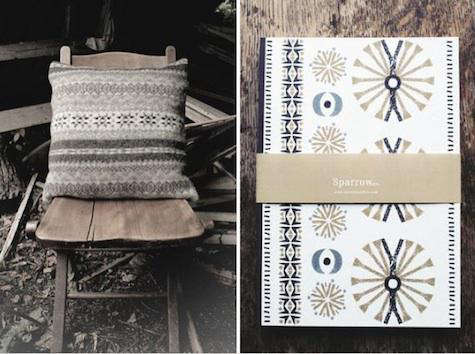
If you’ve seen these notebooks pop up in design corners of the internet, you’re not imagining things. They were originally presented as a set of two A5 notebooks featuring cover illustrations by Debbie Powell, printed in Scotland on 100% recycled paper with unruled pages. Translation: they’re minimalist, artsy, and ready for whatever your brain throws at themmeeting notes, sketches, grocery lists, poetry, or the 37th attempt at a to-do list that somehow becomes a “to-cry” list.
Let’s break down what makes Sparrow & Co. notebooks worth talking aboutthen get practical about how to use blank-page notebooks without drifting into abstract-art chaos (unless that’s the goal; no judgment).
What Are Sparrow & Co. Notebooks?
The classic Sparrow & Co. notebook set is best understood as “beautifully simple.” The details that matter are exactly the details you want:
- Format: 2 notebooks in one set
- Size: A5 (a just-right everyday carry size)
- Paper: 100% recycled
- Layout: unruled (blank pages)
- Length: 128 pages
- Production: printed in Scotland
- Design: cover illustrations by Debbie Powell (exclusive for Sparrow & Co.)
That’s the whole pitch, and honestly, it’s refreshing. In a world where notebooks come with apps, QR codes, “smart” scanning features, and the emotional burden of being your “life operating system,” Sparrow & Co. notebooks show up like: “Hi. I’m paper. I’m here for you. Let’s not overcomplicate this.”
Why A5 Is the Goldilocks Size
A5 is widely loved because it’s big enough to think on, small enough to carry, and not so huge that it turns into a desk-only commitment. It fits in most backpacks and many totes, and it’s comfortable for both quick notes and longer writing sessions.
If you’re used to letter-size notepads, A5 might feel compact at firstbut that’s part of the appeal. It nudges you toward clarity. You can’t sprawl forever, which (depending on your relationship with rambling) is either a blessing or a personal attack.
Best use-cases for an A5 notebook
- Work notes: daily standups, client calls, meeting minutes
- School: lecture notes, reading notes, study outlines
- Creative work: sketching, design thumbnails, brainstorming maps
- Personal journaling: quick reflections or longer entries
Blank Pages: Freedom, With a Tiny Side of “Where Do I Start?”
Unruled pages are either your dream or your villain origin story. If you love structure, blank paper can feel like stepping onto an ice rink in socks. But blank pages are also the most adaptable formatespecially if your notebook needs to switch roles (notes today, sketchbook tomorrow, travel journal on Friday).
How to add structure without ruining the blank-page vibe
Here are three low-effort methods that keep your Sparrow & Co. notebooks flexible:
- The “fake lines” trick: Slide a lined guide sheet behind the page and write on top. You get straight lines, the page stays blank, and your notebook doesn’t know you cheated.
- The “soft grid” approach: Lightly pencil a margin and a title line. It’s subtle structure without turning the page into a spreadsheet.
- The “corner anchors” method: Mark small dots in the corners to keep headings aligned. It’s like training wheels for your handwriting.
Bonus tip: If your handwriting tends to slant like it’s trying to escape the page, blank notebooks aren’t the problem. Gravity is. (Okay, it’s practice. But gravity is a convenient scapegoat.)
Paper Matters: Pens, Ink, and the Reality of “Show-Through”
Notebook people talk about paper the way coffee people talk about beans. It’s not “paper.” It’s paper: feel, absorbency, feathering, bleed-through, and whether it makes your pen look like a superhero or a sad puddle.
Since the Sparrow & Co. notebooks are described as 100% recycled paper, it’s smart to expect a slightly different behavior than ultra-coated, fountain-pen-optimized papers. Recycled paper can be wonderfully tactile, but ink performance varies across recycled stocks.
Practical pen pairing (so you don’t learn the hard way)
- Ballpoint pens: usually safe and clean, minimal bleed-through
- Pencil: excellent for sketching and flexible layouts
- Gel pens: smooth, but test for smudging and show-through
- Fountain pens: gorgeous… if the paper cooperates. Test first on a back page.
- Markers: proceed carefully; use one side of the page if needed
A smart habit for any new notebook (especially blank ones) is to create a pen test page in the back: write a few lines with your most-used pens, add a swatch of ink, and see what happens. You’ll know immediately whether your “daily driver” pen is a gentle guest or the kind of friend who breaks a chair at your apartment party.
Debbie Powell Covers: The “I Actually Want to Carry This” Factor
Let’s not pretend we’re above judging a notebook by its cover. A notebook is an object you touch constantlyso aesthetics matter. The cover illustrations by Debbie Powell (created exclusively for Sparrow & Co.) are a big part of the notebooks’ appeal: they’re decorative without being precious, design-forward without screaming for attention, and they look like they belong in a well-lit studio where somebody owns exactly one plant and keeps it alive.
This is underrated: if you like the notebook, you’re more likely to use it. That’s the entire productivity hack. Not “wake up at 4 a.m.” Not “biohack your dopamine.” Just… like the notebook enough to open it.
Sustainability and Recycled Paper: Small Choice, Real Impact
Sustainability claims can get vague fast (“eco-friendly vibes!”), but recycled paper is one of the clearer levers consumers can pull. Choosing recycled content helps reduce demand for virgin fiber and can reduce waste headed for landfills.
The Sparrow & Co. notebooks are described as 100% recycled paper, which places them firmly in the “low-drama, high-integrity” category of stationery. No grandstandingjust a practical material choice.
How to make a recycled-paper notebook last longer
- Use a book band if you toss it into bags regularly (protects corners and covers).
- Dedicate a purpose (even loosely). A notebook with a job gets finished.
- Store flat if you’re archiving; store upright if you’re using it daily.
- Date the first page so future-you can appreciate your progress (or your chaos).
How to Use Sparrow & Co. Notebooks for Work, School, and Creative Projects
Because these are unruled A5 notebooks, they’re basically stationery shapeshifters. Here are specific, proven formats that work well on blank pagesno special tools required.
1) The Cornell-style layout (yes, even on blank paper)
Divide the page into a narrow left column (cue questions), a wide right column (notes), and a bottom summary section. On blank pages, you can lightly pencil the divisions or use a guide sheet. This is fantastic for lectures, trainings, and dense meetings because it builds review into the page.
2) Meeting notes that don’t become spaghetti
- Top line: meeting title + date
- Left margin: action items (checkboxes)
- Main area: notes in bullets
- Bottom: “Decisions” and “Next steps”
The blank page helps here because you can draw quick diagrams, org charts, or timelines without fighting lines.
3) Brainstorming maps that stay readable
Start with a center title, then branch outward. Keep one branch per idea theme. The trick is to label branches with verbs (“launch,” “test,” “design,” “fix”) so your brainstorm translates into action later.
4) Bullet journaling (without the pressure to be an artist)
You can bullet journal in blank notebooks by drawing light guide dots or using a template sheet behind the page. Use simple boxes, symbols, and headingsno watercolor required. Your future log can be two pages. Your monthly can be one page. The method is meant to flex, not force you into a stationery Olympics routine.
5) Sketching and visual thinking
If you sketch even a little, blank pages feel natural. Use thumbnails to plan designs, map a room layout, or storyboard an idea. The key is to label sketchesotherwise you’ll revisit them later and think, “Wow. I used to have thoughts.”
How They Compare to Other Notebooks People Love
Let’s put Sparrow & Co. notebooks in context. They’re not trying to be a heavyweight hardcover journal with numbered pages and built-in indexes. They’re more like: a simple, good-looking pair you can actually finish.
Compared to premium hardcover journals
Premium hardcover notebooks (often recommended by major lifestyle and tech publications) tend to emphasize durability, standardized paper weights, and features like bookmarks and pockets. Sparrow & Co. notebooks are more minimalless “feature-packed,” more “pure notebook.”
Compared to thin-paper luxury notebooks
Some luxury notebooks intentionally use very thin paper while treating it to resist feathering. That can make a notebook light and elegant, but it’s also not everyone’s vibeespecially if you want to doodle, use markers, or write aggressively with gel pens.
Compared to everyday store notebooks
Big-box notebooks are affordable and convenient, but the paper and binding can be hit-or-miss. Sparrow & Co. notebooks stand out by leaning into a curated design identity (Debbie Powell covers) and a material choice (100% recycled paper) that feels intentional.
Buying Tips: Where to Find Sparrow & Co. Notebooks Today
Because these notebooks were highlighted in design and shopping roundups years ago, availability may be limited compared with mass-market brands. If you’re looking for Sparrow & Co. notebooks specifically, search with details like “A5,” “Debbie Powell,” and “set of two.” You may also find them through resale marketplaces or vintage/secondhand stationery sellers.
One important note: online searches may surface other businesses with “Sparrow & Co.” in the name. When you’re trying to find these notebooks, the Debbie Powell cover illustrations, the A5 set format, and the recycled unruled pages are the quickest identifiers.
If you can’t find them, here’s how to shop for a close alternative
- Choose A5 if you want a similar carry-and-use experience.
- Look for recycled paper if sustainability is core to your choice.
- Pick blank pages if your use case includes sketching or flexible layouts.
- Test pen compatibility if you use fountain pens or juicy gel inks.
Conclusion: A Simple Notebook That Invites You to Use It
Sparrow & Co. notebooks are a reminder that the best notebook isn’t always the one with the most featuresit’s the one you’ll actually open. The set’s charm comes from its essentials: A5 portability, 100% recycled paper, blank pages that adapt to your day, and Debbie Powell covers that make the notebook feel like a personal object rather than office supply collateral.
If you want a notebook that can be a journal, a sketchbook, a planning tool, and a brain-dump zonesometimes all in the same weekthis style of notebook is exactly the right kind of flexible. And if you’re worried about “messing it up,” congratulations: you’re already using it like a real notebook owner. Mess is part of the contract. The pages can take it.
Experience Section: 7 Real-World Ways People Put Sparrow & Co.-Style Notebooks to Work
This section is all about practical experiencewhat tends to work in real life when you’re using a pair of A5 blank notebooks like Sparrow & Co. notebooks. Think of these as scenarios you can copy, remix, or ignore (in which case your notebook may become a very stylish coasteragain, no judgment).
1) The “Two Notebooks, Two Brains” system
A surprisingly effective approach is giving each notebook a role. Notebook A becomes “work and logistics” (meetings, tasks, plans). Notebook B becomes “creative and personal” (ideas, sketches, journaling). This simple split reduces the mental friction of flipping through pages to find a note you scribbled next to a doodle of a raccoon wearing a crown. It also makes it easier to finish a notebookbecause each one has a clear mission.
2) The blank-page bullet journal that doesn’t try to win awards
Many people love bullet journaling but hate the pressure to decorate. Here’s a blank-page version that stays useful: create a simple index on the first two pages, then use basic symbols (dot = note, box = task, dash = event). For monthly planning, draw a quick two-page grid or a vertical list of dates. The blank paper helps because you can change the layout whenever life changesnew job, new class schedule, new obsession with making sourdough (we all have seasons).
3) The “meeting minutes + diagram” hybrid
Blank pages shine when your notes need visuals. People often jot bullet points on the right side of the page and reserve the left side for diagrams: a quick workflow, a timeline, a product sketch, a decision tree. This reduces the “all words, no meaning” problem. Even a tiny doodlelike arrows showing what happens first, second, thirdcan make your notes instantly easier to use later.
4) The “project log” for creative work (design, writing, content)
A notebook becomes powerful when it tracks a project from messy beginning to finished result. A common experience-based practice: dedicate one spread per project phaseresearch notes, rough drafts, feedback, revisions, final checklist. For content work, you can keep: headline ideas, keyword variations, outline options, and a mini post-mortem after publishing (“What worked? What flopped? What will I do differently?”). Over time, this becomes a personal playbook.
5) The “daily brain dump” that prevents 2 a.m. spirals
One of the most consistent notebook habits people stick with is a five-minute daily brain dump: write whatever is cluttering your mindtasks, worries, reminders, random thoughts. The key is speed, not beauty. Blank pages help because you’re not trying to fit your thoughts into lines; you’re just unloading them. Many people add one final line at the bottom: “One small next step.” That’s the bridge from feelings to action.
6) The “travel notebook” that stays compact and meaningful
A5 notebooks are travel-friendly without being tiny. A common use: one page per day with three anchors Where I went, What I noticed, What I’d do again. Blank pages also make it easy to tape in a ticket stub, sketch a storefront, or create a tiny map of a neighborhood you loved. You don’t need a scrapbookjust a notebook that welcomes imperfect memory.
7) The “skill builder” notebook for handwriting, lettering, or sketch practice
People who want to improve handwriting or drawing often use blank notebooks as low-pressure practice space. The experience-based trick is to keep sessions short: 10 minutes of lettering drills, or 10 minutes of sketching everyday objects (a mug, a shoe, your very dramatic houseplant). The point isn’t perfectionit’s repetition. Over weeks, you’ll see clear improvement, and the notebook becomes evidence that you actually did the work.
The big takeaway from all these experiences is simple: the best notebook system is the one you’ll use on a busy day. Sparrow & Co. notebooks (and notebooks like them) succeed because they’re flexible and inviting. They don’t demand a “right way” to writethey just give you a clean page and quietly let you become the kind of person who remembers things. Or at least the kind of person who remembers where you wrote them down.