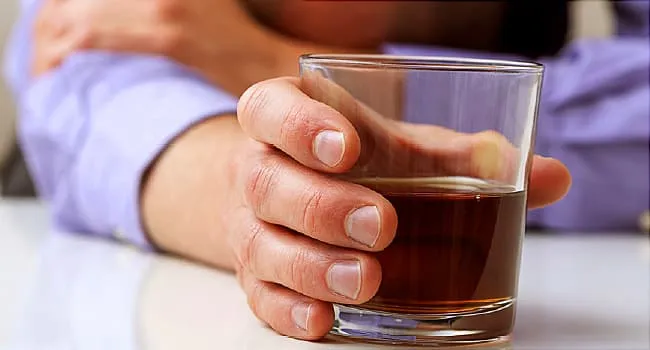
If you’ve ever joked that your “daily coffee addiction” should qualify as a substance use disorder, you’re not totally wrong about how powerful substances can bethough your latte probably isn’t the main concern here. When experts talk about substance abuse and substance use disorders (SUDs), they’re usually referring to alcohol, tobacco and nicotine products, prescription medications, and illicit or recreational drugs that change how the brain works and, over time, can seriously harm health, relationships, and finances.
This guide breaks down the major drug types, along with alcohol, tobacco, and more, using evidence-based information from leading U.S. health organizations. We’ll keep it clear, practical, and a little bit human (because this topic is heavy enough without sounding like a robot wrote your health class textbook).
What Is Substance Abuse and Substance Use Disorder?
Substance abuse usually means using a substance in a risky, harmful, or non-medical waylike drinking until you black out on weekends, taking prescription pain pills that weren’t prescribed to you, or vaping nicotine all day even though you keep saying you’ll cut back.
Clinicians today mostly use the term substance use disorder (SUD). It’s a medical condition where compulsive substance use continues despite clear negative consequences. The American Psychiatric Association describes SUD as involving changes in brain circuits related to reward, stress, and self-control. Over time, it becomes harder to feel “normal” without the drug, and stopping can trigger withdrawal and intense cravings.
Signs of a substance use disorder can include:
- Needing more of the substance to get the same effect (tolerance)
- Spending a lot of time obtaining, using, or recovering from it
- Cravings and feeling “off” or irritable when you don’t use
- Neglecting work, school, or family responsibilities
- Continuing to use despite health, relationship, or legal problems
Substance use disorders are treatable brain conditions, not moral failures. That perspective matters, because shame is one of the biggest barriers to getting help.
Common Drug Types Involved in Substance Abuse
Drugs that are commonly misused fall into a few big buckets based on how they act on the brain. Many sources, including NIDA (National Institute on Drug Abuse), categorize them as depressants, stimulants, hallucinogens, opioids, and other psychoactive substances.
1. Depressants: Slowing the System Down
Depressants don’t make you “depressed” emotionally; they slow activity in the central nervous system. This can make you feel relaxed and sleepybut also impair judgment and breathing at higher doses.
Common depressants include:
- Alcohol (yes, more on this big one later)
- Benzodiazepines like diazepam (Valium) or alprazolam (Xanax)
- Barbiturates, used less often today but still around
- Some sleep medications
Short-term effects may include calmness, drowsiness, slowed reaction time, and poor coordination. At high doses or when mixed with other depressants (like alcohol and opioids), these drugs can suppress breathing and cause overdose.
2. Stimulants: Speeding Everything Up
Stimulants crank up the brain’s activity, increasing energy, alertness, heart rate, and blood pressure. People may use them to stay awake, study longer, party harder, or “get things done.”
Common stimulants include:
- Cocaine
- Methamphetamine
- Prescription stimulants like Adderall and Ritalin, when misused
- Caffeine (legal and widely used, but still a psychoactive stimulant)
In the short term, stimulants can create euphoria and confidence. Over time, misuse can lead to anxiety, paranoia, heart problems, and in some cases, strokes or heart attacks.
3. Opioids: Powerful Painkillers with High Risk
Opioids are a class of drugs used medically for pain reliefand heavily involved in today’s overdose crisis.
They include:
- Prescription pain relievers like oxycodone, hydrocodone, and morphine
- Heroin, an illicit opioid
- Fentanyl and other synthetic opioids, often much stronger than heroin
Misuse of prescription opioidstaking more than prescribed, using someone else’s medication, or using them to “get high”has been recognized as a major public health problem in the United States. Opioids can cause intense euphoria but also slow breathing. In overdose, breathing can stop altogether.
4. Hallucinogens and Dissociative Drugs
Hallucinogens and dissociative drugs alter perception, mood, and thought. People may see, hear, or feel things that aren’t there or experience time and reality differently.
Examples include:
- LSD
- Psilocybin (magic mushrooms)
- MDMA (ecstasy or molly)
- Ketamine and PCP, which have dissociative effects
Some hallucinogens are being studied in tightly controlled medical settings for certain mental health conditions, but recreational use can still be risky and unpredictableespecially when pills or powders are contaminated with fentanyl or other substances.
5. Other Psychoactive Substances
Other substances commonly involved in misuse include:
- Inhalants (like solvents and aerosols) that can cause sudden death even on first use
- Designer or synthetic drugs, such as some “bath salts” or synthetic cannabinoids
- Misused over-the-counter medications, like certain cough syrups or sleep aids
The common thread is that these substances change brain chemistry and behavior in powerful ways, and misuse can quickly snowball into serious health problems.
Alcohol: A Legal Drug with Big Consequences
Alcohol is so normalized that buying a bottle of wine is easier than getting a flu shot. Yet, it’s one of the most widely misused substances worldwide.
According to the CDC, about 178,000 people in the U.S. die each year from excessive alcohol use, making it a leading preventable cause of death. Recent advisories from the U.S. Surgeon General also highlight the link between alcohol and at least seven types of cancer, including breast and colorectal cancerseven at relatively low levels of drinking.
Patterns of Alcohol Misuse
Not every drink is “abuse,” but certain patterns raise red flags:
- Binge drinking, often defined as 5 or more drinks on one occasion for men, or 4 or more for women
- Heavy drinking, or regularly exceeding recommended weekly limits
- Using alcohol to cope with stress, anxiety, or insomnia on a regular basis
Besides liver disease and cancers, heavy or chronic alcohol use is linked to heart disease, high blood pressure, accidents, injuries, and brain changes associated with dementia and cognitive decline.
In other words, the “just one more drink” habit adds up over time, even if you don’t feel it right away.
Tobacco, Nicotine, and Vaping: The Slow Burn
Tobacco may not cause a dramatic overdose, but it quietly damages nearly every organ in the body. The CDC notes that cigarette smoking remains a leading cause of preventable disease and death in the U.S.
How Nicotine Hooks the Brain
Most tobacco usecigarettes, cigars, and many vaping productsis driven by nicotine addiction. Nicotine rapidly reaches the brain, creating a brief burst of pleasure and improved concentration, followed by withdrawal symptoms that make you crave another hit. Over time, this cycle becomes a powerful dependency.
Health risks of smoking include:
- Lung cancer, throat cancer, and many other cancers
- Heart disease and stroke
- Chronic obstructive pulmonary disease (COPD)
- Pregnancy complications and harm to unborn babies
Vaping Is Not Harmless
Many people switch from smoking to vaping thinking it’s completely safe. While vaping may expose users to fewer toxic substances than traditional cigarettes, e-cigarettes still deliver nicotine and can contain cancer-causing chemicals, heavy metals, and lung-irritating flavorings. These risks are especially concerning for teens and young adults whose brains are still developing.
The bottom line: nicotine productswhether smoked, chewed, or vapedcan create dependency and long-term health problems. Quitting is one of the best health upgrades most people will ever make.
Prescription Drug Misuse: When Medicine Becomes a Problem
Prescription drugs are essential for many health conditions, but they can also be misused. Organizations like SAMHSA and NIDA define prescription drug misuse as taking medication in any way not directed by a doctorusing higher doses, taking it more often, using someone else’s prescription, or taking it primarily “to get high.”
Commonly misused prescription drugs include:
- Opioid pain relievers
- Benzodiazepines for anxiety or insomnia
- Stimulant medications prescribed for ADHD
These medications are especially dangerous when mixed with each other or with alcoholfor example, combining opioids and benzodiazepines can drastically increase overdose risk.
Why People Develop Substance Problems
Substance use disorders don’t happen in a vacuum. Research shows they develop through a mix of biological, psychological, and social factors:
- Genetics: Family history can increase risk.
- Environment: Exposure to substance use at home, trauma, chronic stress, or community factors can all contribute.
- Mental health conditions: Anxiety, depression, PTSD, and others often occur alongside SUD.
- Age of first use: Using substances in adolescence, when the brain is still developing, is especially risky.
No single factor “destines” someone to addiction, but the more risk factors stack up, the more careful we need to be about substance use.
Treatment, Recovery, and Hope
Here’s the good news: substance use disorders are treatable, and millions of people are in recovery.
Evidence-based treatment approaches can include:
- Medications for substance use disorders, such as buprenorphine or methadone for opioid use disorder, and medications like naltrexone or acamprosate for alcohol use disorder.
- Behavioral therapies, including cognitive behavioral therapy (CBT), motivational interviewing, contingency management, and family-based approaches.
- Support groups, peer recovery programs, and community-based services.
Treatment isn’t one-size-fits-all. Many people need a combination of medical care, counseling, lifestyle changes, and supportive relationships. Relapse can happen, but it doesn’t mean treatment failedoften it means the treatment plan needs adjustment.
Practical Harm Reduction Tips
If you or someone you care about is struggling with substance use, total abstinence might be the long-term goal, but harm reduction strategies can lower risk in the meantime:
- Avoid mixing substances, especially alcohol, opioids, and sedatives.
- Don’t use alone, and make sure someone has access to emergency services if needed.
- Use medications like naloxone (where available) to reverse opioid overdoses and keep it on hand if opioids are involved.
- Talk with a healthcare professional about cutting down, quitting, or starting medication-assisted treatment.
It’s never “too early” or “not bad enough yet” to ask for help. The earlier the support, the better the outcomes.
Lived Experiences with Substance Abuse: What It Feels Like from the Inside
Statistics and clinical terms tell one side of the story. But substance abuse is also deeply personal. While everyone’s journey is different, some patterns show up again and again in people’s experiences with drugs, alcohol, and tobacco.
The Slippery Slope: “I Thought I Had It Under Control”
Many people describe their first interactions with a substance as positiveor at least not obviously dangerous. A teenager might take a few shots at a party and feel more confident talking to friends. A college student might try a stimulant before finals and feel incredibly productive. Someone in chronic pain might finally sleep through the night after starting a prescription opioid.
The early phase often comes with a powerful illusion of control. People think, “I can stop anytime,” or “I’m just using this to get through a stressful period.” They may genuinely believe this, because at first, cutting back does seem possible. The problem is that the brain is quietly learning to link the substance with relief, pleasure, or escape.
When the Substance Starts Calling the Shots
Over time, the line between “want” and “need” blurs. Someone who used to drink only on weekends may notice that Wednesday nights suddenly feel like they “require” a glass or two. A person who vaped only socially might start reaching for their device first thing in the morning. A worker who took pain pills only on bad days finds they feel irritable or unwell if they miss a dose.
This phase often comes with quiet rules and negotiations: “I’ll only drink beer, not liquor,” or “I’ll only use after 5 p.m.” People might make promises to themselves or loved onesand then break them. That repeated cycle of trying to control use and slipping up is emotionally exhausting and can be a major clue that a substance use disorder is developing.
Shame, Secrecy, and Isolation
As the consequences pile upmissed work, arguments at home, money problems, health scaresmany people start hiding how much they use. They may keep bottles or vapes in different places, lie about how many pills are left in a prescription, or avoid social situations where someone might notice they’re high or drunk.
Shame can be overwhelming. People often carry a painful belief that their struggle is a personal failure, rather than a health condition. This shame can delay seeking help; no one wants to admit they’ve lost control. Ironically, the more someone isolates themselves to hide their use, the harder it is to break the patternbecause connection and support are exactly what they need most.
Moments of Clarity (and Fear)
Many people in recovery can point to specific moments when they realized, “This can’t go on.” It might be waking up in a hospital after an overdose. It might be a child saying, “You’re different when you drink.” It might be seeing a photo of themselves they don’t even remember taking. These moments don’t magically cure addiction, but they often spark the first serious attempts to seek treatment or support.
Those first steps are scary. Calling a therapist, making an appointment with a doctor, or walking into a support meeting can feel like jumping off a cliff. But people frequently describe a deep sense of relief once they say the words out loud: “I need help.” That admission breaks the secrecy and allows others to step in with information, encouragement, and care.
Recovery as a Long Game, Not a One-Time Event
Recovery is rarely a straight line. Many people experience slips or relapses, then re-engage with treatment or support. Instead of viewing these episodes as proof of failure, it can be more helpful to see them as data: What triggered the use? What might need to change in the treatment plan, environment, or coping strategies?
Over time, a lot of people discover that recovery is not just about “not using”; it’s about building a life that feels worth staying present for. That might mean repairing relationships, finding healthier ways to manage stress, changing jobs, or discovering new hobbies and communities. It’s common for people in long-term recovery to say that they feel more emotionally stable, self-aware, and connected than they ever did while using.
If You’re Struggling Right Now
If you recognize yourself in any part of this description, it doesn’t automatically mean you have a full-blown substance use disorderbut it does mean your relationship with the substance deserves a closer look. You’re not weak, broken, or alone. Millions of people have been where you are and have found ways forward with the help of healthcare professionals, peer support, trusted friends, and family.
Reaching out for help is not an admission that you’ve lost; it’s a decision to stop fighting this battle alone.