If you’ve only ever baked fillets, a whole fish can look a little intimidatingthere are eyes,
there’s a tail, and it feels like the fish is silently judging your knife skills. The good news?
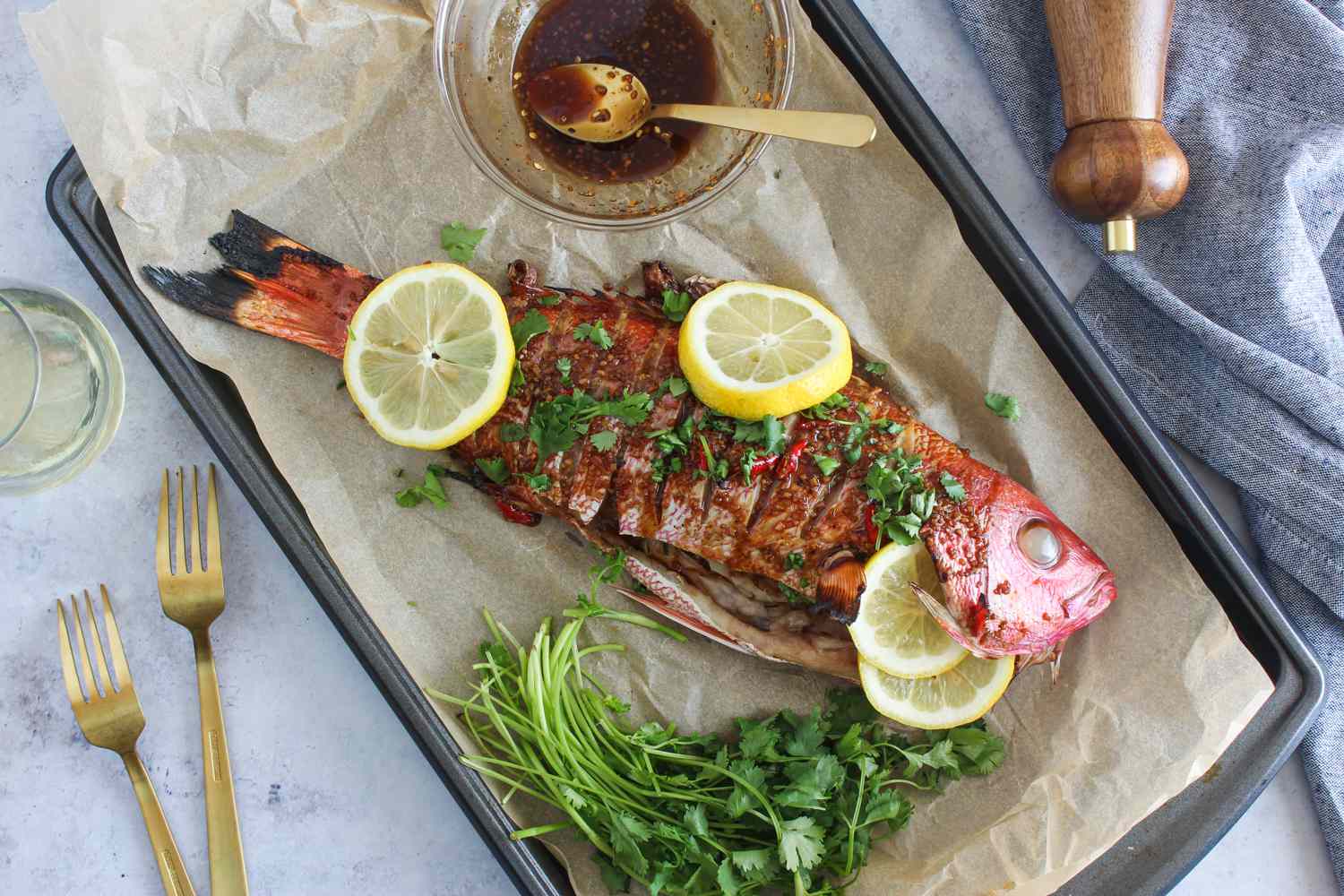
This Thai baked whole fish in garlic-chile sauce is actually one of the most forgiving, show-stopping
dishes you can make. It’s packed with bold flavor, looks like something from a seaside restaurant
in Bangkok, and requires way less effort than people think.
In this recipe, a firm, mild white fish is scored, drenched in a garlicky, salty-sweet, spicy
Thai-style sauce, and baked until the flesh is flaky and the skin is lightly crisp at the edges.
A squeeze of lime, a shower of fresh herbs, and some jasmine rice on the side turn it into a
complete meal that hits every note: salty, sour, sweet, spicy, and fragrant.
Why This Thai Baked Whole Fish Belongs in Your Dinner Rotation
Traditional Thai seafood dishes often use whole fish because it stays moist, carries flavor
beautifully, and feels celebratory. Baking instead of deep-frying keeps things a little lighter,
less messy, and more weeknight-friendly, while still giving you that punchy garlic-chile kick
that Thai cooking is known for.
- Impressive, but easy: Scoring, saucing, and baking are the only real steps.
- Flavor-packed: Oyster sauce, soy sauce, fish sauce, brown sugar, lime, garlic,
and chiles work together so you don’t have to fuss with complicated techniques. - Flexible: Use snapper, trout, branzino, or any firm white fish that fits your pan.
- Better for you: No deep fryer, no breading, just clean flavors and good fats.
Once you’ve made this Thai baked whole fish a couple of times, you’ll realize it’s less “fancy
chef food” and more “secretly easy house special.”
Key Ingredients for Thai Garlic-Chile Baked Fish
The Fish
For this recipe, choose a whole, firm white fish, cleaned and scaled, about
2–3 pounds (900 g–1.3 kg). Popular choices include:
- Red snapper – classic choice with slightly sweet, mild flesh.
- Sea bass or barramundi – rich, buttery texture that stands up well to bold flavors.
- Rainbow trout or branzino – a bit more delicate but still excellent baked whole.
Ask your fishmonger to gut, scale, and trim the fish. At home, rinse it gently,
pat it very dry, and make 3–4 diagonal slashes on each side. These cuts help the garlic-chile
sauce penetrate and ensure even cooking.
The Garlic-Chile Sauce
This sauce is where the magic happens. It’s inspired by classic Thai marinades that balance salty,
sweet, sour, and spicy in one bowl. Here’s a practical, home-cook-friendly version:
- 1/4 cup oyster sauce
- 1/4 cup soy sauce (regular or light, not dark sweet soy)
- 1 tablespoon fish sauce
- 2 tablespoons brown sugar or palm sugar, packed
- 8–10 cloves garlic, minced or pressed
- 1–3 fresh red chiles (Thai bird’s eye if you like it hot, or jalapeño for milder heat), thinly sliced
- 1 tablespoon fresh lime juice (plus extra wedges for serving)
- 1/4 teaspoon freshly ground black pepper
Whisk everything together in a bowl until the sugar dissolves. The mixture should taste bold
a bit salty and sweet with a noticeable garlic kick. Remember, the sauce will be spread over a
whole fish and served with rice, so you want it slightly more intense than you might use on a
small fillet.
Aromatics and Garnishes
To give your Thai baked whole fish that “restaurant in Thailand” energy, don’t skip the fresh herbs
and citrus:
- Fresh cilantro leaves and stems
- Thai basil or regular basil (optional but fantastic)
- Extra lime wedges
- Thinly sliced green onion or Chinese celery (optional)
Scatter these over the fish just before serving. They add brightness, aroma, and color that
contrast beautifully with the deep, caramelized garlic-chile sauce.
Step-by-Step: How to Make Thai Baked Whole Fish in Garlic-Chile Sauce
1. Prep the Fish
- Preheat your oven to 425°F (220°C).
- Rinse the fish under cold water and pat it completely dry, inside and out.
- Place the fish on a lightly oiled baking dish or on a bed of sliced lemon or lime to prevent sticking.
- Use a sharp knife to make 3–4 diagonal cuts on each side of the fish, going almost down to the bone.
- Lightly season the cavity and surface with a pinch of salt (the sauces are already salty, so don’t overdo it).
2. Mix the Garlic-Chile Sauce
- In a medium bowl, combine the oyster sauce, soy sauce, fish sauce, brown sugar, lime juice, garlic,
chiles, and black pepper. - Stir until the sugar has dissolved and the sauce looks glossy.
- Taste and adjust: add a bit more lime for brightness, sugar for balance, or chiles for extra heat.
3. Sauce and Marinate
- Spoon or brush about half of the sauce over the fish, getting it into the scored cuts and inside the cavity.
- Let the fish sit at room temperature for about 20–30 minutes while the oven heats fully.
This brief marinade helps the flavors soak in.
4. Bake the Fish
- Place the fish in the hot oven and bake for about 20–30 minutes, depending on size.
A thinner trout or branzino will cook faster; a thicker snapper will be closer to the longer end. - Halfway through baking, spoon some of the remaining sauce over the fish so it bastes in its own juices.
- For a lightly caramelized top, you can switch the oven to broil for the last
2–3 minutesjust keep a close eye on it so the garlic doesn’t burn.
5. Check for Doneness
The fish is done when the flesh is opaque and flakes easily with a fork at the thickest part, and the
internal temperature reads about 145°F (63°C). The meat should still look juicy, not dry.
6. Garnish and Serve
- Transfer the fish carefully to a serving platter (a wide spatula and a friend help here).
- Pour any pan juices and remaining garlic-chile sauce over the top.
- Scatter generously with cilantro, basil, and sliced green onion.
- Serve immediately with lime wedges and plenty of hot jasmine rice to catch all that sauce.
How to Tell When Your Whole Fish Is Perfectly Cooked
Overcooked fish is tragic, and undercooked whole fish can be awkward at the dinner table. Here’s a
simple checklist:
- Look: The flesh should turn from translucent to opaque, especially at the backbone.
- Touch: Insert a fork or chopstick into the thickest part and twist gently; the flesh
should separate into big, moist flakes. - Thermometer: Aim for 145°F (63°C) in the thickest section near the head.
If the fish is almost there but not quite, give it another 3–5 minutes and check again. Whole fish
holds heat, so it will continue to cook slightly after leaving the oven.
Balancing Thai Flavors: Salty, Sour, Sweet, and Spicy
One of the most fun parts of cooking Thai-style dishes at home is adjusting the flavor balance to your
own taste. Think of the garlic-chile sauce as a “seasoning dial”:
- Too salty? Add a little more lime juice or a splash of water and a pinch of sugar.
- Too sweet? Add a bit more fish sauce and lime.
- Not enough kick? Stir in extra sliced chiles or a spoonful of Thai chili sauce.
- Too spicy? Reduce the number of chiles and serve extra sauce on the side so heat-lovers can add more.
Once you get comfortable with adjusting these elements, you can riff on this garlic-chile sauce for
other dishes: grilled shrimp, baked chicken thighs, or roasted vegetables.
Serving Ideas for Thai Baked Whole Fish in Garlic-Chile Sauce
This dish is meant to be shared. Place the whole fish in the center of the table, give everyone a spoon
and fork, and let people scoop flaky pieces straight from the bone. Some favorite accompaniments include:
- Steamed jasmine rice: the essential partner to soak up the sauce.
- Simple greens: steamed bok choy, Chinese broccoli, or sautéed green beans with a bit of garlic.
- Fresh salad: a crisp cucumber salad or a simple herb salad with lime dressing.
- Extra dipping sauce: a small bowl of fish sauce with sliced chiles and lime (prik nam pla) for those who love extra punch.
Don’t worry about carving the fish perfectly. Thai-style dining is casual and communal; just make sure
to watch for bones, especially if kids are eating.
Variations and Ingredient Swaps
Using Fillets Instead of Whole Fish
If you’re easing into the idea of whole fish, you can absolutely use thick fillets or steaks. Place them
in a baking dish, spoon the garlic-chile sauce on top, and bake at 400–425°F (200–220°C) until just cooked
throughusually 10–15 minutes depending on thickness. You get the same flavor profile with a slightly
less dramatic presentation.
Grill or Oven? Your Choice
On a nice day, you can wrap the sauced fish in banana leaf or oiled foil and grill it over medium heat,
closing the grill lid to mimic oven baking. You’ll get a light smoky flavor that plays beautifully with
the garlic and chiles.
Make It Gluten-Free
To keep the recipe gluten-free, use gluten-free soy sauce or tamari and double-check that
your oyster sauce is labeled gluten-free (or use more fish sauce and a splash of stock instead).
Frequently Asked Questions
Can I Make This Less Spicy?
Definitely. Simply reduce the number of fresh chiles or swap in milder peppers. You can even omit the
chiles from the sauce and serve sliced chili on the side for anyone who wants extra heat.
Can I Prep the Fish Ahead?
You can score the fish, mix the sauce, and even coat the fish lightly with the sauce a few hours ahead.
Keep it refrigerated and bring it out about 20 minutes before baking so it’s not ice-cold going into
the oven. For best texture, bake just before serving rather than fully cooking it in advance.
What If My Pan Isn’t Big Enough?
If your fish is longer than your baking dish, you can place it diagonally or slightly bend the tail.
Worst case, cut the fish into two sections and arrange them side by sideit won’t look quite as dramatic,
but it will taste just as good.
How Do I Store Leftovers?
Leftover fish can be refrigerated in an airtight container for up to 2 days. Reheat
gently in a low oven or flake the meat into fried rice, noodle bowls, or salads. Because the sauce is
strongly flavored, it actually works beautifully in next-day dishes.
Cook’s Notes & Real-Life Experiences with Thai Baked Whole Fish
The first time many home cooks tackle a whole fish, there’s a moment of hesitation: “Is this going to be
a disaster?” The nice surprise with this Thai baked whole fish in garlic-chile sauce is that it’s incredibly
forgiving. As long as you don’t forget it in the oven for an hour, the moisture from the bone and skin
protects the meat and keeps it tender.
One of the best ways to serve this dish is family-style at a casual gathering. Imagine the scene: the fish
arrives at the table on a big platter, glossy with a rich, garlicky sauce, herbs tumbling over the top.
Everyone at the table leans in a little closer. Instead of perfectly plated portions, people take turns
gently flaking off pieces of fish, spooning over sauce, and piling everything on rice. It turns dinner
into a shared experience rather than just a meal.
If you’re nervous about bones, you can do a quick “pre-flaking” before the platter hits the table. Once
the fish is baked, use a spoon to run along the backbone and gently lift the top fillet off in large pieces.
Slide the backbone away, check for any big pin bones, and then place the fillet back down over the sauce.
To your guests, it still looks like a beautiful whole fish, but you’ve quietly done most of the tricky work.
Another common concern is smellpeople sometimes worry that roasting fish will make the whole house reek.
With a fresh fish and the bold aromatics in this Thai garlic-chile sauce, the aroma is more “I want to eat
that right now” than “open every window.” The garlic, lime, and herbs do a lot of heavy lifting, masking
any overly “fishy” notes you might be worried about.
Over time, many cooks start to adapt the sauce to their own routines. Maybe you add a little grated ginger
because you like extra warmth, or a splash of sweet chili sauce for a glossy finish. Some people double the
sauce right away because they know the best part of this meal is spooning that garlicky, spicy, slightly
sticky liquid over rice and vegetables. Leftover sauceeven without the fishis magic stirred into noodles
or brushed on grilled shrimp.
This is also an excellent “gateway dish” for anyone who hasn’t grown up eating whole fish. The familiar
flavorsgarlic, lime, soy, a hint of sweetness, and gentle heatmake it approachable. Once your friends
realize that eating around the bones isn’t that difficult, you may find them asking you to make this Thai
baked whole fish for every special occasion: Lunar New Year, birthdays, or just a Friday night when everyone
wants something a little more exciting than takeout.
The more you cook this recipe, the more relaxed you’ll feel about adjusting it. Bigger fish for a crowd?
No problemjust add a bit of cooking time. Only mild chiles available at the store? Use more of them and
let the garlic take center stage. Want a stronger sour note? Add extra lime juice at the end instead of
baking it all into the sauce. You’ll start to think less in strict measurements and more in balance:
enough salt to be savory, enough sweetness to soften the edges, enough lime to make the flavors pop, and
just enough heat to keep everyone reaching for another bite.
In the end, this Thai baked whole fish in garlic-chile sauce is less about perfection and more about
generosity. It’s a dish that invites people to gather, share, and go back for seconds. And once you’ve
conquered it, you’ll feel surprisingly confident tackling other whole-fish recipesThai or otherwise.