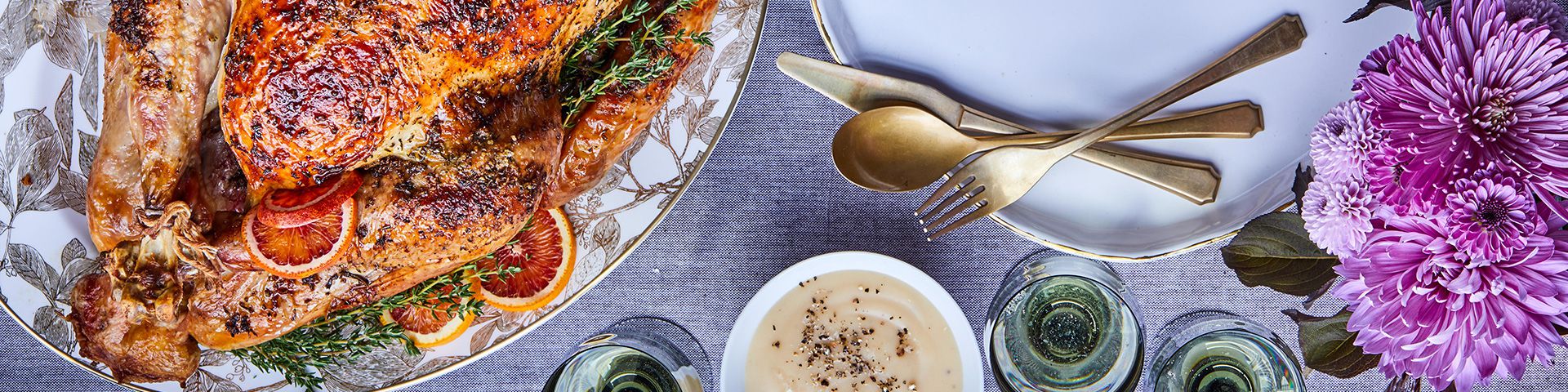
Thanksgiving is basically a pop-up restaurant you open for one day… in your own home… with a dining room that suddenly has the traffic patterns of an airport.
The good news: with the right plan, you can host a meal that feels warm, generous, and “Wow, you’re so organized!” (even if you made your list on the back of an envelope).
This guide breaks Thanksgiving planning into simple steps, timelines, and real-life strategiesso you’re not peeling potatoes like a contestant on a cooking show you didn’t audition for.
Start With Your “Thanksgiving Blueprint” (3 Decisions That Save the Whole Day)
1) Decide the vibe: fancy, cozy, or “paper plates are a lifestyle”
Before you plan the menu, decide how you want the day to feel. If you’re hosting a relaxed, family-style dinner, a simpler menu and buffet setup may be perfect.
If you’re aiming for a more formal sit-down experience, you’ll want fewer dishes that require last-minute attention (because you can’t baste a turkey and refill water glasses at the same timephysics said no).
2) Pick your meal timeand work backward
Thanksgiving success is 80% “what time are we eating?” Once you choose a target time, you can map cooking, resting, and serving.
Example: if dinner is at 3:00 p.m., you’ll likely want the turkey out of the oven around 2:00 p.m. so it can rest while you heat sides and make gravy.
3) Confirm constraints: oven space, fridge space, and dietary needs
Your oven is the main stage. Your fridge is the backstage. If either one is overloaded, chaos auditions itself.
Ask guests early about allergies, vegetarian options, and must-have traditions. Then plan a menu that fits your equipment and comfort level.
The Thanksgiving Planning Timeline (Low-Stress Countdown)
3–4 Weeks Before: Menu + Guest List + Game Plan
- Lock the headcount. A “maybe” RSVP is how you end up with either 30 rolls or 3.
- Build your menu around a few anchors: turkey (or main), gravy, stuffing/dressing, potatoes, a green veg, cranberry sauce, and dessert.
- Choose at least 2 make-ahead dishes. Cranberry sauce, pie, and many casseroles are your best friends.
- Assign helpers early. Asking someone to bring ice or a salad isn’t “cheating.” It’s leadership.
2 Weeks Before: Shopping Strategy + House Logistics
- Write two lists: shelf-stable items (buy now) and perishables (buy later).
- Check serving gear: enough plates, forks, serving spoons, and a carving knife that doesn’t bend like a paperclip.
- Plan seating: one table, two tables, or a buffet with “grab and mingle.” Pro tip: extra chairs beat perfect symmetry.
- Decide your serving style: plated, family-style, or buffet. Buffet often reduces “pass the gravy” traffic jams.
1 Week Before: Finalize the Timeline + Prep the Pantry
- Confirm arrival times so the turkey isn’t ready at noon while guests roll in at 4.
- Buy shelf-stable ingredients: broth, flour, sugar, spices, canned pumpkin, onions, potatoes (depending on your storage situation), and beverages.
- Do a fridge audit: clear space for big items, and plan where the turkey will thaw safely.
- Make your “day-of” schedule in 30–60 minute blocks. Yes, like a meeting agendaonly tastier.
2–3 Days Before: Major Prep + Make-Ahead Wins
- Make cranberry sauce (it tastes great after chilling).
- Prep pie dough or bake pies if your recipes allow it.
- Chop vegetables (store in airtight containers; label them so you don’t confuse onions with applesboth are round, only one is a regret).
- Set up a “serve zone”: platters, serving utensils, hot pads, foil, storage containers.
The Day Before: Clean, Stage, and Set Yourself Up for an Easier Morning
- Set the table (even partially). It’s a huge stress reducer.
- Assemble casseroles and refrigerate (bake on Thanksgiving).
- Make gravy ahead if you like that approachthen finish with drippings on the day-of, if desired.
- Prep beverages and ice plans (coolers are surprisingly useful when fridge space is tight).
Menu Planning Tips That Prevent a Thanksgiving “Traffic Jam”
Use the “One Oven, One Timeline” rule
Your oven can’t do everything at 350°F at the same time. When choosing recipes, think in categories:
- Oven hogs: turkey, baked stuffing, casseroles
- Stovetop stars: mashed potatoes, gravy, sautéed green beans
- No-cook helpers: salads, cheese boards, cranberry sauce (after cooking), bread
Aim for a mix so the oven isn’t fully booked from 9 a.m. to eternity.
Build a “tradition + one twist” menu
Keep the classics people expect, then add just one new dish if you’re feeling adventurous.
Thanksgiving is not the best day to try five new recipes unless you enjoy living on the edge (and doing dishes on the edge).
Plan for dietary needs without rewriting the entire holiday
If you have guests who are gluten-free, dairy-free, vegetarian, or have allergies, you don’t need to create a second Thanksgiving dinner.
Instead, ensure there are a few safe, satisfying options (for example: a hearty vegetable side, a salad, and a dessert they can enjoy).
Turkey Planning Tips (Because the Bird Runs the Show)
Safely thaw your turkeyno counter-thawing “shortcuts”
If you’re using a frozen turkey, plan thaw time in advance. A common guideline for refrigerator thawing is about 24 hours for every 4–5 pounds of turkey
in a fridge at 40°F or below. Cold-water thawing is faster (often about 30 minutes per pound), but requires changing the water regularly and cooking immediately after thawing.
Avoid thawing on the counterroom temperature is where bacteria can multiply quickly.
Use a food thermometer and cook to a safe internal temperature
The most reliable way to know your turkey is done is a food thermometer. Many food safety guidelines recommend cooking turkey to an internal temperature of 165°F.
(Also: the pop-up timer is not your boss.)
Give the turkey a rest time
Resting after roasting makes carving easier and helps juices redistribute. This is also your golden window to heat sides, finish gravy, and pretend you’re calm.
Grocery List + Shopping Tips (Save Money and Sanity)
Create a master list by recipe
Instead of “random shopping vibes,” list ingredients under each dish. Then consolidate duplicates.
You’ll buy fewer accidental extras (like the third jar of thyme you somehow own but never remember buying).
Shop in two phases
- Early trip: pantry staples, paper goods, beverages, frozen items, baking supplies.
- Final trip: produce, dairy, herbs, bread, and the turkey (or other fresh proteins).
Budget smart: focus spend on impact items
If you’re trying to keep costs reasonable, spend on what guests notice most:
the turkey or main, gravy, and one standout side or dessert. Simple greens can be delicious with good seasoning and smart cooking.
Cooking Day Timeline Example (Adjust to Your Meal Time)
Here’s a sample schedule for a 3:00 p.m. dinner. Adjust based on your turkey size, your oven, and how quickly your kitchen runs.
8:00–9:00 a.m.: Set up + start easy prep
- Clear counters, empty dishwasher, set out tools.
- Chop last-minute produce.
- Make/finish cold items (salads, relishes).
9:00–11:00 a.m.: Turkey in the oven + sides staged
- Roast turkey (timing varies by size and method).
- Assemble casseroles and stuffing (if baking later).
- Start slow-cooker or stovetop items that hold well.
12:30–2:00 p.m.: Finish sides + warm serving platters
- Cook mashed potatoes (or reheat make-ahead).
- Prep gravy base, heat casseroles as oven space opens.
- Set up buffet or serving area.
2:00–3:00 p.m.: Turkey rests + final sprint (the calm kind)
- Pull turkey, rest it.
- Finish gravy, warm sides.
- Carve turkey just before serving.
Hosting Tips: Keep Guests Happy Without Running a Marathon
Delegate like a pro
Give guests specific jobs: bring a dessert, handle a salad, bring ice, open wine, set up a kids’ table, or be the official “leftovers container labeler.”
People like helping when they know what “help” actually means.
Create a snack zone (aka “prevent hangry incidents”)
Put out something simple early: nuts, veggies and dip, cheese and crackers. It buys you time and keeps everyone cheerful.
Make cleanup easier before it starts
- Line trash/recycling bins.
- Set up a dish drop zone near the sink.
- Keep foil, containers, and bags ready for leftovers.
Food Safety Tips for a Safer Thanksgiving
Follow the “2-hour rule” for perishable foods
Many food safety guidelines recommend refrigerating leftovers within 2 hours (or within 1 hour if it’s very hot outside, above 90°F).
Keep hot foods hot (around 140°F or above) and cold foods cold (40°F or below) when possible to reduce risk.
Skip washing raw turkey
Washing raw poultry can spread bacteria around your sink and counters through splashing. Focus instead on clean hands, clean surfaces, and safe cooking temps.
Store leftovers in shallow containers
Shallow containers help food cool faster in the refrigerator. Slice turkey into smaller portions for quicker cooling and easier reheating later.
Leftovers Planning (Because Tomorrow You Will Be Hungry Again)
Leftovers don’t have to be a random pile of “things.” Plan a few easy next-day ideas:
- Turkey sandwiches with cranberry sauce and stuffing (the unofficial Thanksgiving breakfast of champions)
- Turkey soup using bones for stock
- Stuffing waffles or stuffing muffins (crisped up in a waffle maker or oven)
- “Everything bowl” with turkey, veggies, gravy, and a scoop of mashed potatoes
of Real-World Thanksgiving Hosting Experiences (The Stuff Nobody Puts on the Recipe Card)
Most people don’t remember Thanksgiving for the exact spice ratio in the stuffing. They remember how the day feltwho showed up, what was said at the table,
and the tiny, hilarious, slightly chaotic moments that make the holiday human. If you’ve ever hosted (or even helped host), you’ve probably lived through a few
classic Thanksgiving “experiences,” and planning is mostly about making those moments easier to handle.
One common experience: the kitchen becomes the most popular room in the house, even though it’s also the least convenient place for extra people to stand.
Guests wander in to chat, “just to help,” and suddenly you’re navigating around someone parked directly in front of the drawer you need.
A simple fix many hosts learn the hard way is to create a snack-and-drink station away from the cooking zoneso people have a reason to gather somewhere else.
It’s not rude. It’s crowd control with crackers.
Another very real experience is realizing that Thanksgiving has two separate events: the meal you planned and the timeline reality delivers.
Maybe the turkey takes longer than expected. Maybe the oven runs cool. Maybe the casserole dish you swear you own has entered a witness protection program.
This is why experienced hosts love make-ahead dishes and buffer time. When the schedule wiggles (and it will), the day still works.
A “resting turkey” window is especially helpful: while the bird rests, sides heat up, gravy finishes, and you can actually breathe like a personnot a kitchen robot.
Then there’s the emotional side: the pressure to make everything perfect. Many hosts feel like they’re responsible for everyone’s nostalgia.
The truth is, guests are usually thrilled by warmth, abundance, and a welcoming vibenot by whether your rolls are “Pinterest-level.”
Some of the best Thanksgivings happen when the host chooses a few signature dishes and lets the rest be simple.
People laugh more when the host isn’t exhausted.
And finally, leftovers. There’s a special kind of joy in opening the fridge the next day and realizing you can build a masterpiece sandwich without cooking a thing.
Hosts who plan leftovers on purpose tend to enjoy Thanksgiving twice: once at the table, and again in slow, cozy meals over the weekend.
Having containers ready, labeling them, and packing a few to-go boxes for guests turns leftovers from “mess” into “gift.”
It’s a small detail that feels surprisingly generousand it keeps you from eating gravy straight out of the pan at midnight.
(Not that anyone has ever done that. Definitely not.)
Conclusion: Your Best Thanksgiving Is the One You Actually Enjoy
The best Thanksgiving planning tips aren’t about perfectionthey’re about making the day smoother.
Pick your meal time, build a realistic menu, work backward with a timeline, and lean on make-ahead dishes.
Delegate a little, protect your oven space, and keep food safety in the plan from the beginning.
When you do that, Thanksgiving becomes what it’s supposed to be: a meal that feels generous, a gathering that feels easy, and a day you remember for the right reasons.