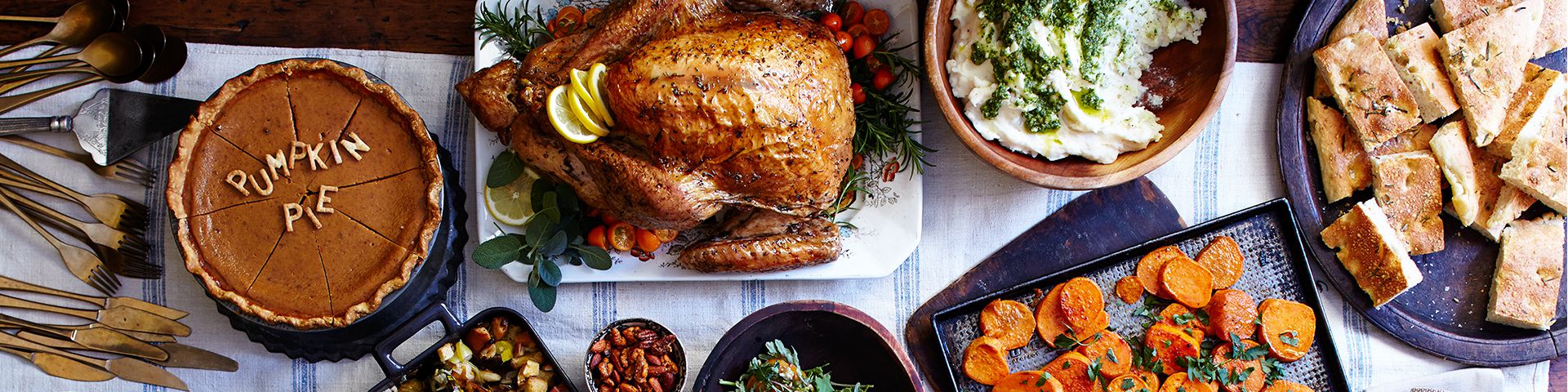
Thanksgiving cooking is basically a live-action strategy game: the oven is your battlefield, the gravy boat is your trophy,
and someone will absolutely ask, “So… what time are we eating?” while you’re holding a whisk like it’s a microphone.
The good news: you don’t need a culinary degree (or a second oven) to pull off a classic Thanksgiving spread.
You need a plan, a thermometer, and the confidence to say, “Yes, we’re doing store-bought rollsand I’m proud.”
This guide brings together the most reliable, widely tested Thanksgiving recipes and techniquesthink food-safety best practices,
test-kitchen wisdom, and the stuff real Americans cook every November. You’ll get a “greatest hits” menu (turkey! stuffing! gravy!
cranberry sauce! pumpkin pie!) plus a make-ahead timeline so your holiday feels like a feast, not a hostage negotiation.
The Thanksgiving Plate Blueprint
A satisfying Thanksgiving menu isn’t about having 27 casseroles. It’s about balance:
one centerpiece (turkey), two carb-huggers (stuffing + potatoes),
two brighteners (cranberry sauce + a green veg), one “why do we love this?” classic
(hello, green bean casserole), and one iconic dessert (pumpkin pie).
Build your menu like a playlist
- Big hit: Roast turkey (or spatchcock turkey for speed and crispy skin)
- Comfort tracks: Herb stuffing + creamy mashed potatoes
- High notes: Cranberry-orange sauce + roasted Brussels sprouts or a simple salad
- Throwback: Green bean casserole (upgraded, but still nostalgic)
- Finale: Pumpkin pie with whipped cream
Now let’s cook like we mean it.
Turkey: Juicy, Crispy, and Not a Panic Attack
The best Thanksgiving turkey recipes are less about secret ingredients and more about good physics:
salt improves moisture retention, airflow improves browning, and a thermometer improves your entire personality.
Your goal is simple: cook the turkey until it’s safe and succulent, then rest it long enough for the juices to settle down
and stop trying to escape the moment you slice.
Recipe Option A: Classic Roast Turkey (the traditional hero)
This is the bird you picture on a postcard: whole turkey, golden skin, dramatic entrance.
The keys are dry-brining, even roasting, and not overcooking the breast.
- Dry-brine (1–3 days ahead): Pat turkey dry. Salt it generously all over (and lightly under the skin if you’re brave). Refrigerate uncovered on a rack.
- Aromatics (optional): Add onion, citrus, herbs, or garlic to the cavity for aromanot “moisture.” (That’s salt’s job.)
- Roast: Roast until the thickest parts reach safe doneness. Rotate pan if your oven has hot spots.
- Rest: Rest 20–40 minutes before carving. That’s not “wasted time”that’s “juicy meat insurance.”
Recipe Option B: Spatchcock Turkey (the crispy-skin speedrun)
Spatchcocking (butterflying) means removing the backbone so the turkey lies flat. Translation:
faster cooking, more even doneness, and skin that actually crackles.
Bonus: the backbone becomes gravy gold.
- Use sturdy kitchen shears to cut out the backbone. Save it for stock.
- Press the breastbone so the turkey lies flat.
- Dry-brine overnight (or up to 2–3 days).
- Roast on a sheet pan with a rack until done, then rest before carving.
Recipe Option C: Turkey Breast + Legs (the small-gathering cheat code)
If you’re feeding fewer people (or your family treats turkey breast like rare collectible treasure),
cook parts instead of a whole bird. You get better control: pull the breast when it’s perfect, let dark meat go a little longer,
and nobody has to pretend they enjoy wrestling a 18-pound turkey onto a platter.
Turkey doneness: the non-negotiable rule
For food safety, turkey should reach 165°F in the appropriate thickest areas. If you stuff the turkey (not required!),
the center of the stuffing must also reach 165°F. A pop-up timer is not a thermometer; it’s a tiny plastic liar with confidence.
Stuffing (aka Dressing): Crispy Edges, Soft Center
Stuffing is the side dish that turns reasonable adults into poets. It’s also the dish most likely to go wrong if you don’t manage texture.
The secret isn’t fancy sausage (though sausage is welcome). The secret is dry bread + flavorful liquid + proper baking.
And if you bake it in a casserole dish, it’s technically “dressing,” which sounds like it should come with a tiny bow tie.
Herb Stuffing Formula (easy, flexible, reliably great)
- Bread: 1 to 1½ pounds sturdy bread (country loaf, sourdough, Italian), torn into irregular chunks
- Fat: 1 to 1½ sticks butter (yes, butter; it’s Thanksgiving)
- Aromatics: onion + celery (and maybe fennel, leeks, or shallots)
- Herbs: sage, parsley, thyme, rosemary
- Liquid: stock (start lower, add as needed)
- Binder: 1–2 eggs for a custardy center (optional but excellent)
How to get “crispy edges / tender center” on purpose
- Dry the bread in the oven: Low heat until it’s crouton-ish but not browned.
- Season the aromatics: Sauté onions and celery in butter with herbs until fragrant. This is where flavor happens.
- Moisten gradually: Add stock until the bread is hydrated but not swimming. You want “damp sponge,” not “bath toy.”
- Bake twice for stress-free timing: Bake partially the day before, then reheat uncovered to crisp up while turkey rests.
- Use smaller pans: More surface area = more crispy edges = more happiness.
Want to go deluxe? Add browned sausage, sautéed mushrooms, toasted nuts, dried cranberries, or diced apple.
Just remember: stuffing is not a storage unit. Pick one or two upgrades, not the entire pantry.
Gravy: Smooth, Make-Ahead, and Powerful
Gravy is the Thanksgiving “glue.” It unites turkey, potatoes, stuffing, and feelings.
It’s also where many cooks spiral because they try to make it at the last second while guests hover like hungry sports commentators.
The fix is simple: make most of it ahead, then finish with drippings if you’ve got them.
Make-ahead gravy base (a calm, competent approach)
- Build flavor: Roast turkey neck/backbone/wings (or brown them in a pot) with onion, carrot, celery.
- Simmer: Add stock and herbs. Simmer to concentrate. Strain.
- Thicken with roux: Cook butter + flour until it smells nutty (not raw). Whisk in hot stock slowly.
- Season smart: Salt at the end. A splash of soy sauce can add depth without making it “Asian gravy.” (It’s just umami.)
Fixing gravy in real time (because life happens)
- Lumpy? Whisk hard, then strain. No shame. Fine dining uses strainers too.
- Too thick? Whisk in warm stock a splash at a time.
- Too thin? Simmer longer, or whisk in a small slurry (cold stock + flour/cornstarch) and simmer to cook it out.
- Flat taste? Add salt, pepper, a touch of acid (lemon), or a tiny bit of something savory (soy sauce).
Mashed Potatoes: Fluffy, Not Gluey
Mashed potatoes are supposed to be creamy clouds. The villain is overworked starch.
Stir too aggressively and you get pastethe culinary equivalent of drywall compound.
Your strategy: choose the right potato, control moisture, and add warm dairy.
Pick your potato personality
- Yukon Gold: naturally creamy, rich, great for classic mash
- Russet: fluffy but can go gummy if abused; best when handled gently
- Mix: Gold + Russet gives you both plushness and lift
A reliable mashed potato method
- Cook potatoes until tender (steam-dry them briefly so excess moisture evaporates).
- Rice or mash gently while hot.
- Warm butter and cream (or milk) before adding.
- Fold, don’t beat. Season generously with salt.
Make-ahead mashed potatoes that reheat like a dream
You can make mashed potatoes ahead, refrigerate, then “revive” them with warm cream while reheating.
This keeps them silky instead of stiff. Translation: you’re free to enjoy your guests instead of performing
last-minute potato CPR.
Cranberry Sauce: Tangy, Bright, and Actually Easy
Homemade cranberry sauce is the easiest flex on the table.
It takes about the same effort as making tea, and it tastes like Thanksgiving woke up and chose personality.
The basic formula is cranberries + sugar + liquid, simmered until berries pop and the sauce thickens as it cools.
Cranberry-Orange Sauce (classic, crowd-pleasing)
- Ingredients: cranberries (fresh or frozen), sugar, orange zest, orange juice, pinch of salt
- Optional upgrades: cinnamon stick, vanilla, splash of bourbon, or ginger
- Simmer cranberries with sugar, zest, and a little water/juice.
- Cook until most berries pop and it looks a bit loose (it thickens when cool).
- Chill. Taste. Adjust with a pinch of salt or extra citrus.
Pro move: make it up to a week ahead. Cranberry sauce is happy to wait patiently in the fridge,
unlike certain relatives who arrive early and ask to “help” by standing directly in front of the oven.
Side Dishes That Earn Their Seat at the Table
A great Thanksgiving side dish does one of three things: adds crunch, adds freshness, or adds nostalgia.
Here are a few dependable options that pair beautifully with classic Thanksgiving recipes.
Upgraded Green Bean Casserole (still nostalgic, less sad)
- Blanch green beans so they stay bright.
- Make a quick mushroom sauce (sauté mushrooms + shallot, add a splash of broth/cream).
- Top with crispy onions (homemade or store-boughtthis is a judgment-free zone).
Roasted Brussels Sprouts (the redemption arc)
If you grew up thinking Brussels sprouts tasted like punishment, welcome to the modern era.
Roast them hot so they caramelize. Add one of these:
balsamic glaze, crispy bacon, toasted pecans, or lemon zest.
Sweet Potatoes: choose your lane
- Savory: roasted sweet potatoes with butter, salt, smoked paprika, and herbs
- Classic: sweet potato casserole with pecan streusel (sweet, crunchy, deeply Thanksgiving)
- Simple: mashed sweet potatoes with a little maple and a pinch of cayenne
Rolls (the edible utensil)
Rolls are how people move gravy from plate to mouth with dignity.
If you bake them, amazing. If you buy them, also amazing. Warm them, serve butter, and you’ve done your duty.
Pumpkin Pie (and Friends): No Soggy Bottoms Allowed
Pumpkin pie is the Thanksgiving dessert MVPspiced custard, creamy filling, and that “holiday smell”
that makes your house feel like a movie set. The main challenge is texture: you want a custard that sets
without cracking, and a crust that stays crisp instead of turning into damp cardboard.
Crust tip: consider par-baking (especially for pumpkin)
Because pumpkin filling is wet, partially baking (par-baking) or blind-baking the crust can help prevent a soggy bottom.
Practical tips that actually help: make a tall crimp to avoid slumping, bake on a sheet pan for easy handling,
and use pie weights (or dry beans/sugar) so the crust doesn’t puff like it’s trying to escape.
Pumpkin pie filling essentials
- Spice balance: cinnamon, ginger, nutmeg (and maybe clovecarefully)
- Custard control: don’t overbake; the center should still have a slight wobble
- Cool fully: custard sets as it coolscutting too early is how you get “pumpkin pie soup”
Want alternatives? Add one more dessert if you’ve got the energy:
pecan pie, apple pie, or a no-bake option (like a chocolate cream pie) if your oven is already booked solid.
A Make-Ahead Thanksgiving Timeline
The secret to a calm Thanksgiving dinner is doing a little work before the big day.
Here’s a realistic timeline for Thanksgiving recipes that taste fresh without requiring you to time-travel.
3–4 days before
- Thaw turkey in the refrigerator if frozen (start earlybig birds take time).
- Shop for pantry items and backup butter. (There is no such thing as “too much butter” in November.)
- Make cranberry sauce and refrigerate.
1–2 days before
- Dry-brine turkey (overnight to 2–3 days works well).
- Prep stuffing bread (dry it) and chop aromatics.
- Make gravy base (stock + roux-thickened gravy) and refrigerate.
- Bake pies if you can (pumpkin pie is often better after chilling).
Thanksgiving morning
- Get turkey to roasting temp plan (out briefly if neededfollow safe handling).
- Assemble stuffing (bake partially if doing make-ahead method).
- Prep potatoes (peel, cut, hold in water) and side dishes.
1–2 hours before serving
- Roast turkey (or finish turkey parts), then rest.
- Reheat gravy and adjust seasoning.
- Reheat stuffing uncovered to crisp edges.
- Finish mashed potatoes and keep warm.
Common Mistakes (and How to Dodge Them)
Mistake: Relying on vibes for turkey doneness
Fix: use a thermometer. You’re not “guessing” anymoreyou’re “executing a plan.”
Mistake: Stuffing that’s either dry or soggy
Fix: dry the bread properly, add stock gradually, and bake in a dish for better texture control.
If you stuff the turkey, remember the stuffing has to reach safe temperature too.
Mistake: Gravy made in a panic
Fix: make gravy base ahead. Finish with drippings if available. Your future self will write you a thank-you note.
Mistake: Pumpkin pie cracks and weeps
Fix: don’t overbake. Pull when the center still jiggles slightly, then cool completely.
Consider par-baking the crust so it stays crisp.
of Thanksgiving Kitchen Realness
If you’ve ever cooked Thanksgiving dinner (or even just hovered nearby), you know the day has its own little rituals.
There’s the pre-feast optimismwhen you’re convinced you’ll be the kind of host who sips cider peacefully while the turkey roasts.
Then reality arrives, wearing socks, asking where the serving spoons are, and reminding you that the oven can only be in one place at one time.
The turkey is usually the main character, but the supporting cast steals the show. Stuffing becomes a personality test:
Team Crispy Edge will fight Team Soft Center in the comments section of your life. Mashed potatoes create that uniquely Thanksgiving moment
where someone says, “Do you think we have enough?” while staring at a mountain of potatoes that could insulate a small cabin.
Cranberry sauce, meanwhile, is the quiet overachieverbright, tangy, and shockingly low drama. It’s basically the one dish that never needs therapy.
And then there’s the oven ballet. You learn quickly that Thanksgiving is not about one perfect recipe; it’s about choreography.
The turkey needs the spotlight. The stuffing wants a turn. The pies are waiting for their big finish.
Suddenly you’re doing mental math like a NASA engineer: “If the turkey rests for 30 minutes, and the stuffing reheats for 25,
and the rolls warm for 8, can I still serve hot gravy without accidentally inventing cold gravy?”
(Answer: yes, if you made gravy ahead. Past You is a genius. Present You is grateful.)
The best part, honestly, is the tiny chaos that turns into stories. Someone will sneak “just a little taste” of stuffing and return for a second taste
and then accidentally eat half the pan. Someone will ask if the turkey is done every 12 minutes, like it’s a pop quiz.
Somebody will insist their method is “how Grandma did it,” even if Grandma also thought microwaves were a government rumor.
And somehow, despite all that, the table comes together: turkey sliced, gravy steaming, potatoes fluffy, cranberry sauce shining like a ruby.
People take that first bite and make the exact same satisfied sound humans have made for generations: “Mmmm.”
That’s the real magic of Thanksgiving recipes. They’re not just instructionsthey’re traditions you can taste.
The more you cook them, the more you find your own style: a slightly spicier gravy, a more herby stuffing, a pumpkin pie that’s perfectly set,
and a timeline that actually lets you sit down and eat while the food is hot.
The goal isn’t perfection. The goal is a meal that feels like homeplus leftovers that can be turned into the best sandwich of the year.