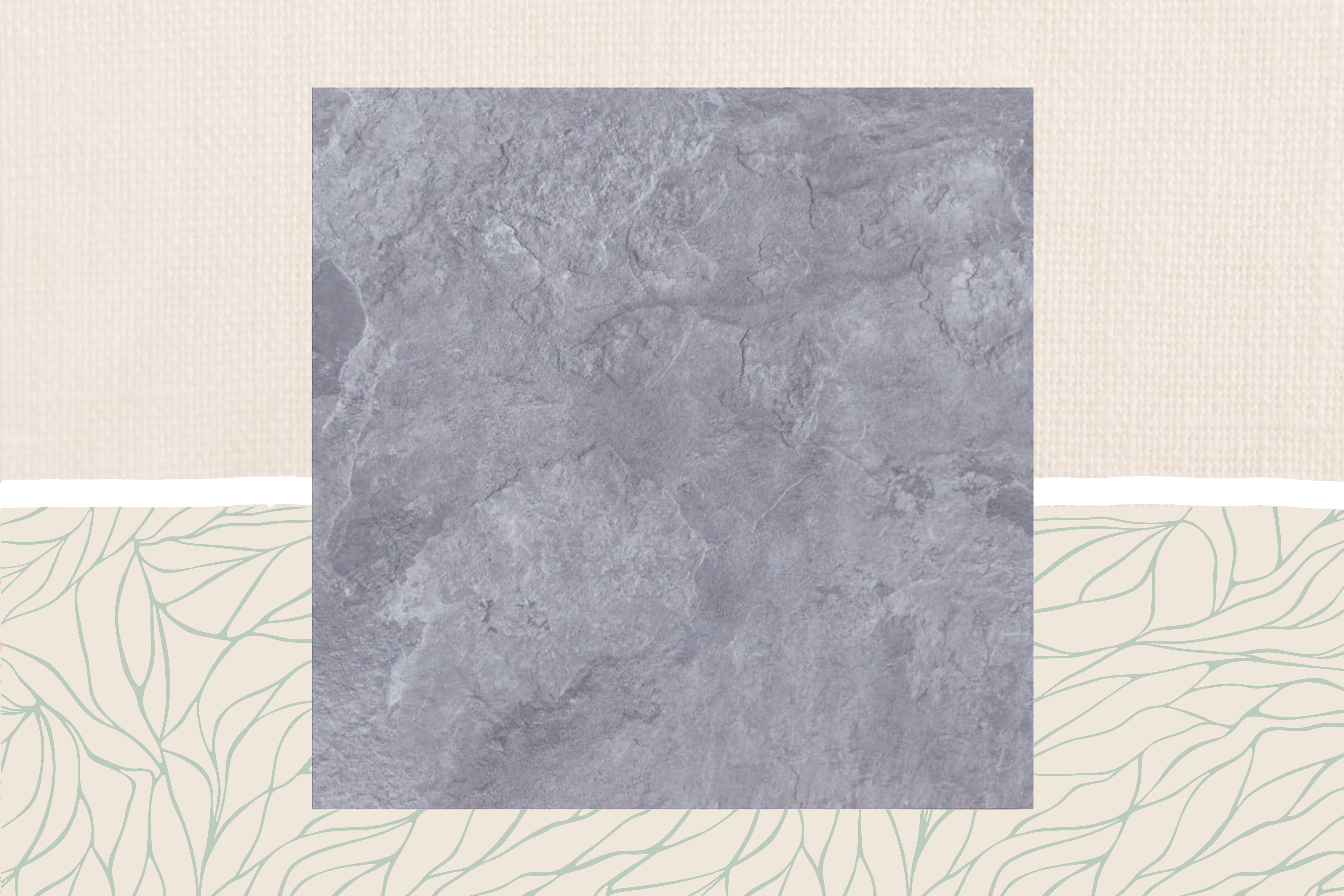
If your floor is giving “before photo” energy, peel-and-stick tiles are the fast, budget-friendly upgrade that can rescue a room without turning your weekend into a demolition documentary. Today’s options look way better than the old-school versions many people remember. You can find convincing wood-look planks, stone-inspired tiles, geometric patterns, farmhouse styles, and even bold checkerboard designs that make a tiny powder room feel intentionally stylish instead of “landlord beige.”
This roundup pulls together editor-loved picks and smart buying guidance from major home publications, DIY experts, and trusted U.S. retailers/manufacturers. The result: a curated list of 24 peel-and-stick floor tiles (and a few planks) worth considering, plus real-world tips for choosing the right option for your kitchen, bathroom, laundry room, basement, entryway, or rental refresh.
Why Peel-and-Stick Flooring Is Still a Smart DIY Move
Peel-and-stick flooring remains popular for one very simple reason: it solves the “I want nicer floors, but I do not want a full renovation” problem. It is affordable, beginner-friendly, and available in a huge range of styles. Many products are vinyl-based, which means they are relatively easy to clean and can handle everyday life better than people expectas long as you prep the subfloor correctly.
That said, this flooring category is not magic. It performs best when installed on a clean, smooth, dry surface, and it is usually a better fit for low- to medium-traffic spaces than for the busiest zones in the house. Think powder rooms, laundry rooms, guest rooms, craft rooms, closets, or a “let’s improve this room now and renovate later” kitchen.
What to Look for Before You Buy Peel-and-Stick Floor Tiles
1) Material and durability
Most peel-and-stick floor tiles are vinyl. That is a good thing for DIYers because vinyl is flexible, easy to cut, and available in finishes that mimic wood or stone. Thicker options generally feel more durable and hide minor subfloor imperfections better, while thinner options are easier on the wallet but may show flaws underneath if prep is sloppy.
2) Size and layout style
The classic format is a 12-inch square tile, but you will also find 6×36-inch planks, hexagons, and specialty shapes. Square tiles are simple to align and great for checkerboard or patterned layouts. Planks are excellent if you want a wood-look floor without wrestling with a full floating-floor system.
3) Water resistance vs. waterproof expectations
Many peel-and-stick products are water-resistant and washable, but seams are still seams. Translation: quick cleanup is your friend. They can work in kitchens, bathrooms, or laundry areas, but standing water and constant moisture are the enemies of adhesive. If your room is basically a splash zone with commitment issues, choose carefully and install meticulously.
4) Surface prep (the part everyone wants to skip)
Please do not skip this. Clean, smooth, dry, level-ish surfaces matter more than the pattern you choose. Bumps, crumbs, wax, or old texture telegraph through the tile over time. The best “secret” to a polished result is boring prep work.
5) Room type and traffic level
These floors shine in smaller rooms and budget refreshes. For heavily trafficked entryways or large open-concept spaces, you can still use peel-and-stick flooring, but it is worth stepping up to a sturdier product and being extra careful with layout and rolling pressure.
Our 24 Best Peel-and-Stick Floor Tile Picks
We grouped these by style and use case so you can scan quickly. Some are decorative statement tiles, others are practical wood-look planks, and a few are versatile staples from big-box retailers that make a great “starter DIY” floor.
Patterned and Decorative Favorites
- FloorPops x Chris Loves Julia Bonneville Oxbow Peel and Stick Floor Tiles
A designer-collab look with lots of visual personality. Great for powder rooms, laundry rooms, and entryways where you want a “wow” floor without custom tile pricing. - FloorPops Foliage Peel and Stick Floor Tiles
A softer patterned option that adds movement without overpowering the room. Nice for cottage, vintage, or light maximalist spaces. - FloorPops Altair Peel and Stick Floor Tiles
A bold black-and-white style that keeps popping up on “best of” lists for good reason. It gives instant graphic charm and photographs beautifully. - FloorPops Black Daphne Peel and Stick Floor Tiles
A strong decorative choice for anyone who wants drama underfoot. Looks especially sharp with white walls and brass hardware. - FloorPops x Chris Loves Julia Tundra Peel and Stick Floor Tiles
A more grounded, design-forward option that plays well with modern farmhouse and transitional interiors. - FloorPops Fontaine Peel and Stick Floor Tiles
Elegant patterning with a vintage-inspired vibe. A solid pick for a guest bath or mudroom refresh. - FloorPops Comet Peel and Stick Floor Tiles
A playful patterned tile that can instantly upgrade a small room. Great for people who want a little personality without a full remodel. - FloorPops Medina Peel-and-Stick Floor Tiles
A favorite in editor testing for its attractive gray-and-white design and easy cleaning. A classic patterned choice that balances style and practicality. - FloorPops Starlight Peel-and-Stick Floor Tiles
A black-and-white option with a more traditional feelperfect if you want a timeless look instead of a trendy one. - FloorPops Kikko Peel-and-Stick Floor Tiles
Geometric gray-and-white styling that looks crisp in modern interiors. It is one of the easiest ways to fake a boutique-bathroom floor. - FloorPops FP2948 Gothic Peel-and-Stick Floor Tiles
A dramatic patterned pick highlighted by editors for its bold look. Best for a statement space where you want the floor to be the main character. - Art3d 12 x 12-Inch Hexagon Peel and Stick Floor Tile
A smart alternative if you love hex tile but do not love grout lines, mortar, or hiring a crew.
Wood-Look and Plank-Style Picks
- Lucida Surfaces BaseCore Peel and Stick Floor Tiles
A strong all-around option for DIYers who want a cleaner, more understated look. Lucida shows up often in budget-friendly floor refresh lists. - Lucida Surfaces BaseCore Grayson Peel and Stick Floor Tiles
A specific colorway that works well when you want a slightly cooler, modern tone. Great for rentals and quick room flips. - Art3d Peel-and-Stick Vinyl Wood Plank
A budget favorite in testing, especially for easy cuts and quick replacements. Ideal for DIYers who want a wood-plank look on a tight budget. - Co-Z Odorless Vinyl Floor Planks
A wood-look plank option often recommended for affordable upgrades. Useful for utility spaces, workshops, or lower-traffic rooms. - Achim Tivoli II Floor Planks
A long-running DIY favorite. The Tivoli II line is easy to find and gives a classic plank format that is beginner-friendly. - Style Selections Tanglewood Birch Peel-and-Stick Vinyl Tile Flooring
A Lowe’s pick with a wood-tone finish that works nicely for bedrooms, offices, and basement projects where you want warmth. - Style Selections Barley Oak Peel-and-Stick Vinyl Tile Flooring
Another easy-to-style wood-look option from a trusted big-box retailer. Good if you want a lighter oak vibe without luxury-floor pricing.
Stone, Marble, and Classic Utility Looks
- Achim Home Furnishings Nexus Self Adhesive Vinyl Floor Tile
A dependable classic that is widely available and often chosen for simple stone-look upgrades on a budget. - Livelynine 32-Pack Marble Peel and Stick Floor Tiles
A marble-look option that works well for quick cosmetic upgrades, especially in small bathrooms and laundry nooks. - Style Selections Graphite Stone Peel-and-Stick Vinyl Tile Flooring
A practical, no-nonsense stone look highlighted by editors. Great for utility rooms and spaces that need a clean, grounded finish. - Style Selections Tumbled Stone Peel-and-Stick Vinyl Tile Flooring
A classic stone-inspired pattern with broad appeal. Easy to pair with white cabinets, black fixtures, or natural wood accents. - Ywshuf Self-Adhesive Carpet Tile
A wildcard, but a useful one. Technically not vinyl tile, but a peel-and-stick flooring option editors mention for softening playrooms, closets, or low-traffic zones.
How to Choose the Right Pick for Your Room
For kitchens
Go with a durable, easy-to-clean surface and a pattern that hides crumbs and daily traffic. Stone looks and medium-tone patterns tend to be forgiving. If your kitchen is small, a bolder patterned tile can actually make it feel more intentional and less “builder-basic.”
For bathrooms and laundry rooms
Look for water-resistant, washable products and pay special attention to seam alignment and subfloor smoothness. Patterned tiles are excellent here because they help disguise lint, dust, and life in general. Just remember: water-resistant is not a free pass for puddles.
For basements and craft rooms
Peel-and-stick tile is a great basement option when you want a cleaner look over concrete and a project you can actually finish this month. Wood-look planks and stone-look tiles both work well. Prioritize surface prep and test a small area first if your slab has moisture concerns.
For renters or temporary upgrades
Always check your lease and test removability in a hidden corner. Some brands use stronger permanent adhesives than people expect. A lot of products can be removed, but they are not all designed as “temporary” flooring. Translation: ask first, peel later.
Installation Tips That Make a Huge Difference
- Acclimate the flooring first: Bring the product into the room and let it sit (often about 48 hours) before installing.
- Clean thoroughly: Dust, wax, grease, and debris are the natural predators of good adhesion.
- Start from the center: Layout lines from the center help keep the room visually balanced and reduce weird sliver cuts.
- Do a dry layout: Test a few rows before peeling the backing. This saves you from “why is this diagonal now?” moments.
- Use a roller: Pressing tiles firmly (especially after several rows) improves bonding and reduces shifting.
- Take your time on cuts: Cardboard templates are incredibly helpful around pipes, door jambs, and awkward corners.
- Respect cure time: Avoid heavy traffic right away so the adhesive can set properly.
Cleaning, Maintenance, and Longevity
Peel-and-stick floors are usually easy to maintain: sweep or vacuum frequently, use a damp mop (not soaking wet), and clean spills quickly. Mild cleaners are your best friend. Oversaturating the floor can weaken seams over time, especially in humid spaces.
In terms of lifespan, results vary a lot. Installation quality, traffic level, and moisture exposure matter just as much as the product itself. In a guest room or low-traffic office, peel-and-stick flooring can hold up surprisingly well. In a busy family entryway with wet shoes and constant impact, expect a shorter runway unless you choose a sturdier option and install it perfectly.
Common Mistakes to Avoid
- Installing over an uneven surface: If the base is rough, the finished floor will show it.
- Skipping layout planning: Nothing ruins a beautiful tile like awkward tiny cuts along the most visible wall.
- Ignoring moisture: Damp subfloors and standing water are trouble for adhesive-backed products.
- Not rolling the floor: Pressure matters more than most beginners realize.
- Using the wrong room: Peel-and-stick can be great, but it is not always the best long-term choice for every high-traffic area.
Editor Notes and Real-World Experiences
To make this guide more useful, here is the kind of real-life feedback editors and DIY homeowners consistently report after living with peel-and-stick flooring for a while (the “honeymoon phase is over, now tell me the truth” version). First, almost everyone says the same thing: the floor looks way better than expected. The visual upgrade is dramatic, especially in small rooms. A dated laundry room becomes cute. A basement craft corner suddenly feels finished. An old rental bathroom stops looking like a place you apologize for.
The second big experience is that prep work determines whether the project feels brilliant or frustrating. Homeowners who cleaned thoroughly, filled obvious imperfections, and planned the layout usually describe installation as straightforward and even fun. People who rushed into it because they were “just doing a quick refresh” are the ones most likely to mention shifting corners, visible bumps, or seams that do not sit quite right. In other words, the tile is forgiving, but not that forgiving.
Another common observation: patterned tiles hide daily mess much better than plain light colors. If you have pets, kids, or a household that creates mysterious crumbs at record speed, patterned options like Medina, Kikko, Altair, or similar stone-look styles are often the happiest long-term choice. Wood-look planks are beautiful too, but very dark tones can show dust quickly and very light tones can show scuffs depending on the finish.
In kitchens and laundry rooms, people love how easy these floors are to wipe down, but they also learn to treat seams with respect. Quick spill cleanup matters. A damp mop is usually fine; a soaked mop is not a personality trait you want your floor to remember. Homes with good habits (wipe spills, don’t flood the floor, use mats by sinks) tend to get much better durability.
One underrated experience editors mention is confidence. Peel-and-stick flooring is often the first “real” DIY project someone completes alone. It teaches layout, cutting, measuring, and patience without requiring a tile saw or a contractor-sized budget. By the end, many DIYers feel ready to tackle trim updates, paint, or even a full room makeover. That confidence boost is part of the value.
Finally, the best projects are usually the ones where expectations matched the product. Peel-and-stick flooring is fantastic for smart, stylish, budget-conscious upgrades. It can look great, feel satisfying, and last well in the right room. It is not a forever floor in every situation, and that is okay. If you treat it like a practical design upgrade instead of a miracle product, it tends to overdeliver. And honestly, any DIY project that makes your room look better and keeps your wallet from filing a complaint is doing something right.
Final Thoughts
The best peel-and-stick floor tiles today are a major upgrade from the versions people remember from years ago. Whether you want a patterned statement floor, a wood-look plank for a basement office, or a simple stone look for the laundry room, there is a style that can fit your room and your budget. Focus on surface prep, pick the right design for your traffic level, and take your time with layout. Do that, and your floors can go from “someday project” to “wait, did you hire someone?” in a single weekend.