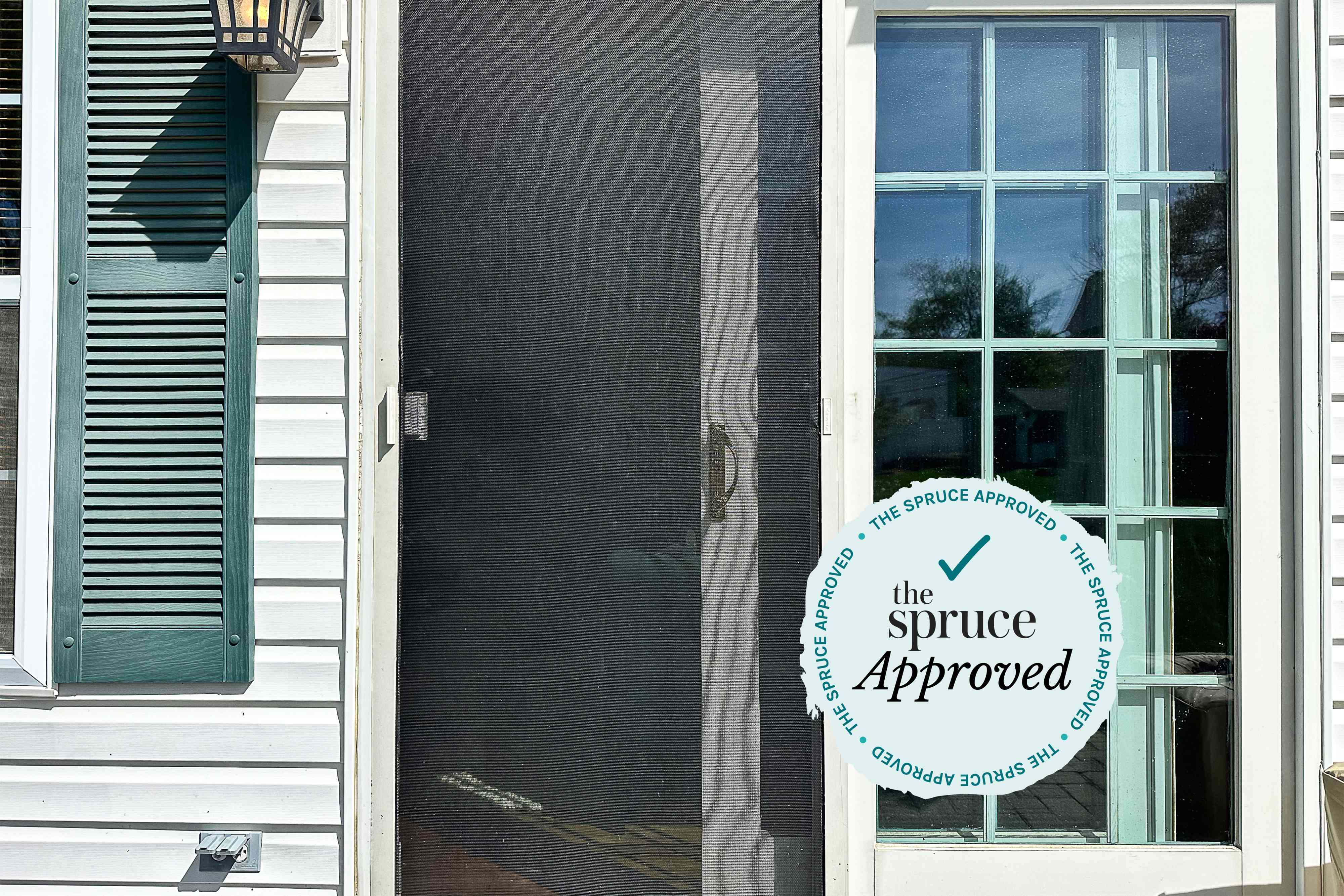
If you love fresh air but hate flies, mosquitoes, and the occasional adventurous beetle, a retractable screen door might just become your new favorite home upgrade. These clever doors let you enjoy a cool breeze when you want it, then disappear neatly out of sight when you don’t. No more slamming traditional screen doors, no more bent frames, and no more feeling like your beautiful front entry is hiding behind a clunky metal gate.
In this guide, we’ll walk through how retractable screen doors work, what to look for before you buy, and our picks for the six best retractable screen doors for different budgets, door styles, and lifestyles. Whether you have a busy household with kids and pets or a peaceful patio made for sunset watching, there’s an option here that can keep bugs out and breezes flowing.
Why Choose a Retractable Screen Door?
A retractable screen door operates a bit like a window shade turned sideways. Instead of a fixed screen that always blocks your view, the mesh rolls or folds into a side cassette, top housing, or frame when you’re not using it. Pull it across the opening for bug protection and ventilation, then retract it and your doorway looks almost unchanged.
Key Advantages
- Clean, unobtrusive look: When retracted, most screen hardware is tucked into slim side rails or a compact cassette, so your main door remains the star of the show.
- Flexible use: Open the screen only when you want airflow. The rest of the time, you get clear sightlines and better natural light.
- Space-saving design: No swinging screen to bump into furniture or guests, which is especially useful on tight porches or narrow decks.
- Better protection for the screen: Because the mesh is stored inside a housing when not in use, it’s less exposed to sun, wind, and pets, which can extend its life.
Potential Downsides
- Less security: Like most screen doors, retractable versions are about ventilation, not serious security. The mesh can be cut or pushed through.
- Moving parts to maintain: Springs, rollers, and tracks need occasional cleaning and adjustment to keep things sliding smoothly.
- Price vs. basic screens: Retractable doors usually cost more upfront than a basic fixed screen, especially for custom or extra-wide openings.
If you’re comfortable with light maintenance and mainly want airflow, comfort, and a clean look, a retractable screen door is one of the easiest ways to upgrade your indoor–outdoor living.
How to Choose the Right Retractable Screen Door
Before we dive into specific products, take a few minutes to think about how the door will actually be used. That will help you pick a model that won’t drive you crazy three months from now.
1. Door Type and Opening Size
Retractable screen doors are designed for several common openings:
- Single hinged doors: Standard front or back doors, often 32–36 inches wide.
- French doors / double doors: Wider openings that may use a pair of retractable panels that meet in the middle.
- Sliding patio doors: Some systems retrofit to sliding glass doors or large openings to create a seamless indoor–outdoor space.
Measure your door carefully: width, height, and the depth of the frame. Many DIY kits are “universal fit” within a range (for example, 32–36 inches wide), but you still need to check manufacturer specs. If you have an unusually tall, wide, or arched opening, a custom system from a specialty brand may be worth it.
2. Mesh Type and Visibility
The screen mesh determines how much air, light, and visibility you get.
- Standard insect mesh: Good airflow and reliable bug control for most climates.
- Pet-resistant mesh: Thicker and stronger, ideal if your dog thinks “guarding the door” is a full-time job.
- High-visibility or “view” mesh: Finer fibers that make the screen less noticeable, so you can enjoy your view without feeling like you’re looking through a grid.
Some screens even weave subtle stripes into the mesh to prevent people from walking into the screen when the sun is bright and the mesh is hard to see.
3. Frame Quality and Finish
Most retractable frames use aluminum housing and tracks with powder-coated finishes. Look for:
- Rust-resistant materials: Especially important in coastal or humid regions.
- Color options: White, black, bronze, and sandstone are common. Matching your trim helps the screen nearly vanish visually.
- Sturdy cassette and end caps: Reinforced end caps and quality bushings help the roller tube last longer and operate more smoothly.
4. Ease of Installation
If you’re a DIY enthusiast, look for “no-cut” or “pre-sized” kits that include snap-together tracks and clear instructions. Many homeowners install standard-width retractable screen doors in about 30 minutes to an hour with basic tools. More complex openings or high-end custom systems may be better left to a professional installer.
5. Everyday Convenience
Little details matter when you use a screen door multiple times a day:
- Soft-close or damped retraction to prevent the screen from whipping back too quickly.
- Ergonomic handle that’s easy to grip, even when your hands are full of groceries.
- Low-profile bottom track that won’t trip toddlers, grandparents, or distracted phone scrollers.
- Latch or magnet quality so the door actually stays shut when the wind picks up.
The 6 Best Retractable Screen Doors to Enjoy a Cool Breeze
Based on manufacturer specs, homeowner feedback, and expert guidance, here are six standout retractable screen options that work well for a range of doors and budgets.
1. Andersen LuminAire Retractable Screen Door – Best Overall for Front Entries
The Andersen LuminAire Retractable Screen Door is a favorite for homeowners who want fresh air without changing the look of their entry. It’s designed to fit standard single doors and comes in versions for double doors and patio doors as well.
The screen slides out from a slim side cassette and tucks away when not in use. Andersen emphasizes smooth, quiet operation, and the system is designed to be installed with basic tools in just a few steps, without cutting. It’s particularly popular for people who care about curb appeal, since the housing blends neatly into the door frame and trim.
Best for: Front or back doors where appearance matters and you want a trusted national brand with widely available parts and support.
Consider if: You appreciate a refined look and want a screen that feels like an integrated part of your entry, not an afterthought.
2. Larson Brisa Single Retractable Screen Door – Best DIY-Friendly Option
Larson’s Brisa Single Retractable Screen Door is a go-to option for DIY homeowners who want a straightforward installation and solid performance. The Brisa uses a surface-mount design with “quick-snap” tracks, so most people can install it in around 30 minutes with a drill and a bit of patience.
The EZ-Glide system and ergonomic handle make the screen easy to operate with one hand. Many models include subtle woven stripes in the mesh to help prevent people from walking through the screen on bright days. Homeowners often praise its ease of installation, smooth glide, and overall value for the price.
Best for: Standard single doors where you want a budget-friendly, DIY-friendly retractable screen that still looks clean and modern.
Things to note: Like many retractable screens, the mesh and latch can wear over time if treated roughly, so it’s worth following the installation instructions and occasionally checking tension and alignment.
3. Larson Brisa Double Retractable Screen Door – Best for French Doors and Wide Openings
If you have French doors or a wide patio opening, the Brisa Double Retractable Screen Door gives you two retractable panels that meet in the center. When you want airflow, you pull both sides together; when you don’t, they retract to the sides and your wide glass view remains unobstructed.
Homeowners like this system for its sleek appearance and the way it preserves a wide pass-through space. It’s a popular choice for decks and patios where traffic flows in and out during barbecues, birthday parties, or late-night s’mores sessions.
Best for: Double doors, French doors, or large patio openings where you want a retractable solution rather than a fixed screen panel.
Good to know: Measuring is especially important on double-door setups. Take your time with width and height to avoid gaps that adventurous insects will happily exploit.
4. Mirage Custom Retractable Screen System – Best Premium Custom Option
For homes with tall, wide, or unusual openingsor for homeowners who simply want something more robust than a big-box kitMirage custom retractable screen systems are a strong choice. Mirage has built its reputation on durable components and long-lasting operation, with design details like brass bushings in end caps to reduce wear on the roller tube.
These systems are typically sold and installed through local dealers, which means they can be tailored to your specific door, trim, and color scheme. If your home has oversized patio doors or you want a truly “built-in” look, a custom Mirage screen can feel like a permanent architectural feature rather than a temporary add-on.
Best for: High-traffic openings, oversized doors, and homeowners who prioritize longevity and a professionally installed finish.
Drawbacks: The price is usually higher than off-the-shelf kits, and you’ll need to schedule professional measurement and installation.
5. Phantom or Similar High-End Retractable Screen – Best for Design-Forward Homes
High-end brands like Phantom Screens specialize in architect-grade retractable solutions that blend into high-design spaces. These screens are often custom-measured and can be configured for single doors, large openings, or even multi-panel sliding glass walls.
Owners tend to appreciate the smooth operation, clean hardware, and wide array of frame colors and mesh types. These systems are designed for regular, long-term use and are common in homes where expansive indoor–outdoor living is part of the overall design vision.
Best for: Design-conscious homeowners and new builds where the retractable screen is part of the original plan.
What to expect: A higher price tag, professional installation, and a product that feels more like a permanent fixture than an add-on accessory.
6. Budget Magnetic Retractable Screen Door – Best for Renters and Quick Fixes
Not everyone is ready to drill into trim or order a custom system. For renters, seasonal use, or secondary doors, a magnetic retractable screen panel can be surprisingly effective. These screens typically mount to the door frame with adhesive strips, tacks, or small screws and use center magnets to close behind you as you walk through.
While they don’t have the polished look or durability of full cassette-style systems, they’re inexpensive, easy to install, and even easier to remove at the end of the season or when you move out. They’re great for sliding patio doors, basement walkouts, and side entrances that need airflow but don’t warrant a larger investment.
Best for: Renters, budget-conscious homeowners, or anyone who wants a quick way to keep bugs out during the summer.
Trade-offs: Less refined appearance, thinner mesh, and shorter lifespan compared to premium retractable screen doors.
Installation and Maintenance Tips
DIY vs. Professional Installation
If you’re reasonably handy with a drill and a tape measure, many standard retractable screen kits are DIY-friendly. Look for models advertised as no-cut or universal-fit. Before you start, read the instructions (yes, really), and do a dry fit of the frame pieces so you understand how everything goes together.
Consider hiring a pro if:
- Your opening is oversized, out of square, or part of a high-end patio system.
- You’re investing in a premium custom brand and want the warranty to stay fully intact.
- You’re short on time or allergic to step-by-step diagrams.
Keeping Your Retractable Screen in Great Shape
- Clean the tracks regularly: Dust, sand, and pet hair are the enemy of smooth sliding. A quick vacuum and wipe-down every few weeks can make a big difference.
- Check the tension: If the screen doesn’t retract fully or slams back too fast, consult the instructions to adjust spring tension or damping.
- Guide kids (and adults): Explain that the screen is not, in fact, a force field. Gentle use means fewer tears, literally and figuratively.
- Store smartly in winter: Most cassette-style retractable screens can stay in place year-round, but if your climate is harsh, make sure the screen is fully retracted and the housing is protected from ice buildup.
Real-Life Experiences With Retractable Screen Doors
Choosing a retractable screen door isn’t just about specs and brand names. It’s also about how it feels to live with the door day after day. Here are some real-world scenarios that highlight what works, what doesn’t, and what you’ll appreciate over time.
The “finally, no more flies in the kitchen” upgrade: One of the biggest quality-of-life improvements homeowners notice is how much less they think about bugs. Instead of playing the nightly “open the door, wave your arms, and slam it shut” game while grilling, you can leave the main door open and let the screen handle the insects. Over time, this simple change makes the kitchen feel fresher and less stuffy, especially in homes without strong ventilation or range hoods.
Pets and retractable screens: If you have a dog that takes guarding the front door very seriously, a retractable screen can be both a blessing and a challenge. On the plus side, pets love being able to see, smell, and hear all the neighborhood action while staying safely inside. On the other hand, a dog who likes to jump on the door can stress the mesh. Pet-resistant mesh and gentle training (“no paws on the screen”) go a long way. Some owners place a small, clear bumper or decorative decal at pet-eye level so the animals (and people) can see the barrier more clearly.
Busy households and high-traffic doors: In homes where kids run in and out a hundred times a day, the difference between a good and a great screen door often comes down to the track and latch quality. A system that glides smoothly and closes reliably becomes invisible; you forget it’s even there because it simply works. A cheaper screen with a sticky track or weak magnets, though, can quickly turn into a source of daily frustration. That’s why investing slightly more in a door with better hardware often pays off in fewer complaints and less tinkering.
Seasonal comfort and energy savings: Retractable screen doors aren’t a replacement for HVAC, but they can help you use your system more strategically. On mild spring and fall days, you may be able to turn off the air conditioning, open the front or back door, and rely on cross-breezes to keep the house comfortable. Over the course of a season, this can cut energy use and make indoor air feel fresher and less “sealed up.” Homeowners in coastal and temperate climates often report that once they install a retractable screen, they use it far more than they expected.
Living with the door long term: Over a few years, you’ll notice which features really matter. Soft-close or damped retraction keeps the door feeling solid and quiet rather than “springy” or abrupt. Color-matched frames blend into the trim so well that visitors don’t realize there’s a screen until you pull it across. And the ability to fully retract the mesh when you’re hosting a party or moving furniture is something you’ll appreciate every single time.
Most homeowners who choose a reputable retractable screen brand and install it correctly end up wondering why they waited so long. The day-to-day experience is simple: you get fresh air, fewer bugs, and a doorway that looks and feels more openwithout living behind a permanent metal grid.
Final Thoughts
A retractable screen door is one of those small home upgrades that quietly changes how you live. The right model gives you fresh air on demand, protects your home from bugs, and doesn’t distract from your entryway design. Whether you choose a DIY-friendly kit like the Larson Brisa, a refined system like Andersen’s LuminAire, or a custom solution from a premium brand, the key is to match the door to your opening, your climate, and your daily habits.
Take time to measure carefully, think about who will use the door (kids, pets, guests), and decide how much you’re willing to maintain over the years. Do that, and your new retractable screen will earn its spot as one of the most-loved features of your homeright up there with your favorite comfy chair and that perfectly placed porch outlet for string lights.