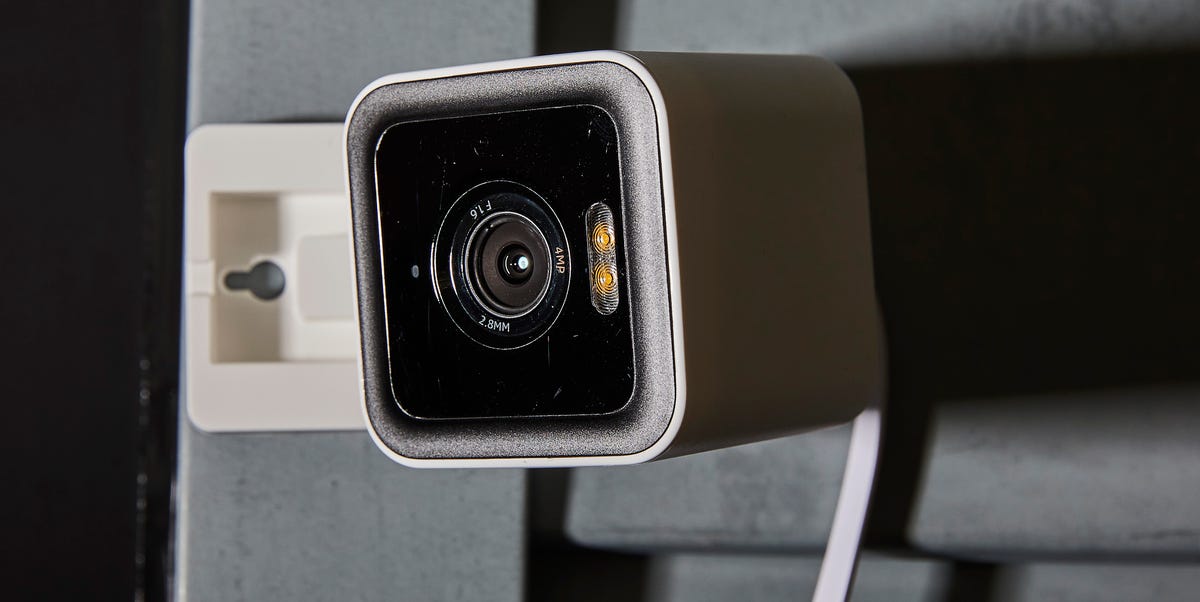
If you’ve ever zoomed in on grainy 720p footage trying to figure out whether that blob on your porch is a package or a raccoon, it might be time to upgrade. In 2025, 4K security camera systems have gone from “fancy tech toy” to “baseline expectation” for anyone serious about home or small-business security. With four times the resolution of 1080p and smarter AI features than ever, the best 4K systems don’t just record what happenedthey help you understand it quickly and clearly.
Based on expert tests and roundups from security-focused sites and consumer reviewers in the U.S. this 2025 guide walks you through seven standout 4K security camera systems. We’ll compare wired vs. wireless kits, PoE vs. Wi-Fi, and budget vs. pro-grade optionsplus share real-world tips on installation, storage, and what specs actually matter when you’re not a full-time security engineer.
How We Chose the Best 4K Security Camera Systems
Before jumping into the list, here’s what we looked at when evaluating 4K systems:
- True 4K resolution: Systems needed 8MP (3840 x 2160) camerasnot just “supports 4K output.”
- Night vision performance: Clear detail after dark is critical. We favored systems with color night vision or long-range IR.
- Storage and recording options: Local NVR/DVR storage, cloud backups, or hybrid. No one wants to run out of footage right before something important happens.
- Smart detection and alerts: Advanced motion detection, person/vehicle recognition, and useful notifications beat simple “motion detected” spam.
- Ease of installation: PoE systems are more involved but reliable; wireless kits are easier but depend on good Wi-Fi.
- Long-term costs: Subscription-free systems scored higher for value, while those with required cloud plans were judged on what you actually get for the fee.
The 7 Best 4K Security Camera Systems of 2025
1. Lorex 4K PoE Fusion System – Best Overall 4K Security System
Lorex has become the go-to recommendation for 4K camera systems in many professional and consumer reviews thanks to its high resolution, robust PoE hardware, and subscription-free local recording. The 2025 Fusion 4K kits pair a powerful NVR with multiple 8MP cameras, often including a mix of fixed and varifocal lenses.
Why it stands out:
- True 4K cameras with up to 8 million pixels for crisp detaillicense plates and faces are much easier to identify than with 1080p.
- Power over Ethernet (PoE) makes installation clean: one cable carries both power and data.
- Most kits include large local storage (e.g., 2–4TB) and support for larger drives, so you can keep weeks of continuous 4K recording without paying a monthly fee.
- Advanced motion and person/vehicle detection help reduce false alerts.
Best for: Homeowners and small businesses that want pro-grade image quality and reliability, and don’t mind drilling a few holes during installation.
2. Reolink 4K NVR System – Best Value for DIY Users
Reolink’s 4K NVR kits hit a sweet spot between performance and price. Reviewers regularly praise Reolink systems for their clear 4K video, solid mobile apps, and generous feature set at a lower cost than many big-name rivals.
What you get:
- 4K PoE bullet or turret cameras with good daytime clarity and strong IR night vision.
- Flexible recording modes: continuous, motion-based, or schedules.
- An NVR that supports multiple 4K channels, making it easy to expand from four to eight or more cameras.
- Optional smart detection (person/vehicle) on many 2025 models.
Why it’s a value pick: You get true 4K resolution, good apps, and local storage without stepping into ultra-premium pricing. For many DIY users, Reolink feels like the “Goldilocks” option: not the cheapest, not the fanciest, but just right.
3. ZOSI 4K Ultra HD Security Camera System – Best Budget-Friendly Kit
Popular Mechanics’ 2025 roundup named ZOSI’s 4K Ultra HD system its best overall pick for homeowners who want strong 4K performance on a budget. ZOSI’s kits pack multiple 8MP cameras, a DVR or NVR, and plenty of ports for expansion while keeping the entry price competitive.
Highlights:
- Multiple 4K cameras included in even starter kits, so you can cover front door, driveway, and backyard from day one.
- Hybrid analog/4K DVR options for those upgrading from older coax systems.
- Decent night vision and basic motion alerts, with newer models adding smarter detection zones.
Best for: Shoppers who want a full multi-camera 4K system without paying premium brand prices and who don’t mind a more utilitarian interface.
4. Swann 4K 8-Channel NVR System – Best for Larger Homes and Yards
Swann has long been a major name in do-it-yourself camera kits, and its 4K 8-channel NVR systems remain a favorite for bigger homes and properties. Tech reviewers like that Swann’s 4K cameras balance good detail with solid weatherproofing and flexible mounting options.
Why it’s ideal for larger spaces:
- 8-channel (or higher) NVRs let you scale up to cover long driveways, side yards, detached garages, and more.
- Many kits offer a mix of wide-angle and narrower field-of-view cameras so you can customize coverage.
- Spotlight and siren features on some 4K models add active deterrence, not just recording.
Best for: Larger suburban homes, corner lots, and properties where you need more than four cameras to feel fully covered.
5. Arlo Ultra / Arlo Pro 4K Systems – Best Wireless 4K Flexibility
Arlo has been a wireless security favorite for years, and their latest 4K-capable lines continue to impress reviewers for video quality and smart home integration. While these aren’t NVR-style kits, Arlo’s multi-camera bundles deliver a “system” experience with a central hub, cloud recording, and easy expansion.
Standout features:
- Wire-free 4K cameras with long-lasting rechargeable batteries and optional solar panels.
- Excellent HDR and color night vision for sharper detail in tricky lighting.
- Smart alerts that can distinguish people, packages, and vehicles (with subscription).
- Tight integration with Alexa, Google Assistant, and some smart home platforms.
Best for: Renters, people who can’t or don’t want to run cables, and anyone who wants high-resolution video with flexible, cordless placement.
6. Eufy 4K NVR & Solar Systems – Best for Local Storage and Privacy
Eufy’s 4K lineup (including its S4 and related systems in 2025) focuses heavily on local storage and privacy-first design, which has earned it praise from consumer testing labs and reviewers.
What makes Eufy different:
- 4K cameras that prioritize on-device AI processing, reducing reliance on the cloud and lowering latency for alerts.
- Systems with built-in storage or companion hubs that manage video locally, often with expandable capacity.
- Solar or battery-powered 4K cameras that limit the need for wiring, great for outbuildings or fence lines.
Best for: Users who are privacy-conscious, want to avoid ongoing subscription costs, and still enjoy sharp 4K resolution with smart detection.
7. CCTV Camera World 4K PoE NVR Kits – Best Pro-Grade 4K Clarity
If you’re after “install it once and forget it” professional-grade hardware, CCTV Camera World’s 4K PoE systems are frequently recommended for their robust build quality and superior image sensors. These systems are widely used in small businesses, warehouses, and high-end residential installs.
Why professionals like them:
- High-quality image sensors and lenses designed for clarity across wide areas.
- Flexible NVR configurations with many PoE ports and high storage capacity.
- Advanced features like smart search, detailed motion analytics, and long cable runs.
Best for: Bigger properties, commercial spaces, or homeowners who want near-commercial performance and don’t mind a more technical setup.
Key Things to Consider Before Buying a 4K Security System
1. PoE vs. Wireless: Which Is Better?
PoE (Power over Ethernet) systems, like many Lorex, Reolink, and CCTV Camera World kits, use a single Ethernet cable for both power and data. They’re more work to install but tend to be extremely reliable and unaffected by Wi-Fi congestion.
Wireless 4K systems (like Arlo and some Eufy kits) are easier to set up and move. They’re ideal for renters or anyone who can’t run cables. The trade-off: you’ll need strong Wi-Fi coverage, and battery charging or solar panel placement becomes part of your routine.
2. Storage: Cloud, Local, or Hybrid?
- Local NVR/DVR storage gives you full control and no monthly fees, but you’re responsible for backing up or exporting important clips.
- Cloud storage simplifies remote access and backups but usually comes with a subscription and may store only clips, not full continuous 4K streams.
- Hybrid systems (local hub + optional cloud) offer a nice middle ground: you get redundancy and flexibility.
3. AI Features and Smart Detection
Modern 4K systems use AI to tell a person from a stray leaf. Look for features like person/vehicle detection, package detection, and adjustable activity zones. These help cut down on notifications and make it easier to find the important five minutes in a 24-hour recording.
4. Night Vision and Lighting
4K resolution is only useful if the sensor can see in low light. Color night vision and built-in spotlights (common on newer 4K cameras) can dramatically improve nighttime detailespecially for identifying clothing colors, vehicle types, or faces.
Real-World Experiences: What It’s Like to Live With a 4K Security System
On paper, 4K security systems sound like pure tech specs. In real life, they change how you think about home securityand sometimes your daily routine.
Installation Lessons Learned
People who install wired 4K PoE systems usually go through the same emotional arc: excitement, mild regret when crawling through the attic, then long-term satisfaction. Running Ethernet to four or eight camera spots takes planning, but once those cables are in place, you get rock-solid video with no battery anxiety and fewer connectivity headaches. Many reviewers point out that they don’t have to babysit PoE systems once installed; they just work.
Wireless 4K systems are less sweaty. Mount the cameras, sync them to the hub, check your angles in the app, and you’re off. The trade-off is maintenance: you might climb a ladder every few months to recharge batteries or adjust solar panels. For some, that’s a fair trade for avoiding wall fishing and drill dust.
How 4K Resolution Changes the Footage
One of the biggest “wow” moments with 4K systems comes when you pause the footage and zoom in. That car that used to be a blur on a 1080p cam is now clearly a silver SUV, not a gray sedan. You can read the lettering on delivery trucks, differentiate between your neighbor’s dog and a coyote, and see finer details like tattoos, logos, or license platesespecially with well-placed cameras and good lighting.
Of course, 4K doesn’t magically fix poor camera placement. Aim too high and you still get lots of forehead and not much face. Aim directly at bright lights, and even 8 million pixels can’t save blown-out images. But when you combine 4K with smart placement, you get footage that actually holds up when you need it most.
Notifications, AI, and the “Noise” Problem
Early home security cams were notorious for spamming your phone every time a tree branch swayed. In 2025, better AI and smarter detection zones help cut down on noise. Systems like Lorex, Eufy, and Arlo use person/vehicle detection and line crossing rules so you’re only pinged when someone walks up your driveway or lingers at the door.
That said, you’ll still spend a few days fine-tuning your alert settings. Most users end up turning off “all motion” and focusing on people, vehicles, and packages in specific zones. Think of it as training your systemyou’re teaching it the difference between “normal life” and “hmm, that’s weird.”
Security, Privacy, and Peace of Mind
With any internet-connected camera, there’s a balance between convenience and privacy. Professional reviewers and security experts repeatedly stress the basics: use strong, unique passwords, enable two-factor authentication, keep firmware updated, and avoid sharing camera access too broadly.
For privacy-conscious buyers, systems that emphasize local storage and on-device AIlike many Eufy and NVR-based kitscan feel more reassuring. Others are happy to trade some data for advanced cloud-based analysis and easy sharing. Either way, a well-set-up 4K system tends to add peace of mind: you can check in on kids getting home from school, confirm packages actually made it to the porch, or quickly see what triggered a strange noise at 2 a.m.
Is a 4K System Worth It?
If you’re starting from scratch or already planning a major upgrade, yes4K is absolutely worth it in 2025. Prices have dropped, storage options are better, and AI features have matured. For most homes, the best approach is to choose:
- A reliable PoE 4K system if you own your home and want long-term stability.
- A high-quality wireless 4K kit if you value easy install and flexibility.
Either way, the key is to plan your coverage, think about where the footage will live, and decide how much you’re willing to spend on subscriptions (if any) before you buy. That way, your shiny new 4K system feels like a smart upgradenot just a more detailed way to watch your mail carrier.
Conclusion
From Lorex’s powerhouse PoE 4K systems to Arlo’s flexible wireless setups and Eufy’s privacy-focused designs, 2025 offers a 4K security camera system for almost every type of home and user. The big difference now is that 4K isn’t a luxuryit’s quickly becoming the new normal for people who actually want usable, zoomable footage.
Think about your property layout, your tolerance for DIY, and how you feel about cloud subscriptions. Then pick the system that matches your lifestyle. When the day comes that you really need to review footage, you’ll be glad you went with 4K instead of hoping that fuzzy 1080p clip will hold up.