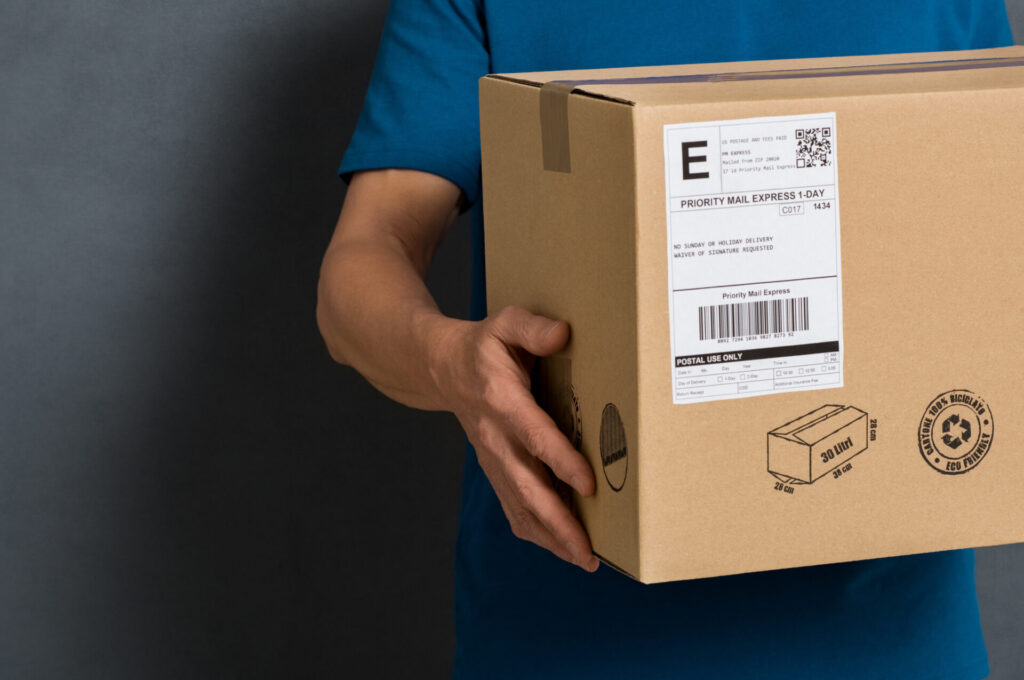
Shipping moving boxes is one of those modern miracles that feels suspiciously like a prank:
you pack up your life, slap on a label, and then the price calculator looks you in the eyes and says,
“That’ll be… a lot.” The good news? There are genuinely cheap ways to ship moving boxes in the U.S.
especially if you understand how carriers really charge (spoiler: size matters, and not in a fun way).
This guide walks you through the cheapest options for shipping boxeswhether you’re sending a few cartons to
your new place, mailing books to lighten the moving truck, or shipping “stuff” to family because your closet
has officially staged a rebellion. You’ll get practical strategies, specific examples, and a few reality checks
so you don’t accidentally pay “express” prices for “ground” expectations.
First, Know What Makes Shipping “Cheap” (Hint: It’s Not Just the Lowest Number)
The “cheapest way to ship moving boxes” depends on what you’re shipping, how far it’s going, and how flexible
you are on delivery time. Low cost typically comes from one (or more) of these:
- Ground services (slower, cheaper) instead of air/express.
- Flat-rate pricing when weight is high but the box is small.
- Cubic or dimension-based discounts when your box is compact and dense.
- Commercial/discount labels bought online instead of retail counter rates.
- Smarter packaging that avoids “dimensional weight” penalties.
Think of shipping like ordering coffee. You can pay retail for a fancy drink at the counter (still delicious),
or you can use the app, get rewards, and pretend you’re financially responsible. Same beverage. Different bill.
Cheapest Ways to Ship Moving Boxes (Ranked by When They Win)
1) USPS Ground Advantage for Small-to-Medium Boxes You Don’t Need Tomorrow
For many people shipping a few moving boxes, USPS Ground Advantage is the “default budget champ.”
It’s designed for non-urgent packages and generally prices well for small and mid-size cartonsespecially under
typical “moving box” weights.
Why it’s cheap:
- It’s ground-based, so you’re not paying for air speed.
- It’s widely available, easy to drop off, and competitive for light-to-moderate weights.
- It can be even cheaper if you buy labels online (more on that below).
Money-saving move: If you’re shipping multiple boxes, Ground Advantage can be a great baseline to compare
everything else against. Get a quote for each box, then check if a flat-rate or discounted UPS/FedEx option beats it.
2) USPS Flat Rate Boxes When Your Stuff Is Heavy (But Fits)
Flat Rate shipping is the classic hack for dense itemsbooks, tools, small kitchen appliances, and anything else that
makes a box feel like it contains a collapsed star. With flat rate, distance doesn’t change the price,
which is a big deal for cross-country moves.
When it’s cheapest:
- You’re shipping far (multiple zones/states).
- The box is heavy for its size.
- You can fit everything safely inside a Flat Rate box without forcing the seams to audition for a disaster movie.
Reality check: Flat Rate can be a bad deal for lighter items. If it’s not heavy, you might be paying a “weight premium”
you don’t need.
Pro tip: USPS offers free Flat Rate packaging for eligible services, which can reduce your moving supply costs
(and prevent a late-night “why are boxes so expensive?” spiral).
3) Media Mail for Books and Eligible Media (It’s Basically the Secret Menu)
If you’re moving and you have books, you might be sitting on a shipping goldmine. USPS Media Mail is
often one of the cheapest ways to ship heavy boxesbut only if the contents qualify.
Typically eligible items include books (at least 8 pages), printed music, educational reference charts, and certain
recorded media. If your box contains novels, textbooks, sheet music, or old DVDs, Media Mail can dramatically reduce costs.
What not to do: Don’t toss in random non-qualifying items “just because there’s room.” Media Mail is subject to inspection,
and mixing in ineligible content can trigger postage due or delays. Keep Media Mail boxes “pure.”
4) Discount Shipping Platforms (Commercial Rates Without a Corporate Shipping Department)
One of the biggest “cheap shipping” breakthroughs is simply not paying retail counter rates. Online
shipping platforms can provide access to discounted commercial pricing, even if you’re just a regular human
shipping boxes and not an e-commerce empire.
Two popular approaches:
- Rate-shopping platforms that compare USPS/UPS/FedEx options and let you print labels at discounted rates.
- Special discounted services (like cubic pricing) that may not be available at the retail counter.
If you ship several moving boxes, this can be the difference between “reasonable moving expense” and “guess I’m sleeping on the floor now.”
5) USPS Ground Advantage Cubic (For Compact, Dense Boxes)
Cubic pricing is one of the most underrated ways to ship moving boxes cheaplyif your boxes are small and heavy.
Instead of charging mostly by weight, cubic options use package size (volume) as a major driver. If your box is compact
and densethink books, vinyl records, small cookwarecubic rates can beat standard weight-based pricing.
The catch: Cubic options aren’t always available at the post office counter. They’re often accessed through approved
shipping-label platforms. If you have a few “dense bricks of belongings,” it’s worth checking cubic.
6) UPS Ground (Often Cheaper for Bigger BoxesEspecially With Discounts)
For larger moving boxes, UPS Ground can become surprisingly competitiveparticularly when you buy labels online using
discounted rates. UPS pricing is heavily influenced by dimensional weight, so it’s not automatically
“cheap,” but it frequently wins for:
- Bigger, sturdier boxes (especially if not too lightweight for their size).
- Medium-to-long distances where USPS options start climbing.
- Shipping multiple boxes where consistent drop-off/pickup is convenient.
Budget rule: If your box is “big but not that heavy,” always check whether dim weight makes it costlier than you think.
Keeping boxes compact is often cheaper than keeping them “conveniently huge.”
7) FedEx Ground or Flat-Rate Programs for the Right Box Size
FedEx can be a solid option for certain box sizes and delivery timelines, especially when you use flat-rate programs
that let you ship with predictable pricing (using eligible packaging and services).
When FedEx becomes “cheap”:
- You’re shipping within a flat-rate program’s sweet spot (size/weight limits).
- You want faster delivery than ground, but still want cost control.
- You can use approved packaging without awkwardly forcing your belongings into a shape they did not consent to.
8) “I Have Too Many Boxes” Options: Moving Containers or Freight-Style Services
If you’re shipping a lot of boxeslike “I own a chair and it has feelings” levels of stuffparcel shipping can get expensive fast.
At that point, the cheapest approach can shift from “mail each box” to “ship a batch.”
Two common alternatives:
- Moving containers (you load, they transport). Best when you have enough volume to justify a container.
- Freight/LTL shipping (palletized boxes). Best when you can stack and wrap boxes on a pallet to ship as freight.
These can reduce the per-box cost when you’re moving a lot of belongings across long distances, but they aren’t always best for just
a handful of boxes. Still, it’s worth comparing if you’re shipping 10+ cartons or heavy items.
The Cheapest Strategy Is Usually a “Mix,” Not a Single Carrier
Here’s the truth nobody wants because it’s slightly annoying: the cheapest way to ship moving boxes usually means using
different services for different boxes.
A smart “mix and match” plan might look like:
- Books: Media Mail (eligible only) or Flat Rate if you want faster delivery.
- Clothes and linens: Ground Advantage (or UPS Ground) in compact boxesor even heavy-duty poly bags in a box.
- Kitchen items: Flat Rate for dense small items; UPS/FedEx ground for larger but carefully packed boxes.
- Fragile items: Consider faster services when cost difference is small, and pack like turbulence is guaranteed.
How to Cut Shipping Costs Immediately (Without Becoming a Spreadsheet Person)
Measure and Weigh Every Box (Yes, Every Box)
Shipping quotes are only as good as your numbers. Use a tape measure and a bathroom scale (stand on it holding the box,
then subtract your weight). It’s not glamorous, but neither is paying extra because your “about 20 pounds” was actually 31.
Keep Boxes Under Carrier “Pain Points”
Carriers price in tiers. If your box is just over a weight break, you pay the next tier up. If it’s large enough to trigger
dimensional weight, you can pay for “air” you didn’t realize you were shipping. Repacking one box into two smaller ones can
sometimes be cheaper than shipping one big box.
Use Smaller Boxes for Heavy Items
For books and dense items, smaller boxes are safer and often cheaper. They reduce the chance of busted seams and protect your
back from becoming a cautionary tale. Bonus: smaller boxes are more likely to qualify for cubic/flat-rate wins.
Ship to a Reliable Address (And Label Like You’re Trying to Win an Award)
Re-delivery attempts and address issues can add time and sometimes fees. Use clear labels, include apartment numbers, and put a
second copy of the address inside the box. It’s cheap insurance against chaos.
Don’t Overpay for Packing Supplies
Free boxes (where appropriate), recycled cartons, and strategic use of clothing as padding can cut costs. Save bubble wrap for
fragile items and use towels, hoodies, and soft linens to cushion breakables. Your sweaters can multitask.
Specific Examples: Which Option Is Cheapest for Common Moving Box Scenarios?
| Scenario | Likely Cheapest Options | Why It Wins |
|---|---|---|
| One 25 lb box of books going 1,500 miles | Media Mail (if eligible), or USPS Flat Rate (if it fits) | Books are heavy; Media Mail is designed for that. Flat Rate can also beat distance-based pricing. |
| Two medium boxes (15–20 lb) of clothes moving state-to-state | USPS Ground Advantage; compare with discounted UPS Ground | Ground services are typically lowest; discounts can flip the winner depending on box size. |
| One compact, dense box (small but 30+ lb) of cookware | Flat Rate or cubic-based discounts | Dense + compact is the sweet spot for flat rate and cubic pricing. |
| Eight large boxes for a long-distance move | Compare discounted UPS/FedEx ground vs. a small moving container or freight | At higher volume, “ship in bulk” options can reduce per-box cost. |
A Simple Step-by-Step Plan to Get the Cheapest Shipping Total
Step 1: Sort Contents Into “Pricing Buckets”
- Books / qualifying media: candidates for Media Mail.
- Dense + compact: candidates for Flat Rate or cubic.
- Large but lighter: compare UPS/FedEx ground vs USPS Ground Advantage (watch dim weight).
- High-value or fragile: prioritize better packing and consider slightly faster services if price gap is small.
Step 2: Pack With Shipping Prices in Mind
- Use smaller boxes for heavy stuff.
- Don’t ship empty spacefill voids with soft items.
- Repack “oversize” boxes to avoid dimensional pricing surprises.
Step 3: Rate-Shop Each Box
Compare at least three price paths:
- USPS Ground Advantage (standard)
- USPS Flat Rate (if it fits) or Media Mail (if eligible)
- Discounted UPS/FedEx ground via an online label platform
Step 4: Combine Boxes When It’s Cheaper (But Don’t Create a Monster)
Consolidating can reduce the number of labels you buy, but make sure you’re not crossing into a price tier where the “one big box”
becomes expensive due to size. The cheapest move is often “fewer boxes,” but only up to the point where dimensional weight and handling surcharges
start circling like sharks.
Common Mistakes That Make Moving Box Shipping More Expensive
- Using oversized boxes for lightweight items (dimensional pricing says hello).
- Paying retail counter rates when discounted online labels are available.
- Mixing Media Mail contents with ineligible items “because it’s fine.” (It’s not always fine.)
- Shipping everything the same way instead of matching services to box types.
- Forgetting to compare bulk options when shipping many boxes long distance.
Real-World Experiences: What People Learn After Shipping Moving Boxes (500+ Words)
The funniest thing about shipping moving boxes is how quickly you develop “strong opinions” about cardboard. Before a move,
a box is just a box. After you ship six of them, you start rating them like fine wines: “Ah yes, a sturdy double-wall with
excellent corner integrity and a bold tape finish.”
One common experience is the Great Book Box Awakening. People start packing books into a big box because it feels efficient,
and then they lift it and realize they’ve accidentally built a portable gym. The best lesson here is that cheap shipping and safe shipping
often agree: books belong in smaller boxes. Smaller boxes are less likely to burst, easier to carry, and more likely to fit into flat-rate
packaging or qualify for compact pricing rules. It’s one of those rare moments where your budget and your spine become best friends.
Another classic is the “Why Is This So Expensive?” Dimensional Weight Moment. This usually happens with pillows, comforters,
winter coats, or anything fluffy enough to have its own weather system. The box isn’t heavy, but it’s largeand carriers often charge based on
size because a big box takes up truck space. People who’ve been burned by this tend to become vacuum-bag enthusiasts overnight. The cheap move
is to compress bulky items and ship them in smaller cartons, even if that means splitting one large box into two medium ones. It feels less
“organized,” but it can cost less than paying to ship a box full of air and optimism.
There’s also the experience of discovering that the cheapest method is a “shipping playlist,” not a single song.
A lot of movers start out wanting one perfect carrier for everything. Then reality hits: books are cheapest one way, clothes another way,
and kitchen gear seems to have personal beef with every box size you own. The folks who save the most are the ones who accept the mix:
Media Mail (for qualifying items), ground shipping for general boxes, flat rate for dense items that fit, and discounted UPS/FedEx for big boxes
when it wins. It’s not complicatedit’s just a little bit like packing: you’re optimizing, not searching for a magical “one box that solves all.”
People also learn quickly that labels and redundancy reduce panic. A surprisingly effective “experienced mover” habit is putting
a second address card inside every box. If the outer label gets damaged, the inside label can help the carrier identify the destination.
This doesn’t necessarily make shipping cheaper, but it prevents expensive problems like lost boxes, re-shipments, or frantic replacement purchases
of things you swore you packed. (Yes, you packed it. No, it will not reveal itself until you’ve bought another one.)
Finally, many people discover that shipping a few boxes early is emotionally liberating. Instead of moving everything in one chaotic
day, they ship off “non-essentials” firstbooks, off-season clothes, extra cookware, spare bedding. When the move happens, the home feels lighter,
the car is less cramped, and you’re not playing Tetris with everything you own. Cheap shipping is nice, but cheap shipping that reduces moving-day
stress? That’s premium-level value.
Conclusion
The cheapest ways to ship moving boxes aren’t about a single “best” carrierthey’re about choosing the right tool for each box.
Start with ground shipping as your baseline, use Flat Rate and cubic options for dense items that fit, ship eligible books through Media Mail,
and buy labels online to access discounted rates. If you’re shipping a lot of boxes long distance, compare bulk solutions like moving containers
or freight-style shipping. With a little measuring, a little rate-shopping, and a little less empty air inside your cartons, you can cut your total
shipping bill dramaticallyand keep your move from becoming a financial jump scare.