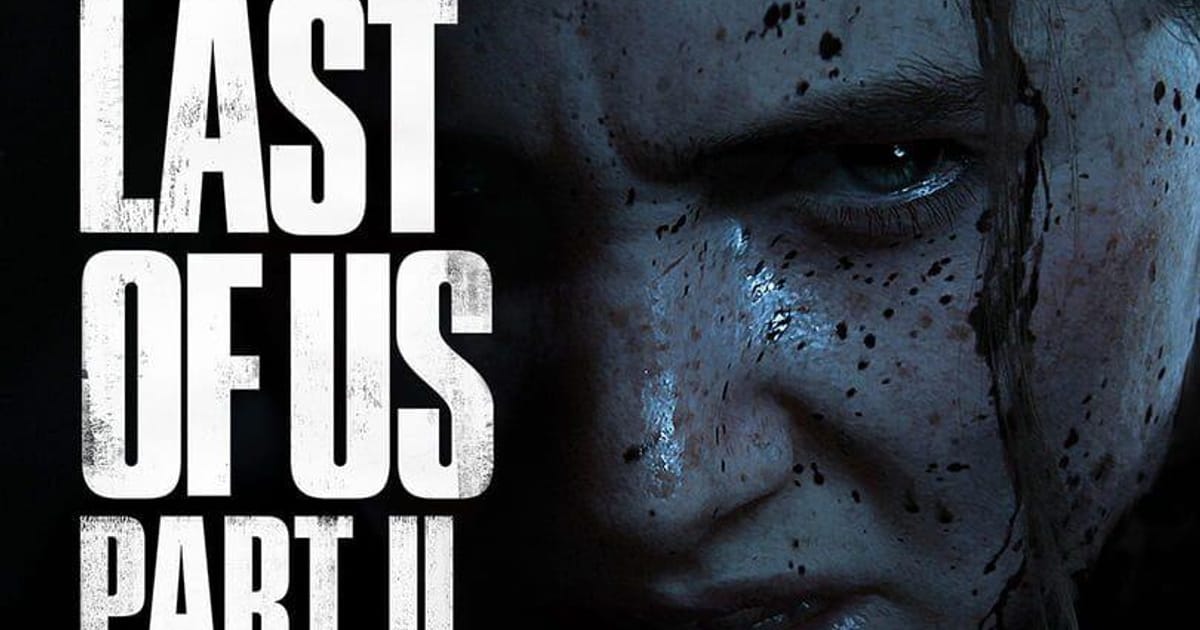
The Last of Us Part II is one of those games that people don’t just “finish.” They process it. They debate it in comment sections. They write hour-long video essays. They text a friend, “Are you okay?” and the friend replies, “No, but the animations are incredible.”
Since its 2020 release, the game has been celebrated as a technical and storytelling landmark by many critics, while also becoming a lightning rod for disagreement among playersespecially about its structure, perspective shifts, and emotional tone. On review aggregators, it’s famously split: a very high critic consensus alongside a much more volatile user reaction. That gap alone tells you what kind of cultural object this game became: not just entertainment, but a referendum on what players want (or don’t want) from big-budget narrative games.
This article does two things: (1) it ranks the game’s biggest elementswhat it does best, what it does boldly, and what it does that makes some people want to throw a controller (gently) onto a couchand (2) it lays out the most common opinions, pro and con, so you can see where your own reactions fit without needing to join a 300-comment argument at 2 a.m.
Quick Context: Why This Game Still Starts Debates
The Last of Us Part II launched on PlayStation 4 in June 2020 and immediately became a critical darling in many corners, while also drawing intense backlash in others. The game’s themesgrief, revenge, empathy, and the way violence changes peopleare delivered through a long, deliberate, sometimes punishing experience that doesn’t prioritize “fun” in the traditional sense. Several prominent reviews highlighted how confrontational and exhausting it can feel, even when they praised its craft and ambition.
It also arrived in a uniquely chaotic media environment: pre-release leaks, spoiler culture, and online pile-ons made it hard for “normal” discussion to breathe. The result was a game that didn’t merely get reviewedit got judged, often as a symbol of broader arguments about storytelling, representation, and what a sequel “owes” fans.
Then, in January 2024, The Last of Us Part II Remastered arrived on PS5, adding new modes (including No Return, a roguelike survival mode), behind-the-scenes content, and improvements that made a second wave of players jump inplus a fresh round of ranking and re-ranking. And by 2025, the Remastered edition expanded to PC, extending the conversation again.
How We’re Ranking It (And Why Rankings Are Tricky Here)
Ranking any art is messy, but ranking this game is like ranking thunderstorms: you can measure intensity and frequency, but some people still love the drama while others just want the power to stay on.
So here’s the approach: we’re ranking the game across ten categories that show up repeatedly in U.S. reviews, developer notes, and long-term community discussioncraft, combat, accessibility, narrative ambition, pacing, replay value, and more. Each category includes a brief “why it lands here” explanation and the most common pro/con reactions.
The Rankings: 10 Core Categories That Shape Most Opinions
1) Technical Craft (Graphics, Animation, Performance Capture): #1
Even many people who dislike the story will admit the game is a showpiece. Character animation, environmental detail, lighting, and performance capture work together so well that scenes often feel “lived in.” The craft supports the storytelling constantlysmall gestures, quiet pauses, environmental storytelling, and sound design do a lot of emotional heavy lifting.
- Common praise: “Best-in-class presentation,” “incredible acting,” “stunning environments.”
- Common complaint: “Too realistic for its own good,” especially when players feel the realism amplifies discomfort.
2) Accessibility & Customization: #2
This is one of the most importantand least controversialstrengths. Naughty Dog shipped an unusually deep accessibility suite (dozens of settings) that lets players tailor visuals, controls, navigation help, combat assistance, audio cues, subtitle options, and more. It’s frequently cited as a benchmark for AAA accessibility design.
- Common praise: “Everyone can find a way to play,” “thoughtful design,” “industry-leading options.”
- Common complaint: Rarely about the options themselves; more about players not realizing how much they can adjust to reduce frustration.
3) Combat Tension & Stealth Systems: #3
The game’s combat is built around pressure: limited resources, aggressive enemies, and arenas that reward improvisation. Prone movement, dodging, stealth kills, distraction tools, and frantic escapes combine into encounters that feel intensely physical. Supporters call it exhilarating and fluid. Critics call it relentless, exhausting, or repetitive depending on their tolerance for sustained stress.
- Common praise: “Tense and strategic,” “smooth controls,” “encounters feel dynamic.”
- Common complaint: “Overlong,” “too draining,” “I came to relax and this game said ‘absolutely not.’”
4) World & Level Design (Especially the “Explorable” Feel): #4
The environments are designed to tell stories without a single line of dialogue: notes, staging, abandoned spaces, and quiet corners that hint at lives interrupted. Several sequences offer wider exploration than you might expect, letting players scavenge, discover optional details, and slow down the pacewhen the game allows it.
- Common praise: “Immersive,” “rewarding exploration,” “environmental storytelling at its best.”
- Common complaint: “Too much scavenging,” “I got lost,” “I opened 42 drawers and found 1 rag.”
5) Narrative Ambition & Structure: #5
This is the category that creates the biggest split. The game makes bold structural decisions and expects players to sit with discomfort, ambiguity, and shifting perspectives. Many reviewers applauded the ambitionarguing that it uses the medium to challenge empathy and assumptions. Others feel the structure undermines pacing or asks too much emotional labor, especially when players are already attached to the first game’s relationships and tone.
- Common praise: “Brave storytelling,” “emotionally complex,” “unforgettable.”
- Common complaint: “Manipulative,” “pacing issues,” “a narrative experiment that doesn’t land for me.”
6) Character Writing & Performances: #6
On one side: players who say the characters feel painfully humancontradictory, messy, traumatized, and believable. On the other: players who feel certain choices clash with how characters were established previously, or that the game pushes them toward feelings they didn’t earn. Performances are widely respected; interpretation of the writing is where disagreement lives.
- Common praise: “Nuanced,” “incredible acting,” “characters stick with you.”
- Common complaint: “Out-of-character moments,” “I understand the intent, but I don’t buy the execution.”
7) Sound, Music, and Quiet Moments: #7
Part II is loud when it needs to be, but it’s the quieter stretcheswalking, listening, reading notes, optional interactions, and music-related downtimethat often become fans’ most replayed memories. These moments serve as emotional breathers and make the darker stretches hit harder by contrast.
- Common praise: “Beautiful, grounded,” “atmospheric,” “perfect pacing… when it slows down.”
- Common complaint: “Not enough breathing room,” especially for players who felt the emotional intensity stayed too high for too long.
8) Replay Value (Remastered, No Return, and Bonus Content): #8
The base game is not a casual replay for most peopleemotionally or time-wise. The PS5 Remastered edition changes that conversation by adding No Return (a combat-focused roguelike mode), “Lost Levels,” and other extras, letting players engage with mechanics without re-living the entire story arc every time.
- Common praise: “No Return finally lets the combat shine on its own,” “great for challenge runs.”
- Common complaint: “The story is the pointwhy carve it up?” or “I wanted deeper new narrative content.”
9) Pacing & Length: #9
Even sympathetic reviews sometimes mention that the game is long and heavy. If you love slow-burn tension and deliberate storytelling, the pacing can feel immersive. If you prefer tighter arcs, it can feel overextended. This is also where player “rankings” diverge sharplybecause pacing tolerance is basically a personality trait.
- Common praise: “Epic scope,” “every chapter matters,” “it earns its weight.”
- Common complaint: “Too long,” “momentum resets,” “I felt emotionally tapped out.”
10) “Fun Factor” (In the Traditional Sense): #10
Let’s be honest: this is not a “snacks and vibes” game for most players. Some critics explicitly noted it’s uncomfortable by design. That can be powerful artand also not what everyone wants from their free time. Whether you see that as a flaw or a feature depends on why you play games.
- Common praise: “Not fun, but brilliant,” “a meaningful experience.”
- Common complaint: “I respect it, but I didn’t enjoy it,” “it’s misery tourism for me.”
The Big Opinions: What People Typically Agree (and Disagree) About
Opinion Cluster A: “A Masterpiece That Expands the Medium”
Fans in this camp usually rank the game highest in narrative ambition, performances, and technical craft. They admire how it pushes empathy, forces reflection, and refuses simple hero/villain framing. They’ll often say the discomfort is the pointand that the game’s structure is essential to what it’s trying to communicate.
Opinion Cluster B: “Incredible Craft, But the Story Didn’t Work for Me”
This is the “8/10 but I’m emotionally grounded” crowd. They tend to praise gameplay feel, level design, accessibility, and presentation, while criticizing pacing, structure, or specific character turns. They’re not usually rejecting ambitionthey’re rejecting how the ambition was delivered.
Opinion Cluster C: “A Sequel That Breaks the Emotional Contract”
Players in this camp often feel the game undercuts what they valued in the originalespecially the relationships and tone. They may describe the experience as exhausting or cynical, or argue that the narrative choices felt like shock-first storytelling. Some also object to how the discourse around the game became a culture war, feeling that legitimate criticism got drowned out by bad-faith shouting (from multiple directions).
How to Form Your Own “Ranking” Without Letting the Internet Do It for You
- Decide what you value most: story innovation, mechanical depth, emotional comfort, or replayability. Your ranking will follow your values.
- Use the settings: If frustration shapes your opinion, tweak difficulty and accessibility options early. The game is built to be customized.
- Take breaks: This is a long, heavy narrative. Spacing it out can change how pacing feels.
- If you’re Remastered-curious: Try the story first, then use No Return as a “mechanics playground” afterward.
Remastered Reality Check: What Changed and Why It Matters for Rankings
The Last of Us Part II Remastered launched on PS5 on January 19, 2024 and positioned itself as a “definitive” packagevisual and performance upgrades plus meaningful extras. The biggest ranking-shifter is No Return, a roguelike survival mode that spotlights combat encounters in randomized runs. If your original ranking was “Amazing combat, but I can’t handle the story again,” No Return is basically Naughty Dog saying, “We heard you.”
Remastered also includes behind-the-scenes features like developer commentary and “Lost Levels” (unfinished sequences with context), plus additional ways to engage with the game’s mood and mechanics without committing to the full narrative arc again. Later updates even introduced a Chronological story option for returning playersan alternate way to experience the timeline that can change how you interpret motivation, pacing, and emotional reveals.
And if you’re not a PlayStation-only person: the Remastered edition expanded to PC in 2025, keeping the debate alive for a whole new audience that loves tweaking settings, measuring performance, andyesre-ranking everything on the internet.
So… Where Does It Rank Overall?
If you rank games by craft, innovation, and emotional impact, The Last of Us Part II often lands near the top of modern narrative gaming. If you rank games by comfort, escapism, or “I want to feel good after work,” it may land lowereven if you respect it.
That’s the weird magic of Part II: it’s simultaneously a technical triumph, a design benchmark (especially for accessibility), and a story that some people consider life-changing while others consider alienating. Few games can claim that kind of cultural footprint. Even fewer can do it while making you stop mid-chapter and think, “Wow. I need to drink water and stare at a wall for a minute.”
Extra: of Player Experiences That Often Shape Rankings
Because “rankings and opinions” aren’t built in a vacuum, here are experiences players commonly describemoments and feelings (spoiler-light) that tend to push their personal rankings up or down.
1) The First Time You Realize Stealth Is a Whole New Game
Many players report a moment early on where stealth stops being “crouch behind a box” and becomes a full-body puzzle. Going prone, slipping through tall grass, and using the environment to break sight lines can feel empoweringlike you’re finally playing the stealth movie in your head. If you love tactical play, your ranking of the combat system climbs fast.
2) The “I Didn’t Expect This to Be So Smooth” Combat Flow
When things go loud, the movement can feel almost choreographed: dodges, quick turns, scrambling for cover, and making split-second choices. Some players describe it as thrilling and controlled chaos. Others experience it as stressful, especially in longer sessions. Same mechanics, different nervous systemsinstant ranking divergence.
3) The Drawer-Opening Olympics (aka Scavenging Personality Test)
If you love exploration, you’ll remember little side rooms, notes, and optional supplies as a rewarding rhythmtense action punctuated by quiet discovery. If you hate scavenging, you’ll remember… well, the drawers. A lot of drawers. Your tolerance for that loop can move the game several spots up or down your personal list.
4) The Quiet Interludes That Hit Harder Than Big Set Pieces
Players frequently single out smaller, calmer stretcheswalking and talking, finding a small moment of peace, or engaging with music-related downtimeas the “heart” of the experience. These are also the sections that can make the darker parts feel heavier. If those interludes connect with you, you may rank the storytelling and character work much higher.
5) The Feeling of Being Challenged, Not Just Entertained
A common experience is recognizing that the game doesn’t want you to feel triumphant all the time. It wants you to notice consequences, sit with discomfort, and question your own instincts as a player. Some people love that and call it art. Some people hate it and call it exhausting. Both reactions are realand they’re exactly why the discourse never fully dies.
6) No Return Mode: “Finally, I Can Just Enjoy the Mechanics”
For Remastered players, No Return becomes a favorite “one run before bed” mode: combat scenarios, randomized encounters, and build-like choices that let you appreciate the system design without committing to the full emotional marathon. If the original story lowered your desire to replay, No Return can boost the game’s replayability ranking dramatically.
7) The Post-Game Aftertaste
One of the most consistent experiences is the aftertaste: finishing and immediately wanting to talkeither to praise it, criticize it, or just make sense of it. That lingering effect is part of why it ranks so high for some people. And it’s also why others bounce off it: not everyone wants their hobby to feel like a difficult book club assignment. (No judgment. Sometimes you want a cozy game. Sometimes you want an emotional avalanche. Part II is the avalanche.)
In the end, your ranking of The Last of Us Part II says as much about your preferencespacing tolerance, narrative appetite, stress comfortas it does about the game itself. And that’s okay. The best ranking is the one that helps you explain your reaction clearly, without pretending there’s only one “correct” way to feel about it.