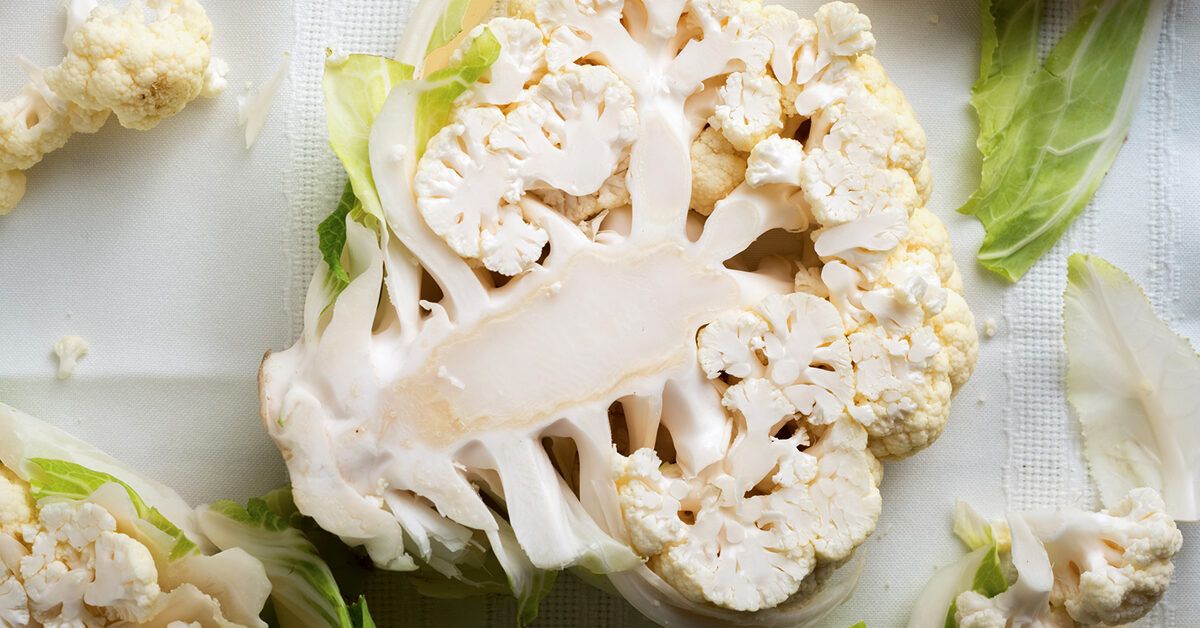
Cauliflower has the public image of a “backup vegetable.” It’s the friend who shows up when potatoes are
“taking a break,” rice is “in its low-carb era,” and pizza crust is trying to “find itself.” But here’s the plot twist:
cauliflower isn’t a consolation prizeit’s quietly one of the most useful vegetables in your fridge.
It’s mild, cheap, easy to cook a dozen ways, and packed with nutrients that actually matter: fiber for your gut,
vitamin C for immune support and collagen, vitamin K for blood and bone health, plus a lineup of plant compounds
found in cruciferous vegetables (the broccoli-and-kale family) that researchers keep studying for long-term disease protection.
In other words, cauliflower is doing the mostwithout bragging.
Quick Cauliflower Nutrition Snapshot (So Your Brain Can Relax)
A cup of raw cauliflower is low in calories and naturally low in carbohydrate compared with starchy sides.
What you get instead is a high “nutrition-to-calorie” ratio: fiber, vitamin C, vitamin K, folate, potassium,
and a little choline (a nutrient your brain and nervous system use for important jobs like memory and mood).
Cauliflower is also mostly water, which helps with fullness and hydrationtwo underrated superpowers if your
snack drawer has a personality.
Bonus: cauliflower contains glucosinolates, sulfur-containing compounds common to cruciferous vegetables.
When chopped or chewed (yes, chewing counts as a culinary technique), these can break down into bioactive
compounds such as isothiocyanates, including sulforaphaneone reason the cruciferous family gets so much attention
in nutrition research.
1) Supports a Healthy Immune System (and Your Skin Doesn’t Hate It Either)
Cauliflower is a solid food source of vitamin C, a key antioxidant that helps protect cells from oxidative stress.
Vitamin C also supports collagen productionmeaning it’s relevant not only for immune function, but also for
connective tissue like skin, gums, and blood vessels.
Real-life example: if you’re the person who “forgets” fruit exists until someone brings a party tray, adding
cauliflower to your weekly rotation can help you rack up vitamin C in a way that feels more like dinner than homework.
Roast it, rice it, or toss florets into soupvitamin C doesn’t require a smoothie blender.
2) Improves Digestive Regularity (A Polite Way to Say: It Helps You Poop)
Fiber is one of cauliflower’s most practical benefits. It adds bulk, supports regular bowel movements, and helps
feed beneficial gut bacteria. A happier gut often means fewer “why do I feel like a balloon?” momentsthough
if you’re new to fiber, ease in gradually to avoid gas and bloating.
Cauliflower also pairs well with other gut-friendly foods. Think roasted cauliflower with chickpeas, cauliflower
in vegetable chili, or a crunchy cauliflower slaw with Greek yogurt dressing. You get fiber plus protein or
probioticslike assembling a dream team for digestion.
3) Helps with Weight Management (Without the Misery)
Cauliflower is a classic “volume eating” vegetable: lots of chew and plate coverage for relatively few calories.
Its water content and fiber help with satietymeaning you feel full sooner and stay full longer.
The sneaky win is substitution. Cauliflower rice, mashed cauliflower, and cauliflower-based soups can reduce the
calorie density of meals while keeping portions satisfying. You’re not “cutting food.” You’re upgrading the
ratio of nutrients to calories. Your stomach feels respected, and your goals don’t get sabotaged by hunger.
4) Supports Better Blood Sugar Control
Cauliflower is a non-starchy vegetable, which generally means fewer digestible carbs per serving than foods like
pasta, bread, rice, or potatoes. For people managing blood sugarwhether you have diabetes, prediabetes,
or you simply don’t enjoy energy crashesnon-starchy vegetables are a smart foundation.
Fiber further helps by slowing digestion and smoothing out the rise in blood glucose after meals. Practical tip:
swap half (or all) of the rice in a bowl meal for cauliflower rice, then add protein and healthy fats. The meal
stays satisfying, and the “carb impact” usually feels gentler.
5) Promotes Heart Health (Your Arteries Would Like a Word)
Heart health isn’t one nutrientit’s a pattern. Cauliflower contributes in several ways: it provides fiber (linked to
healthier cholesterol levels), potassium (important for blood pressure regulation), and antioxidants that help
counter inflammation and oxidative stress, both of which are associated with cardiovascular risk over time.
If you want a simple habit: add a cruciferous vegetable (like cauliflower) to meals a few times per week.
Roast florets with olive oil and spices, or blend cauliflower into creamy soups to replace some cream while keeping
texture rich. Your taste buds get comfort food; your heart gets a better deal.
6) Delivers Cruciferous Compounds Linked to Cancer Protection
Cruciferous vegetables are studied because they contain glucosinolates, which can break down into biologically active
compounds such as isothiocyanates. These compounds have been researched for roles in protecting cells from DNA damage
and influencing pathways involved in inflammation and detoxification.
Important nuance: cauliflower is not a magic shield, and no single food “prevents cancer.” But a dietary pattern rich
in vegetablesespecially cruciferous onesshows up again and again in discussions of lower risk for certain cancers.
Cauliflower is an easy way to get into that pattern without having to fall in love with kale (unless you already did).
7) Supports Bone Health and Normal Blood Clotting
Cauliflower provides vitamin K, which your body uses for blood clotting and bone metabolism. Bone health isn’t just
about calciumyour body needs multiple nutrients working together, including vitamin K and vitamin C (for collagen),
plus minerals and overall protein intake.
A quick note for real life: if you take blood thinners like warfarin, vitamin K intake matters because it can affect
how the medication works. This doesn’t mean you can’t eat cauliflowerit means consistency is key and it’s worth
checking with your clinician about your overall vitamin K pattern.
8) Supports Brain and Nervous System Function (Thanks, Choline)
Cauliflower contains choline, an essential nutrient your body uses to build cell membranes and support the nervous system.
Your brain uses choline for acetylcholine, a neurotransmitter involved in memory and muscle control.
You can make a little choline in the liver, but most people rely on food sources.
Will cauliflower turn you into a genius overnight? No. But it can contribute to overall choline intakeespecially helpful
for people who don’t eat many eggs or animal-based sources. Think of it as one more “small lever” that supports
long-term brain health when combined with sleep, movement, and a balanced diet.
How to Get the Most Out of Cauliflower (Without Getting Bored)
Cook it like you mean it
Roasting is cauliflower’s glow-up. High heat brings out a nutty flavor and caramelized edges. Try 425°F, oil,
salt, pepper, and one bold spice (smoked paprika, curry powder, or chili flakes). You’ll suddenly understand why
restaurants charge $14 for a vegetable.
Use it to “stretch” meals
Add chopped cauliflower to ground meat, chili, soups, or pasta sauces. It disappears into the background while
adding volume, fiber, and nutrients. This is especially useful for families, picky eaters, or anyone who wants
more vegetables without feeling like they’re eating a lawn.
Try it in forms that fit your life
- Cauliflower rice: great in stir-fries and burrito bowls.
- Mashed cauliflower: a lighter side dish with serious comfort vibes.
- Cauliflower “steaks”: thick slices roasted and topped like a main.
- Blended cauliflower: adds creaminess to soups and sauces without much dairy.
Who Should Be a Little Careful?
Cauliflower is generally safe and healthy, but a few situations deserve common-sense attention.
If you’re increasing fiber, do it gradually and drink enough water to reduce bloating.
People with IBS or sensitivity to certain fermentable carbs may find cauliflower triggers gascooking it well and
keeping portions moderate can help.
If you take warfarin or another vitamin K–sensitive anticoagulant, keep vitamin K intake consistent and follow
your clinician’s guidance. And if you have thyroid concerns and have been told to moderate cruciferous vegetables,
cooking and portion awareness are usually part of the conversationindividual advice varies.
Conclusion
Cauliflower is one of those rare foods that’s both practical and genuinely impressive: low in calories, rich in fiber,
loaded with vitamin C and vitamin K, and part of the cruciferous family known for unique plant compounds under active
scientific study. Whether you’re aiming for better digestion, steadier blood sugar, a more heart-friendly plate,
or just a dinner that tastes great, cauliflower can pull its weightquietly, reliably, and with fewer complaints than
most of us.
Real-Life Cauliflower Experiences (About )
My first “cauliflower phase” started the way many good intentions start: with a bag of riced cauliflower and
questionable confidence. I assumed it would taste exactly like rice, because optimism is free. It did not taste
exactly like rice. It tasted like… cauliflower having a side hustle. The lesson: cauliflower isn’t here to cosplay
as other foods perfectly. It’s here to give you new options that are delicious in their own lane.
The turning point was roasting. Once I stopped boiling cauliflower into bland surrender and started roasting it
until the edges browned, everything changed. The flavor got nutty and a little sweet, the texture got satisfying,
and suddenly it wasn’t “the healthy choice.” It was just good food. If you’re trying to eat more vegetables, that’s
the secret sauce: make them taste like something you’d willingly eat on a weekend.
Then came the “stretch the meal” trick. I started adding finely chopped cauliflower to tacos, chili, and pasta sauce.
Nobody filed a complaint. In fact, most people didn’t notice. It made meals feel bigger and more filling without
doubling calories. For anyone trying to manage weight or simply avoid that 9 p.m. snack spiral, this is a surprisingly
powerful move. A bigger-looking plate helps your brain feel like you’re not being punished by dinner.
Cauliflower rice also gets a bad rap because people treat it like plain rice. But it shines when you treat it like a
vegetable. Sauté it with garlic, onions, and a splash of soy sauce or salsa. Mix it with real rice (half and half).
Use it in fried “rice” with egg, peas, and shrimp. When you stop expecting it to be identical to rice, you start
appreciating what it does well: it carries flavors, adds volume, and keeps meals from feeling heavy.
I also learned cauliflower is a mood. Raw florets are fine, but roasted florets feel like a hug. Mashed cauliflower is
comfort food with a better nutrition profileespecially when you add Greek yogurt, roasted garlic, or Parmesan. And a
whole roasted cauliflower on a sheet pan (spiced like shawarma or curry) looks wildly impressive for something that’s
basically “put vegetable in oven, wait, pretend you’re a chef.”
The most useful takeaway is consistency. Cauliflower doesn’t need to be your personality. It just needs to be a
repeatable toolsomething you can toss into a meal a few times a week to support digestion, blood sugar, and a more
nutrient-dense diet. When a vegetable is flexible, affordable, and doesn’t require a culinary degree, it becomes
realistic. And realistic is how healthy habits actually stick.