Some collaborations feel inevitable. Peanut butter and chocolate. Coffee and Monday morning survival. Martha Stewart and perfectly polished entertaining. Then there are collaborations that sound a little chaotic on paper and oddly brilliant in practice. Martha Stewart x Crumbl was very much the latter: one part old-school domestic glamour, one part modern dessert hype machine, and seven very photogenic reasons to start rationalizing a same-day bakery run.
The hook was simple and dangerous: this was a limited-time menu takeover, available only from November 3 through November 8, built to celebrate the rerelease of Entertaining, Martha Stewart’s first book. In other words, the collab wasn’t just selling sweets. It was selling nostalgia, hostess energy, and a tiny hit of panic. Because nothing makes dessert feel more desirable than the phrase “get it before it’s gone.” Crumbl knows this. Martha definitely knows this. And together, they turned a one-week drop into the kind of dessert event that made people stare at menu photos the way other people stare at real estate listings.
What made the collection more interesting than your average celebrity food partnership was that it didn’t feel randomly branded. These seven desserts were inspired by recipes tied to Martha’s world and her signature style. There was structure here. There was point of view. There was, blessedly, not a single lazy flavor tossed in just to fill a box. The menu balanced classic Americana, holiday-table energy, and Crumbl’s flair for oversized indulgence. Think of it as the dessert version of putting fine china on a table and then serving something so rich you immediately need a nap.
Why the Martha Stewart x Crumbl Collaboration Worked
Celebrity food collabs usually fall into one of two camps: a cash grab wearing a cute apron, or a genuinely smart fit. This one landed much closer to the second category. Martha Stewart has spent decades building an empire around baking, hosting, presentation, and seasonal rituals. Crumbl, meanwhile, has built a devoted following by turning desserts into weekly pop culture moments. One brand brings credibility. The other brings urgency. Put them together and you get a menu that feels both aspirational and wildly snackable.
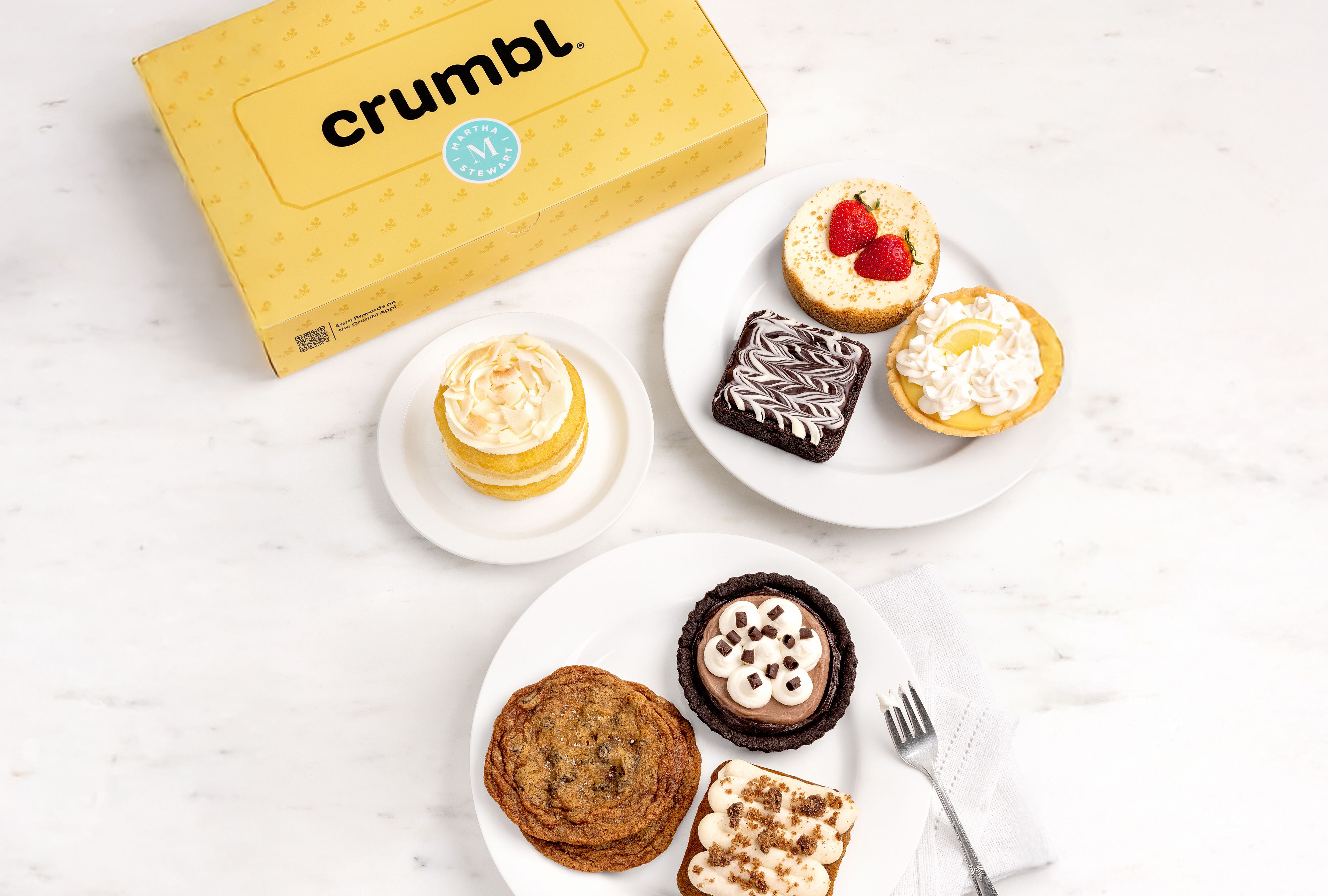
That tension is the whole appeal. Martha’s influence shows up in the lineup’s polished dessert choices: cheesecake, lemon pie, coconut layer cake, and a brownie that sounds like it belongs on a holiday buffet arranged by someone who owns twelve cake stands and knows where every single one is stored. Crumbl’s influence shows up in the scale, the frosting drama, the mix-and-match box strategy, and the knowledge that customers love a menu with just enough excess to feel like a treat and a personality test.
There was also a smart visual angle. Reports on the collection kept circling back to how pretty the desserts looked, and for good reason. Fresh strawberries, dark chocolate curls, whipped toppings, streusel, coconut shreds, glossy chocolate glazethis was not a beige dessert week. This was a “clear your phone storage before you open the box” dessert week.
The 7 Martha Stewart x Crumbl Desserts, Explained
1. Mile-High Lemon Pie
If you like your desserts bright, tangy, and just a little dramatic, the Mile-High Lemon Pie was the lineup’s extrovert. Crumbl’s take featured a shortbread-style crust topped with lemon filling and finished with whipped cream and a lemon garnish. That combination matters: the crust keeps things buttery and rich, while the citrus pulls the whole dessert back from sugar overload.
This one felt especially Martha. Lemon desserts have always had a particular kind of polished confidence. They don’t need sprinkles or gimmicks. They just show up, sharply dressed, and make chocolate work harder. For fans of fruit-forward desserts, this was likely the sleeper hit of the menuless flashy than the chocolate-heavy options, but probably the one that made people pause mid-bite and go, “Okay, that’s actually really good.”
2. Chocolate Tart Cookie
The Chocolate Tart Cookie was where Crumbl’s “cookie” label became delightfully flexible. This dessert leaned closer to a plated tart than a lunchbox cookie, with a chocolate cookie crust filled with fudge and chocolate mousse, then topped with whipped cream and dark chocolate curls. In plain English: it was a chocolate lover’s personality trait disguised as a pastry.
What made it appealing was the contrast. The base promised structure, the mousse delivered softness, and the topping gave the whole thing a dressed-up finish. It was not subtle, and that was exactly the point. If your ideal dessert order is “something rich” and then, somehow, even richer than that, this one was clearly made with you in mind.
3. Classic Fudge Brownie
Every big dessert lineup needs one item that says, “Let’s not overthink this. Brownies are good.” The Classic Fudge Brownie filled that role beautifully. Reports described it as deeply fudgy and topped with chocolate glaze plus a white chocolate drizzle, which sounds like a classic brownie putting on a tuxedo for the holidays.
There is a reason brownies never go out of style: they are democratic. Everyone understands them. Everyone trusts them. In a menu full of photogenic showpieces, the brownie acted as the comforting anchor. It wasn’t trying to reinvent dessert history. It was simply reminding everyone that dense chocolate, done properly, remains one of civilization’s strongest arguments in favor of baking.
4. Coconut Layer Cake
The Coconut Layer Cake brought a softer, more old-fashioned elegance to the collection. This dessert featured white cake layered with vanilla mousse and wrapped in toasted coconut, creating the sort of texture combination that feels both nostalgic and fancy. It’s the kind of dessert that could appear at a bridal shower, a spring luncheon, or the house of a relative whose linens are somehow always crisp.
Coconut can be polarizing, but when it works, it really works. Here, it likely added sweetness, aroma, and a little chew, while the mousse kept the cake from feeling too dense. In a menu otherwise packed with richer, darker flavors, the Coconut Layer Cake offered a lighter-looking counterpoint. Not exactly light in the calorie sense, because let’s be serious, but light in mood. Dessert in pearls, essentially.
5. New York Cheesecake
There are plenty of chain-restaurant cheesecakes in the world. There are fewer cheesecakes that manage to sound classic without sounding boring. The New York Cheesecake in this collection reportedly featured a dense, creamy cheesecake set in a graham cracker crust and topped with fresh strawberries. That last detail matters. Fresh strawberries make a dessert feel more intentional. They say, “Yes, this is indulgent, but we have standards.”
New York cheesecake is a strong choice for a collaboration like this because it bridges Martha’s polished, timeless style and Crumbl’s crowd-pleasing instincts. It is familiar enough for cautious eaters, luxurious enough for dessert enthusiasts, and photogenic enough for anyone whose first instinct is to angle the box toward a sunny window before taking a bite.
6. Pumpkin Sheet Cake
The Pumpkin Sheet Cake gave the menu its seasonal heartbeat. Topped with vanilla bean cream cheese frosting and brown sugar streusel, it leaned into cozy fall flavor without becoming a pumpkin-spice caricature. That balance is crucial. A good pumpkin dessert should feel warm, spiced, and bakery-richnot like someone emptied a candle into the batter.
This was probably the menu item most likely to trigger immediate holiday feelings. It sounds like the dessert equivalent of clean plaid, cold air, and someone insisting you take home leftovers. The cream cheese frosting would bring tang and richness, while the streusel adds a little crunch and extra sweetness. It is easy to imagine this one becoming the sentimental favorite, especially for people who want their desserts to taste like a family gathering even when they are eating in a parking lot.
7. Martha Stewart’s Chocolate Chip Cookie Thins
The most talked-about item in the drop may have been the thinnest one. Martha Stewart’s Chocolate Chip Cookie Thins were inspired by Alexis Stewart’s recipe and sold as a two-cookie sleeve rather than the standard full-size format used for the rest of the lineup. They were described as crisp, thin, caramelized around the edges, and packed with semi-sweet chocolate chips.
That profile gave the collection a clever twist. Crumbl is known for thick, soft, oversized cookies that often feel like miniature layer cakes in disguise. These thins went the opposite direction. They were restrained by Crumbl standards, which is to say they still felt special, but they offered crispness, balance, and a homemade-cookie-shop vibe that many reviewers found especially appealing. Sometimes the smartest flex is not making the dessert bigger. Sometimes it’s making it sharper.
What the Menu Says About Dessert Trends
This collaboration also worked as a snapshot of where dessert culture is right now. Consumers want nostalgia, but not in a dusty way. They want classics, but upgraded. They want recipes with history, but they also want packaging that feels collectible and a menu format that creates urgency. The Martha Stewart x Crumbl collection nailed that formula by mixing familiar desserts with just enough polish and scarcity to make them feel like an event.
It also showed how chains are moving beyond simple cookie flavors into broader dessert identities. This wasn’t just a cookie week. It was a dessert-table week: pie, brownie, cake, cheesecake, tart, and cookie thins all in one drop. That kind of variety gives customers more than one reason to buy a box. It turns ordering into curation. Suddenly you are not grabbing dessert; you are “building a tasting experience,” which sounds more glamorous and slightly less like you just wanted frosting on a Tuesday.
Should You Order Just One or the Whole Box?
If you were approaching this lineup strategically, the answer depended on your dessert personality. Chocolate-first people were probably safest with the Chocolate Tart Cookie or Classic Fudge Brownie. Fruit-dessert loyalists were likely heading straight for the Mile-High Lemon Pie. Traditionalists had the cheesecake. Holiday romantics had the Pumpkin Sheet Cake. Texture obsessives had the Cookie Thins.
But let’s be honest: this menu was built to tempt people into the full-box mindset. The special Martha Stewart six-pack packaging made the collection feel giftable and collectible, not just edible. That is not accidental. A beautifully branded box gives customers permission to over-order under the noble banner of “trying the whole experience.” Crumbl understands that logic. So does anyone who has ever bought a fancy bakery box and claimed it was for sharing, then suspiciously lost interest in sharing.
The Real Experience of Opening a Martha Stewart x Crumbl Box
Now for the part that menu descriptions alone can’t quite capture: the actual experience. Because a collaboration like this doesn’t live only in flavor notes. It lives in the ritual. In the box. In the reveal. In the tiny, irrational joy of seeing a dessert lineup that looks more like a holiday spread than a weekday impulse purchase.
Imagine bringing home that Martha Stewart x Crumbl box and setting it on the kitchen counter. Before anyone even opens it, the branding has already done half the work. It signals occasion. It says this is not an ordinary cookie stop. This is a moment. Maybe not a life-changing moment. We are still talking about baked goods. But definitely the kind of moment that makes people hover nearby and ask, “Wait, which one is mine?” with the urgency of a draft pick.
Then the lid opens. Immediately, the lineup reads less like fast dessert and more like a compact bakery case. The cheesecake looks polished. The lemon pie looks airy and bright. The brownie sits there with quiet confidence, like it knows it doesn’t need a sales pitch. The Pumpkin Sheet Cake practically waves a tiny fall flag. The Coconut Layer Cake looks like it belongs on a cake stand with a lace doily underneath it. And the Cookie Thins? They almost feel like a wink from Martha herself: yes, we can do restraint too, but only stylishly.
Part of the fun is how different the textures promise to be before you even take a bite. One item looks creamy. Another looks crisp. Another looks dense enough to ruin your ability to pretend you only wanted “a taste.” It becomes less about picking dessert and more about planning a route through the box. Do you start with citrus and end with chocolate? Do you split the brownie and save room for the pie? Do you act civilized for three minutes before abandoning all order and grabbing the cheesecake first? There are no wrong answers here, only revealing ones.
There is also something funny and very modern about the fact that a Martha Stewart collaboration can feel both elegant and extremely online at the same time. You can picture these desserts on a dressed table with linen napkins and silver forks. You can also picture them being reviewed in a car with someone saying, “Okay, the texture on this one is actually insane.” That duality is probably why the collaboration got so much attention. It met people where they were: half aspiring host, half snack goblin.
And that is what made the experience memorable. The collection didn’t just give fans seven desserts. It gave them a tiny performance of abundance. It turned a bakery run into a tasting, a photo op, and a pop-culture food conversation all at once. Even people who never planned to buy all seven likely understood the appeal. The box looked curated. The desserts felt occasion-worthy. And the limited window added that irresistible little whisper: go now, because by next week this whole thing will be gone and replaced by something else.
That fleeting quality is frustrating, sure, but it is also part of the magic. Great limited-time food drops create a memory as much as a craving. They become the desserts people bring up later with dramatic sincerity: “I still think about that lemon pie.” “Those thins were the best thing Crumbl has done.” “I regret not getting the coconut cake.” It is ridiculous. It is completely understandable. It is also exactly how good food marketing works when the food itself can back it up.
Final Thoughts
These seven Martha Stewart x Crumbl desserts worked because they did more than slap a celebrity name on a sugar rush. They told a cohesive story. They tied into a real piece of Martha Stewart history. They balanced familiar flavors with playful presentation. And they understood the assignment: make dessert feel like an event, then make it disappear before people can get bored.
Whether your ideal pick was the bright Mile-High Lemon Pie, the nostalgic Pumpkin Sheet Cake, the dressed-up New York Cheesecake, or the quietly buzzy Chocolate Chip Cookie Thins, this was the rare limited-time menu that sounded as good as it looked. And in the crowded universe of celebrity food collabs, that is no small thing. Martha brought the polish. Crumbl brought the hype. Customers got a dessert box that looked party-ready and tasted like a very successful overreaction to having a sweet tooth.
If nothing else, the collaboration proved one timeless truth: when Martha Stewart says it is time to entertain, dessert had better show up wearing its best outfit.