Getting older comes with a few unwelcome plot twists: mystery noises from your knees, a suspicious relationship with heating pads, and, for some people, a gradually rounded upper back that seems to appear out of nowhere. That rounded posture may be kyphosis, a condition in which the spine curves forward more than normal. In older adults, kyphosis is often linked to osteoporosis, vertebral compression fractures, degenerative spinal changes, and muscle weakness. In other words, it is not always “bad posture,” even if posture does join the party.
The good news is that treatment options for kyphosis in the elderly are broader and more practical than many people realize. Some people improve with physical therapy, posture training, pain control, and bone-health treatment. Others need braces for support during healing. A smaller group may benefit from minimally invasive procedures such as kyphoplasty, or from spinal surgery when pain, nerve compression, or progressive deformity becomes severe. The right plan depends on the cause, the severity of symptoms, and the person behind the spine.
This guide explains the most effective treatment options for elderly kyphosis, how doctors choose between conservative care and surgery, and what older adults and caregivers should know before making decisions.
What Is Kyphosis in Older Adults?
Kyphosis is an excessive forward rounding of the upper back. A normal thoracic spine has a gentle curve, but when that curve becomes exaggerated, the back can look hunched or stooped. In seniors, this may develop slowly over time or worsen suddenly after an osteoporotic compression fracture.
Age-related kyphosis is often called hyperkyphosis. It may be associated with back pain, fatigue, stiffness, reduced mobility, poor balance, and loss of height. In more advanced cases, it can affect breathing, walking tolerance, and overall independence. That is one reason treatment matters: kyphosis is not only about appearance. It can interfere with how a person moves through daily life, from climbing stairs to reaching a kitchen shelf without negotiating with gravity first.
Common Causes of Kyphosis in the Elderly
Before choosing a treatment plan, doctors try to identify what is driving the curve. In older adults, the most common causes include:
Osteoporosis and compression fractures
This is the big one. Osteoporosis weakens bones, making the vertebrae more likely to compress, crack, or collapse. Multiple small spinal fractures can gradually create a rounded back. Sometimes one painful fracture starts the problem; sometimes several silent fractures add up over time.
Degenerative spinal changes
Arthritis, disc degeneration, and long-term wear and tear can alter spinal alignment. This type of kyphosis may come with chronic aching, reduced flexibility, and difficulty standing upright for long periods.
Muscle weakness and poor postural support
Weak back extensor muscles, abdominal weakness, and general deconditioning can make the spine more likely to drift forward. This does not mean a person “caused” kyphosis by slouching. It means muscular support may no longer be strong enough to counterbalance age-related spinal changes.
Previous spine problems or surgery
Some older adults develop kyphosis after prior spinal surgery, trauma, or other structural conditions affecting the vertebrae.
How Kyphosis Is Evaluated
Even though this article focuses on treatment, diagnosis shapes every treatment decision. Doctors usually begin with a physical exam, posture assessment, and a discussion of symptoms such as pain, weakness, numbness, balance trouble, or shortness of breath.
Imaging often includes spinal X-rays to measure the curve and check for fractures or deformity. If there are signs of nerve involvement, severe pain, or concern for another cause, MRI or CT imaging may be used. Many older adults also need a bone density scan to evaluate for osteoporosis, because treating the curve without treating fragile bones is like mopping the floor while the faucet is still running.
Non-Surgical Treatment Options for Kyphosis in the Elderly
For most older adults, treatment starts conservatively. That means relieving symptoms, improving function, preventing further spinal collapse, and protecting bone health.
1. Physical therapy and targeted exercise
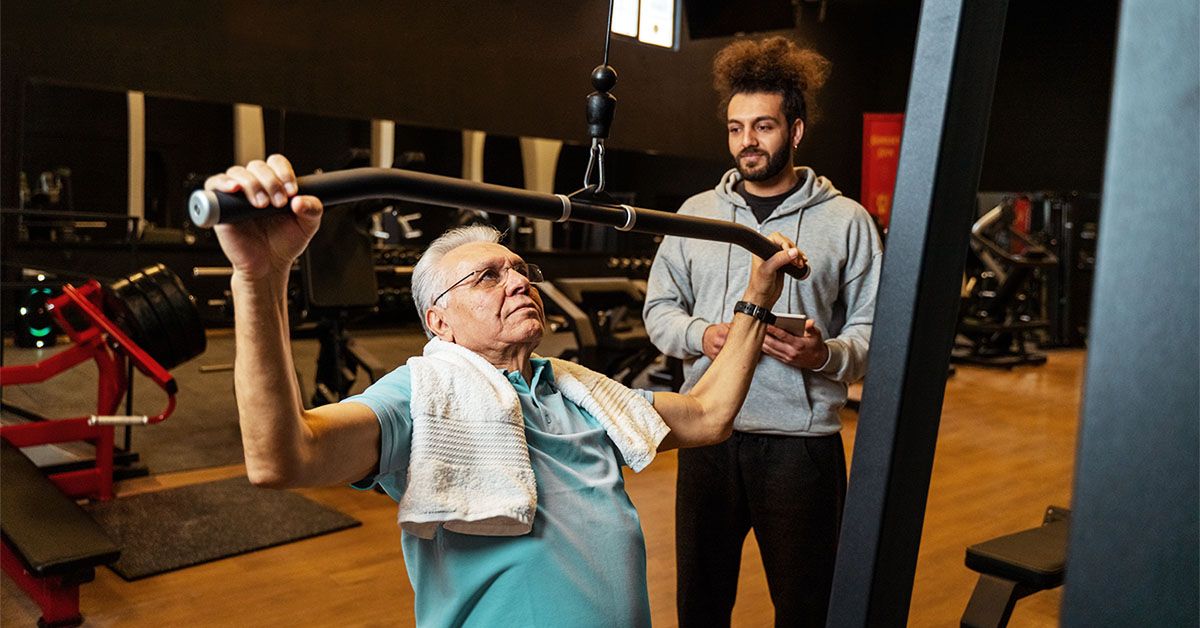
Physical therapy is often one of the most important treatment options for kyphosis in the elderly. A well-designed program may improve posture, flexibility, balance, and strength, especially in the core, hips, shoulders, and back extensor muscles.
Common goals of physical therapy include:
- Strengthening the muscles that support upright posture
- Improving spinal mobility and flexibility where safe
- Reducing pain during walking, standing, and transfers
- Improving gait and lowering fall risk
- Teaching body mechanics for daily activities
Low-impact exercise such as walking, gentle resistance training, balance work, and supervised stretching may also support bone health and reduce deconditioning. In older adults with osteoporosis, exercises should be tailored carefully. This is not the moment for heroic toe-touching competitions or aggressive twisting drills from a random internet video.
2. Posture training and movement retraining
Posture training teaches older adults how to align the head, shoulders, rib cage, and pelvis more effectively during sitting, standing, and walking. This can be surprisingly helpful when kyphosis is flexible or when muscle weakness is amplifying a structural curve.
Therapists may work on chest opening, scapular positioning, ergonomic changes, and strategies for safer movement. While posture work cannot reverse every structural spinal change, it can reduce strain and improve comfort.
3. Pain management
Pain control is a major part of treatment, especially when kyphosis is related to vertebral compression fractures or degenerative changes. Depending on the person’s health profile, options may include:
- Acetaminophen or other physician-approved pain relievers
- Nonsteroidal anti-inflammatory drugs when appropriate
- Short-term prescription medication in selected cases
- Topical pain treatments
- Heat, activity modification, and guided rehab
The goal is not to erase every sensation forever. The goal is to reduce pain enough that the person can move, sleep, and participate in treatment. For many seniors, motion is medicine, but pain tends to act like a dramatic villain and block the doorway.
4. Bracing
Bracing can help some older adults, especially after a recent compression fracture or when extra support improves comfort. In seniors, braces are generally used to stabilize the spine, reduce painful motion, and support healing. They are not a magic reset button that turns an 80-year-old spine into a 25-year-old yoga instructor’s spine.
Bracing may be considered when:
- A vertebral compression fracture is recent and painful
- Movement worsens symptoms
- Short-term support helps a person stay mobile more safely
Because long-term brace use can contribute to muscle weakness, clinicians usually balance support with active rehabilitation.
5. Osteoporosis treatment
When kyphosis is linked to osteoporosis, treating bone loss is essential. Otherwise, the person may remain at high risk for additional vertebral fractures, worsening spinal curvature, and future disability.
Osteoporosis treatment may include:
- Bisphosphonates, which are often first-line medications
- Denosumab for people who cannot take or do not tolerate bisphosphonates
- Anabolic treatments such as teriparatide in selected high-risk patients
- Calcium and vitamin D support when appropriate
- Weight-bearing activity, resistance exercise, and fall prevention strategies
This part of treatment is sometimes overlooked because it is less dramatic than surgery. But for many older adults, bone-health treatment is the difference between stabilizing the situation and collecting new fractures like unwanted souvenirs.
6. Fall prevention and home safety
Kyphosis in the elderly is often tied to balance problems, reduced physical function, and fracture risk. That makes fall prevention a medical strategy, not just good housekeeping. Doctors or therapists may recommend:
- Balance and strength training
- Grab bars and better lighting at home
- Review of medications that increase dizziness
- Use of a cane or walker when needed
- Supportive shoes and safer stair habits
Minimally Invasive Procedures for Kyphosis Related to Compression Fractures
When a recent osteoporotic compression fracture causes severe pain that does not improve with conservative care, doctors may consider vertebral augmentation procedures such as kyphoplasty or vertebroplasty.
Kyphoplasty
Kyphoplasty involves placing a needle into the fractured vertebra, inflating a small balloon to create space and potentially restore some height, and then filling that space with bone cement. It is typically considered for carefully selected patients with recent, painful fractures.
Potential benefits may include faster pain relief, improved mobility, and better spinal stability in the right patient. However, it is not a cure for osteoporosis and does not replace long-term bone treatment.
Vertebroplasty
Vertebroplasty also uses bone cement, but without the balloon step. Some specialists still use it in selected cases, though the choice between vertebroplasty, kyphoplasty, and continued conservative care depends on imaging findings, fracture timing, pain severity, and overall health status.
These procedures are generally not first-line for every older adult with kyphosis. They are best viewed as targeted tools for a specific problem: persistent severe pain from a vertebral compression fracture.
When Surgery May Be Needed
Most older adults with kyphosis do not need major corrective spine surgery. But surgery may be considered when the curve is severe, progressive, unstable, or causing nerve compression or disabling pain.
Possible reasons to consider surgery
- Severe pain that does not improve with medication, bracing, or physical therapy
- Progressive spinal deformity
- Neurologic symptoms such as weakness, numbness, or spinal cord compression
- Marked difficulty standing upright or walking
- Structural instability after fractures
Common surgical options
Surgical treatment may include spinal decompression, spinal fusion, or more complex deformity correction with rods and screws. In some cases, surgery addresses both nerve compression and abnormal alignment.
For older adults, surgeons must weigh benefits against risks very carefully. Age alone does not rule out surgery, but bone quality, overall frailty, heart and lung health, recovery capacity, and goals of care all matter. A technically perfect X-ray means very little if the recovery plan does not fit the person’s real life.
Choosing the Best Treatment Plan
There is no one-size-fits-all answer for elderly kyphosis treatment. The best plan depends on several questions:
- Is the kyphosis caused by osteoporosis, degeneration, or another spinal problem?
- Is the curve flexible or rigid?
- Is pain mild, moderate, or disabling?
- Are there any nerve symptoms or breathing issues?
- Has the person had recent vertebral fractures?
- What are the person’s goals: less pain, better walking, fewer falls, straighter posture, or all of the above?
For many seniors, the best results come from combining treatments rather than chasing a single “fix.” A smart plan might include physical therapy, osteoporosis medication, safer movement strategies, short-term bracing, and regular follow-up imaging. Another patient may need a procedure for a recent fracture. Another may need surgery after conservative care fails. Good care is individualized care.
What Older Adults and Caregivers Should Watch For
Medical evaluation becomes especially important when kyphosis is accompanied by:
- Sudden or severe back pain
- Loss of height
- New stooped posture after a minor fall or even a cough
- Weakness, numbness, or tingling in the arms or legs
- Trouble walking or standing upright
- Shortness of breath or reduced activity tolerance
These signs may suggest a compression fracture, nerve involvement, or another problem requiring prompt treatment.
Conclusion
Treatment options for kyphosis in the elderly range from conservative care to advanced spine procedures, but the foundation is usually the same: identify the cause, protect the bones, reduce pain, improve posture and mobility, and prevent the next fracture or fall. For many older adults, physical therapy, targeted exercise, pain relief, and osteoporosis treatment provide meaningful improvement. For others with severe pain from recent fractures, kyphoplasty or vertebroplasty may help. And for the smaller group with progressive deformity, neurologic symptoms, or disabling pain, surgery may be appropriate.
The key takeaway is simple: kyphosis in older adults should not be brushed off as “just getting older.” It is a real spinal condition with real treatment options. The earlier it is evaluated, the better the chance of preserving comfort, independence, and quality of life.
Experiences Related to Treatment Options for Kyphosis in the Elderly
Many older adults describe kyphosis treatment as less of a single event and more of a gradual turning point. One common experience starts with back pain that seems minor at first. A person notices they are leaning forward more, clothes fit differently, and reaching overhead becomes harder. Then an X-ray reveals a vertebral compression fracture or long-standing spinal curvature. The emotional reaction is often a mix of relief and frustration: relief to finally have an explanation, frustration that it was blamed on “bad posture” for so long.
Physical therapy is where many people first feel hopeful again. Seniors often say the exercises seem almost too simple in the beginning: shoulder blade squeezes, gentle extension work, walking drills, sit-to-stand practice, and balance exercises. But over a few weeks, those small moves can add up. Some report they cannot completely straighten their spine, but they feel steadier, less achy, and more confident getting out of bed, walking through the grocery store, or standing in the kitchen long enough to cook a real meal instead of surrendering to crackers and cheese.
Caregivers also notice meaningful changes that do not always show up on a scan. A parent who used to avoid outings starts joining family dinners again. A grandparent who walked with eyes on the floor begins looking forward instead of down. These are not flashy miracle-cure moments, but they matter. Function is personal, and in older age, reclaiming a little independence can feel enormous.
People treated for osteoporosis often describe a mental shift as well. At first, bone medication, calcium, vitamin D, and fall-prevention changes may feel unrelated to the curve itself. Later, many realize this part of the plan is central. Preventing the next fracture can be just as important as easing the current pain. Patients who understand that tend to stay more engaged with long-term care.
Those who undergo kyphoplasty for a painful recent fracture sometimes describe the experience in very practical terms: less pain when getting up, easier walking, better sleep, and the ability to breathe or cough without feeling like their back is protesting in all caps. Not everyone has a dramatic improvement, but carefully selected patients often value the faster return to mobility.
Major spine surgery, on the other hand, is usually described as a serious decision rather than an easy fix. Older adults who choose surgery often do so after months or years of disabling pain, progression of deformity, or nerve symptoms. Their stories usually include careful planning, family discussions, questions about recovery, and a realistic understanding that improvement may come gradually. The most satisfied patients are often the ones who enter the process with clear goals: stand straighter, walk farther, reduce nerve pain, or maintain independence.
Across these experiences, one theme keeps showing up: the best treatment is the one that matches the person, not just the X-ray. Some older adults want aggressive correction. Others want safe pain control and better daily function. Both are valid. Kyphosis treatment works best when the plan respects medical facts and human reality at the same time.