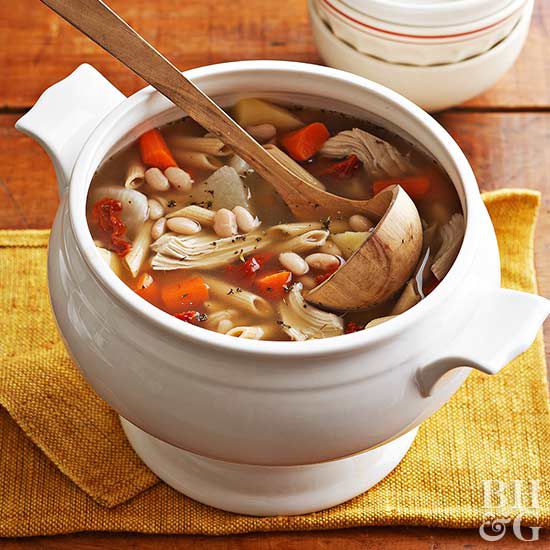
You did it. You hosted. You carved. You accepted the applause. And now what’s left on the cutting board looks like a turkey’s Halloween costume: the frame.
Before you wrap it up and send it to the trash like a sad, bony relicpause. That “turkey frame” is basically a flavor savings account, and Turkey Frame Soup
is the interest.
This is the soup people make the day after Thanksgiving when they’re wearing sweatpants with confidence and still saying, “I can’t even look at food,” while
absolutely looking at food. It’s cozy, practical, and surprisingly impressive for something that starts with leftovers and good intentions.
What Is Turkey Frame Soup?
“Turkey frame” is a cozy home-cook term for the carcass: the bones and structure left after most of the meat is carved off. It usually includes the breastbone,
rib cage, back, and those sneaky pockets of meat you didn’t notice until you start picking. Turkey Frame Soup is what happens when you simmer that frame into a
rich stock, then build a hearty soup with vegetables, grains or noodles, and the last bits of turkey.
Think of it as a two-step magic trick:
Step 1: Make turkey stock (deep, savory, lightly gelatinous when chilled).
Step 2: Turn it into soup (warming, filling, and extremely forgiving).
The stock stage is where the flavor lives. The soup stage is where your fridge gets redeemed.
Why Turkey Frame Soup Is the MVP of Leftovers
- Maximum flavor, minimal cost: You’re extracting goodness from something you already paid for.
- It’s naturally rich: Bones and connective tissue release collagen, which gives the broth body (hello, silky mouthfeel).
- It scales easily: One turkey frame can make anything from a small pot to a freezer stash.
- It’s customizable: Noodles, rice, beans, barley, wild riceTurkey Frame Soup doesn’t judge.
Also, it gives you an excuse to say “frame” in a sentence like you’re on a cooking show:
“We’re going to build our soup off the turkey frame.” Fancy. Efficient. Slightly spooky.
Food Safety First (Because Nobody Wants ‘Leftover Roulette’)
Turkey Frame Soup is comfort food, but it still obeys the laws of microbiology. The short version:
refrigerate leftovers promptly, cool big pots quickly, and reheat thoroughly.
Quick safety rules you can actually remember
- Get leftovers into the fridge within 2 hours (1 hour if it’s very hot out).
- Don’t cool a giant pot on the counter forever: big volumes stay warm too long.
- Divide stock/soup into shallow containers to cool faster, or use an ice bath.
- Reheat leftovers to 165°F if you’re warming them up again.
- Eat refrigerated cooked turkey within 3–4 days or freeze it within that window.
Translation: if you make the stock today and soup tomorrow, you’re living the good life. If you discover a pot of “mystery broth” on day six, that’s not a
“meal plan,” that’s a science experiment.
The Core Method: Frame → Stock → Soup
Step 1: Prep the turkey frame (5–10 minutes)
- Pick off usable meat (hands or forks). Refrigerate the meat separately so it doesn’t overcook later.
- Break the frame into pieces if needed so it fits your pot. Yes, it feels dramatic. Yes, it’s worth it.
- Optional: If your turkey was heavily seasoned or smoked, plan to season your stock lightly at firstsalt can concentrate as it simmers.
Step 2: Build the turkey stock (the flavor foundation)
Put the turkey frame in a large stockpot and cover with cold water by about 1–2 inches. Add aromatics. Bring it just to a boil, then immediately lower to a
gentle simmer (small bubbles, not a raging jacuzzi).
A classic aromatics set
- 1 onion, quartered (no need to be precious)
- 2–3 carrots, rough-chopped
- 2–3 celery stalks (leaves welcome)
- 2 bay leaves
- 1–2 teaspoons peppercorns
- Optional herbs: thyme, parsley stems, sage (especially “holiday” vibes)
How long to simmer?
For turkey stock, most home-cook methods land in the 2–5 hour zone depending on how intense you want it:
a shorter simmer gives a clean, mild broth; a longer simmer pulls deeper flavor and body. Keep it at a gentle simmer so the stock stays pleasant instead of
tasting like “boiled everything.”
Do you need to skim?
If foam rises early on, skimming can give you a clearer stock, but it’s not required for great flavor. If you want “crystal clear,” skim; if you want “cozy
and rich,” relax.
Step 3: Strain, cool, and de-fat
- Strain through a colander or fine-mesh sieve into a large bowl or pot.
- Cool quickly: divide into shallow containers and refrigerate, or set the container in an ice-water bath and stir.
- Chill and lift fat: once cold, a layer of fat may firm up on topremove it for a cleaner soup (or keep some for flavor).
Step 4: Turn stock into Turkey Frame Soup
Now you’ve got liquid gold. Pour the stock into a soup pot and build your soup with vegetables, starch, and turkey meat.
Start with hearty vegetables first; add noodles or rice later so they don’t turn into mush.
Ingredients (Flexible, Not Fussy)
Turkey Frame Soup is a “use what you have” recipe, but it helps to think in categories. If you hit each category, the soup tastes complete.
1) The base
- Homemade turkey stock (from the frame) or a mix of stock + water if you need to stretch it
2) The vegetables
- Classic: onion, carrots, celery
- Great add-ins: parsnips, mushrooms, green beans, kale, spinach, cabbage
- Tomato option: diced tomatoes or a spoon of tomato paste for deeper savory notes
3) The “make it a meal” part
- Noodles: egg noodles, rotini, or small pasta shapes
- Rice: white rice, brown rice, or wild rice blend
- Other: barley, lentils, beans, or chopped potatoes
4) The turkey
- Reserved cooked turkey meat, added near the end so it stays tender
5) The finishing touches
- Salt and pepper (season at the end)
- Fresh herbs (parsley, dill, or thyme)
- A little acid (lemon juice or a splash of vinegar) to brighten everything
Flavor Upgrades That Make It Taste Like You Tried Harder Than You Did
Roast before you simmer
If you want a darker, richer stock: roast the turkey frame (and/or onions, carrots, celery) on a sheet pan until well-browned, then simmer. Browning builds
deeper savory flavor that reads as “restaurant soup” even if you’re wearing socks that don’t match.
Tomato paste = savory cheat code
A tablespoon or two of tomato paste, toasted briefly with your aromatics, can deepen the broth’s color and umami. Not “tomato soup” vibesmore like “wow,
what is that flavor?” vibes.
Use a Parmesan rind (optional but magical)
Simmer a Parmesan rind in the soup for 20–30 minutes for subtle richness. Remove before serving. It’s like adding depth without adding a new ingredient you have
to explain.
Add acid at the end
A squeeze of lemon or a teaspoon of vinegar wakes up the broth. This is the difference between “nice soup” and “why am I suddenly standing over the pot
eating straight from the ladle?”
Variations: Choose Your Own Turkey Adventure
Classic Turkey Noodle Soup
Sauté onion, carrots, and celery in a bit of turkey fat or olive oil, add stock, simmer until tender, then add noodles. Stir in turkey meat at the end.
Tip: cook noodles separately if you want perfect leftovers (they keep absorbing broth).
Turkey & Rice Soup (extra cozy)
Add rice and simmer until tender. If using white rice, it cooks faster; brown or wild rice takes longer. Another trick: cook rice separately and add per bowl
so the soup stays brothy.
Day-After “Everything” Soup
This one embraces holiday chaos: leftover roasted veggies, a spoon of gravy, even a bit of stuffing can thicken the broth and turn it into a hearty,
stew-like soup. Keep seasoning light until everything meldsleftovers are salty in unpredictable ways.
Southwest Turkey Frame Soup
Add cumin, chili powder, black beans, corn, and diced green chiles. Finish with lime and cilantro. Optional toppings: tortilla strips, avocado, shredded cheese.
Creamy Turkey Frame Soup (without getting heavy)
Stir in a splash of half-and-half at the end, or blend a cup of the soup (veg + broth) and stir it back in for creaminess without dairy drama.
Make-Ahead, Storage, and Freezing Tips
How long does Turkey Frame Soup last?
- Fridge: 3–4 days is the usual safe window for cooked turkey leftovers.
- Freezer: Freeze within that window; quality is best within about 2–6 months.
How to freeze it like a pro
- Cool the soup quickly, then portion into freezer containers (leave headspace for expansion).
- If using noodles, consider freezing the soup without noodles and adding fresh pasta later.
- Label containers with the date. Future-you will not remember. Future-you will guess. Don’t do that to future-you.
Reheating tip
Reheat soup until steaming hot throughout. If it was frozen, you can reheat directly from frozenjust allow extra time and stir occasionally so it heats evenly.
FAQ: Turkey Frame Soup Questions People Actually Ask
Is turkey frame soup the same as turkey carcass soup?
Yep. “Frame” just sounds a little more folksy (and slightly like a woodworking project). Same idea: bones + aromatics → stock → soup.
Should I add salt while making stock?
Go easy. The turkey may already be salty from roasting and seasoning, and stock reduces slightly as it simmers. Season your soup at the end, when you
know exactly how concentrated the broth is.
My stock turned cloudy. Did I ruin it?
Not at all. Cloudy stock usually comes from a stronger boil or lots of stirringappearance changes, flavor is still great. If you want it clearer next time,
keep a gentle simmer and skim early foam.
What if my stock tastes bland?
Add salt gradually, then add brightness (lemon/vinegar). Also try a spoon of tomato paste, a Parmesan rind, or fresh herbs at the end. Bland stock often needs
balance, not just more simmer time.
Can I make this in a slow cooker or Instant Pot?
Absolutely. Slow cooker stock is great overnight; pressure cooking speeds up extraction. The same principles apply: don’t over-salt early, strain well, and cool
quickly before storing.
Kitchen Experiences: The Real-Life Joy (and Comedy) of Turkey Frame Soup
Making Turkey Frame Soup has a very specific emotional arc. It starts with mild disbelief (“Am I really about to cook bones?”), moves into quiet satisfaction
(“Oh, this smells incredible”), and ends with you standing at the stove, tasting the broth like you’re judging a cooking competition you definitely did not
audition for. It’s one of those recipes where the process feels old-school in the best waylike you’re doing what generations of home cooks did before
“meal prep” became a hashtag.
The first unforgettable moment is the pick-the-frame phase. You think the turkey is “done,” then you start pulling andsurprisethere’s a
shocking amount of meat hiding along the backbone, around the joints, and in those corners that never met your carving knife. This is also when you discover
your personal turkey habits: some people are neat and methodical; others go full raccoon-mode (no judgment). Either way, you end up with a small bowl of turkey
that feels like found money.
Then comes the simmer, which is basically therapy with steam. The kitchen shifts from “post-holiday mess” to “cozy soup house” as the pot
bubbles gently and the aroma builds. It’s not just turkey smellit’s onion and celery sweetness, herb warmth, and that deep savory note that only bones can
provide. People often describe it as the scent of “the holiday continuing, but calmer.” Less hosting, more nesting. The best part is how low-maintenance it is:
you can clean, nap, or watch something brainless while the pot does the heavy lifting.
There’s also a classic Turkey Frame Soup rite of passage: the “too much water” panic. At some point you look at the pot and think, “Wait,
did I dilute it?” Here’s what usually happens: as it simmers, the broth concentrates, and once you strain it, you realize it’s richer than it looked. If it’s
still mild, you can simmer it longer after straining to reduce slightly, or simply treat it as a lighter, cleaner stock and let your soup ingredients (herbs,
seasoning, a little acid) bring it to life. Soup is forgiving. Humans are the ones who spiral.
Another very real experience: the noodle dilemma. If you add pasta straight into the pot, it’s wonderful on day onetender, comforting,
perfect. On day two, the noodles may have absorbed enough broth to qualify as a casserole. Some people love that thick, hearty vibe. Others prefer a brothy
soup. The practical, lived-in fix is simple: cook noodles separately and add them per bowl, or add pasta only to the portion you’ll eat right now. This is the
kind of small choice that makes you feel like you’ve cracked a secret code, even though it’s just… pasta being pasta.
The final experience is the most satisfying: the freezer win. Portioning soup feels like you’re leaving gifts for your future self. A week or
a month later, on a night when cooking feels impossible, you defrost a container and suddenly dinner is handled. And not just handledhandled with something
that tastes homemade, rich, and intentional. Turkey Frame Soup is one of those recipes that quietly upgrades your life. It turns the “end” of the holiday into
a beginning: a broth base for ramen-ish noodles, a quick rice soup, a creamy leftover stew, or just a mug of hot stock when you want comfort in liquid form.
In a weird way, it’s the most peaceful part of the whole turkey saga.