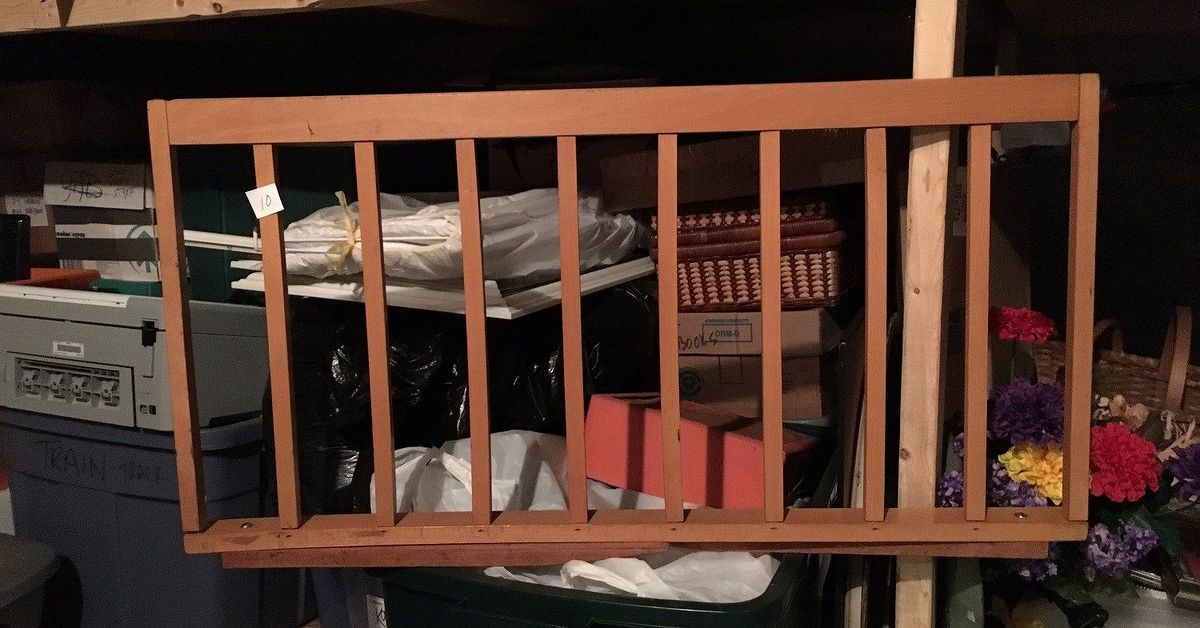
Some home decor projects whisper. This one salutes. An upcycled gate turned American flag is the kind of DIY idea that checks all the boxes at once: it is rustic, meaningful, budget-friendly, and packed with personality. It also gives an old gate a second act instead of sending it off to the great splinter pile in the sky. If you love reclaimed wood projects, patriotic decor, or weekend builds that make guests say, “Wait, that used to be a gate?” this project is worth your time.
What makes this idea especially appealing is the mix of story and style. Old gates already come with weathered character, sturdy framing, and that slightly imperfect texture you simply cannot fake with fresh lumber from aisle 12. Turn that into a wooden American flag, and you get a decor piece that feels handmade in the best possible way. It can lean rustic farmhouse, vintage Americana, modern cabin, or “I built this with coffee, determination, and one suspiciously wobbly sawhorse.”
In this guide, you will learn how to plan, prep, paint, seal, and style an old gate so it becomes a handsome American flag wall hanging or porch display. We will also cover the practical details that separate a charming DIY from a regrettable paint crisis, including safety, layout, finishing options, and the common mistakes that can turn a patriotic masterpiece into a wooden cry for help.
Why an upcycled gate makes such a great American flag project
Old gates are almost unfairly perfect for this type of DIY. First, they already have a framed structure, which gives your flag shape and visual weight. Second, many vintage or salvaged gates are made of real wood with visible grain, knots, and texture. That means the finished piece looks authentic rather than factory-smooth and suspiciously sterile.
There is also the sustainability factor. Reclaimed wood decor appeals to homeowners who want something more thoughtful than one more mass-produced wall piece that arrives in a box filled with enough plastic air pillows to float a canoe. Reusing old materials gives them a new purpose, reduces waste, and often costs less than building from scratch.
On top of that, the American flag design works beautifully on long wood slats, panels, and framed sections. The stripes translate naturally across horizontal boards, and the blue field of stars fits nicely in one upper corner. The result feels bold but not fussy, especially when the wood has natural wear that adds depth.
What you need before you start
You do not need a giant workshop or a television crew dramatically nodding in the background. Most homeowners can make this project with basic DIY supplies:
- An old wooden gate or salvaged gate panel
- Stiff brush, soap, bucket, and clean rags
- Putty knife or paint scraper
- Sander or sanding block with medium and fine grit sandpaper
- Wood filler for minor cracks or holes
- Exterior primer if bare or repaired wood is exposed
- Red, white, and blue exterior paint or stain
- Painter’s tape, ruler, and pencil
- Star stencil, vinyl stencil, or small star decals for tracing
- Brushes, foam brushes, or a small roller
- Clear exterior sealer or outdoor-rated protective finish if the piece will live outside
- Hanging hardware appropriate for the gate’s weight
If your gate is metal rather than wood, the same concept can still work, but you will need surface prep and primer appropriate for metal. For most people, though, a weathered wooden gate is the sweet spot.
Inspect the gate before you do anything dramatic
Check for rot, loose joints, and structural issues
Give the gate a realistic inspection, not the hopeful kind where you squint and declare everything “probably fine.” If the wood is soft, crumbling, badly split, or full of active rot, the gate may be too far gone for a lasting decor piece. Minor cracks, old nail holes, and surface wear are usually fine. In fact, they add charm. But if boards are separating or the frame is twisting like it is trying to escape the project, repair it first.
Tighten loose screws, replace missing fasteners, and reinforce weak corners. A flag wall hanging should look rugged, not collapse under the emotional pressure of being admired.
Be careful with old paint
This is the grown-up section, but it matters. If your gate is older and has existing paint, especially if it may date back to before 1978, treat it carefully. Sanding old painted surfaces can create hazardous dust. If you are unsure of the gate’s age or paint history, use lead-safe precautions and avoid aggressive dry sanding until you know what you are dealing with.
That may sound less exciting than buying cute paint brushes, but safety always beats a trip to the hardware store followed by a regrettable call to your lungs.
How to turn an old gate into an American flag
1. Clean it like you mean it
Start by removing dirt, cobwebs, flaking finish, and general backyard mystery. Scrub the gate with a stiff brush, mild soap, and water. Rinse it well, then let it dry thoroughly. Paint and sealer do not bond well to grime, mildew, or moisture. If your gate has spent years outdoors, this step can make a shocking difference. Under all that gunk, there may actually be handsome wood.
2. Sand for a smooth-but-still-rustic finish
You are not trying to make the gate look brand new. You are trying to make it paintable, touchable, and less likely to donate splinters to everyone in the room. Scrape loose paint, smooth rough edges, and sand with the grain. Focus on the spots where paint is peeling, the boards feel fuzzy, or old finish is failing.
If you want a distressed Americana look, stop before the wood loses all of its age and character. Think “historic charm,” not “sterile furniture showroom.” The best reclaimed wood flag projects keep some texture.
3. Repair only what needs repairing
Fill deep gouges or holes if they interfere with the design, but do not overfill every imperfection. A salvaged gate should still look like a salvaged gate. Small dents, knots, and old screw marks give the piece soul. If anything, those details help the finished American flag wall decor feel less mass-produced and more personal.
4. Prime bare wood and patched areas
If sanding or repairs expose bare wood, apply primer before painting. This helps with adhesion, coverage, and a more durable finish. It is especially important if your gate will hang on a porch, patio, or exterior wall where sun, humidity, and weather like to test your optimism.
Lightly sand again after the primer dries if needed, then wipe away dust. This extra pass may sound annoying, but it is the kind of boring step that quietly makes your finished project look much better.
5. Plan the flag layout before paint touches wood
This is where the project stops being “random red stripes on old wood” and starts becoming a recognizable American flag design. Sketch your layout first. The traditional design includes 13 stripes and a blue canton with 50 stars. On a rustic wall piece, you can simplify the stars slightly for a more handmade look, but keep the overall proportions visually balanced.
If the finished gate will be displayed vertically or horizontally against a wall and you want it to read like a proper flag display, keep the blue field in the upper left from the viewer’s perspective. That one detail makes a big difference. Put it on the wrong side and every history buff within a 20-foot radius may begin twitching.
6. Choose paint, stain, or a mix of both
You have a few style directions here:
- Classic painted look: bold red, crisp white, and deep navy for a clean but rustic flag.
- Washed or faded look: slightly muted colors for vintage farmhouse decor.
- Stain-and-paint blend: use stain to let the wood grain show through, then add painted stars or stripes on top.
- Heavily distressed look: paint first, then sand back edges and high points for a timeworn finish.
For indoor use, you have a little more flexibility. For outdoor use, stick with finishes rated for exterior exposure. That is not the time to get rebellious.
7. Paint the stripes first
Mark the stripes evenly across the gate and use painter’s tape if you want sharper lines. Brush with the grain whenever possible. Two thin coats usually look better than one thick coat that dries with drips, globs, and emotional baggage.
If your gate has slats, you can let each slat function as a stripe or part of a stripe. That approach looks especially good on reclaimed gate wood because the boards themselves become part of the design.
8. Add the blue field and stars
Paint the canton once the stripe section is dry. Then add stars using a stencil, traced pattern, or carefully cut template. If painting 50 stars freehand sounds relaxing to you, congratulations on your patience and terrifying confidence.
Most DIYers get the best result with a stencil and a nearly dry brush or sponge. Too much paint on the stencil can bleed, and then your stars begin to resemble tiny patriotic jellyfish.
9. Distress it just enough
After the paint cures, lightly sand select edges, corners, and a few raised grain areas if you want a vintage finish. Keep it controlled. The goal is character, not accidental vandalism. Step back often and check the overall look. Distressing should make the flag feel aged and storied, not exhausted.
10. Seal it if it will live outdoors
If the piece will be displayed outside, a clear protective finish helps guard against moisture, sun exposure, and changing temperatures. Choose an exterior-rated sealer or protective topcoat designed for wood. Pay extra attention to end grain, edges, and fastener holes, since those spots often let moisture in first.
And yes, outdoor pieces still need maintenance. Mother Nature has a very aggressive quality-control department.
Best places to display an upcycled gate American flag
This project is versatile, which is one reason it has become such a popular reclaimed wood decor idea. A finished gate flag can work in all kinds of spaces:
- Above a mantel in a farmhouse or rustic living room
- On a covered front porch as patriotic wall art
- In a mudroom, entryway, or hallway with vintage decor
- In a garage workshop, home office, or cabin
- As seasonal Fourth of July decor that still looks good year-round
If the piece is especially heavy, anchor it properly into studs or masonry. This is decor, not a trust fall.
Common mistakes to avoid
Skipping prep
Nothing ruins a reclaimed wood project faster than painting over dirt, loose finish, or damp wood. Good prep is not glamorous, but it is what makes the project last.
Using the wrong finish outdoors
Indoor craft paint on an uncovered exterior wall is basically an invitation for peeling, fading, and weather damage. Use outdoor-rated products when the display location calls for them.
Over-restoring the gate
The beauty of an upcycled gate is its age and texture. If you sand away every mark and fill every flaw, you may end up with a piece that looks oddly generic. Leave some history in the wood.
Forgetting the orientation
If you are making a recognizable American flag display, keep the stars field in the correct upper-left position from the viewer’s perspective when mounted on a wall. Small detail. Big difference.
Making it too busy
Hardware, rope, mini signs, fake flowers, and six kinds of distressing can quickly push the project from “tastefully rustic” into “craft fair fever dream.” Let the gate and flag design do the heavy lifting.
How to make the finished piece look even better
Styling matters. A few thoughtful choices can make your wooden American flag decor feel elevated rather than accidental. Pair it with neutral surroundings so the red, white, and blue stand out. Add aged metal lanterns, planters, or vintage hardware nearby if you want a farmhouse or Americana look. If your room is more modern, let the flag be the statement piece and keep everything else simple.
You can also personalize the back of the gate with a handwritten date, the location where the gate came from, or a small note about the restoration. That hidden detail adds meaning, especially if the gate came from family property, a farm, or an older home with real history behind it.
The experience of making an upcycled gate turned American flag
There is something unusually satisfying about this project that goes beyond the finished decor. When you start with an old gate, you are not opening a pristine box of materials that all match and behave. You are working with something that already lived a life. It may have hung crooked for years, endured rain, hosted climbing vines, and developed exactly the kind of stubborn personality old wood likes to have. At first, it can feel like you are rescuing a very dramatic piece of yard history.
Then the transformation begins. As you clean the surface, the gate starts to reveal itself. Grain patterns appear. Hardware marks tell a story. You notice where the sun faded one side more than the other. Instead of fighting those details, you begin designing around them. That is one of the best parts of making an upcycled gate turned American flag: the material helps shape the final piece. It is not perfectly predictable, and that makes it more rewarding.
The painting stage is where the project becomes emotional in a way many DIY builds are not. A simple old gate starts looking intentional. The red stripes bring energy, the white sections brighten the wood, and the blue canton anchors the design. Once the stars go on, even if a few are a little charmingly imperfect, the whole piece feels symbolic rather than merely decorative. It becomes more than scrap wood with paint. It becomes a conversation piece.
Many people also connect with the slower rhythm of the work. You cannot really rush surface prep, drying time, or careful layout, so the project encourages patience. It becomes a weekend build with real presence. You sand a little, step back, adjust a line, wipe away dust, admire the grain, and realize you have spent several hours making something with your hands that no big-box store could replicate exactly. That feeling is hard to beat.
There is also a nostalgic quality to the finished piece. Reclaimed wood tends to carry a sense of memory, and the American flag design adds another layer of meaning. Whether you display it for patriotic holidays or keep it up all year, it often feels connected to home, family, and place. That is especially true if the gate came from your own property, a relative’s farm, or a salvage yard in your town. Suddenly the decor has a backstory, and backstory always wins over bland perfection.
Even the flaws become part of the charm. A slightly uneven board, a knot showing through the paint, or a weathered edge can make the project feel more authentic. In a world full of machine-made sameness, those imperfections are often what people love most. They remind you that the piece was built, not just bought.
And finally, there is the moment you hang it up. That is when the project pays off in full. The gate no longer reads as an old outdoor leftover. It reads as art, craftsmanship, and reuse done right. Guests notice it. Family members ask about it. You get to say, “It used to be a gate,” which is a deeply satisfying sentence. It has just the right balance of practicality, creativity, and story. That is why this project sticks with people. It is not only about making patriotic decor. It is about taking something weathered and overlooked and giving it a second life with purpose.
Final thoughts
An upcycled gate turned American flag is one of those rare DIY projects that feels both stylish and meaningful. It gives salvaged wood a new use, creates a bold decor statement, and offers enough flexibility to suit everything from rustic farmhouse interiors to covered porch displays. Done well, it looks timeless rather than trendy.
The key is balancing character with craftsmanship. Respect the age of the gate, prep it properly, use durable finishes, and keep the flag layout thoughtful and clean. Do that, and you will end up with a piece that feels handcrafted, distinctive, and full of story. Not bad for something that used to swing open for a latch and a muddy pair of boots.