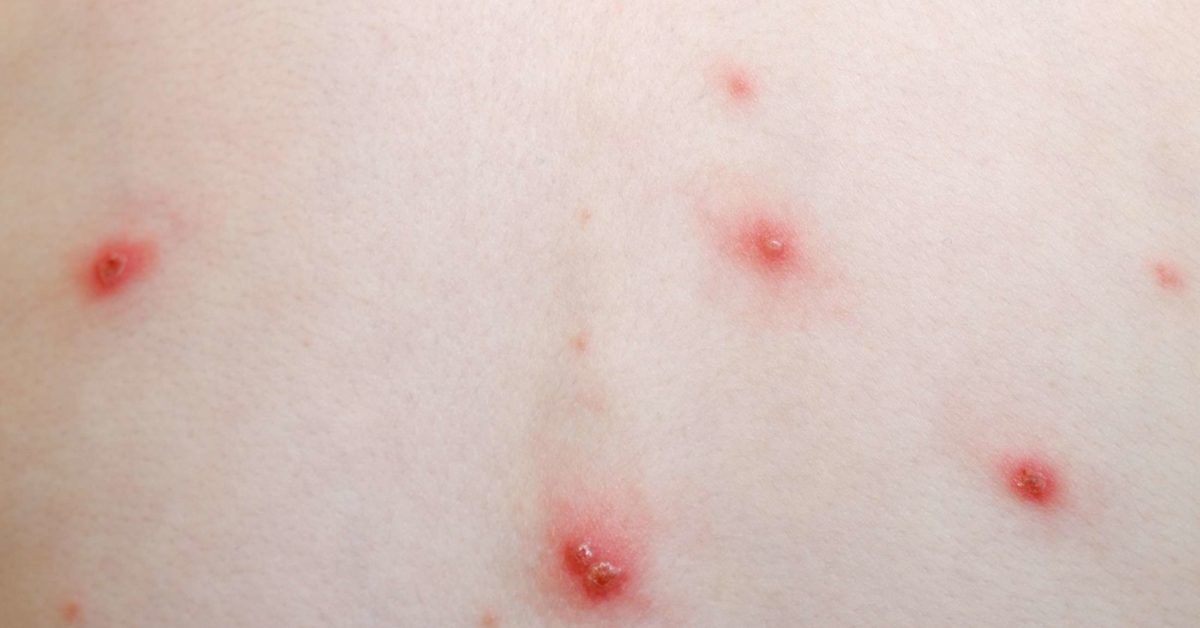
Chickenpox may sound like an old-school childhood rite of passage, the sort of thing grandparents mention right before saying, “We used to just get it and move on.” But varicella is more than a nostalgic inconvenience with terrible timing and even worse itching. It is a highly contagious viral infection caused by the varicella-zoster virus, and while many children recover without lasting problems, it can be far more serious in infants, adults, pregnant people, and anyone with a weakened immune system.
If you have ever wanted a plain-English guide to what chickenpox is, what it looks like, how it spreads, what the stages are, and when it needs more than oatmeal baths and patience, you are in the right place. This guide breaks down the symptoms, treatment options, phases, causes, and real-life experience of chickenpox in a way that is clear, useful, and slightly less boring than the average medical pamphlet.
What Is Varicella?
Varicella is the medical name for chickenpox, an infection caused by the varicella-zoster virus (VZV). It usually brings on an itchy rash, clusters of fluid-filled blisters, mild to moderate fever, fatigue, and a general feeling that the body would rather be on vacation. Before the chickenpox vaccine became routine in the United States, the illness was extremely common. Today, it is much less common, but it still appears in people who are unvaccinated, not fully vaccinated, or at higher risk of infection.
One reason varicella matters is that the virus does not simply vanish after recovery. It can stay dormant in the body and reactivate years later as shingles. So while chickenpox is the first act, the virus has a sequel no one asked for.
Varicela Symptoms: What Chickenpox Usually Feels Like
The classic sign of chickenpox is the rash, but it does not usually open the show by itself. Many people first notice a few general symptoms that feel a lot like a cold or mild flu trying on a rash costume.
Early symptoms of chickenpox
Before the rash becomes obvious, common chickenpox symptoms can include:
- Fever
- Headache
- Tiredness or malaise
- Loss of appetite
- Sore throat
- Stomach discomfort in some children
These early symptoms may appear a day or two before the rash, especially in older children, teens, and adults. In younger children, the rash may be the first clear clue.
The chickenpox rash
The rash is what makes chickenpox instantly recognizable. It often starts on the chest, back, scalp, or face and then spreads outward to the arms, legs, and sometimes even the mouth, eyelids, or genital area. The lesions are usually very itchy, which is a polite clinical way of saying they can drive people absolutely up the wall.
A typical chickenpox rash changes quickly. A person may have red spots, fresh blisters, and crusted scabs all at the same time. That mixed-stage appearance is one of the biggest clues that the rash is varicella rather than another skin condition.
Fases of Varicella: How Chickenpox Develops Step by Step
If you are searching for the phases of chickenpox, here is the straightforward version. Chickenpox tends to move through several recognizable stages, though the timing can vary from one person to another.
1. Exposure and incubation
After exposure to the virus, there is usually an incubation period of about 10 to 21 days. During this time, the person usually has no symptoms at all. It is the calm before the itchy storm.
2. Prodrome or pre-rash phase
Next comes the short pre-rash stage. Some people develop fever, tiredness, poor appetite, headache, or sore throat. Adults often feel this phase more strongly than children do.
3. Rash eruption
The rash starts as small red bumps. These bumps quickly turn into clear, fluid-filled blisters. More spots usually appear in “crops” over several days, which means the rash seems to keep renewing itself like a terrible subscription service you never signed up for.
4. Blistering and weeping stage
The blisters can become cloudy, break open, or ooze. This is the stage when itching is often the worst and scratching becomes the enemy. Scratching can lead to bacterial skin infections and scarring.
5. Crusting and healing
Finally, the lesions dry out and form scabs. Most uncomplicated cases last around 4 to 7 days, though some people feel tired for longer. Once all lesions have crusted over, the person is usually no longer contagious. In vaccinated people who develop milder chickenpox, some lesions may not crust, and the contagious period is generally considered over when no new lesions have appeared for 24 hours.
What Causes Varicella?
The cause of varicella is simple: infection with the varicella-zoster virus. The way it spreads is less fun.
How chickenpox spreads
Chickenpox spreads very easily through:
- Respiratory droplets from coughing or sneezing
- Direct contact with blister fluid
- Close contact with an infected person
A person with chickenpox is contagious from about 1 to 2 days before the rash appears until all lesions have crusted over. That is part of what makes varicella so sneaky. Someone can feel only mildly off and still spread the virus before the full rash announces itself.
Who is at higher risk?
Chickenpox is often mild in healthy children, but the risk of severe illness is higher in:
- Babies
- Teenagers and adults
- Pregnant people
- People with weakened immune systems
- Unvaccinated individuals without prior immunity
For example, a healthy grade-school child may mainly need rest, fluids, and itch control. But an adult with chickenpox is more likely to have a tougher course, a higher fever, and a greater risk of complications such as pneumonia.
Chickenpox Treatment: What Actually Helps
There is no magic “make this disappear by dinner” cure for chickenpox in routine cases. Treatment focuses on relieving symptoms, preventing complications, and using antiviral medication when it makes medical sense.
Home care for mild chickenpox
Most healthy children recover at home. Helpful strategies include:
- Rest: The body is busy fighting a virus, so a quiet schedule helps.
- Fluids: Water, broth, ice pops, and other hydrating options matter, especially if fever is present.
- Cool baths: Oatmeal baths or lukewarm baths can soothe itching.
- Calamine lotion: Often used on the skin to reduce itch.
- Trimmed fingernails: Short nails lower the risk of skin damage and infection.
- Soft clothing: Loose cotton fabrics are kinder to irritated skin.
Fever and itch relief
For fever, acetaminophen is commonly recommended if needed. Aspirin should never be given to children or teens with chickenpox because of the risk of Reye syndrome, a rare but dangerous condition affecting the brain and liver. Some pediatric guidance also recommends avoiding ibuprofen unless a clinician specifically advises otherwise, because it has been linked to serious skin infections in the setting of chickenpox.
For itch, some patients may use an antihistamine if a clinician recommends it, especially when itching is interfering with sleep. Mouth sores, if they occur, can make eating uncomfortable, so bland, cool foods are usually easier to tolerate than spicy or acidic ones.
When antivirals are used
Antiviral medicines such as acyclovir may be prescribed for people at higher risk of severe disease. They work best when started early, often within the first 24 hours after the rash begins. This is more likely to be considered in adults, adolescents, pregnant patients under medical supervision, and immunocompromised individuals.
Complications of Varicella
Most cases of chickenpox resolve without drama, but complications can happen. The main ones include:
- Skin infections from scratching
- Pneumonia
- Dehydration
- Brain inflammation such as encephalitis
- Problems affecting the bloodstream, bones, or joints in severe cases
Watch for warning signs such as breathing difficulty, severe vomiting, dehydration, unusual sleepiness, confusion, a rash that becomes very painful or unusually red, stiff neck, trouble walking, or high fever that does not improve. Those symptoms deserve prompt medical attention.
How Chickenpox Is Diagnosed
Chickenpox is often diagnosed clinically, meaning a health care professional can identify it by the rash pattern and symptoms. The “different stages at once” rash is a big clue. In unusual or severe cases, laboratory testing may be used to confirm the diagnosis, especially when the rash is atypical or the patient is high risk.
Prevention: The Best Way to Avoid the Itch Olympics
The best prevention is the varicella vaccine. In the United States, children are typically given two doses: the first at 12 to 15 months and the second at 4 to 6 years. Older children, teens, and adults without evidence of immunity are also advised to receive vaccination according to current recommendations.
The vaccine is highly effective and has dramatically reduced chickenpox cases, hospitalizations, and complications. Breakthrough infections can still happen after vaccination, but they are usually milder, with fewer lesions and less severe symptoms.
Good hygiene, avoiding close contact with infected people, and staying home while contagious also help reduce spread. If someone in the household has chickenpox, the virus can move through a family with astonishing efficiency.
What the Experience of Varicella Often Feels Like in Real Life
Reading about chickenpox in a medical summary is useful, but living through it feels a little different. For many children, the experience begins with a day that seems merely “off.” A child may be clingier than usual, less interested in food, or ready for a nap at a time when naps were supposedly retired months ago. Then the fever shows up, followed by scattered red spots that seem harmless at first. A few hours later, those spots become unmistakable blisters, and suddenly everyone in the house is in detective mode, counting bumps and checking foreheads.
The itching is often the hardest part. It is not the kind of itch you forget about by changing position or distracting yourself with a cartoon. It can be constant, annoying, and surprisingly emotional, especially at night when the house is quiet and every tiny skin sensation feels twice as loud. Parents often describe the nighttime phase as the true endurance event: calming a child who wants to scratch, reapplying soothing lotion, offering fluids, changing pajamas, and trying to remember whether anyone has actually slept since Tuesday.
Adults who get chickenpox often describe the experience as more intense. Instead of “a rash and a few blah days,” they may feel knocked flat by fever, body aches, fatigue, and a rash that seems much more aggressive. Even everyday things such as showering, wearing a shirt, or lying down can feel irritating when the skin is covered in tender blisters. That difference matters because adults are more likely to have complications, which is one reason doctors take adult varicella seriously.
There is also a social side to chickenpox. School, work, and normal routines pause. Families cancel plans. Siblings hover between sympathy and panic. Some children are embarrassed by the rash, especially if lesions appear on the face. Others treat it like a bizarre science project, asking why one blister looks different from another. In a strange way, the stages of healing become the household weather report: “These are new,” “those are drying,” “that one needs to be left alone,” and “please stop scratching your forehead with a stuffed dinosaur.”
As recovery begins, the mood shifts. Fever fades. Appetite returns. The blisters crust over. Energy slowly comes back, even if the person still looks like they lost an argument with a blackberry bush. The experience often leaves families with a renewed respect for vaccination, for basic skin care, and for how quickly a “common childhood illness” can take over daily life. In mild cases, chickenpox is usually temporary and manageable. But when you are the one inside the rash, “temporary” can still feel very long.
Final Thoughts
Varicella is a viral infection that may look simple from a distance, but up close it has distinct phases, a classic symptom pattern, real treatment considerations, and meaningful risks for certain groups. Knowing the symptoms of varicella, understanding the stages of chickenpox, and recognizing when supportive care is enough versus when a doctor should step in can make the illness much easier to manage.
The short version? Chickenpox is usually mild in healthy children, never fun, occasionally serious, and largely preventable through vaccination. So yes, the rash is famous. But the smartest part of the story is still prevention.