If it feels like CBD showed up one day and quietly moved into every corner of the wellness aisle, you’re not imagining it. Oils, gummies, creams, sparkling waters, even bath bombs – cannabidiol (CBD) has gone from niche to “your grandma is asking about it” in record time. But once you actually try to buy some, you’re hit with a pop quiz: full-spectrum, broad-spectrum, or isolate? Oil or gummies? Hemp-derived or marijuana-derived?
Don’t worry – you don’t need a chemistry degree to make sense of the different types of CBD. In this guide, we’ll walk through what CBD is, break down the main CBD types, explore the most common product formats, and go over safety, regulations, and real-world shopping tips. Think of it as CBD 101, minus the pop quiz and plus a little humor.
CBD Basics: What It Is (and Isn’t)
CBD, short for cannabidiol, is one of over 100 naturally occurring compounds called cannabinoids found in the cannabis plant. The other famous cannabinoid is THC (tetrahydrocannabinol) – the one that can make people feel “high.” CBD does not cause that high. Many people are interested in CBD for potential benefits related to general wellness, mood, sleep, and discomfort, although research is still evolving and results can vary widely from person to person.
Hemp-Derived vs. Marijuana-Derived CBD
In the United States, most over-the-counter CBD products are made from hemp, a form of cannabis that is legally defined as having no more than 0.3% delta-9 THC by dry weight. This low THC content is what separates hemp from “marijuana” in federal law. CBD can technically be extracted from either hemp or marijuana, but hemp-derived CBD is what you’ll usually see in nationwide online and retail products.
Even though hemp-derived CBD is legal at the federal level when it meets that THC threshold, individual states can (and do) layer on their own rules. On top of that, federal regulators are tightening how much THC and related cannabinoids can appear in hemp products, especially those that might be intoxicating or marketed to minors. So, the CBD space is legalbut not exactly simple.
The Three Main Types of CBD
When brands talk about the “type” of CBD they use, they’re usually referring to the cannabinoid spectrum in the extract. You’ll see three core terms:
- Full-spectrum CBD
- Broad-spectrum CBD
- CBD isolate
Full-Spectrum CBD
Full-spectrum CBD contains CBD plus a range of other naturally occurring plant compounds from hemp, including:
- Other cannabinoids (such as CBG, CBC, tiny amounts of THC within legal limits)
- Terpenes (aromatic compounds that give plants their scent)
- Flavonoids and other botanical components
Fans of full-spectrum CBD often point to the “entourage effect” – the idea that these compounds may work better together than CBD alone. Some early research supports the possibility that full-spectrum extracts may have enhanced effects compared with pure CBD. However, that doesn’t mean “more is always better,” and it definitely doesn’t mean you should expect miracle cures.
The trade-off? Full-spectrum CBD will typically contain a small amount of THC. It shouldn’t be enough to cause a high in most people when used as directed, but it could show up on some drug tests and may be noticeable for very sensitive users or at higher doses.
Broad-Spectrum CBD
Broad-spectrum CBD is like full-spectrum’s cautious cousin. It contains CBD and other cannabinoids and terpenes, but typically with THC removed or brought down to non-detectable levels in lab testing. You still get a “team” of plant compounds, just without THC in meaningful amounts.
Broad-spectrum CBD can be a good option if:
- You want the potential benefits of multiple plant compounds, but
- You’re trying to be extra careful about THC due to work, personal preference, or sensitivity.
Just keep in mind that “THC-free” on a label doesn’t mean you should go wild with dosing. Start low, go slow, and always check third-party lab reports to see what’s really in the bottle.
CBD Isolate
CBD isolate is the minimalist option. It’s CBD in its purest form – often 99%+ pure cannabidiol with all other cannabinoids, terpenes, and plant materials removed. It usually appears as a white crystalline powder that can be blended into oils, gummies, capsules, and other formats.
Pros of CBD isolate:
- No detectable THC, which may be reassuring for people facing strict drug testing
- Very precise control over CBD dosage
- Neutral flavor and odor, which can be easier to mix into products
Potential downsides: Because you’re only getting CBD and not the other plant compounds, you may miss out on any synergy from the full plant extract. Some people feel they respond better to full- or broad-spectrum products. Others are perfectly happy with isolate. Your mileage may vary.
Common CBD Product Types (and How They’re Used)
Once you pick a CBD spectrum, you still have to choose a product format. That’s where things get really crowded. Here are the main categories you’re likely to see on shelves.
CBD Oils and Tinctures
CBD oils or tinctures are liquid products that typically combine CBD extract with a carrier oil (like MCT or hemp seed oil). You usually take them by placing drops under your tongue, holding for 30–60 seconds, and then swallowing.
Why people like them:
- Flexible dosing – you can easily adjust the amount by changing the number of drops
- Relatively fast onset compared with edibles
- Available in full-spectrum, broad-spectrum, and isolate forms
Oils do require a little measuring and consistency. If you’re the type who never remembers which line on the measuring spoon is which, gummies might be more your style.
CBD Capsules and Softgels
CBD capsules and softgels deliver a pre-measured dose in pill form. You swallow them just like any other supplement.
Pros:
- Simple, discreet, and easy to add to your daily routine
- Pre-set dose (for example, 10 mg, 25 mg, or 50 mg per capsule)
- No flavor issues – helpful if you’re not a fan of hemp’s natural taste
Capsules take longer to kick in because they have to travel through your digestive system first, but their effects may last longer than something you hold under your tongue.
CBD Gummies and Other Edibles
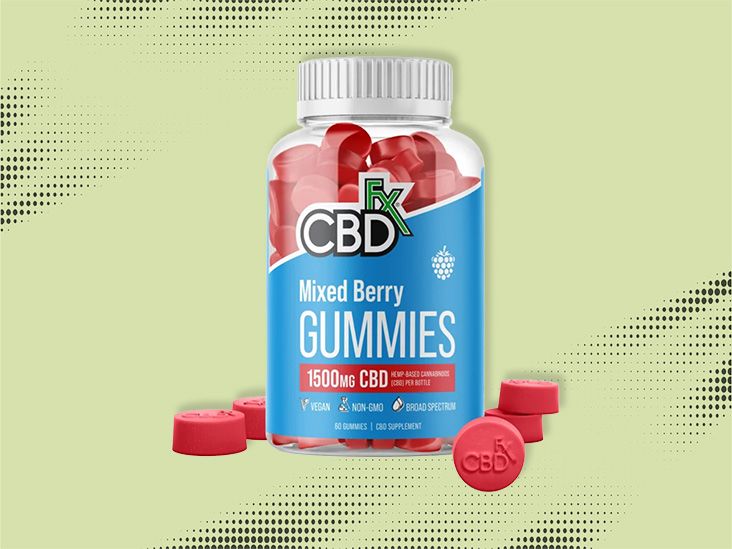
CBD gummies, chocolates, and other edibles are basically wellness meets candy. They’re widely popular in the U.S. thanks to their convenience, flavor, and the “take one and go” simplicity.
What to know:
- Edibles can take anywhere from 30 minutes to 2 hours to kick in.
- They often provide longer-lasting effects compared with some other formats.
- It’s easy to accidentally take “just one more” because they taste good – resist that temptation.
Pay attention to total CBD per gummy, not just per bottle. Also, avoid products that look like children’s candy if you have kids at home – accidental ingestion is a serious concern.
CBD Topicals: Creams, Balms, and Patches
CBD topicals include creams, balms, lotions, roll-ons, and patches you apply directly to your skin. They’re usually marketed for localized discomfort or general soothing – for example, massaging into sore muscles after a workout.
These products deliver CBD to the surface layers of the skin. Some are combined with other ingredients like menthol, arnica, or essential oils. If you’d rather not ingest CBD but are curious about trying it in a more targeted way, topicals can be a low-commitment starting point.
CBD Vapes and Inhaled Products
CBD vape pens or cartridges allow the CBD to be inhaled into the lungs, where it can enter the bloodstream quickly. The main appeal is rapid onset, but there are serious trade-offs.
Many medical and public health experts advise avoiding vaping in general, especially if you have lung or heart conditions, are young, or are pregnant. Inhaling any substance carries risks, and quality control for vape liquids can be inconsistent. If you’re considering CBD primarily for general wellness, non-smoked and non-vaped options are generally preferred by health professionals.
CBD Beverages and “Novelty” Products
Finally, we have CBD-infused beverages (seltzers, teas, coffees) and lifestyle items like CBD bath bombs and massage oils. These products vary widely in how much CBD they actually contain and how they’re regulated.
With beverages and food products, U.S. federal regulators have been especially cautious. Not every CBD drink you see online or in stores is operating under clear federal approval. That doesn’t automatically mean it’s unsafe, but it does mean you should be extra picky about brands, lab testing, and dosage.
How to Choose the Right Type of CBD and Product
With so many options, how do you choose? Start by asking a few practical questions rather than chasing whatever is trending on social media.
1. What’s Your Goal?
People explore CBD for very different reasons: general stress, everyday aches, unwinding in the evening, or just curiosity. Your reason can guide your format:
- General, whole-body support: Oils, capsules, or gummies are common choices.
- Targeted areas (like a specific muscle group): A topical may make more sense.
- Fast onset: Sublingual tinctures act faster than gummies and capsules for many people.
If you have a medical condition or take prescription medications, talk with a healthcare professional who’s familiar with CBD before using it. CBD can interact with certain medications, and medical guidance is important for safety.
2. How Comfortable Are You with THC?
Your comfort level with THC is probably the biggest factor in choosing between full-spectrum, broad-spectrum, and isolate:
- Okay with trace THC: Consider full-spectrum CBD.
- Prefer to avoid THC but still want multiple plant compounds: Broad-spectrum CBD.
- Want CBD only, with no other cannabinoids: CBD isolate.
If you’re in a job with strict drug testing (think pilots, certain government roles, some corporate positions), talk with your employer or HR department before taking any CBD product, even ones labeled “THC-free.”
3. How Precise Do You Need the Dose to Be?
If you like tight control over dosage, capsules, softgels, or clearly labeled gummies can make life easier. If you prefer to fine-tune the amount over time, tinctures or oils give you more flexibility with each drop.
A common rule of thumb is to start with a low dose and slowly increase only if needed, giving your body time to respond before making changes. There’s no one-size-fits-all dose, and “more” is not always better.
4. What Does the Lab Report Say?
This part isn’t glamorous, but it’s crucial. Reputable CBD brands provide third-party lab reports (often called Certificates of Analysis or COAs) showing:
- How much CBD and THC are actually in the product
- Which cannabinoids and terpenes are present
- Tests for contaminants such as heavy metals, pesticides, and residual solvents
If a product doesn’t offer easy access to these lab results, that’s a big red flag. With CBD, transparency is not a bonus – it’s a basic requirement.
Safety, Side Effects, and When to Be Extra Careful
While CBD is widely available and often marketed as “natural,” that doesn’t mean it’s risk-free. Studies and U.S. health agencies have flagged several important safety considerations.
Possible Side Effects
At commonly used doses, CBD is generally considered to have a relatively mild side-effect profile for many people, but it can still cause:
- Drowsiness or sleepiness
- Diarrhea or digestive upset
- Changes in appetite
- Changes in mood, such as irritability
- Interactions with certain medications
Some research has also linked higher or more frequent doses of CBD with liver enzyme changes, which is why medical supervision is so important if you’re using CBD in larger amounts or alongside other drugs that affect the liver.
Groups Who Should Use Extra Caution
CBD is not recommended for:
- People who are pregnant or breastfeeding
- Children, unless under strict medical supervision for specific conditions
- People with serious liver disease, unless guided by a healthcare team
If you take medications that carry a “grapefruit warning,” CBD may interact in similar ways, because they can share certain liver enzymes. That’s another situation where a conversation with a clinician is wise before trying CBD.
Regulation and the Ever-Changing Legal Landscape
Here’s the short version: the U.S. legal status of CBD is complicated and evolving. Federal law allows hemp-derived CBD with low THC, but the U.S. Food and Drug Administration (FDA) has not broadly approved CBD as an ingredient in foods or dietary supplements. The agency has also sent warning letters to companies making big health claims or selling products with inaccurate labeling.
On top of that, states are updating their rules on hemp-derived products, especially those that might be intoxicating or appealing to minors. Some new laws tighten THC limits in final products or regulate how and where CBD and related cannabinoids can be sold. For consumers, this means:
- Always check the laws in your state or local area.
- Expect labels and product offerings to change as regulations shift.
- Be skeptical of any product that promises dramatic medical results without clinical backing.
One more key point: so far, only a single prescription CBD-based medication has full FDA approval, and it’s for specific seizure disorders. Over-the-counter CBD gummies at the gas station are not in the same category, no matter how bold the packaging looks.
Real-World Experiences: What It’s Like to Shop for CBD Today
To round things out, let’s talk about what actually happens when a real person walks into a store (or hops online) looking for CBD. The experience can be exciting, confusing, and occasionally overwhelming – like shopping for cereal in a supermarket with 200 options.
Imagine three different shoppers:
The Stressed-Out Office Worker
They’ve heard coworkers talk about taking CBD gummies in the evening to unwind. When they look online, they see full-spectrum gummies, broad-spectrum chews, and isolate-based “CBD bears.” Some are 5 mg per gummy; others go up to 50 mg.
After some research, they decide to start with a low-dose broad-spectrum gummy from a reputable brand that posts full lab reports. They don’t want THC because their job occasionally uses random drug testing. They start with one small gummy at home when they have nothing important to do, just to see how they feel. Over time, they may adjust the dose slightly – or decide it’s not for them and move on. Either way, it’s a cautious, informed experiment rather than a leap of faith.
The Weekend Athlete with Sore Muscles
This person isn’t interested in taking anything daily but is curious whether a CBD topical might feel good after long runs or gym sessions. They skip the edibles and head straight to creams and roll-ons.
They look for:
- A clear label showing how much CBD is in the entire container and per use
- Third-party testing for contaminants
- Simple ingredients with recognizable names
They try a small amount on one area first to check for any skin reaction. If it feels soothing and doesn’t irritate their skin, it becomes part of their post-workout routine. If not, they shelf it and stick with more traditional approaches like stretching, ice, or heat therapy.
The Retiree Who Takes Multiple Medications
Our third shopper is curious about CBD but also takes prescriptions for blood pressure and cholesterol. They’ve seen ads that make CBD sound like a magic bullet, but they’re wisely skeptical.
Instead of buying the first product they see, they:
- Make a list of their medications
- Bring it to a healthcare provider or pharmacist
- Ask specifically about CBD interactions and whether it’s appropriate for them
Their clinician may recommend avoiding CBD altogether due to potential interactions, or might suggest a very low dose of a specific type, taken at a certain time of day, with close monitoring. The key point: the decision isn’t driven by advertising; it’s guided by medical advice tailored to their situation.
What These Experiences Have in Common
Even though these three people are different, their smart CBD strategies look similar:
- They treat CBD as something to be researched, not just sampled at random.
- They pay attention to product type (full-spectrum, broad-spectrum, isolate).
- They choose a format that matches their goals (gummies, topicals, oils, etc.).
- They respect potential side effects and interactions instead of assuming “natural” means risk-free.
There’s no universal “best” type of CBD or product. There’s only what fits your body, your goals, your medications, and your local laws. With a bit of research, realistic expectations, and a focus on quality and safety, you can navigate the CBD world without feeling like you’re decoding a secret language.
Conclusion: Matching CBD Types and Products to Real Life
CBD isn’t just one thing – it’s a whole family of options. Full-spectrum, broad-spectrum, and CBD isolate describe what’s in the extract itself, while oils, gummies, capsules, topicals, vapes, and drinks describe how you actually use it. Each combination comes with its own pros, cons, and practical realities.
If you decide to explore CBD, start with the basics:
- Know why you’re trying it.
- Choose a spectrum (full, broad, or isolate) that matches your comfort level with THC.
- Pick a product form that fits your lifestyle.
- Check lab reports and quality testing.
- Talk with a healthcare professional if you have medical conditions or take other medications.
The CBD market can be noisy, but you don’t have to be. With a clear understanding of the different types of CBD and the products built around them, you can make decisions that are thoughtful, safe, and aligned with your own health priorities – no guessing, no hype required.
SEO JSON