Medical note: This article is for educational purposes only and is not a substitute for diagnosis or treatment from a licensed healthcare professional.
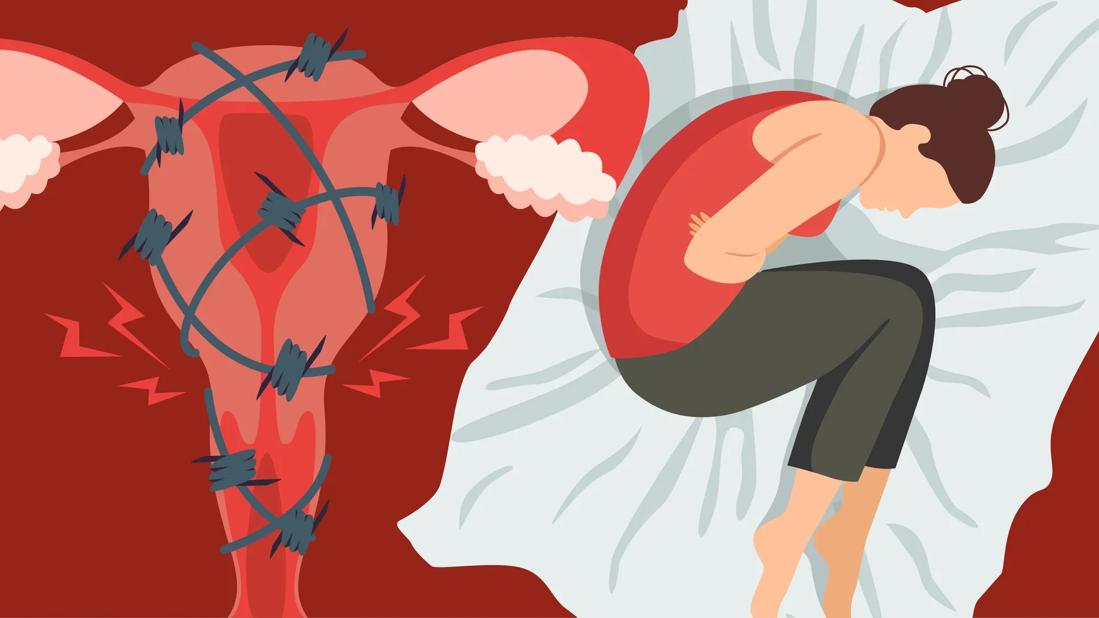
Endometriosis can feel like “bad cramps,” but that phrase is a little like calling a hurricane “windy.” For many people, endometriosis pain is deep, sharp, burning, twisting, exhausting, and wildly unfairlike your pelvis decided to host a tiny demolition crew with no permit and unlimited overtime.
At its core, endometriosis happens when tissue similar to the lining of the uterus grows outside the uterus, often around the ovaries, fallopian tubes, pelvic lining, bowel, bladder, or nearby structures. This tissue can respond to hormonal changes, become inflamed, irritate nerves, and contribute to scar tissue. The result? Pain that may show up during periods, sex, bowel movements, urination, ovulation, workouts, long workdays, or sometimes while doing absolutely nothing dramatic except standing in line for coffee.
So, what does endometriosis feel like? The honest answer is: it depends. Some people have severe symptoms; others have mild pain or no obvious symptoms at all. Some feel a predictable monthly storm, while others live with pain that ignores the calendar completely. Below is a clear, human, and medically grounded guide to the many ways endometriosis can feel in real life.
What Endometriosis Pain Commonly Feels Like
The most common symptom of endometriosis is pelvic pain, especially around the menstrual period. But endometriosis pain is not always limited to “period cramps.” It may feel like pain in the lower abdomen, lower back, hips, rectum, vagina, bladder, bowels, thighs, or deep inside the pelvis.
1. Severe menstrual cramps that feel bigger than “normal”
Many people describe endometriosis cramps as intense, deep, and disabling. These cramps may begin before bleeding starts, continue through the period, and linger after it ends. Unlike typical cramps that may improve with a heating pad and an over-the-counter pain reliever, endometriosis pain may break through the usual comfort tricks like a villain in a superhero movie.
The pain may feel like:
- Sharp stabbing in the pelvis
- A heavy, dragging ache in the lower belly
- Burning or tearing sensations
- Deep pressure, as if something is pulling from the inside
- Cramps that radiate into the back, hips, or thighs
A key clue is disruption. If period pain regularly makes someone miss school, work, exercise, social plans, or normal daily routines, it deserves medical attention. Pain that forces you to negotiate with your body like, “Please let me stand upright for six minutes,” is not something to casually dismiss.
2. Chronic pelvic pain between periods
Endometriosis can also cause pain outside of menstruation. This may feel like a dull ache, pelvic heaviness, pressure, burning, or sudden sharp pain. Some people feel it every day. Others notice it around ovulation, after physical activity, during stress, or after sitting too long.
This between-period pain can be especially frustrating because it does not always follow a neat schedule. One week, you may feel fine. The next week, your pelvis may act like it has filed a formal complaint against your entire lifestyle.
3. Pain during or after sex
Endometriosis can cause deep pain during sex, especially with deep penetration. Some people describe it as a sharp internal jab, a deep ache, pressure, burning, or cramping that continues afterward. Pain after sex may last minutes, hours, or even into the next day.
This symptom can be emotionally difficult because it affects intimacy, confidence, relationships, and communication. It can also be misunderstood. Painful sex is not “being dramatic,” “being tense,” or “not trying hard enough.” It is a real symptom that can have physical causes, including endometriosis, pelvic floor muscle dysfunction, ovarian cysts, infections, fibroids, or other conditions.
4. Bowel pain, “endo belly,” and digestive symptoms
Endometriosis can feel like a digestive disorder wearing a disguise. Some people experience constipation, diarrhea, bloating, nausea, painful bowel movements, rectal pressure, or cramping that gets worse before or during a period. When endometriosis affects or irritates tissue near the bowel, bowel movements can feel sharp, crampy, or like pressure deep in the pelvis.
“Endo belly” is a common nickname for painful abdominal bloating linked to endometriosis. It may feel like the abdomen suddenly swells, tightens, and becomes tender. Jeans that fit in the morning may feel personally offensive by dinner. The bloating can be uncomfortable, visible, and discouragingespecially when people mistake it for simple gas, diet issues, or “just PMS.”
5. Bladder pain or painful urination
Some people with endometriosis feel bladder pressure, pelvic burning, urinary urgency, or pain when peeing, particularly around their period. It may feel like a urinary tract infection, except tests may not always show an infection. Painful urination during menstruation is a symptom worth discussing with a healthcare provider, especially if it repeats month after month.
6. Lower back, hip, and leg pain
Endometriosis pain can radiate. That means it may start in the pelvis but travel into the lower back, hips, buttocks, thighs, or legs. Some people describe nerve-like pain: shooting, tingling, burning, or electric sensations. Others feel a deep ache that makes standing, walking, driving, or exercising harder.
This is one reason endometriosis can be confusing. A person may visit a doctor for back pain, digestive issues, or painful sex without realizing all the symptoms may be connected. Endometriosis is not always polite enough to stay in one clearly labeled location.
How Endometriosis Feels Emotionally
Endometriosis is physical, but the emotional load is real. Chronic pain can make someone feel anxious, isolated, frustrated, dismissed, or exhausted. Many people spend years being told that their pain is “normal,” “stress,” “just cramps,” or “part of being a woman.” That kind of dismissal can make symptoms feel even heavier.
Living with endometriosis may feel like constantly budgeting energy. You may ask yourself: Can I go to work today? Can I make dinner? Can I sit through this meeting? Can I go on this date? Can I wear pants with a waistband? The condition can affect careers, relationships, fertility plans, mental health, and everyday confidence.
Fatigue is also common. This is not ordinary “I stayed up too late watching one more episode” tiredness. Endometriosis-related fatigue may feel like your battery is at 4%, the charger is missing, and everyone keeps asking you to open seventeen apps.
Does Endometriosis Always Hurt?
No. Some people with endometriosis have little or no pain. Others have severe pain even when lesions are limited. The amount of pain does not always match the stage or visible extent of disease. In other words, a person can have intense symptoms without “severe-looking” disease, and another person can have extensive endometriosis discovered during infertility testing with few obvious symptoms.
This matters because pain should not be judged by imaging results, appearance, age, or someone’s ability to smile through a meeting. People with chronic pain often become excellent actorsnot because they want attention, but because life keeps demanding performance.
What Endometriosis May Feel Like During a Period
During menstruation, endometriosis may feel like cramps that arrive early, hit hard, and stay too long. The pain may be centered low in the abdomen or spread into the back, rectum, hips, or legs. Some people also experience heavy bleeding, clots, nausea, diarrhea, dizziness, headaches, or vomiting.
A typical description might sound like this: “My period pain starts two days before bleeding. On the first day, I feel stabbing cramps, bowel pressure, and nausea. I need a heating pad, pain medicine, loose clothes, and silence from all humans.” That may sound dramatic, but for many people with endometriosis, it is simply Tuesday.
What Endometriosis May Feel Like Between Periods
Between periods, endometriosis may feel like pelvic heaviness, one-sided ovary pain, lower back ache, bowel pressure, pain after sex, or random stabbing sensations. Ovulation may trigger pain on one side. Exercise may lead to soreness that feels deeper than normal muscle fatigue. Sitting for long periods may create pressure or aching.
Some people also notice flares. A flare is a period when symptoms suddenly worsen. Flares may be triggered by menstruation, stress, certain foods, poor sleep, intense activity, sex, bowel changes, or no obvious reason at all. Endometriosis can be rude like that.
Endometriosis vs. Normal Period Cramps
Normal period cramps are usually mild to moderate, improve with basic self-care, and do not consistently stop someone from functioning. Endometriosis pain is more likely to be severe, progressive, long-lasting, or associated with other symptoms such as painful sex, bowel pain, bladder pain, infertility, or chronic pelvic pain.
Here are signs that cramps may be more than ordinary period pain:
- Pain regularly causes missed work, school, or daily activities
- Cramps start before the period and last after bleeding ends
- Pain gets worse over time
- Sex, bowel movements, or urination become painful
- Over-the-counter pain relievers do not help enough
- There is chronic pelvic pain between periods
- There are fertility difficulties along with pelvic symptoms
Why Endometriosis Pain Can Be So Intense
Endometriosis pain can come from several overlapping causes. Lesions can trigger inflammation. Scar tissue can make organs less mobile. Endometriomas, which are cysts related to endometriosis, can cause ovarian pain. Deep infiltrating endometriosis may affect bowel, bladder, or pelvic structures. Over time, chronic pain can also sensitize the nervous system, making pain signals louder and more persistent.
The pelvic floor muscles may join the chaos too. When the body protects itself from pain, muscles can tighten. Tight pelvic floor muscles can then cause more pain with sex, urination, bowel movements, or sitting. It is the body’s version of trying to help by making everything more complicated.
How Endometriosis Is Diagnosed
Diagnosis usually starts with a detailed symptom history and pelvic exam. A healthcare provider may ask about period pain, pain during sex, bowel or bladder symptoms, family history, fertility goals, bleeding patterns, and what helps or worsens symptoms.
Ultrasound or MRI may be used to look for endometriomas, deep disease, adhesions, or other possible causes of pelvic pain. However, imaging does not always show endometriosis, especially superficial lesions. In some cases, laparoscopya minimally invasive surgerymay be used to confirm and treat endometriosis. Newer clinical guidance increasingly recognizes that treatment may begin based on symptoms and evaluation, rather than forcing every patient to wait for surgical confirmation.
Treatment Options That May Help
There is currently no universal cure for endometriosis, but symptoms can often be managed. Treatment depends on pain severity, age, medical history, lesion location, fertility goals, and personal preferences.
Pain relief
Nonsteroidal anti-inflammatory drugs, such as ibuprofen or naproxen, may help some people when used appropriately. Heat therapy, gentle movement, rest, and pelvic floor relaxation may also provide relief during flares. Severe or persistent pain should be evaluated instead of endlessly handled with a heating pad and heroic optimism.
Hormonal therapy
Hormonal treatments may reduce or suppress menstrual cycles and help slow the activity of endometriosis lesions. Options may include birth control pills, progestin therapy, hormonal IUDs, injections, implants, GnRH medications, or other therapies. These treatments do not work the same for everyone, and side effects matter, so the best choice should be personalized.
Surgery
Surgery may remove or destroy endometriosis lesions, treat endometriomas, release adhesions, or improve pain and fertility outcomes for some patients. Excision surgery, performed by a skilled surgeon, may be recommended in certain cases, especially when symptoms are severe, deep disease is suspected, or other treatments have not helped.
Pelvic floor physical therapy and whole-person care
Pelvic floor physical therapy can help when pelvic muscles are tight, painful, or contributing to bladder, bowel, or sexual pain. Nutrition support, mental health care, sleep improvement, stress management, and gentle exercise may also help some people feel more stable. These approaches are not “it’s all in your head” treatments. They are support systems for a condition that affects the whole body and daily life.
When to See a Doctor
Make an appointment with a healthcare provider if period pain is severe, worsening, or interfering with life. Also seek care for painful sex, chronic pelvic pain, pain with bowel movements or urination, heavy bleeding, infertility, or symptoms that feel unusual for your body.
Seek urgent medical care for sudden severe pelvic pain, fainting, fever, heavy bleeding, shoulder pain with dizziness, or symptoms that could suggest an emergency such as ovarian torsion, ectopic pregnancy, appendicitis, infection, or a ruptured cyst.
Personal-Like Experiences: What Endometriosis Can Feel Like in Real Life
Because endometriosis varies so much, it can help to imagine realistic symptom patterns. These examples are not diagnoses, but they show how endometriosis may appear in everyday life.
The “my cramps are running my calendar” experience
Someone may notice that every month, their period takes over their schedule. They cancel plans, call out of work, avoid travel, and keep pain relievers in every bag like emergency confetti. The pain starts before bleeding, peaks during the first days, and leaves them drained afterward. Friends may say, “Everyone gets cramps,” but the person knows this is different. Regular cramps do not usually require lying on the bathroom floor while bargaining with the universe.
The “my stomach hates me” experience
Another person may think they have irritable bowel syndrome because their symptoms include bloating, constipation, diarrhea, nausea, and sharp bowel pain. The clue is timing: digestive symptoms worsen around the period or ovulation. Bowel movements may feel painful or strangely deep in the pelvis. They may change their diet repeatedly, blame gluten, dairy, coffee, stress, or that one suspicious taco, yet the cycle-related pattern keeps returning.
The “sex hurts, and I do not know how to explain it” experience
For some, the most distressing symptom is pain during or after sex. The pain may feel deep, sharp, or cramping. It may create fear before intimacy and sadness afterward. This can lead to avoidance, guilt, relationship tension, or feeling disconnected from one’s body. A compassionate partner and a knowledgeable clinician can make a major difference. Painful sex deserves care, not embarrassment.
The “I look fine, but I am exhausted” experience
Endometriosis fatigue can be invisible. A person may look normal at lunch but feel like they are moving through wet cement. They may sleep but wake up tired. They may push through work, then collapse at home. This kind of fatigue can make basic taskslaundry, groceries, dishes, answering textsfeel like climbing a mountain while carrying a backpack full of bricks and unresolved emails.
The “doctors keep saying everything looks normal” experience
Many people with endometriosis hear that exams, basic labs, or ultrasounds look normal. While that can be reassuring in some ways, it can also be frustrating when pain continues. A normal test does not automatically mean symptoms are imaginary. Endometriosis can be difficult to detect, and many pelvic pain conditions overlap. Keeping a symptom diary can help: record pain timing, location, severity, bleeding, bowel and bladder symptoms, sex-related pain, medications used, and what improves or worsens symptoms.
The “I finally feel validated” experience
For many patients, the most powerful moment is not just getting a diagnosisit is being believed. When a clinician says, “Your pain is real, and we have options,” the emotional relief can be enormous. Endometriosis management may take trial and error, but validation is not a luxury. It is part of good care.
Conclusion
So, what does endometriosis feel like? It can feel like severe cramps, deep pelvic pressure, stabbing pain, painful sex, bowel trouble, bladder discomfort, lower back pain, leg pain, bloating, fatigue, and emotional exhaustion. It can flare with periods or appear between them. It can be loud, subtle, predictable, random, visible, invisible, and deeply disruptive.
The most important takeaway is this: pain that interrupts your life is worth investigating. You do not need to “earn” medical care by suffering for years. If your symptoms sound familiar, track them, speak clearly about how they affect your daily life, and seek a healthcare provider who takes pelvic pain seriously. Your body is not being dramatic. It is sending information. And you deserve someone who knows how to listen.