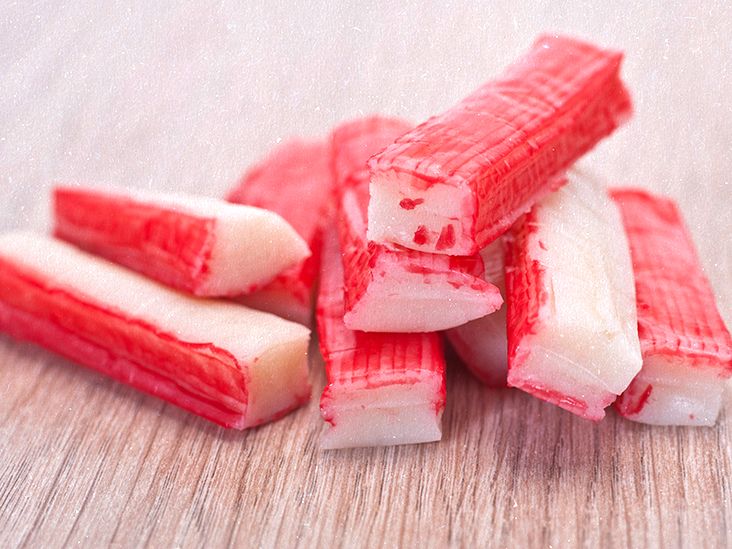
Imitation crab is one of those foods that sounds like it should arrive wearing a fake mustache. It looks like crab, flakes like crab, and shows up in California rolls as if it owns the place. But despite the dramatic name, imitation crab is not mysterious laboratory seafood. It is usually made from real white fish that has been processed into a paste called surimi, then shaped, flavored, colored, and cooked to resemble crab meat.
So, is imitation crab safe to eat? For most people, yes. It is a fully cooked, widely sold seafood product that can be part of an ordinary diet. The bigger question is not whether imitation crab is “dangerous,” but whether it fits your nutrition goals, allergy needs, budget, and expectations. It is cheaper than real crab, convenient, and mild-tasting. It is also more processed, often higher in sodium, and usually less nutritious than actual crab meat.
In other words, imitation crab is not the villain of the seafood aisle. It is more like the understudy: affordable, dependable, a little dramatic in red-and-white costume, and not quite the same as the star.
What is imitation crab?
Imitation crab is a seafood product made to copy the taste, color, and texture of crab meat. You may see it labeled as imitation crab, crab sticks, crab-flavored seafood, seafood sticks, krab, or surimi seafood. The word “krab” is not a typo from a pirate with autocorrect problems. It is often used to signal that the product is not real crab.
The main ingredient is usually surimi, a paste made from deboned, minced white fish. In the United States, Alaska pollock is one of the most common fish used because it has a mild flavor, pale color, and firm protein structure. That makes it easy to transform into something that looks like crab without tasting too fishy.
What is surimi?
Surimi is fish that has been washed, minced, and refined into a smooth protein base. Think of it as the seafood version of a blank canvas. Food manufacturers add ingredients that improve texture, flavor, moisture, color, and shelf stability. The finished product is then shaped into flakes, chunks, legs, or sticks.
Surimi-based foods have been used in Japan for generations, though modern imitation crab became popular in Japan in the 1970s and later spread through U.S. grocery stores, sushi counters, deli salads, and buffet trays. Today, it is especially common in California rolls, seafood salads, crab rangoon, sushi bowls, pasta salads, and budget-friendly “crab” dips.
What is imitation crab made of?
The exact ingredient list depends on the brand, but imitation crab usually contains a combination of fish protein, starch, sweeteners, salt, flavorings, and coloring. A typical package may include:
- Surimi, usually from white fish such as Alaska pollock
- Water for moisture
- Starch, such as wheat, potato, corn, or tapioca starch
- Egg whites or other binders for structure
- Salt and sugar for flavor and preservation
- Vegetable oil in some formulas
- Crab extract or natural seafood flavoring
- Coloring, often paprika extract, carmine, or other red-orange colorants
- Stabilizers, gums, or preservatives depending on the product
Some imitation crab contains a small amount of real crab extract for flavor, while other versions contain no crab at all. That detail matters for people with shellfish allergies, so the ingredient label deserves more attention than the front of the package. The front may flirt with crab. The back tells the truth.
Is imitation crab real seafood?
Yes, imitation crab is real seafood when it is made from fish. It is not real crab meat, but it is usually made from real fish protein. That means it belongs in the seafood family, even if it is wearing a crab costume.
This distinction is important. Some people dismiss imitation crab as “fake food,” but that is not completely fair. It is processed food, not imaginary food. The base ingredient is often fish, and fish can provide useful protein. However, imitation crab is not nutritionally identical to crab. Real crab tends to provide more protein, vitamin B12, zinc, selenium, and omega-3 fatty acids. Imitation crab tends to contain more added starch and sometimes more additives.
Is imitation crab safe to eat?
For most healthy people, imitation crab is safe to eat when it is purchased from a reputable store, kept cold, handled properly, and eaten before spoilage. Most imitation crab sold in grocery stores is fully cooked during processing. That makes it convenient for cold dishes like sushi rolls and seafood salad, as well as warm dishes like casseroles, omelets, soups, and dips.
But “safe” does not mean “perfect for everyone.” There are several groups of people who should be more careful: people with fish allergies, shellfish allergies, wheat or gluten sensitivity, soy allergies, egg allergies, high blood pressure, kidney disease, or anyone who needs to limit sodium. People who are pregnant can usually eat fully cooked imitation crab if it has been stored safely, but they should avoid products that have been left unrefrigerated or served from questionable deli counters.
The main safety concern: allergens
Imitation crab can contain several common allergens. Fish is the big one because surimi is usually made from fish. Some products may also contain crab extract or other shellfish flavoring. Many brands include wheat starch, egg whites, soy ingredients, or other binders and flavor enhancers.
If you have a seafood allergy, do not assume imitation crab is safer than real crab. In some cases, it may be risky for both fish-allergic and shellfish-allergic people. If you have celiac disease or gluten sensitivity, check for wheat starch and look for a certified gluten-free label. “Looks like crab” is not enough information. The ingredient list is the seafood aisle’s confession booth.
Food handling still matters
Because imitation crab is usually sold refrigerated or frozen, temperature control is important. Keep it cold, follow the package date, and refrigerate leftovers quickly. Once opened, many brands recommend using the product within a few days. If it smells sour, feels slimy, changes color, or tastes off, throw it out. Your nose is not a full food-safety laboratory, but when seafood smells suspicious, it is not trying to be quirky.
Is imitation crab healthy?
Imitation crab can fit into a balanced diet, but it is not the same nutritional bargain as real crab. It is typically low in fat and calories, which can be useful for quick meals. However, it often contains less protein than real crab and may be high in sodium. It also contains added starches and sometimes sugar, which real crab does not need because real crab is already busy being crab.
A common 3-ounce serving of imitation crab may provide roughly 80 to 100 calories, around 6 to 10 grams of protein, little fat, and a large amount of sodium. The numbers vary by brand. Real crab usually offers more protein and more naturally occurring micronutrients, but it is also more expensive and less convenient.
Imitation crab vs. real crab
The biggest difference is nutrition density. Real crab is a whole seafood, while imitation crab is a formulated seafood product. Real crab is naturally rich in protein, vitamin B12, zinc, copper, selenium, and omega-3 fats. Imitation crab may still provide some protein, but it is diluted with water, starch, sweeteners, and other ingredients.
Price is the other major difference. Real crab can be expensive, especially if you are buying high-quality lump crab meat. Imitation crab is often much cheaper, which is why restaurants, sushi shops, cafeterias, and home cooks use it in dishes where crab flavor is welcome but the budget does not want to cry in public.
Benefits of imitation crab
1. It is affordable
Imitation crab gives seafood flavor at a lower price. For families, students, meal preppers, or anyone who wants a crab-style dish without paying real-crab prices, that matters.
2. It is convenient
Most imitation crab is fully cooked and ready to use. You can chop it into salad, tuck it into sushi bowls, fold it into scrambled eggs, add it to fried rice, or stir it into a quick seafood dip. It is the kind of ingredient that says, “Dinner in ten minutes?” and actually means it.
3. It is mild
Some people dislike strong seafood flavors. Imitation crab has a gentle, slightly sweet taste, making it easier to use in kid-friendly meals, party appetizers, and simple lunches.
4. It is low in fat
Many imitation crab products are low in total fat. That can be helpful if you are building lighter meals, although sauces and dips can quickly change the nutrition profile. Imitation crab in a cucumber salad is one thing. Imitation crab drowning in mayonnaise like it missed the lifeboat is another.
Possible downsides of imitation crab
1. It can be high in sodium
Sodium is one of the biggest nutritional concerns. Many imitation crab products contain salt for flavor, texture, and preservation. If you are managing blood pressure, heart disease, kidney concerns, or a low-sodium diet, compare labels carefully. Choose lower-sodium options when available and pair imitation crab with fresh vegetables, rice, avocado, lettuce, or unsalted ingredients.
2. It is more processed than real seafood
Imitation crab is a processed food. That does not automatically make it unsafe, but it does mean the ingredient list is longer. Some products contain gums, preservatives, added sugars, colorants, and flavor enhancers. If you prefer minimally processed foods, real crab, shrimp, salmon, sardines, or plain white fish may be better choices.
3. It may contain gluten
Many imitation crab products use wheat starch. People with celiac disease or gluten sensitivity should not guess. Look for “gluten-free” on the package or choose a brand that clearly avoids wheat-based ingredients.
4. It is not ideal for seafood allergies
Because imitation crab often contains fish and may contain shellfish flavoring, people with seafood allergies should be cautious. Allergy risk depends on the exact product and the person’s sensitivity. When in doubt, ask a doctor or allergist and avoid gambling with mystery seafood.
Can pregnant people eat imitation crab?
Pregnant people are often told to avoid raw seafood, which leads to a fair question: what about imitation crab in sushi? Since imitation crab is usually fully cooked, it is generally considered safer than raw fish when handled properly. A California roll made with cooked imitation crab is different from sushi made with raw tuna or raw salmon.
The important part is freshness and refrigeration. Pregnant people should choose imitation crab from clean, reputable sources, avoid products that have been sitting out, and be careful with deli salads that may have unknown handling history. When making it at home, keep it refrigerated and eat it within the recommended time after opening.
How to choose better imitation crab
Not all imitation crab is equal. Some brands use simpler ingredients, less sodium, and better flavor. Others taste like a seafood-themed pencil eraser. To choose a better product, read the label before buying.
- Look for fish listed as the first ingredient.
- Compare sodium per serving.
- Check for wheat, soy, egg, and shellfish ingredients if allergies matter.
- Choose refrigerated or frozen products that are properly sealed.
- Avoid packages with excess liquid, broken seals, or strange odors.
- For better texture, choose chunk or flake style for salads and stick style for sushi rolls.
Best ways to use imitation crab
Imitation crab works best in recipes where its mild sweetness and flaky texture can shine without pretending to be a luxury crab cake from a seaside restaurant with linen napkins. Use it where convenience matters.
Easy imitation crab ideas
- California roll bowls with rice, cucumber, avocado, nori, and sesame
- Seafood salad with celery, lemon, herbs, and a light dressing
- Crab-style omelets with scallions and a little cheese
- Quick crab dip with Greek yogurt, lemon, pepper, and hot sauce
- Imitation crab tacos with cabbage slaw and lime
- Cold noodle salad with cucumber, carrots, and soy-ginger dressing
- Fried rice with imitation crab, peas, egg, and green onion
Because imitation crab is already cooked, add it near the end of hot recipes. Overcooking can make it rubbery. It does not need to be punished for being affordable.
How to store imitation crab safely
Keep unopened imitation crab in the refrigerator or freezer according to the package instructions. After opening, reseal it tightly or transfer it to an airtight container. Use it within the time recommended on the label. If the label does not specify, a practical rule is to use opened refrigerated imitation crab within a few days.
Do not leave imitation crab at room temperature for long periods, especially at parties, buffets, picnics, or lunchboxes without ice packs. Seafood products need cold storage. If a creamy imitation crab salad has been sitting on a warm table through an entire football game, the safest play is to retire it.
Who should limit or avoid imitation crab?
Imitation crab is not the best fit for everyone. You may want to limit or avoid it if you:
- Have a fish or shellfish allergy
- Have celiac disease or gluten sensitivity and cannot confirm it is gluten-free
- Need a strict low-sodium diet
- Prefer minimally processed foods
- Are looking for the highest-protein seafood option
- Dislike added starches, sugars, or food colorings
For everyone else, imitation crab can be an occasional convenience food. It is not a superfood, but it is also not a nutritional scandal. The smartest approach is moderation, label reading, and pairing it with whole foods.
Practical experience: what imitation crab is like in real meals
In everyday kitchen use, imitation crab behaves less like fresh crab and more like a friendly shortcut ingredient. That is not an insult. Shortcut ingredients can save dinner. The key is knowing what they do well and not forcing them into recipes where they will be compared unfairly with premium crab meat.
For cold meals, imitation crab is at its best. It works beautifully in a simple bowl with rice, cucumber, avocado, seaweed, and a spicy yogurt or mayo-based sauce. The cool texture stays pleasant, the mild sweetness balances salty and tangy flavors, and the whole meal feels like sushi without requiring bamboo mats, knife skills, or emotional preparation. It also performs well in seafood salad when mixed with crunchy celery, lemon juice, dill, black pepper, and just enough dressing to hold things together. The mistake many people make is adding too much mayonnaise. When imitation crab is buried under heavy dressing, it turns into a soft, salty mystery. Keep the dressing light and let texture do some of the work.
In hot dishes, timing matters. Add imitation crab at the end rather than cooking it for a long time. If you simmer it aggressively in soup or bake it too long in a casserole, it can become chewy and lose its delicate texture. In fried rice, for example, cook the rice, vegetables, and egg first, then fold in the imitation crab during the last minute. In omelets, add it right before folding. In pasta, stir it into the warm sauce just long enough to heat through. It is already cooked; it only needs a warm welcome, not a full interrogation.
For flavor, imitation crab likes brightness. Lemon juice, lime juice, rice vinegar, pickled ginger, scallions, cucumber, fresh herbs, chili crisp, and hot sauce all help balance its sweetness and sodium. Creamy ingredients can work too, but they should support the seafood flavor rather than smother it. A good imitation crab dip uses lemon, garlic, pepper, and a little heat. A bad one tastes like someone whispered “ocean” into a bowl of cream cheese.
Texture is another practical lesson. Stick-style imitation crab is convenient for sushi rolls and lunchboxes, while flake-style or chunk-style products are better for salads, dips, and rice bowls. If you want a more natural crab-like bite, gently pull the pieces apart by hand instead of chopping them into tiny cubes. This creates shreds that mix more evenly and feel less processed.
Label reading becomes a habit after a few purchases. Some brands are noticeably saltier than others. Some contain wheat, while others use different starches. Some include real crab extract, and some do not. For people feeding guests, especially guests with allergies, it is smart to keep the package until everyone has eaten. That way, if someone asks what is inside, you are not standing in the kitchen saying, “Seafood vibes?”
The best real-world attitude toward imitation crab is simple: use it for what it is. It is affordable, quick, mild, and flexible. It is not the same as fresh crab, and it should not be expected to carry an elegant crab cake by itself. But in sushi bowls, salads, dips, wraps, omelets, and quick weeknight meals, it can be genuinely useful. Treat it with good storage, smart seasoning, and reasonable expectations, and it earns its place in the fridge.
Final verdict: should you eat imitation crab?
Imitation crab is safe for most people and can be a convenient, budget-friendly seafood option. It is made mainly from surimi, usually from white fish such as Alaska pollock, and is shaped and flavored to resemble crab meat. It is fully cooked, easy to use, and widely available.
However, it is not nutritionally equal to real crab. It often has less protein, fewer natural vitamins and minerals, more added starch, and a significant amount of sodium. It may also contain allergens such as fish, shellfish, wheat, soy, or egg. The safest and smartest move is to read the label, store it properly, and eat it in moderation.
If you want maximum nutrition and real seafood flavor, choose real crab or another whole seafood. If you want an affordable ingredient for California rolls, quick salads, lunch bowls, or party dips, imitation crab can do the job nicely. Just remember: it is crab’s cousin in a costume, not crab itself.