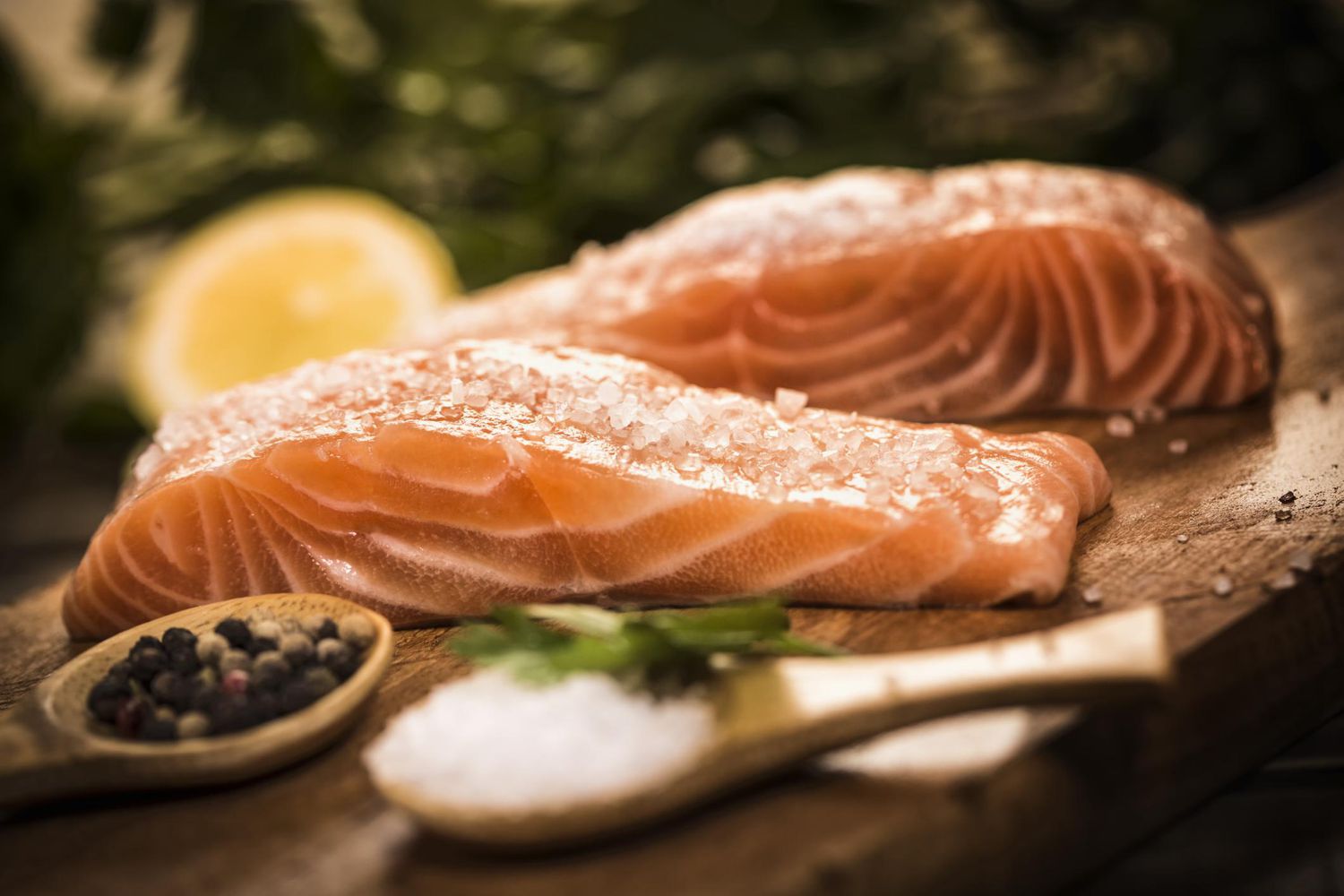
Sockeye salmon is the “red salmon” you’ve probably seen on menus when someone wants salmon that tastes bold, cooks beautifully, and looks like it showed up to dinner wearing a tux. (Despite the name, it does not come with socks. Fish footwear remains a niche market.)
Scientifically known as Oncorhynchus nerka, sockeye is one of the five main Pacific salmon species. It’s famous for its deep color, clean flavor, and a life story that’s basically an epic road trip: born in fresh water, grown in the ocean, then returning home to spawn.
Sockeye Salmon 101: The Basics
What it is (and what it’s not)
Sockeye salmon is a Pacific salmon species found in the northern Pacific Ocean and the rivers and lakes connected to it. Unlike Atlantic salmon (the one you often see farm-raised), sockeye is most commonly sold as wild-caught in the U.S., especially from Alaska and the Pacific Northwest.
Why it has so many nicknames
- Red salmon: Adults turn bright red with greenish heads when they return to fresh water to spawn.
- Blueback: In the ocean, they can look metallic blue-green along the top.
- Kokanee: A landlocked (non-anadromous) form of sockeye that lives its whole life in fresh water.
What Makes Sockeye Different From Other Salmon?
Size and appearance
Sockeye are generally smaller than king (chinook) salmon and often weigh in the “weeknight dinner” range rather than the “feed-the-whole-neighborhood” range. In the ocean, sockeye look sleek and silvery. During spawning runs, they transform into their famous red-and-green looknature’s version of a costume change.
Flavor and texture
Sockeye tends to have a firmer texture and a stronger, richer salmon flavor than milder varieties. If you’ve ever thought, “I like salmon, but I wish it tasted more like… salmon,” sockeye is your fish.
Color that doesn’t mess around
Sockeye’s flesh is usually a deeper red-orange than many other salmon. Part of this comes down to diet and natural pigments (more on that in the FAQ), but the practical takeaway is simple: sockeye is the salmon that makes your plate look like it has good lighting.
Where Sockeye Live (and Why Lakes Matter)
Range and habitat
Sockeye salmon are strongly tied to cold, clean water systems. In North America, they range along the West Coast up through Alaska, and they rely heavily on fresh water lakes, streams, and connected tributaries for spawning and early life stages.
The “lake requirement” that makes sockeye special
Many sockeye populations depend on lakes for juvenile rearing. Young sockeye commonly spend a year or more growing in lakes before heading to sea. This is one reason sockeye runs can be closely connected to the health of specific lake-and-river systems: protect the lake, protect the salmon.
Life Cycle: The “Born Here, Eat There, Return Home” Blueprint
From eggs to ocean travelers
Sockeye begin life as eggs in gravel nests (called “redds”) in rivers, streams, and lake shore areas with upwelling water. After hatching, the young fish grow and feed in fresh wateroften for one to three yearsbefore transforming into smolts and migrating to the ocean.
Ocean years and the big return
Once in the ocean, sockeye feed and grow for roughly one to three years (timing varies by population). Then they navigate backsometimes traveling huge distancesto the same watershed where they started. Like other Pacific salmon, many sockeye die after spawning, completing a cycle that fuels ecosystems from streams to forests.
Nutrition: Why Sockeye Shows Up in “Healthy Seafood” Lists
Sockeye salmon is nutrient-dense in a way that feels unfair to foods that are trying really hard (sorry, kale). It’s a high-quality protein source, generally low in saturated fat compared to many animal proteins, and well-known for omega-3 fats.
What you get in a typical serving
A cooked 3-ounce serving of wild sockeye salmon is commonly listed around:
- Calories: ~130
- Protein: ~23 grams
- Omega-3s (EPA + DHA): ~730 mg
- Vitamin D: ~14.2 mcg
- Vitamin B12: ~3.8 mcg
- Selenium: ~30 mcg
Numbers vary by season, location, and preparation, but the pattern is consistent: sockeye delivers a lot of nutrition per bite.
Omega-3s in plain English
Omega-3 fats (especially EPA and DHA) are linked with heart health and are one reason major health organizations encourage eating fish regularly. Sockeye is a “fatty fish,” meaning it’s one of the better natural food sources of these omega-3s.
What about mercury?
Salmon is generally considered a low-mercury seafood choice compared with large predatory fish. Federal guidance for people who are pregnant, breastfeeding, or feeding children often highlights choosing fish lower in mercury and sticking to recommended weekly amounts. If you’re eating fish caught locally (by family or friends), it’s smart to check regional advisories for that specific waterbody.
Wild vs. Farmed Sockeye: What You’ll See at the Store
Is sockeye usually wild?
In the U.S. marketplace, sockeye is most commonly sold as wild-caught. Farmed salmon is often Atlantic salmon, while sockeye is frequently sourced from wild Pacific fisheries (especially Alaska). That doesn’t mean every sockeye fillet is identicalfar from itbut “wild sockeye” is a common label for a reason.
Labels that actually help
- Wild-caught vs. farm-raised: Useful for expectations around flavor, texture, and price.
- Previously frozen: Not a red flag. Much of the best salmon is frozen quickly to lock in quality.
- Region or fishery info: Helpful for sustainability-minded shoppers and for tracing quality standards.
How to Buy, Store, and Cook Sockeye Salmon Without Drama
Buying sockeye salmon
Look for firm flesh, a fresh (not overly “fishy”) smell, and clean-looking packaging. If you’re buying frozen, avoid thick ice crystals inside the package (a sign of temperature swings). If you’re buying fresh, ask when it arrived and whether it was previously frozengood fishmongers won’t act like that question is rude.
Storage and thawing
- Refrigerator: Use fresh fish within 1–2 days if possible.
- Freezer: Wrap tightly to prevent freezer burn; use within a few months for best quality.
- Thaw safely: Overnight in the fridge is best. In a hurry? Seal it and thaw in cold water, changing water as it warms.
Cooking methods that flatter sockeye
Sockeye’s leanness and firm texture mean it can go from perfect to “why is this so dry?” faster than you can say “I’ll just check one email.” These methods keep it happy:
- Pan-sear: Crisp skin, fast cook, great for weeknights.
- Oven roast: Reliable for thicker fillets; add a little olive oil or butter for moisture.
- Grill: High heat and quick timing; oil grates to prevent sticking.
- Broil: Great for caramelized edgeswatch closely.
- Poach: Gentle, forgiving, and excellent for salads or grain bowls.
Doneness and safety (the non-negotiable part)
Food safety guidance commonly recommends cooking fish to an internal temperature of 145°F, or until the flesh is opaque and separates easily with a fork. Many cooks prefer salmon slightly less done for texture, but if you’re serving someone at higher risk (pregnancy, immune compromise, older adults), following the conservative safety guidance is the safest play.
Sustainability and Ethics: How to Choose Sockeye You Feel Good About
In the U.S., many sockeye fisheries are managed under strict regulations with scientific monitoring, harvest limits, and enforcement. This is one reason U.S. wild-caught sockeye is frequently described as a responsible choice. That said, sustainability can vary by region, gear type, and local conditionsso when labels include fishery or location details, they’re not just marketing fluff.
If you catch it yourself (or your uncle does)
For locally caught fish, pay attention to state or local advisories for that specific area. Advisories aren’t meant to scare you away from fishthey’re meant to help you choose safe amounts based on local contaminant data.
Quick FAQ About Sockeye Salmon
Why is sockeye salmon so red?
Salmon color is influenced by natural pigments called carotenoidsespecially astaxanthinthat come from the food chain (think small crustaceans and plankton-rich diets). Sockeye are especially known for deep red flesh, which is one reason they’re prized for both taste and presentation.
Is canned sockeye salmon worth buying?
Absolutely. Canned sockeye can be a convenient, budget-friendlier way to get salmon into lunches and quick dinners. Some canned salmon includes soft edible bones, which add calcium. It’s great in salmon salads, patties, or mixed into pasta.
Can you eat sockeye salmon raw?
Raw salmon dishes can be delicious, but safety depends on proper handling and freezing standards designed to reduce parasite risk. If you want to eat salmon raw, use fish specifically sold for that purpose (and handle it carefully). When in doubt, cook itsockeye is fantastic cooked well.
Conclusion: So, What Is Sockeye Salmon?
Sockeye salmon is a Pacific salmon species loved for its rich flavor, firm texture, and bold red-orange color. It’s a fish with an impressive life cycle, a strong nutrition profile, and (often) a sustainability story backed by serious management. Whether you’re grilling it for a backyard dinner, roasting it for meal prep, or stirring canned sockeye into a quick lunch, it’s one of those ingredients that can make “just dinner” feel like you actually tried. Without requiring you to become a seafood philosopher. Unless you want to. No judgment.
Sockeye Salmon in Real Life: 6 Mini-Experiences People Actually Have (About )
1) The first “wow, that’s red” moment
A lot of people’s first sockeye experience is visual: you unwrap the fillet and pause because the color looks almost unreal. It’s the kind of red-orange that makes you wonder if your kitchen lights suddenly upgraded themselves. That moment is often followed by a practical thought: “I should not overcook this. I can’t ruin something this pretty.” (A surprisingly motivating form of culinary discipline.)
2) The “I thought all salmon tasted the same” realization
If someone’s only reference point is mild salmon, sockeye can feel like a plot twist. The flavor is more pronounced and “salmon-y” in a good wayclean, rich, and satisfying. People often describe it as the first time salmon tastes like a main character instead of a supporting actor next to lemon wedges.
3) The weeknight cooking win (and the one big mistake)
Sockeye shines in quick cooking: a hot pan, a little oil, salt and pepper, and you’re basically done. The most common real-life mistake is treating it like a thicker, fattier salmon and leaving it on heat too long. Then it gets dry and you start negotiating with condiments like, “Maybe a sauce will fix this?” The experience teaches a useful habit: cook sockeye fast, rest it briefly, and trust that it doesn’t need a long spa day in the oven.
4) The “meal prep hero” move
Sockeye shows up in meal prep when people want protein that doesn’t feel sad on day three. Flaked into grain bowls with roasted vegetables, tucked into a salad, or paired with rice and a simple sauce, it keeps its texture well. Many people learn that a slightly underdone center (when safely prepared) can reheat more gentlyso leftovers stay tender instead of turning into fish jerky.
5) The summer grill story
Grilling sockeye becomes a small flex at cookouts: it cooks quickly, looks gorgeous, and makes you seem like you know what you’re doing even if you were Googling “salmon internal temp” five minutes ago. A classic experience is the first time someone grills it skin-side down and realizes the skin can act like a natural “nonstick layer,” protecting the flesh while it cooks.
6) The “I’m trying to eat healthier” reset
Sockeye is a common choice when someone wants a healthier routine that still feels like real food. The experience isn’t just about nutrientsit’s about satisfaction. You finish a sockeye dinner feeling full, not deprived. For many people, that’s the difference between a health kick that lasts three days and one that becomes a habit. When healthy eating tastes good, it stops feeling like a punishment and starts feeling like… dinner. Which is the goal. Always.