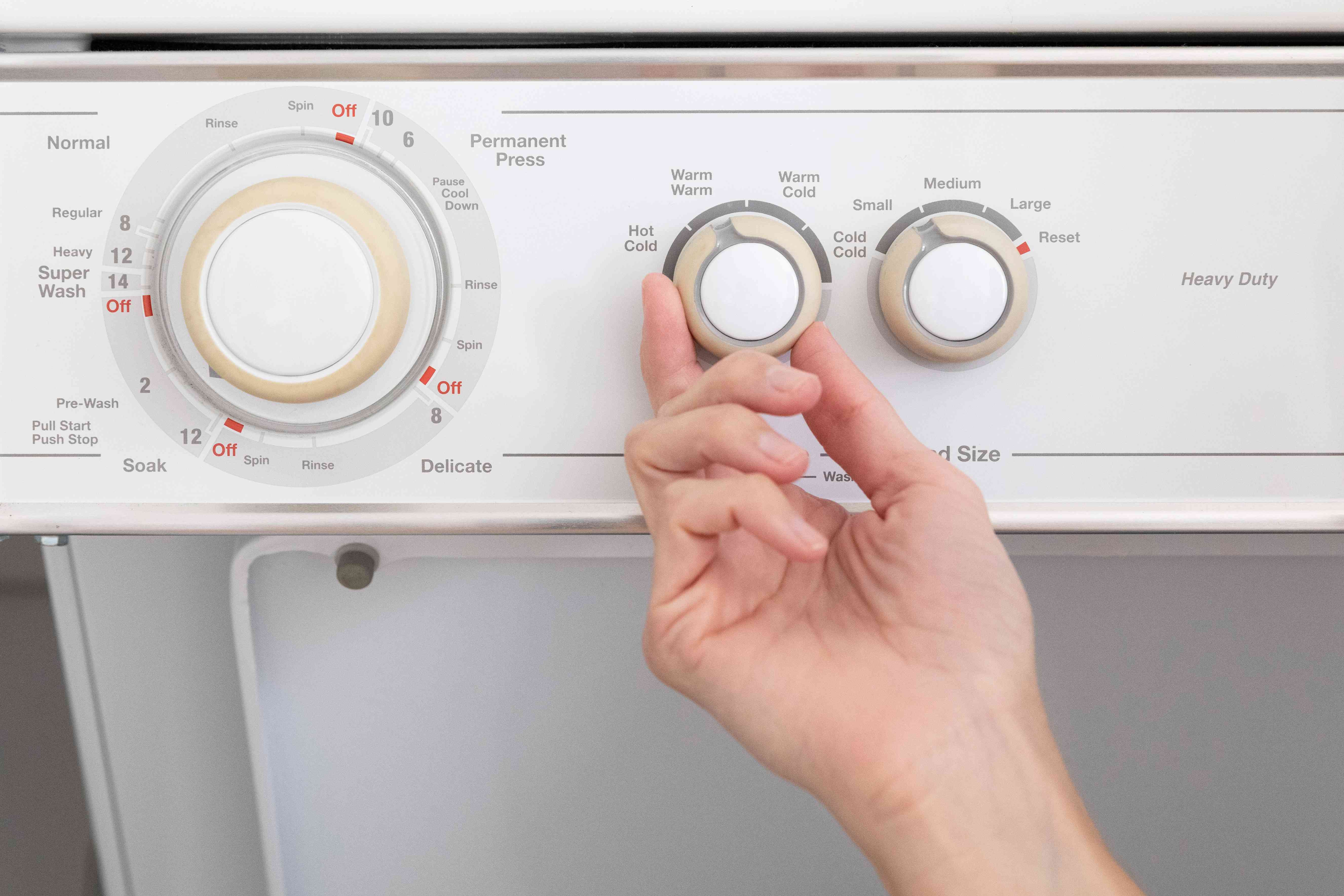
Every washing machine has at least one button that feels like it was named by a time-traveling chemist. “Permanent Press” is that button.
It sounds like something you’d use to laminate your jeans. In reality, it’s one of the most practical cycles on the dialwhen you use it for the right clothes.
This guide breaks down what the permanent press cycle actually does in both the washer and dryer, why it reduces wrinkles, and when it’s a smart choice
(and when it’s basically just a slower way to not clean your clothes).
Permanent Press, Explained in Normal-Human Language
The permanent press cycle (often labeled Perm Press, Casual, Wrinkle Control, or Wrinkle Reduction)
is designed to minimize wrinkles and protect fabrics that don’t love aggressive washingespecially synthetics and blends.
It’s the middle sibling between “Normal” and “Delicate”: gentler than a standard cycle, but not so gentle that it treats your hoodie like antique lace.
What it usually does in the washer
- Warm wash + cool/cold rinse: Warm water helps lift everyday soil, then a cooler rinse helps reduce wrinkling.
- Gentler agitation: Less sloshing drama, which can reduce wear, pilling, and stretching.
- Lower or moderated spin speed: Slower spinning means less “fabric pancake” effect that can set creases.
What it usually does in the dryer
- Medium heat: Hot enough to dry efficiently, not so hot it turns synthetics into tiny crunchy regrets.
- Cool-down period: Tumbles with little or no heat near the end so wrinkles don’t “set” while fabrics are still hot.
- Sometimes reduced tumbling: Depending on the machine, it may be slightly less aggressive than “Normal.”
Why Permanent Press Helps With Wrinkles (It’s Not MagicIt’s Physics)
Wrinkles are basically what happens when fabric fibers get bent, squeezed, and then told, “Stay like that.” Heat and pressure are big contributors.
That’s why ironing works (heat + pressure to smooth), and it’s also why wrinkles can get worse when clothes are hot, heavy, and crammed together.
Permanent press fights that in three ways:
- Cooler finishing step: A cooler rinse (and a dryer cool-down) helps fabrics relax as the cycle ends, rather than locking in creases.
- Less aggressive spinning: A slower final spin reduces how tightly wet clothing gets pressed against itselfone of the most common “wrinkle factories.”
- Moderate mechanical action: Less friction and twisting means fewer stress wrinkles, less pilling, and fewer “why does my blouse look exhausted?” moments.
When Permanent Press Is the Right Choice
Think of permanent press as the cycle for clothes you want to come out looking “ready-ish” without extra fuss.
It’s especially useful for fabrics that wrinkle easily or don’t respond well to high heat and hard spinning.
Best for: wrinkle-prone everyday and “work-ish” clothes
- Button-down shirts, blouses, dresses, and skirts that you’d rather not iron like it’s 1997.
- Chinos, khakis, and lighter trousers that crease if you look at them wrong.
- Synthetics and blends (polyester, nylon, acrylic, rayon blends) that can pill or warp on harsher cycles.
- “Wrinkle-free” or “easy care” items where the whole point is saving time on pressing and steaming.
A real-world example
If you wash a polyester-blend dress shirt on “Normal” with a high spin, it may come out cleanbut with sharp creases in weird places:
cuffs folded into themselves, collar doing origami, and one sleeve that looks like it tried to escape the drum.
Permanent press lowers the spin aggression and finishes cooler, so the shirt is less likely to come out looking like it lost a fight with a crumpled paper bag.
When You Should Skip Permanent Press
Permanent press is not a “best for everything” cycle. It’s a fabric-care tool, not a miracle detergent substitute.
Avoid it for heavily soiled laundry
- Work clothes, muddy kids’ gear, greasy kitchen towels
- Stain-heavy items (grass, oil, body soils, lingering odors)
Why? Because perm press often uses gentler agitation and can be less effective for deep cleaning unless you pre-treat stains or choose a stronger cycle.
Avoid it for very delicate items
- Lingerie, lace, silk, cashmere, embellished garments
- Anything labeled “hand wash” or “delicate”
Permanent press is gentler than normalbut it’s typically still more aggressive than a true delicate/hand-wash setting.
If it has straps, lace, beads, or the emotional fragility of a soap bubble, go delicate and use a mesh bag.
Avoid it for bulky/heavy items (most of the time)
- Jeans, heavy hoodies, thick blankets, heavy towels
The slower spin can leave heavy items wetter, which often means longer dry times and that “did this load secretly gain five pounds?” feeling.
For sturdy items, “Normal” (or a dedicated bulky/heavy cycle) is usually better.
Permanent Press vs. Normal vs. Delicate: What’s the Difference?
If laundry cycles were coffee orders:
Normal is regular drip, Delicate is a gentle herbal tea, and Permanent Press is an iced latte with a “don’t ruin my day” attitude.
| Cycle | Agitation | Spin Speed | Typical Temps | Best For |
|---|---|---|---|---|
| Normal | Moderate to high | Higher | Warm/cold (varies) | Cottons, everyday sturdy loads, towels, tees |
| Permanent Press | Moderate/gentler | Lower/moderated | Warm wash + cool rinse (often) | Synthetics/blends, dress shirts, wrinkle-prone items |
| Delicate/Hand Wash | Low | Low | Cool/cold (often) | Lace, lingerie, silk, fragile knits, lightly soiled delicates |
So… Should You Actually Use Permanent Press?
Yesif your goal is presentable clothes with fewer wrinkles and less wear.
Noif your goal is maximum stain removal or you’re washing fabrics that need very gentle handling.
Use permanent press if you want:
- Fewer wrinkles in shirts, dresses, and blends
- Less pilling and friction on synthetic-heavy wardrobes
- A safer wash for “nice-ish” clothes you wear often
Skip it if you need:
- Deep cleaning for heavy soil, sweat, or odors
- Fast drying for heavy loads (because slower spin can leave more water behind)
- Ultra-gentle care for delicate labels and fragile fabrics
How to Get the Best Results From Permanent Press
The cycle helps, but it’s not a substitute for good laundry habits. Here’s how to make it actually work.
1) Don’t overload the drum
Wrinkle reduction is tough when your washer is packed like a suitcase you’re trying to sit on.
Give garments room to move so they rinse and spin without getting crushed into each other.
2) Sort by fabric weight (not just color)
Mixing heavy jeans with lightweight blouses is how you get one item clean and the other item emotionally damaged.
Similar weights wash more evenly and wrinkle less.
3) Pre-treat stains if you’re choosing a gentler cycle
If you’re washing office wear with a coffee splash or collar grime, treat it first.
Permanent press can clean well, but it often relies on less aggressive action than normal.
4) Choose the right dry strategy
- Use “Permanent Press” (or medium heat) in the dryer for synthetics and blends.
- Pull clothes out promptlywrinkles love to move in when warm clothes sit in a heap.
- Hang shirts and dresses immediately for the biggest wrinkle win with the least effort.
- If you hate ironing: toss in a few minutes of wrinkle-release/steam if your dryer has it, then hang.
5) Read the care label like it’s trying to save you money (because it is)
If the label says “Delicate” or “Hand Wash,” permanent press is often still too much.
If it says “Warm wash” and doesn’t warn you about agitation or spin, permanent press is usually a safe, smart option.
A Quick “Choose This Cycle” Checklist
Pick Permanent Press when most of these are true:
- Your items are synthetics or blends or wrinkle easily
- The load is light to moderately soiled
- You want fewer wrinkles without extra steps
- You’re washing clothes with structure (collars, pleats, nicer seams)
Pick Normal/Heavy when: stains, sweat, dirt, towels, heavy cottons, denim.
Pick Delicate when: lace, lingerie, silk, cashmere, embellished pieces, “hand wash” labels.
FAQs About the Permanent Press Cycle
Does permanent press mean “wrinkle-free forever”?
No. It means “less wrinkly than normal if you don’t sabotage it by overloading the washer and leaving the clothes in the dryer overnight.”
The cycle reduces the conditions that set wrinkles, but it can’t rewrite reality.
Is permanent press colder than normal?
Often, yesespecially at the end. Many machines use a warm wash and a cool or cold rinse for permanent press.
Normal cycles vary widely by brand and model, but tend to spin faster and may be more aggressive overall.
Will permanent press shrink my clothes?
Shrinking usually comes from heat (especially drying heat) and agitation on fabrics that are prone to it (like some cottons and wools).
Permanent press is generally gentler and often uses moderate temperatures, so it can reduce shrink risk compared to hot, aggressive cycles.
But if you dry on high heat, you can still shrink plenty of things. The dryer is the usual culprit.
Is it okay to wash cotton shirts on permanent press?
Yesespecially cotton dress shirts or blends that wrinkle easily. If the shirts are heavily soiled (sweat, grime), normal may clean better.
If they’re “nice shirts you want to look nice,” permanent press is often the sweet spot.
Real-Life Laundry Moments: Permanent Press in the Wild (Experience Section)
Laundry advice gets more useful when it leaves the instruction manual and enters real lifewhere someone is always late,
the “whites” pile is actually “light grays and one suspicious beige,” and at least one sock is living a double life.
Here are common scenarios where permanent press either saves the day or politely steps aside.
The “I Need This Shirt to Look Like I Have My Life Together” Morning
Picture a weekday morning where you remembersuddenly and emotionallythat you own a button-down shirt you actually like.
You wash it on normal, dry it on high, and it comes out with crisp creases in places no iron can reach without a tiny engineering degree.
That’s the moment permanent press starts to make sense.
With permanent press, the shirt usually finishes with fewer set-in wrinkles, and the dryer’s cool-down helps keep the fabric from baking into folds.
The “experience upgrade” happens when you pull it out promptly and hang it immediately: the collar lays flatter, the sleeves look less crumpled,
and you don’t spend five minutes negotiating with a steamer that’s out of water.
The “Office Wear That’s Not Delicate, Just Dramatic” Load
Some fabrics aren’t fragilethey’re just picky. Polyester blends, rayon mixes, and “easy care” trousers can survive normal washing,
but they tend to show every wrinkle like it’s a personality trait.
People who switch these items to permanent press often notice two changes: less pilling over time and fewer deep creases after drying.
The tradeoff is that the clothes may come out slightly wetter from the washer because of the reduced spin.
In real-life terms, that means you might add a few minutes to dry timeor you might decide to air-dry a couple of pieces on hangers
and let the dryer handle the rest. Either way, you’re swapping a bit of drying time for less ironing time, which is usually a good deal.
The “I Washed Everything on Delicate and Nothing Got Clean” Lesson
Many people go through a phase of using delicate for everything because it feels safer.
Then the clothes come out looking fine… but smelling like they still remember the gym.
Permanent press can be a practical step up: it’s still gentler than normal, but usually strong enough for everyday wear when paired with
proper detergent and (when needed) quick stain pre-treatment.
The “I Hate Ironing More Than I Hate Folding” Strategy
Permanent press shines for people who would rather fold laundry at midnight than iron at any time of day.
The cycle doesn’t remove every wrinkle, but it can reduce the kind that makes clothes look messy from across the room.
In practice, that means fewer “I’ll just wear a sweater over it” choices and more “this is fine” confidence.
A common routine that works well is: wash wrinkle-prone items on permanent press, dry them on permanent press (medium heat),
then hang them right away. If something is still slightly wrinkled, a quick bathroom steam while you shower or a short wrinkle-release tumble
often finishes the job. It’s not perfection; it’s laundry efficiency.
The “When Permanent Press Doesn’t Help” Reality Check
Permanent press isn’t the hero for everything. If you toss in muddy sports gear or greasy kitchen cloths, you may end up disappointed
not because the cycle is bad, but because it wasn’t built for heavy-duty cleaning.
Real-world success comes from matching the cycle to the mission: permanent press for wrinkle control and moderate cleaning,
normal/heavy for deep soil, delicate for fragile fabrics.
In other words: permanent press is the cycle you use when you want your clothes to come out clean and look like they weren’t
aggressively crumpled for a demonstration. It’s not fancy. It’s just smart.
Conclusion
The permanent press cycle is worth using if you regularly wash wrinkle-prone fabrics, synthetics, blends, or “nice-but-not-delicate” clothes.
It typically combines a warm wash with a cooler rinse, gentler action, and a moderated spin to reduce creasing and wear.
Pair it with a permanent press (medium heat + cool-down) dryer setting, pull items out promptly, and you’ll often save real time on ironing and steaming.
The key is simple: Permanent press is for looking smoother, not for cleaning harder. Use it when you want clothes to come out
presentable with minimal effortand reach for normal/heavy or delicate when the fabric (or the mess) demands it.