If someone pulls a handgun on you, your brain will probably try three things at once: panic, bargain, and audition for an action movie. Unfortunately, real life is not an action movie. There is no dramatic soundtrack, no slow-motion hero turn, and absolutely no guarantee that “one clever move” will fix the situation. What matters most is staying alive.
The safest response to an armed threat is usually not fighting. It is creating a path to survival through calm decisions, quick observation, and smart action. That may mean complying, escaping when possible, using cover, or getting help fast. The goal is simple: make it home alive, not win a scene that never should have happened.
Why Survival Matters More Than Pride
When a gun is involved, the danger is immediate and unpredictable. Even a small mistake, sudden movement, or misunderstood gesture can escalate the threat. That is why personal safety experts consistently emphasize avoidance, de-escalation, and escape over confrontation.
This can feel counterintuitive. Many people imagine they would instantly fight back, talk the person down, or “read the room” like a seasoned detective. In reality, stress narrows attention, speeds up breathing, and makes fine decision-making harder. The smartest move is usually the least dramatic one.
1. Stay as Calm and Predictable as Possible
Your first job is to avoid giving the armed person a reason to feel startled, challenged, or cornered. Keep your movements slow. Keep your hands visible if possible. Avoid sudden reaching, aggressive eye contact, or anything that could be interpreted as resistance.
What calm behavior looks like
Use a steady voice. Speak in short, clear sentences. If you need to move, say what you are doing before you do it. For example: “I’m going to take my wallet out slowly.” That kind of communication reduces uncertainty, and uncertainty is gasoline in a dangerous moment.
This does not mean you are “giving in.” It means you are buying time, lowering tension, and reducing the chance of a tragic misunderstanding. Survival is not weakness. Survival is the whole assignment.
2. Comply When Compliance Is the Safest Option
If the person wants your phone, wallet, bag, watch, or car keys, those items are not worth your life. Property can be replaced. You cannot. In many armed robbery situations, handing over valuables is the safest immediate option.
How to comply safely
Tell the person what you are about to do before reaching into a pocket or bag. Move slowly. If possible, place the item down rather than making a sudden forward motion. Do not argue, insult, threaten, or try to prove a point. Nobody has ever won a prize for the snappiest comeback during an armed robbery.
If you are with children or other vulnerable people, focus on keeping everyone calm and visible. Simple instructions like “Stay close to me” or “Do not move” can be more useful than long explanations.
3. Escape Only When You Have a Clear Opportunity
Escape can be the best option, but only when there is a realistic opening. If the armed person is distracted, turns away, moves behind an obstacle, or creates enough distance, getting away may reduce your danger dramatically. If there is no safe opportunity, forcing one can make things worse.
What makes an escape route safer
Look for exits, solid barriers, populated areas, and places where help is nearby. Run to cover, not just away in a straight line if there is a better protected path. Once you are out of immediate danger, call emergency services as soon as possible.
Do not stop a few yards away to become a narrator for your own crisis. Keep moving until you reach a place of real safety.
4. Know the Difference Between Cover and Concealment
In a dangerous encounter, not all hiding spots are equal. A thin curtain hides you visually, but it does not protect you. A large concrete structure, engine block, or thick masonry wall offers far more protection. The difference matters.
Why this matters in real life
If you must move during or after an armed threat, think beyond “Where can I duck?” and ask “What can actually protect me?” This one mental shift can help you make better decisions under pressure.
5. Talk Only to Reduce Risk
Words can sometimes help, but this is not the time for speeches. Keep communication practical and calm. Your goal is not to outsmart the person. Your goal is to avoid escalation and stay alive.
Useful phrases in a crisis
Simple statements work best: “Okay.” “I understand.” “I’m moving slowly.” “Take it.” “I’m not reaching for anything.” These phrases reduce ambiguity. They do not solve the situation, but they can keep it from getting worse.
Avoid insults, moral lectures, sarcasm, or sudden pleading that may sound erratic. This is one moment when being boring is a superpower.
6. Pay Attention Without Staring
If you can do so safely, notice details that may help later: height, clothing, voice, visible tattoos, direction of travel, vehicle type, and anything distinctive. But do not stare in a way that feels provocative. Quick observation is useful. Challenging eye contact is not.
You are not gathering movie-climax evidence. You are noticing enough to help first responders later if you safely can.
7. Once Safe, Call Emergency Services Immediately
As soon as you are in a secure location, call emergency services. Give your location first. Then explain what happened, whether the person is still nearby, whether anyone is injured, and what direction the suspect went. Clear information helps responders act faster.
What to report
Include clothing, approximate age, build, vehicle details if relevant, and whether shots were fired. If you dropped property, left behind belongings, or there are witnesses nearby, mention that too.
If you are shaken, breathe and speak one fact at a time. You do not need to sound polished. You just need to be understandable.
8. Be Careful When Police Arrive
When officers arrive, they may not immediately know who the victim is. Keep your hands visible. Follow commands quickly and calmly. Do not run toward them while waving your arms like you are landing a plane. Let them secure the scene first.
Tell them clearly that you are the victim or witness, and answer questions as directly as possible.
9. Expect an Aftershock
Even if you were not physically harmed, an armed threat can rattle your nervous system. You may feel shaky, angry, numb, embarrassed, exhausted, or weirdly talkative. All of that can be normal after a frightening event.
What recovery can look like
You may replay the moment in your head, have trouble sleeping, or keep thinking of all the things you “should have done.” Be gentle with yourself. The standard is not perfection. The standard is survival.
Reach out to trusted family, friends, or a mental health professional if the stress lingers. A traumatic encounter can leave a mark, and getting support is a smart response, not an overreaction.
Common Mistakes to Avoid
Trying to be a hero
If you see an opening that is not truly safe, do not gamble your life on pride or impulse. Hero fantasies are cheap. Emergency rooms are expensive.
Making sudden movements
Fast, unexplained motion can escalate fear and trigger a disastrous response. Slow, announced movement is safer.
Arguing over property
No phone, bag, or watch is worth a gunshot wound. Replace the item later.
Stopping too soon after escaping
Keep going until you are behind real protection or inside a secure location with help available.
Practical Safety Habits That Help Before Anything Happens
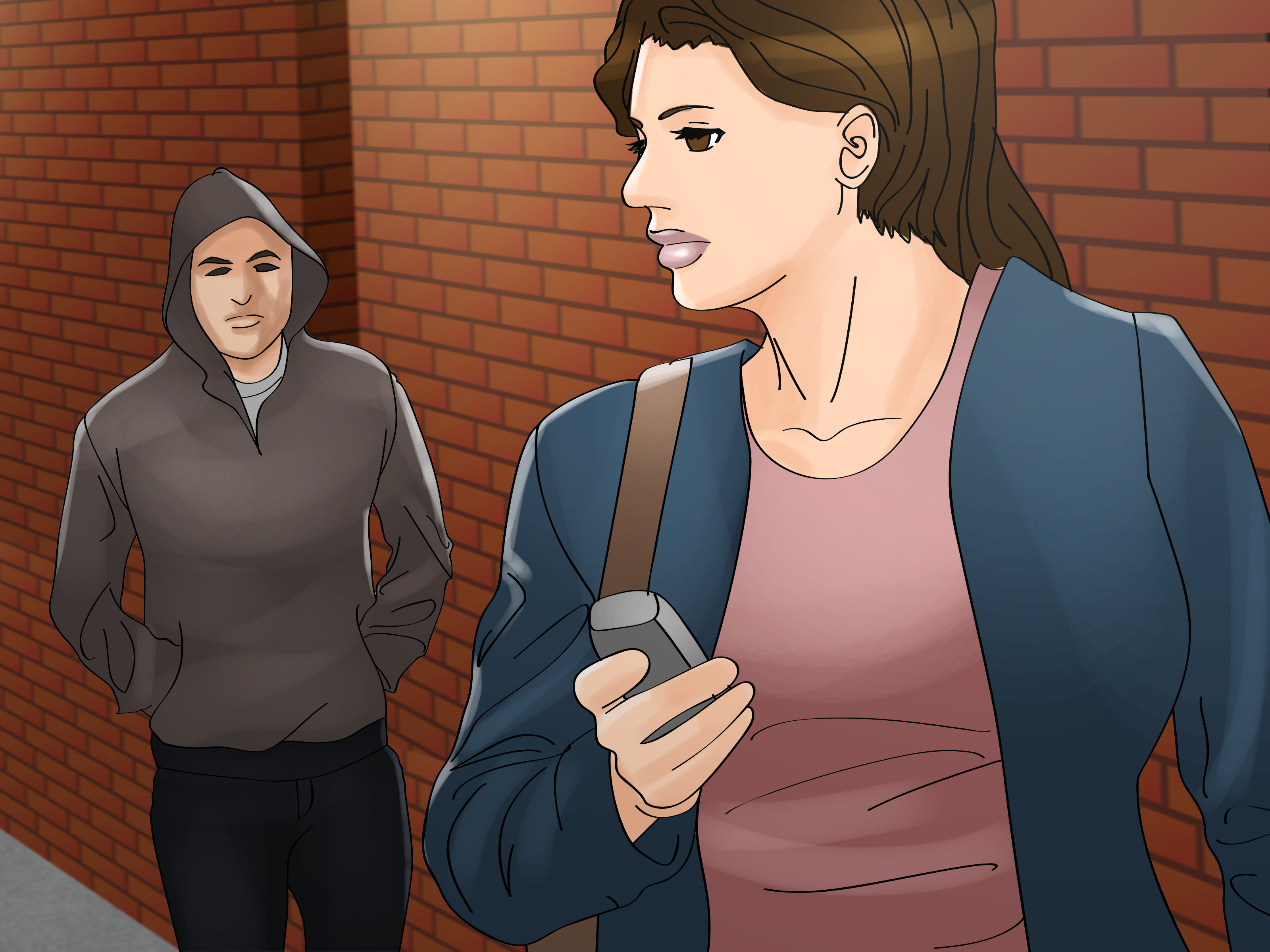
While nobody can control every dangerous situation, you can improve your odds with smart habits. Stay aware of entrances and exits in unfamiliar places. Avoid distraction when walking at night. Keep your phone accessible, but do not bury your attention in it. Park in well-lit areas. Trust your instincts if something feels wrong.
Taking a personal safety class from a qualified instructor can also help. The best training focuses on awareness, avoidance, de-escalation, legal realities, and emergency response, not fantasy-combat nonsense. Good training teaches judgment, not bravado.
Real-World Experience and Lessons Learned
People who have lived through armed threats often describe the moment the same way: time gets weird. Some remember every detail, down to the color of a shoelace. Others remember almost nothing except the gun and the pounding in their chest. That gap between expectation and reality is important. It is one reason calm, simple safety principles matter more than clever plans.
One common experience is the instinct to move too fast. A person may want to grab a wallet, open a bag, or point toward something while explaining themselves. Later, they realize how easily that movement could have been misunderstood. The lesson is simple and powerful: say what you are doing, then do it slowly.
Another frequent lesson is that people feel embarrassed after complying. They may think, “I should have done more,” or “I looked weak.” But surviving a gun threat is not a character test. It is a crisis. The people who got home safely usually made peace with one truth: staying alive was the win.
Some victims also talk about how quickly they noticed environmental details once they stopped panicking. They remembered a nearby store entrance, a concrete pillar, a parked car that could block visibility, or a crowd a short distance away. Those small details can shape good decisions. Situational awareness is not about paranoia. It is about giving your brain options when options suddenly matter.
Witnesses often say the aftermath was harder than expected. Adrenaline dropped, hands shook, knees felt weak, and ordinary sounds seemed too loud. A few even laughed nervously because the body sometimes chooses very strange coping mechanisms. None of that means a person handled the event badly. It means the body had a human response to danger.
There are also stories from bystanders who later regretted interfering impulsively. In chaotic moments, adding one more unpredictable person can increase risk for everyone. The better response is often to get to safety, call emergency services, observe carefully, and provide clear information rather than charging into a crisis unprepared.
People who later took safety training often said the most useful thing they learned was not a physical trick. It was decision-making under stress. They learned to prioritize distance, cover, communication, and escape routes. They learned that avoiding a bad position is better than trying to recover from one. That mindset shift can make all the difference.
Parents who have experienced armed threats in public places often mention how important simple family plans are. Knowing how to say “Stay behind me,” “Move to the door,” or “Run to the counter and call for help” can reduce confusion in a frightening moment. Complicated plans are hard to remember under stress. Short, practiced instructions work better.
Retail workers and service employees sometimes describe a similar pattern: the safest incidents were the ones where no one tried to challenge the armed person over money or merchandise. Staff stayed calm, complied, watched for a safe moment, and reported details immediately after. It was not dramatic. It was effective.
Across these experiences, one lesson comes up again and again: your life is bigger than your pride, your property, and your imagined perfect reaction. Survival may look ordinary in the moment. It may even feel unsatisfying afterward. But walking away alive is not ordinary at all. It is the best possible outcome in a terrible situation.
That is why the smartest response to a handgun threat is grounded in reality. Stay calm. Move slowly. Comply if compliance is safest. Escape if there is a real opening. Use cover. Call for help. Let survival, not ego, make the decisions.
Conclusion
If someone pulls a handgun on you, the safest strategy is usually not confrontation. It is survival through calm behavior, smart compliance, careful escape, and fast reporting once you are secure. Real safety is rarely flashy, but it is effective. In a life-threatening situation, your goal is not to win the moment. Your goal is to live through it.