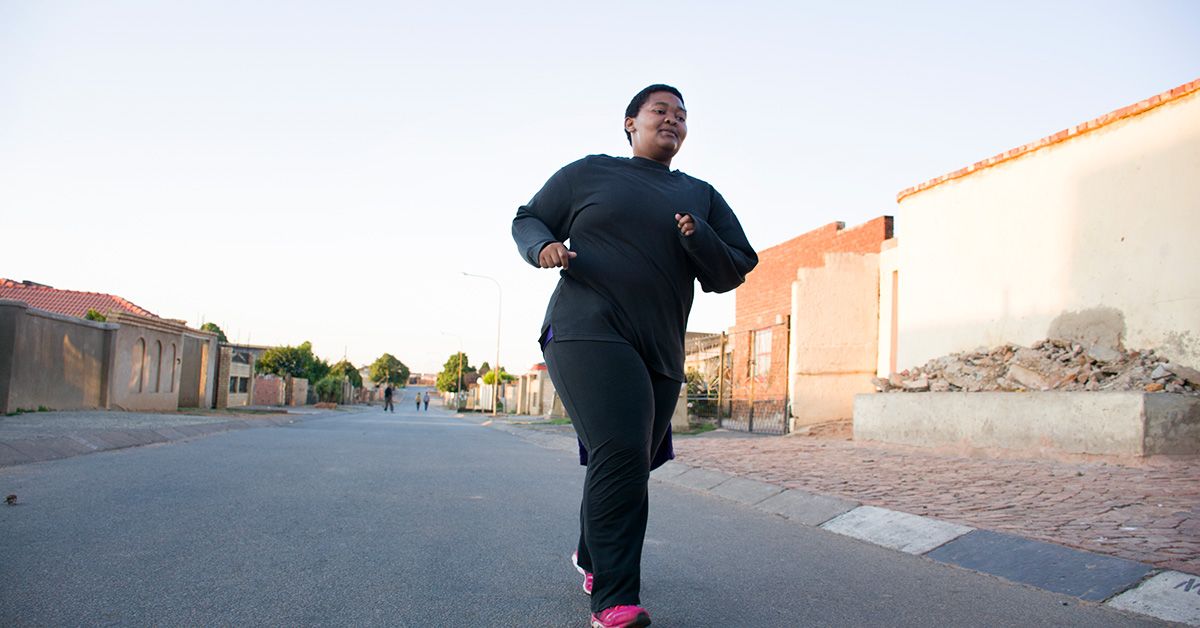
Jogging is one of those rare life hacks that’s both wildly simple and surprisingly powerful. No fancy equipment,
no complicated rules, and no secret handshake requiredjust you, a pair of shoes, and a willingness to move a
little faster than a walk. And yet, the benefits of jogging reach far beyond “I can chase the bus without
negotiating with my lungs.”
In this guide, we’ll break down what jogging actually does for your body and brain, why it’s linked to longer,
healthier lives, and how to start without turning your first week into a dramatic miniseries called
The Shin Splints Chronicles. You’ll also get practical tips, beginner-friendly progressions, and real-world
experience-based insights so you can make jogging a habit that sticks.
First, What Counts as Jogging?
Jogging typically sits between brisk walking and faster running. It’s steady, rhythmic, and conversational
(meaning you can talk in short sentences, but you probably won’t be delivering a TED Talk). Pace varies by person:
what feels like “easy jogging” for one person might feel like “Olympic qualification” for anotherboth count if the
effort level matches your current fitness.
The key idea: jogging is an aerobic activity. You’re training your heart, lungs, and muscles to
work together more efficiently. Over time, that efficiency pays you back in a long list of health upgrades.
The Biggest Benefits of Jogging (And Why They Happen)
1) Better heart health and stronger circulation
Jogging challenges your cardiovascular system in the best way: it asks your heart to pump more blood and oxygen,
and it teaches your blood vessels to respond more efficiently. Over time, this can support healthier blood
pressure, improved cholesterol patterns, and stronger overall cardiovascular fitness.
Think of your heart like a pump that can either struggle under pressure or get stronger with training. Jogging is
one of the classic ways to train that pumpespecially when you do it consistently and build gradually.
2) A longer life (yes, really) and a lower risk of early death
One of the most headline-worthy jogging benefits is its link to longevity. Research has found that even relatively
small amounts of running or jogging are associated with lower all-cause mortality compared with no running. What’s
especially motivating is that the “minimum effective dose” appears achievable for most people: you don’t need to
jog marathons to see meaningful health advantages.
The takeaway isn’t “jog forever, never stop.” It’s “a little jogging done regularly can move your health needle
more than you think.” For many people, that’s a surprisingly hopeful message.
3) Weight management that’s more than just “burning calories”
Yesjogging burns calories. But the bigger story is that it can help you build habits and body adaptations that
make weight management more realistic over the long term. Jogging can support a healthier energy balance, improve
cardiorespiratory fitness, and encourage more daily movement overall (because when you feel better, you tend to do
more).
Also, jogging tends to be time-efficient. A short jog can deliver a strong cardiovascular stimulus in less time
than many lower-intensity activities. That matters in real life, where your calendar doesn’t care about your
fitness goals.
4) Better blood sugar control and improved insulin sensitivity
If you’ve ever heard someone say exercise is “like medicine,” blood sugar is one of the clearest examples. Aerobic
activity can make your body more sensitive to insulin, helping your muscles use glucose more effectively. For
people managing diabetes or insulin resistance, that’s a big dealand even for people without diabetes, it’s a
protective factor for long-term metabolic health.
Jogging also strengthens the muscles that act like glucose “sponges” during and after exercise. The result can be
steadier energy, fewer sharp blood sugar swings, and better metabolic flexibility over time.
5) Stronger bones (because your skeleton likes a challenge)
Jogging is a weight-bearing activity, which means your bones respond by getting stronger. When your feet hit the
ground, the mechanical load signals your body to maintain or build bone mineral density. This is one reason
weight-bearing exercise is commonly recommended for bone health across adulthood.
If you want a simple mental image: your bones are living tissue, and jogging is one of the ways you remind them,
“Hey, we still need to be sturdykeep investing in this infrastructure.”
6) Joint health: jogging isn’t automatically “bad for your knees”
The idea that jogging destroys your knees is popularlike pineapple on pizza debatesbut it’s not that simple.
Evidence suggests that common physical activities like running are not necessarily associated with structural
progression of knee osteoarthritis, especially at typical recreational levels. In other words, for many people,
jogging can be part of an active lifestyle without automatically “wearing out” the joints.
What tends to cause problems is not jogging itself, but how people ramp up: doing too much, too
soon; ignoring pain signals; skipping recovery; or running in shoes that feel like cardboard. Your joints usually
prefer a smart plan over heroic randomness.
7) A brain boost: mood, focus, and stress resilience
Jogging doesn’t just “clear your head” in a poetic wayit can support real mental benefits. Aerobic exercise is
associated with improved mood and reduced stress, and it’s linked with cognitive benefits such as attention and
working memory. Some research suggests exercise supports brain structures involved in learning and memory, which is
why regular movement is often discussed in healthy aging and cognitive health.
Many joggers also recognize the “runner’s high” idea, though it’s not guaranteed or identical for everyone. What
is common is the post-jog shift: you feel more emotionally regulated, less tense, and more capable of handling
whatever life throws at you next (including emails).
8) Better sleep quality (with a timing caveat)
Regular physical activity is associated with improved sleep for many people, partly because it helps regulate
stress, supports a healthier daily rhythm, and creates physical fatigue that’s actually earnednot the “I stared at
screens for 10 hours” kind.
One caveat: if you jog very close to bedtime and it revs you up, your sleep might not love that. If that’s you,
try jogging earlier in the day, or keep evening jogs easy and short.
9) Immune system support through the “less stress + better sleep” pathway
Jogging can support immune function indirectly by improving sleep, reducing chronic stress, and enhancing
circulation. It’s not a magical shield that makes you invincible, but consistent moderate aerobic exercise is often
associated with a healthier immune responseespecially compared to being consistently sedentary.
10) Confidence and mental momentum (the underrated benefit)
This one isn’t measured in lab values, but it may be the reason people keep jogging. When you do hard things
regularlylike jogging when you’d rather become one with your couchyou build confidence. You also build
consistency, and consistency is the superpower behind almost every meaningful fitness result.
How Much Jogging Do You Need for Benefits?
Many health organizations recommend weekly activity targets that can be met with jogging because it often counts
as vigorous-intensity exercise. A common benchmark is 150 minutes of moderate-intensity activity
per week, or 75 minutes of vigorous-intensity activity, plus muscle-strengthening work on at least
two days weekly. The exact mix can vary, and you can split activity into smaller sessions across the week.
The practical point: you don’t need perfection. You need repetition. Three 25-minute jogs per week gets you to 75
minutes. That’s a realistic starting goal for many people.
Beginner-Friendly Plan: Start Without Wrecking Your Week
The fastest way to quit jogging is to begin as if you’re training for a movie montage. The safer approach is
boringbut it works. Start easier than you think you need to, and let your body adapt.
A simple 4-week “run-walk” starter plan
| Week | Sessions/Week | Workout |
|---|---|---|
| 1 | 2–3 | 5-min walk warm-up, then 1-min jog / 2-min walk x 8, 5-min cool-down |
| 2 | 2–3 | 5-min warm-up, then 90-sec jog / 2-min walk x 7, cool-down |
| 3 | 2–3 | 5-min warm-up, then 2-min jog / 90-sec walk x 7, cool-down |
| 4 | 2–3 | 5-min warm-up, then 3-min jog / 90-sec walk x 6, cool-down |
After this, you can keep reducing walking breaks and extending jogging intervals. The goal is a steady jog that
feels sustainable, not a “PR or bust” mindset.
Injury Prevention: How to Keep Jogging Feeling Good
Warm up and cool down like an adult (your future self will thank you)
A short warm-up helps your body transition into exercise mode: increased blood flow, higher muscle temperature,
and joints that don’t feel like they’re booting up on dial-up internet. A simple approach is 5–10 minutes of easy
walking, then easing into a gentle jog.
Build gradually: the “too much, too soon” trap
Most common jogging injuries aren’t caused by joggingthey’re caused by sudden spikes in volume or intensity. If
your body hasn’t adapted to impact and repetition, it complains. Loudly. Increase distance or time slowly, keep
most sessions easy, and save “hard” efforts for later when you have a base.
Choose surfaces and shoes that match your reality
Softer surfaces (like tracks or packed dirt) can feel kinder than uneven concrete, especially early on. And shoes
matter, but not in a “buy the most expensive pair and your knees will sing” way. The right shoe is the one that
feels comfortable and supportive for your foot and stride.
Pay attention to pain signals (discomfort vs. warning)
Normal: mild muscle soreness, especially when starting. Not normal: sharp pain, worsening pain while running, or
pain that changes your gait. If something feels off, reduce volume, take rest days, and consider professional
guidance if it persists. Fitness progress should feel like trainingnot like negotiating with an injury.
Jogging Benefits in Real Life: Where You’ll Notice Them First
- Stairs feel less dramatic: Your heart rate recovers faster, and daily exertion feels easier.
- Stress feels more manageable: Jogging often becomes a “reset button” after tough days.
- Energy becomes steadier: You may feel less sluggish in the afternoon and more alert overall.
- Confidence rises: You keep promises to yourselfand that’s powerful.
- Sleep gets deeper: Many people notice improved sleep once a routine becomes consistent.
Who Should Be Cautious Before Starting?
Jogging is generally safe for many people, but it’s smart to be cautious if you have chest pain with activity,
dizziness, uncontrolled blood pressure, significant joint pain, or a medical condition that affects exercise
tolerance. If you’re unsure, start with walking, build gradually, and talk with a healthcare professional for
personalized guidance.
Conclusion: Jogging Is SimpleAnd That’s the Point
The benefits of jogging aren’t limited to one body system or one health outcome. Jogging supports cardiovascular
fitness, metabolic health, mood, sleep, bone strength, and even confidence. The “secret” isn’t a magic pace or
perfect plan. It’s showing up consistently, keeping it easy enough to repeat, and building gradually so your body
adapts instead of rebels.
If you’re starting from zero, begin with run-walk intervals. If you’re coming back after time off, start easier
than your ego wants. If you’re already jogging, remember the boring basicssleep, strength training, and gradual
progressionare what keep the habit alive. Jogging doesn’t need to be complicated. It needs to be sustainable.
Experiences With Jogging: What People Commonly Notice (500+ Words)
People’s experiences with jogging vary, but certain patterns show up again and againespecially once someone moves
from “trying it occasionally” to “doing it consistently.” One of the most common early experiences is the
surprise gap between what you think your fitness is and what jogging reveals. Someone might feel
generally “fine” day-to-day, but the first jog makes it obvious that the heart and lungs haven’t been challenged in
a while. The good news: that gap often closes faster than expected. Many beginners report that after just a few
weeks of run-walk sessions, they recover more quickly, breathe more smoothly, and feel less intimidated by the
whole idea of cardio.
Another frequent experience is how jogging changes the tone of a day. Some people describe a
morning jog as a mental “volume knob” that turns down anxiety and turns up patience. They might still have the same
responsibilities, but they feel less reactivelike the jog gave them a buffer between stress and response. Others
find the opposite timing works better: an evening jog can act like a transition ritual, separating “work brain” from
“home brain.” The experience isn’t always instant bliss, but many runners notice that even a short, easy jog can
reduce mental clutterespecially when it becomes a consistent habit rather than a random burst of motivation.
Jogging also tends to create a very specific kind of confidence: the confidence of keeping a promise to
yourself. This is why beginners often say the biggest win isn’t speedit’s consistency. For example,
someone might start with two 20-minute run-walk sessions per week. At first, it feels small. But after a month,
they realize they’ve built proof: “I can do hard things on a schedule.” That mindset often spills into other areas:
making better food choices, sleeping more, or finally doing strength training because they want to protect the
habit they’ve worked to build.
Many joggers also discover the “quiet benefits” that don’t show up on a scale. A common story: a person begins
jogging for weight management, but they keep going because their mood improves or they sleep more
deeply. Others notice their resting heart rate trending lower, or they can walk up hills without feeling like they
need to file a formal complaint. Some people describe jogging as a moving meditation: the steady rhythm, the
repetitive steps, and the simple goal of “keep going” can create a calm focus that’s hard to replicate in a noisy
day.
On the flip side, many people learn a valuable lesson through experience: more is not always better.
A beginner who tries to jog hard every session often ends up exhausted, sore, or injuredthen assumes they “aren’t
built for running.” When they switch to easier effort (where they can still talk), add rest days, and build
gradually, their experience usually improves dramatically. This is one of the most common turning points: jogging
becomes enjoyable when it stops being a constant fight.
Finally, there’s the social experience. Some people fall in love with solo jogging because it’s their personal
space. Others thrive with a friend, a running club, or a weekly “easy jog and coffee” routine. Shared jogging often
makes consistency easier because it turns exercise into a scheduled meetup rather than a personal debate. Either
way, the most consistent joggers usually describe the same outcome: jogging becomes less of an event and more of a
normal part of lifelike brushing your teeth, but sweatier and with better scenery.