Be honest: have you ever caught yourself missing lockdown just a little bit? The quiet streets, baking questionable sourdough, Zoom trivia nights, working in sweatpants, that strange feeling that the whole world was on pause with you. Then, almost immediately, you feel guilty for even thinking it. After all, the COVID-19 pandemic was traumatic and devastating for millions of people.
That odd mix of longing and guilt has a name: lockdown nostalgia. It’s part regular nostalgia, part coping mechanism, and part “our brains are weird.” In this article, we’ll unpack why some people miss pieces of lockdown life, what psychology says about pandemic nostalgia, and how to use those feelings in a healthy waywithout romanticizing a very real global crisis.
What Do We Mean by “Lockdown Nostalgia”?
Nostalgia used to be considered a medical problemliterally a sickness caused by longing for home. Today, psychologists see it more as a bittersweet but often helpful emotion that can boost mood, increase feelings of connection, and strengthen our sense of identity and meaning in life. Research shows that nostalgia can counteract loneliness and help people feel more hopeful about the future, especially during tough times.
Lockdown nostalgia is a specific version of that feeling. Instead of remembering carefree vacations or childhood summers, people find themselves looking back fondly on the early pandemic periodthose first months when life was radically different. It might show up as:
- Missing the slower pace of life and quieter streets
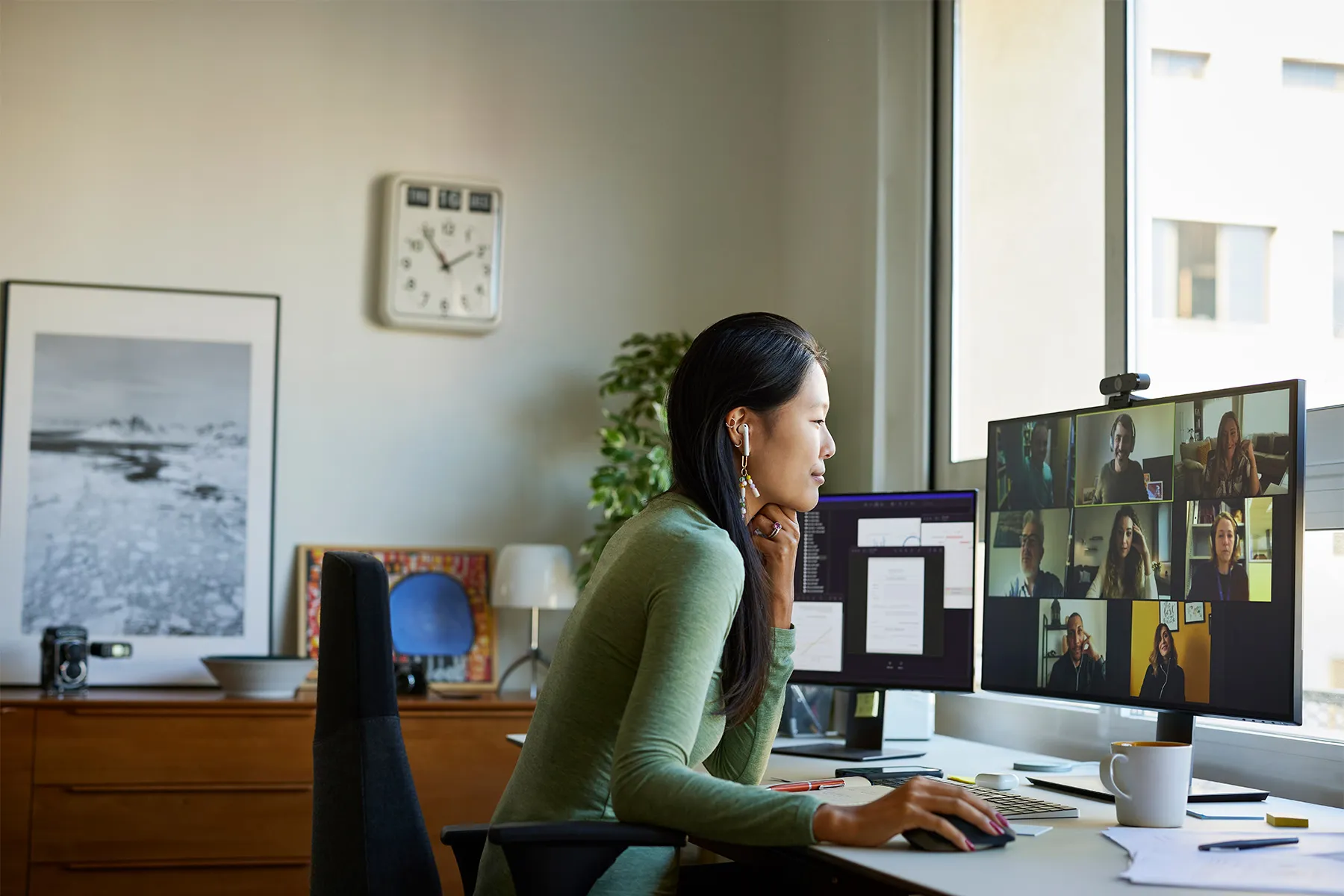
- Feeling wistful about working from home in comfy clothes
- Remembering daily walks, balcony chats, or neighbors clapping for healthcare workers
- Feeling oddly sentimental about Tiger King, Animal Crossing, baking bread, or that one puzzle you never finished
It’s not that people want the virus, the fear, or the losses back. Instead, they’re nostalgic for certain conditions lockdown createdmore time, fewer social obligations, and a sense that everyone was in the same strange story together.
Why Are People Missing Lockdown Years Later?
Life Slowed Down (Whether You Wanted It To or Not)
Before COVID hit, a lot of people were already living in permanent fast-forward: long commutes, packed calendars, constant FOMO, and a never-ending list of things to do. Lockdown slammed on the brakes. Suddenly, there were no dinners to attend, no traffic, no big events. For some peopleespecially those who could safely work from homethat sudden slowdown felt like a relief.
People talk about finally having time to cook, read, garden, or just stare out the window with a cup of coffee. That sense of “permission to do less” can be deeply soothing, especially in cultures where productivity is almost a religion. Years later, it makes sense that people look back at those pockets of calm and feel a little tug in their chest.
A Strange Sense of Togetherness
Early in the pandemic, there was a powerful feeling of being part of a global story. Videos of Italians singing from balconies, kids drawing rainbows in windows, drive-by birthday parades, and endless Zoom calls gave some people a sense of “we’re in this together.” Even though everyone was physically isolated, there was a shared emotional landscapesimilar worries, similar memes, similar home haircuts.
That collective experience rarely happens at such a global scale. Looking back, some people miss that sense of common purpose, even if they absolutely do not miss disinfecting groceries or hunting for toilet paper.
Clearer Boundaries and Simpler Choices
Lockdown simplified many decisions. You didn’t ask, “Should I go to this party, or that one, or just stay home?” You stayed home. Work was on a laptop; social events were on video calls; exercise was a walk around the block. There was anxiety and uncertainty, of coursebut there was also a strange clarity in knowing what you couldn’t do.
Today, life is messy again. Many people are juggling in-person work, hybrid schedules, social obligations, and the subtle pressure to “make up for lost time.” Compared with that, the tightly limited lockdown world can start to look oddly…clean and manageable, at least in memory.
The Comfort of Familiar Media and Rituals
If you rewatch the same shows or listen to “your pandemic playlist,” you’re not alone. Studies of music streaming during COVID found that people often turned to nostalgic songs and familiar entertainment as a way to soothe loneliness and anxiety. The same thing happened with comfort TV, retro games, and childhood snacks.
Those rituals became anchors in an uncertain timeNetflix shows you binged, podcasts you discovered, bread recipes you tried and failed, online game nights with friends. When you feel “lockdown nostalgia,” your brain may actually be missing those comforting routines and the feeling of emotional safety they created, even while the rest of life felt scary.
The Psychology of Lockdown Nostalgia
Nostalgia as an Emotional Safety Blanket
Psychologists have found that nostalgia can be surprisingly good for you. It tends to:
- Boost mood and counteract loneliness
- Increase feelings of social connectedness and belonging
- Help people feel their life has meaning and continuity
- Remind them of their strengths and values
During the pandemic, when people were anxious, isolated, and overwhelmed, looking back at positive memorieswhether pre-COVID vacations or cozy lockdown eveningshelped some people cope. That hasn’t gone away. Years later, we’re still dealing with the aftershocks: disrupted careers, lost loved ones, long COVID, and a different relationship to work and public life. Nostalgia is one way our brains try to stitch together a story that makes sense.
Rose-Colored Brains: Why We Edit the Past
Here’s the catch: nostalgia isn’t a documentary; it’s an edited highlight reel. Our brains are very good at softening the edges of painful experiences and spotlighting the good parts. Over time, you might remember the quiet walks and evenings on the couch, but not the panic-scrolling, unemployment fears, or constant case-count updates.
There’s also evidence that pandemic isolation warped our sense of time. Many people report that the lockdown months feel blurry or out of order. When we look back on that hazy period, our brain fills in the gaps, often focusing on the warm, clear momentslike laughing on a group video call or learning a new hobby. That’s part of why lockdown can feel oddly golden in retrospect, even though it was objectively stressful.
It Wasn’t the Same for Everyone
It’s crucial to remember that lockdown nostalgia is not universal. Many people would never want to revisit that period in any form. Healthcare workers, grocery staff, delivery drivers, and other essential workers faced enormous risk and exhaustion. People with long COVID are still dealing with life-altering symptoms. Parents juggled full-time childcare and remote learning on top of work. Some families lost loved ones and never truly got to say goodbye.
Even among those who feel nostalgic, the experience was uneven. A young professional working from a safe apartment with streaming services and stable income had a very different lockdown than someone in a crowded household, an unsafe living situation, or a financially precarious job. When we talk about “lockdown nostalgia,” we need to keep those differences in view.
The Upside: How Lockdown Nostalgia Can Actually Help
Lockdown nostalgia isn’t automatically a problem. In fact, it can be helpfulif you treat it as information instead of a time machine request form.
Clues About What You Really Value
Ask yourself: What exactly am I missing? Is it the quiet? The lack of commute? Daily walks? More time with your kids or partner? Less social pressure? Those answers aren’t just sentimental; they’re data points about what matters to you.
For example:
- If you miss slow mornings, maybe you need firmer boundaries around your start time now.
- If you miss simple hangouts with a small “bubble,” maybe huge social events drain you more than you realized.
- If you miss having a creative hobby, maybe it’s time to schedule it instead of waiting for “free time” to appear.
Instead of wishing for another lockdown (hard pass), you can use those longings to redesign your current life in small, intentional ways.
Reclaiming the Good Without Re-living the Bad
You don’t need a global crisis to keep some of the habits you loved. You can:
- Block off one “no plans” evening each week as your personal quiet night
- Set a mini “social bubble” of a few close friends or family members you prioritize seeing
- Limit your commute day(s) if you have hybrid work options
- Keep one simple ritual from lockdowndaily walks, Friday night takeout, virtual game nights with faraway friends
The idea isn’t to recreate lockdown, but to intentionally keep the parts that supported your well-being.
The Risks of Getting Stuck in Lockdown Nostalgia
Minimizing Other People’s Pain
One big danger of romanticizing that period is forgetting how deeply it harmed others. When someone says, “Honestly, I kind of miss lockdown,” it can land painfully for people who lost loved ones, jobs, health, or homes. It’s totally valid to remember your own cozy momentsbut it’s also important to hold space for the fact that, for many, those years were pure survival.
Avoiding Today’s Problems
If you constantly think, “Things were better in lockdown,” you might be using nostalgia as a way to escape current stress: job dissatisfaction, relationship issues, financial worries, or burnout. That’s understandablelife is a lotbut it can keep you from making changes in the present.
Nostalgia should be a place you visit, not a place you try to live. If you notice yourself checking out of everyday life to mentally move back into 2020, it might be time to talk to a therapist or trusted friend about what feels overwhelming now.
Creating an Invisible “Us vs. Them”
There’s also a subtle social risk. Some pieces of lockdown nostalgia sound like, “We all watched this,” or “We were all stuck at home together.” That “we” can erase people whose experiences didn’t fit that storyessential workers, people in crowded housing, those in abusive situations, or communities hit hardest by COVID and economic fallout.
A healthier approach: talk about lockdown nostalgia as your experience, not a universal one. “I weirdly miss…” is very different from “Remember how we all loved…”
How to Use Lockdown Nostalgia in a Healthy Way
1. Name It Without Judging It
Start by simply acknowledging: “I’m feeling lockdown nostalgia.” You don’t have to scold yourself for it. Humans are complicated. We can feel grateful to have moved past the pandemic emergency stage and still miss certain moments from that time.
2. Get Specific About What You Miss
Instead of thinking “I miss lockdown,” dig deeper:
- “I miss walking around my neighborhood every evening.”
- “I miss having fewer social obligations and more time at home.”
- “I miss long phone calls with friends who now seem busy again.”
Once you know the specifics, it’s easier to re-create those feelings without needing a global shutdown.
3. Translate Nostalgia into Action
Turn your reflections into small, concrete changes:
- Schedule weekly walks or quiet time.
- Say “no” to one extra commitment each week.
- Revive a simple “lockdown-era” rituallike Sunday pancakes, family board games, or group video calls.
- Recommit to a creative hobby that supported your mental health.
Think of your nostalgic feelings as messages from your past self, reminding you what helped you feel grounded.
4. Balance Gratitude with Honesty
It’s possibleand healthyto hold two truths at once:
- The pandemic and lockdowns caused immense suffering and loss.
- You personally had some meaningful, even beautiful experiences during that time.
Honoring your own memories doesn’t require erasing anyone else’s pain. When you talk about lockdown nostalgia, you can say, “I know it was awful in many ways, but for me, there were also some moments of closeness and calm that I miss.” That kind of nuance keeps the conversation grounded and compassionate.
Experiences and Reflections on “Lockdown Nostalgia”
To really understand lockdown nostalgia, it helps to zoom in on how it shows up in everyday life. For many people, it arrives in small, unexpected flasheslike when the office suddenly feels overwhelming, or when a news story mentions “March 2020” and you’re instantly transported back to your living room, rearranging furniture for your first Zoom meeting.
Imagine a young couple who spent lockdown in a small apartment. They remember the stress: worrying about older relatives, wiping down groceries, refreshing case numbers. But they also remember slow evenings cooking together, teaching each other recipes, binge-watching shows, and finally talking about their future in a way they’d always been “too busy” to do before. Now, years later, their lives are hectic again. When one of them sighs and says, “Sometimes I miss those days,” they’re not wishing for the fear backthey’re wishing for that sense of togetherness and time.
Or picture a college student who had to move back in with their parents during lockdown. It was frustrating and lonely in some ways. But they also remember family walks, board games coming out of retirement, and unhurried conversations over dinner. Today, living in a different city with a packed schedule, they feel a pang of nostalgia when they pass a park where people were once spaced out on blankets, trying to socialize at a distance. The memory has softened; what remains is the warmth of feeling cared for and connected.
Then there’s the person whose mental health actually improved during lockdown. Before the pandemic, they felt intense pressure to attend every social event, perform at work, and keep up appearances. Suddenly, the world’s expectations dropped. Staying home wasn’t “antisocial”; it was responsible. That shift gave them room to breatheand to realize that they prefer smaller gatherings, quieter spaces, and slower days. Today, lockdown nostalgia shows up as a reminder that they’re allowed to design a life that fits their energy, not just everyone else’s.
Of course, there are also people for whom lockdown is a place they never want to revisit, even in memory: healthcare workers who saw far too much, people who lost loved ones and couldn’t say goodbye in person, workers who lost jobs, and those still living with long COVID. For them, the very idea of “missing lockdown” can feel painful or dismissive. That’s why it’s so important to treat lockdown nostalgia as a deeply personal experienceone that depends heavily on privilege, circumstances, and luck.
If you notice lockdown nostalgia in yourself, try using it as a gentle prompt rather than a harsh judgment. You might journal about what you miss, talk with friends who feel similarly, or even deliberately recreate one small thing you lovedlike an at-home movie night with the same snacks you used back then. At the same time, you can practice gratitude for the fact that we have vaccines, open borders, and the ability to gather again, even if life now feels a little too loud.
In the end, what’s behind lockdown nostalgia is not a desire to go back to a global crisis. It’s a desire to reclaim the parts of that strange season that made us feel connected, rested, or more fully ourselves. We don’t need another lockdown to do that. We just need to listen to what our nostalgia is trying to tell usand carefully weave those lessons into the way we live now.