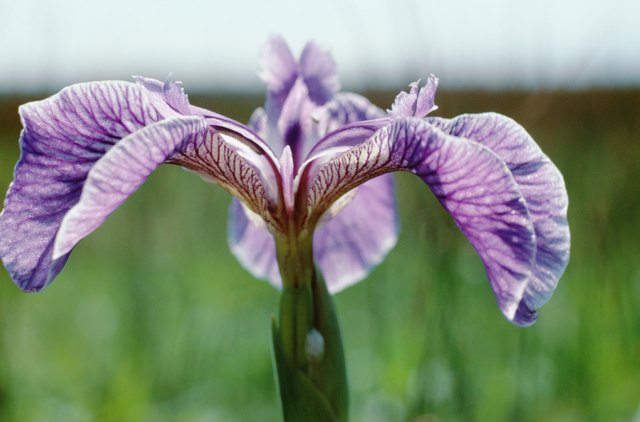
Irises are the kind of plant that look like they require a monocle and a formal invitation… yet they’ll happily thrive on sunshine, decent drainage, and the occasional intervention when they start acting like a crowded subway. If you’re wondering when to dig up iris bulbs, you’re really asking one of two questions: When should I lift and divide them? or When should I dig them to move/store them? Let’s nail both.
First: a quick (important) iris truthmany “iris bulbs” aren’t bulbs
A lot of the most popular irisesespecially bearded irisgrow from rhizomes (thick, horizontal stems that sit at or near the soil surface). Other irises are truly bulbous, like Dutch iris and iris reticulata. Timing is similar in spirit (wait for the plant to finish its big show), but the details matter.
How to tell what you have (fast)
- Bearded iris (rhizome): chunky “ginger-like” pieces near the surface; often partly visible.
- Siberian/Japanese-type (rhizome clumps): fibrous, grass-like fans in a tighter crown; rhizomes aren’t usually exposed.
- Dutch/reticulata (bulbs): teardrop bulbs planted deeper; foliage often dies back earlier and more cleanly.
The best time to dig up and divide bearded iris (rhizomes)
For the classic, ruffled, bearded types, the “sweet spot” is about 4–8 weeks after flowering, when plants slow down and the weather is warm enough to help cuts dry (but not so late that roots can’t re-establish before cold weather). In much of the U.S., that lands in July and August, sometimes stretching into early September in milder areas.
Another practical rule: finish digging and replanting at least 4–6 weeks before your first hard frost. Irises aren’t asking for a long runwayjust enough time to put out fresh roots so they don’t wobble around all winter like a table with one short leg.
Regional timing cheat sheet (U.S.)
- Upper Midwest / Northern Plains / New England: mid-July through August is prime time.
- Mid-Atlantic / Midwest: late July through late August is usually ideal.
- South / Lower elevations: July through September often works (aim earlier if late summers are very wet).
- Coastal / mild-winter regions: August into September can be finestill respect the “weeks before frost” idea.
Signs it’s time (your iris is basically texting you in all caps)
- Fewer blooms than in past years, even though foliage looks okay.
- Overcrowding: a tight mass of fans, with rhizomes stacking or creeping out of the ground.
- A “donut” clump: healthy growth around the edges and a tired, woody middle that barely blooms.
- More disease/rot (mushy spots, bad odor) or obvious pest damage.
- It’s been 3–5 years since the last divide (many bearded iris benefit from that rhythm).
What about beardless irises (like Siberian)? Timing can change
Not all irises love the same calendar. For example, Siberian iris is often divided in early spring when new growth just begins. That timing helps the plant rebound quickly before summer heat arrives. If you’re unsure what type you have, the foliage is your clue: Siberians look more like ornamental grasses than like the broad, thick fans of bearded iris.
If your goal is simply to move an iris clump (not multiply it), you still want to avoid peak bloom. Choose a cooler stretch of weather and keep roots moist during the move.
When to dig up bulbous iris (Dutch iris, iris reticulata)
For bulbous irises, the timing revolves around foliage. The bulbs need green leaves to photosynthesize and recharge for next year’s flowers. So the general rule is: wait until flowering is done and foliage yellows/dies back, then dig if you need to lift, divide, or store.
Dutch iris (Iris hollandica)
- If summers are dry and well-drained, Dutch iris bulbs can often stay put for years.
- If summers are wet/humid or soil stays soggy, digging after leaves yellow can reduce rot risk.
- When lifting, dry bulbs in a shaded, airy spot, then store in breathable containers until fall planting.
Iris reticulata (early spring mini iris)
Reticulata foliage tends to fade quickly after blooming. If clumps become overcrowded or blooms shrink, division is typically done as foliage is dying back (often late spring into early summer, depending on region), or later in summer when bulbs are dormant.
Step-by-step: digging and dividing bearded iris (the “don’t panic” method)
This is the part where gardeners either feel powerful… or realize their shovel has been living a sedentary lifestyle. Take it slow. You’re not defusing a bombjust untangling one.
1) Pick the right day
- Choose a dry day if possible. Wet soil clings, and wet rhizomes are more prone to rot.
- Morning or late afternoon is kinder than high noon in July (your irises won’t judge you for sweating).
2) Prep your tools and label your varieties
- Garden fork or spade, clean knife/pruners, gloves, and something to label with (tags + permanent marker).
- If you have multiple varieties, label before you lift. “I’ll remember which is which” is a famous last sentence.
3) Cut foliage back
Trim leaf fans to roughly 6–8 inches (or about one-third of their height). This reduces water loss and makes digging easierlike giving your plant a practical haircut instead of a dramatic makeover.
4) Lift the clump and clean it
- Loosen soil around the clump, then lift from underneath.
- Shake off soil and rinse lightly so you can see the rhizomes clearly.
5) Divide and select “keeper” rhizomes
- Look for firm, healthy rhizomes with a fan (or bud) and roots.
- Discard the old center sections that are leafless and woody (they’re usually past their prime).
- Cut away any mushy, smelly, or borer-damaged parts. Don’t compost questionable piecestrash them.
6) Let cuts dry briefly (optional but helpful)
If you made fresh cuts, letting rhizomes sit in a shaded, airy spot for a few hours can help surfaces dry. Many gardeners replant the same day; the key is avoiding waterlogged conditions.
7) Replant correctly (depth matters more than enthusiasm)
- Choose full sun and excellent drainage.
- Make a small mound in the planting hole; spread roots over it.
- Set bearded iris rhizomes at or near the surfaceoften with the top slightly exposed.
- Space plants about 12–18 inches apart (more for very vigorous varieties).
- Water in, then keep soil lightly moist until establishednever swampy.
Aftercare: what to do after you dig up iris bulbs/rhizomes
Keep the “solar panels” when you can
After blooming, remove spent flower stalks, but keep green leaves as long as they look healthy. Leaves help feed next year’s bloom. If foliage gets leaf-spotty or ragged later in summer, trimming is finejust don’t scalp the plant.
Go easy on mulch and nitrogen
Bearded iris in particular dislike heavy mulching directly over rhizomes because it can encourage rot. And if you’ve ever seen an iris produce incredible leaves and zero flowers, congratulationsyou’ve met the “too much nitrogen” problem.
Watch for rot and borers
If you smell something that can only be described as “compost cologne,” check rhizomes immediately. Soft rot can move fast in warm weather. Good airflow, sun, and sanitation go a long way.
Quick answers (because sometimes you just want the headline)
- Bearded iris: dig/divide 4–8 weeks after bloomusually July–Augustand replant 4–6 weeks before hard frost.
- Siberian iris: often best divided in early spring as new growth starts.
- Dutch iris bulbs: dig only if needed, typically after foliage yellows/dies back (especially in wet-summer soils).
- Iris reticulata bulbs: divide when foliage is fading or when bulbs are dormant later in summer.
Common “why didn’t it bloom?” mistakes after dividing
- Planted too deep: bearded iris rhizomes sulk when buried.
- Too much shade: irises tolerate some shade, but bloom best with strong sun.
- Overwatering or poor drainage: rhizomes/bulbs + soggy soil = rot risk.
- Divided too late: plants may survive, but bloom can drop the following year if roots didn’t establish.
Garden experiences (about ): what it feels like in real life to dig and divide irises
Most gardeners don’t remember the first time they bought a shovel. They do remember the first time they divided irisesbecause it’s equal parts satisfying, confusing, and weirdly empowering. One common experience is discovering that the iris bed you thought was “a nice little clump” is actually a layered lasagna of rhizomes. You lift one fan, and suddenly you’re holding a tangled, living jigsaw puzzle with bonus dirt confetti.
Another real-world moment: labels. Or, more accurately, the lack of them. Gardeners often swear they’ll keep varieties organized, then set “just one” unlabeled rhizome down, and two minutes later everything looks the same. The next spring becomes a surprise reveal party: “Is this the purple one I loved, or the purple one that smells faintly of disappointment?” A practical habit many people adopt is labeling the fan or tying a temporary tag to the “keeper” rhizome before anything gets moved. It feels fussyuntil it saves you from playing floral roulette.
Weather can turn iris dividing into a comedy sketch, too. In hot regions, midsummer digging can feel like gardening on a stovetop. You learn quickly to work early, stash rhizomes in the shade, and keep a drink nearby. In wetter climates, the challenge flips: soil sticks to everything, cuts stay damp, and you suddenly understand why gardeners obsess over drainage. Many people end up amending the new planting area firstloosening soil, adding organic matter if needed, and creating a slight mound so the rhizome top can stay drier.
Then there’s the “sniff test,” a rite of passage. Healthy rhizomes are firm and mostly odorless. But if you hit a soft, smelly section, you learn two things at once: (1) rot is real, and (2) you should not, under any circumstances, pretend it’s fine and replant it “just in case.” Gardeners often describe a burst of confidence after they’ve cleaned and trimmed properlycutting back to healthy tissue, discarding the bad parts, and realizing they just did plant surgery without panicking.
Finally, the most consistent experience: generosity. Dividing irises creates “extra” plants fast. Many gardeners end up sharing rhizomes with neighbors, swapping varieties with friends, or replanting in new spots to build a repeated color rhythm through the yard. Irises are one of those plants that reward actiondig at the right time, replant correctly, and the next year’s bloom often looks like the garden saying, “Okay, fine. You were right.”