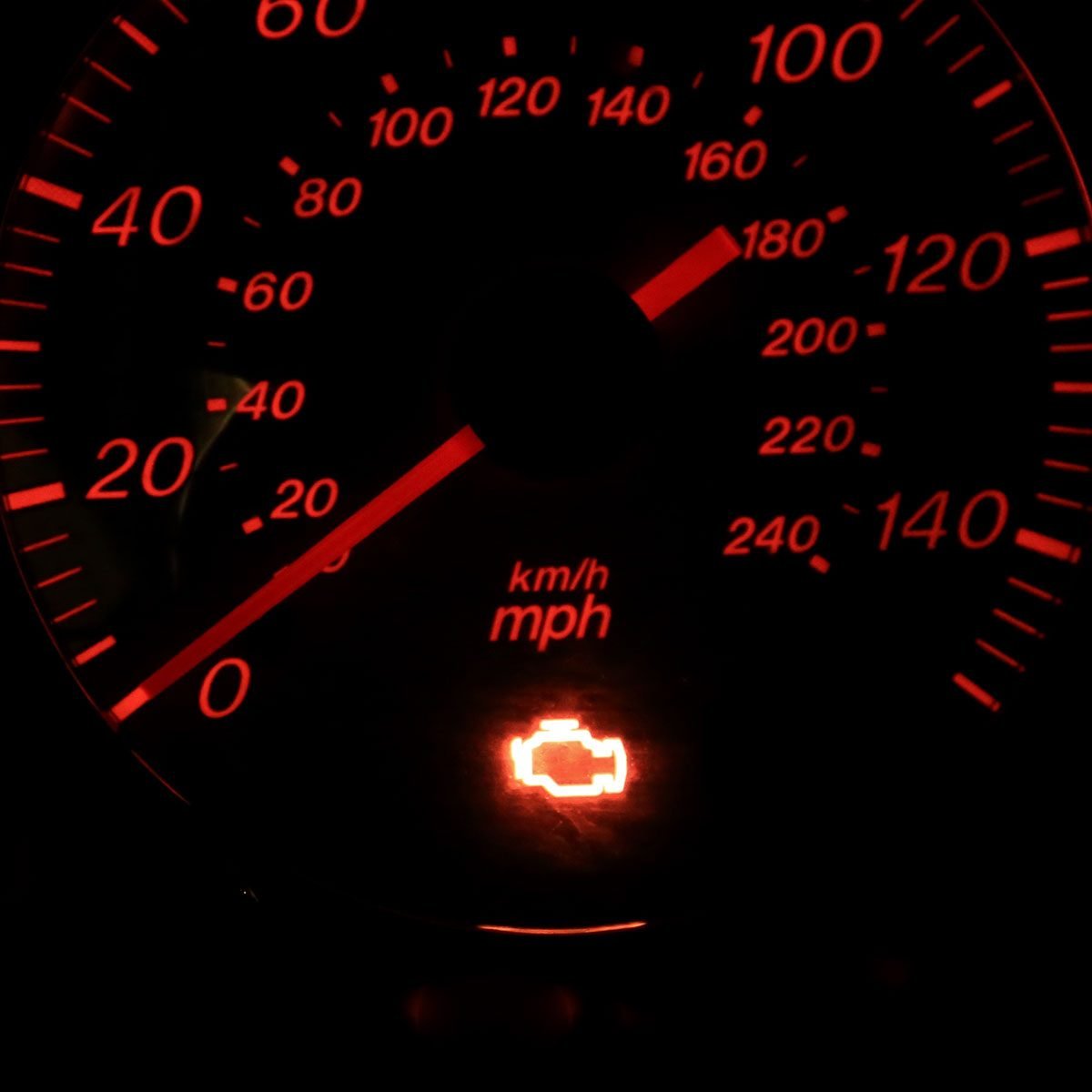
Your check engine light is basically your car’s way of sliding a note under the door that says, “We need to talk.” Not “We need to panic,” not “Sell me for parts,” just… talk. Sometimes it’s a loose gas cap. Sometimes it’s a more serious issue that can cook expensive parts if you keep driving like nothing’s happening. The trick is knowing which situation you’re infast.
In this guide, we’ll break down what that glowing engine icon actually means, the most common reasons it turns on, what you should do in the first five minutes, how to read diagnostic trouble codes (without needing an engineering degree), and when it’s time to stop driving and call for help.
What the Check Engine Light Really Means (and Why Cars Even Have It)
The “check engine light” is also called the Malfunction Indicator Lamp (MIL). It’s tied to your car’s onboard diagnostics system (commonly known as OBD-II). Think of OBD-II as the car’s built-in hall monitor: it watches sensors and systemsespecially emissions-related onesand turns on the MIL when something isn’t behaving within expected limits.
Here’s the important part: the light doesn’t tell you exactly what’s wrong. It tells you the car detected a fault and stored a Diagnostic Trouble Code (DTC). That code is the breadcrumb trail. Without it, you’re guessing.
First: Is the Check Engine Light Steady or Flashing?
Steady Check Engine Light
A steady light usually means the car detected an issue that needs attention soon, but it’s often not an immediate “pull over right now” emergency. You can typically drive carefully to a safe place or a repair shopespecially if the car feels normalthough you shouldn’t ignore it for weeks.
Flashing Check Engine Light
A flashing check engine light is the car raising its voice. This frequently points to an active misfire that can dump unburned fuel into the exhaust. That’s bad news for your catalytic converter (and your wallet). If the light is flashing, reduce speed, avoid hard acceleration, and pull over as soon as it’s safe. If the vehicle is running rough, towing is often the smartest move.
The 5-Minute Triage Checklist
Before you go down an internet rabbit hole where every comment ends with “engine swap,” do these quick checks:
- Check how the car feels: Is it shaking, low on power, stalling, or jerking?
- Look at other warning lights: Temperature, oil pressure, or battery warnings alongside the MIL can change the urgency.
- Smell and listen: Strong fuel smell, burning odor, or loud knocking means “stop investigating” and “start being safe.”
- Check the gas cap: If you recently fueled up, make sure it’s tight and the seal looks okay.
- Plan your next stop: If steady and drivable, head to diagnostics soon. If flashing or running badly, pull over and arrange help.
Common Reasons Your Check Engine Light Is On
The MIL can come on for dozens of reasons, but many causes fall into a few familiar categories. Below are the most common culprits, what they typically look like in real life, and what to do next.
1) Loose, Damaged, or Missing Gas Cap (EVAP System Leak)
Yes, it’s the classic. Your gas cap helps seal the fuel system so fuel vapors don’t escape. If the cap is loose, cracked, or the seal is worn, the car can detect an EVAP leak and turn the light on.
What you might notice: Often… nothing. The car may run perfectly fine.
What to do: Tighten the cap until it clicks. If the cap looks worn, replace it. Don’t expect the light to shut off instantlysome cars need a few drive cycles before it clears.
2) Faulty Oxygen (O2) Sensor
Oxygen sensors measure oxygen content in the exhaust so the engine computer can adjust fuel mixture. When an O2 sensor gets lazy or fails, fuel economy can drop and emissions can rise. If you ignore it, you risk stressing other parts (including the catalytic converter) over time.
What you might notice: Worse gas mileage, occasional rough running, sometimes no obvious symptoms.
What to do: Get the code read. O2 sensor codes are common, but there can be upstream causes (exhaust leaks, fuel trim problems) that need addressing too.
3) Engine Misfire (Spark Plugs, Ignition Coils, Injectors, or Fuel Issues)
A misfire is when a cylinder doesn’t burn fuel properly. Mild misfires can feel like a shudder; severe misfires can flash the check engine light. This is one of the most important problems to treat seriously because it can overheat the catalytic converter quickly.
What you might notice: Rough idle, shaking, hesitation, reduced power, or a blinking MIL.
What to do: If it’s flashing, stop driving as soon as it’s safe. If steady but running rough, avoid long trips and get diagnostics ASAP. A simple tune-up item (like plugs) can be the fixbut you want to confirm before you start swapping parts like you’re playing automotive bingo.
4) Mass Airflow (MAF) Sensor Problems or Intake Leaks
The MAF sensor helps measure incoming air so the engine can deliver the right amount of fuel. If it’s dirty, failing, or there’s an air leak in the intake system, the engine can run lean or rich and set codes.
What you might notice: Stalling, rough idle, sluggish acceleration, or inconsistent performance.
What to do: Read the codes and look at live data if possible. Sometimes careful cleaning helps, but leaks, wiring issues, or a failing sensor can mimic each other.
5) Catalytic Converter Efficiency Issues
The catalytic converter reduces harmful emissions. When the computer sees the converter isn’t doing its job, you might get a code like P0420 (common in many vehicles). But here’s the twist: the converter itself may not be the root causemisfires, O2 sensor issues, or exhaust leaks can trigger catalyst efficiency codes too.
What you might notice: Sometimes nothing. In worse cases, loss of power, sulfur/“rotten egg” smell, or poor acceleration.
What to do: Don’t guess. Catalyst-related repairs can be expensive, so proper diagnosis matters.
6) EVAP System Components (Purge Valve, Vent Valve, Hoses)
If your gas cap is fine, the EVAP system can still have leaks or component failures. Small leak codes are common. The car may run normally, but you can fail emissions inspection if the MIL stays on.
What you might notice: Usually no drivability symptoms; sometimes fuel smell or rough idle if a purge valve sticks open.
What to do: Codes and smoke testing help pinpoint leaks. This is where “replace random hoses and hope” becomes a lifestyle choicenot a diagnostic strategy.
7) Thermostat or Coolant Temperature Sensor Issues
Your engine needs to reach and maintain the right operating temperature. If the thermostat sticks open (or the sensor lies), the engine may run too cool, which can affect emissions and fuel economy and trigger the check engine light.
What you might notice: Temperature gauge behaving oddly, heater performance issues, poorer mileage.
What to do: Read codes and check actual coolant temperature data if available.
8) “It Runs Fine” but the Light Is On (Yes, That Happens)
Many check engine light triggers are emissions- or sensor-related and don’t immediately change how the car drives. That’s why the MIL can feel like a prank: “Everything is normal… except this glowing warning symbol.”
Still, “runs fine” doesn’t mean “ignore forever.” Some small issues grow into bigger ones, and a persistent MIL can cause an emissions test failure in many states.
How to Find the Real Reason: Read the Codes (OBD-II)
If you take nothing else from this article, take this: the check engine light is a code problem. Your next step is to retrieve those codes using an OBD-II scanner/code reader.
Where the OBD-II Port Is
In most vehicles, the OBD-II port is under the dashboard near the steering column (sometimes near the center console). It’s a 16-pin trapezoid-shaped connector. Once you find it, you can plug in a scanner.
How to Read Codes (Basic Process)
- Turn the ignition to ON (engine off, unless scanner instructions say otherwise).
- Plug in the scanner.
- Follow prompts to read stored codes (and sometimes pending codes).
- Write down the codes exactly (example: P0301, P0420, P0456).
- Use the codes to guide diagnosisdon’t treat the code description like a final verdict.
What the Code Format Means (Quick Decoder Ring)
Most codes look like a letter followed by four numbers. Commonly: P = powertrain (engine/transmission), B = body, C = chassis, U = network/communication. The first digit also helps tell if it’s a standardized code or manufacturer-specific.
Examples of Common Check Engine Light Codes (and What They Often Point To)
- P0300 / P0301–P0308: Random misfire or cylinder-specific misfire (plugs, coils, injectors, compression, fuel).
- P0420: Catalyst efficiency below threshold (converter, O2 sensors, misfires, exhaust leaks).
- P0171 / P0174: System too lean (vacuum leak, MAF issues, fuel delivery problems).
- P0456 / P0440 / P0455: EVAP leak (gas cap, hoses, purge/vent valves, charcoal canister).
- P0128: Coolant thermostat (cool engine running; thermostat or temp sensor issues).
Codes help narrow the investigation, but good diagnosis considers symptoms, basic checks, and sometimes live data. For example, a P0420 doesn’t automatically mean “buy a catalytic converter today.” It means “confirm why the system thinks catalyst efficiency is low.”
Should You Reset the Check Engine Light?
Resetting the light without fixing the cause is like putting tape over a “low tire” warning and calling it maintenance. The light may come back, and you’ll lose useful “freeze frame” information (snapshots of sensor data at the time the code set). Also, clearing codes can reset readiness monitors, which can complicate emissions testing.
When It’s Safe to Drive (and When It’s Not)
Usually OK to Drive Briefly (with Caution)
- Light is steady (not flashing).
- The car drives normally (no shaking, no power loss, no stalling).
- No overheating, oil pressure, or other critical warning lights.
Stop Driving / Seek Help Immediately
- Check engine light is flashing.
- Severe rough running, loss of power, or loud mechanical noises.
- Overheating, oil pressure warning, or smoke/strong burning smells.
How to Avoid the “Guess-and-Replace” Trap
The internet loves a quick fix. Real life loves accurate diagnosis. If you want to spend less and fix it faster, avoid these common mistakes:
- Don’t buy parts based on a code alone: The code points to a system, not always the failed part.
- Don’t ignore a flashing light: You can turn a manageable repair into an expensive one.
- Don’t overlook basics: Loose connectors, cracked hoses, damaged gas cap sealssimple things matter.
- Don’t clear codes as your “repair plan”: It usually just delays the real fix.
Maintenance Habits That Help Prevent Surprise Check Engine Lights
- Tighten the gas cap until it clicks after fueling.
- Keep up with spark plug replacement intervals.
- Address minor drivability issues early (hesitation, rough idle, poor mileage).
- Fix small vacuum leaks and intake issues before they snowball into lean codes.
- Don’t ignore misfiresyour catalytic converter will remember.
Real-Life Experiences: “Why Is My Check Engine Light On?” (500+ Words)
If you’ve ever had a check engine light come on, you know the emotional journey goes something like this: Denial → Bargaining → Googling → Weird peace → Mild panic → Appointment scheduling. And yes, I’ve lived through enough of these to confirm: the light always appears at the least convenient time, like when you’re already late or halfway through a road trip with snacks that are not returnable.
One of the most common “movie plot twists” is the gas cap situation. You fill up, you drive off, and the next day the MIL turns on like it’s accusing you of crimes against machinery. The car runs perfectly. No shaking. No drama. Just the glowing icon. You check forums. Someone says, “Totaled. Scrap it.” Another says, “It’s your O2 sensor, definitely.” Then you tighten the gas cap until it clicks andafter a couple drive cyclesthe light disappears. It’s the automotive version of “Did you try turning it off and on again?”
Then there’s the “it’s flashing” experience, which is a whole different genre: horror. A friend once described it as the car “shivering violently while screaming silently.” The engine started stumbling during acceleration, the light began blinking, and suddenly every mile felt like a gamble. The correct move was pulling over, shutting it down, and getting it towed. The fix ended up being an ignition coil and spark plugsannoying, but not catastrophic. The important lesson: that tow bill is often cheaper than what happens if you keep driving and roast the catalytic converter.
Another classic moment: the “runs fine, but I failed emissions” surprise. People assume emissions testing is about whether the car smells like exhaust and regret. But in many places, if the MIL is commanded onor if readiness monitors aren’t set because codes were recently clearedyou can fail. That’s why clearing the light right before an inspection is like brushing your teeth while eating Oreos and calling it a makeover. It may look better briefly, but the underlying situation hasn’t improved.
My favorite experience category is “the code reader era.” The first time someone plugs in a basic OBD-II scanner, there’s a burst of hope: “Finally, answers!” Then the scanner spits out something like P0171 (system too lean), which is less of an answer and more like your car saying, “I’m unhappy in a general direction.” But that’s still progress. With a little research and logic, you can look for common causes: vacuum leaks, intake hose cracks, a dirty MAF sensor, or fuel delivery issues. In one case, a tiny cracked intake boot that cost less than a dinner for two was the culprit behind weeks of annoying hesitation.
And sometimes, the experience is simply learning that modern cars are sensitive by design. A sensor can report a value out of range, the computer flags it, and the MIL comes oneven if the car still drives. It’s not always a sign of doom; it’s often a sign you should stop ignoring the “small stuff” so it doesn’t become the “large stuff.” In other words: treat the check engine light like a calendar invite from your car. You don’t have to panic. You do have to show up.
Conclusion
When you’re asking “Why is my check engine light on?” the best answer is always the same: because your car stored a code. Start by checking whether the light is steady or flashing, assess how the car feels, and read the OBD-II codes before you replace anything. A loose gas cap might be the whole storyor it might be a misfire, sensor failure, or emissions problem that needs attention. Either way, a calm, code-based approach saves money, protects your engine, and keeps your stress level somewhere below “doom-scrolling mechanic forums at midnight.”