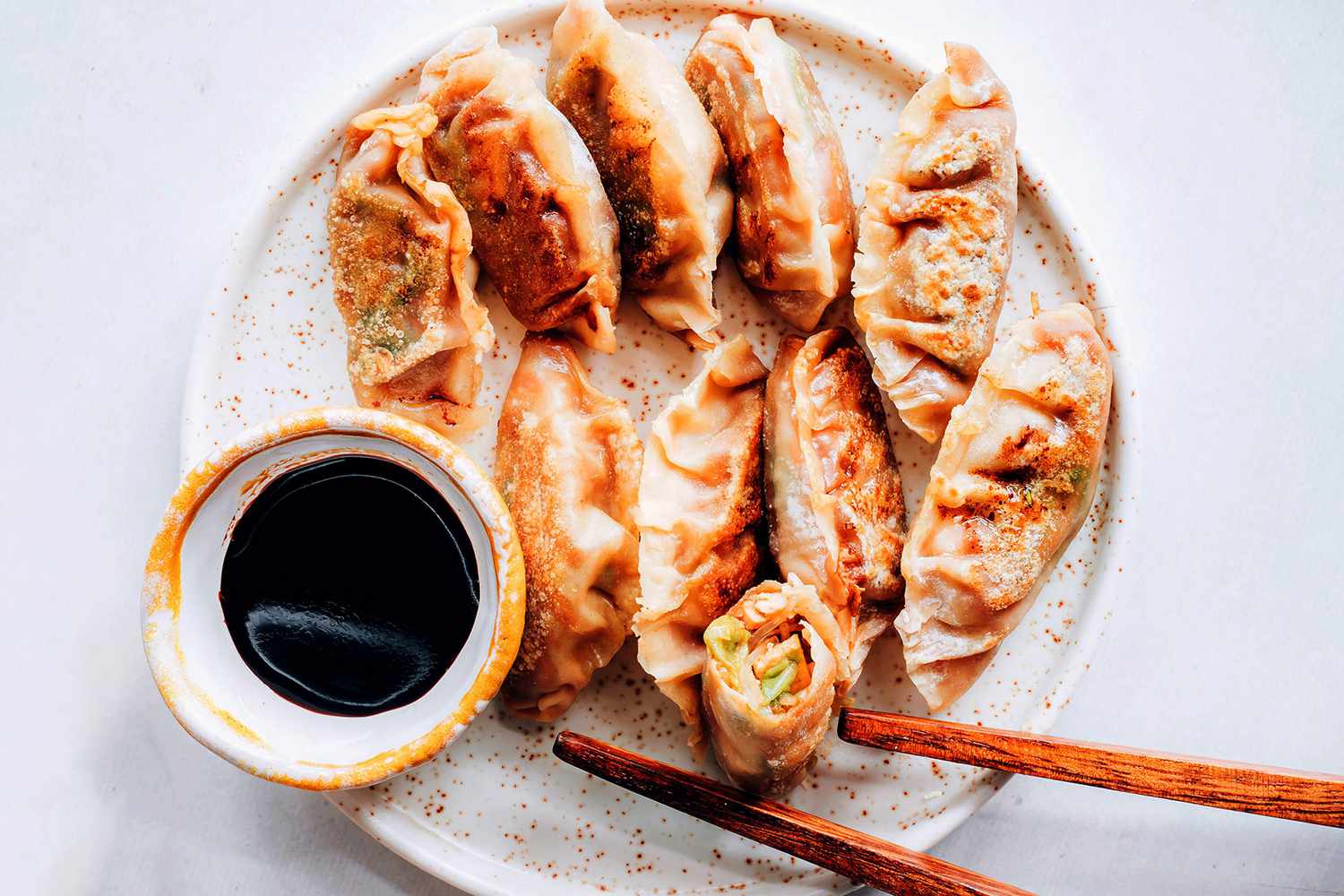
Dumplings are basically tiny edible love letters. And yachae mandooKorean vegetarian dumplings
are the kind of love letter that shows up with a perfectly crisp bottom, a juicy veggie-and-tofu center, and a dipping sauce
that makes you “accidentally” eat 12 before dinner.
This recipe is designed for real life: weeknight-friendly steps, flexible vegetables, and freezer instructions so Future You
can have dumplings on demand (which is the adult version of winning the lottery). We’ll focus on the core technique that
makes yachae mandu great: flavor + moisture control. Because delicious dumplings are wonderful; soggy dumplings are… a life lesson.
What Is Yachae Mandoo?
Mandu is the Korean umbrella term for dumplings, and yachae means vegetables. Yachae mandu fillings
vary by household, but typically include a mix of vegetables (often cabbage, zucchini, mushrooms, carrots, chives/green onion),
plus tofu for body and dangmyeon (Korean sweet potato glass noodles) for that lightly chewy, “very Korean” bite.
Some versions use egg as a binder; this one stays vegetarian and can easily be made vegan.
The best part: once you’ve wrapped them, yachae mandoo can be steamed, boiled, pan-fried, deep-fried, or added to soup.
One batch, many moods.
Key Technique: Moisture Management (A Dumpling’s Make-or-Break Moment)
Vegetables are full of water. Dumpling wrappers are basically flour-and-water jackets. If you trap too much moisture inside,
you risk filling that turns watery, wrappers that tear, or dumplings that burst open like they’re trying to escape your kitchen.
The fix is simple and very worth it:
- Salt watery vegetables (like cabbage and zucchini) to draw out liquid, then squeeze them dry.
- Press the tofu so it doesn’t leak water into the filling.
- Lightly sauté aromatics and/or vegetables to evaporate extra moisture and concentrate flavor.
Ingredients and Smart Substitutions
Dumpling Wrappers
Look for round mandu wrappers (often about 5 inches). In many U.S. groceries, gyoza wrappers work well too.
Keep wrappers covered with a lightly damp towel while you work so they don’t dry out and crack.
Tofu
Use firm or extra-firm tofu. Pressing it removes excess water and helps it act like a gentle “glue” for the filling.
No tofu press? Paper towels + a heavy plate works.
Dangmyeon (Glass Noodles)
These noodles are made from sweet potato starch. Cook them until tender, rinse, drain well, then chop into short pieces so the filling
is easy to scoop and seal.
Vegetables
Classic choices include cabbage, zucchini, mushrooms, carrots, and chives/green onions. You can also use spinach or kalejust blanch briefly,
squeeze dry, and chop fine. (The theme is consistent: dry is your friend.)
Yachae Mandoo Recipe
Yield: About 40 dumplings | Time: ~60–90 minutes (faster with a helper or a podcast)
Ingredients
- 40 round dumpling wrappers (mandu or gyoza style)
- 4 oz dangmyeon (sweet potato glass noodles)
- 14 oz firm tofu
- 2 cups finely chopped napa cabbage (or green cabbage)
- 1 cup finely chopped zucchini
- 1 cup finely chopped mushrooms (shiitake preferred; cremini works)
- 1/2 cup grated carrot
- 3 green onions, thinly sliced (or 1/2 cup chopped garlic chives if available)
- 2–3 cloves garlic, minced
- 1–2 tsp grated ginger (optional but excellent)
- 2 tbsp soy sauce (plus more to taste)
- 1 tbsp toasted sesame oil
- 1 tbsp neutral cooking oil (for sautéing)
- 1/2 tsp kosher salt (plus more for salting vegetables)
- 1/4 tsp black pepper
- Optional binder: 1 egg, lightly beaten (skip for vegan)
- Optional umami boost: 1–2 tsp toasted sesame seeds or 1 tsp mushroom powder
Quick Dipping Sauce (Mandu Ganjang)
- 2 tbsp soy sauce
- 1 tbsp vinegar (rice vinegar or white vinegar)
- 1 tbsp water
- 1 tsp sugar (or honey if not vegan)
- 1 tsp toasted sesame seeds
- 1 tbsp chopped green onion
- Optional heat: pinch of gochugaru (Korean red pepper flakes)
Step-by-Step Instructions
1) Cook and Prep the Dangmyeon
- Cook dangmyeon according to package directions until tender.
- Rinse under cold water, drain thoroughly, and pat dry if needed.
- Chop into short pieces (about 1/2 inch). Long noodles = hard-to-seal dumplings.
2) Press the Tofu (Non-Negotiable If You Want Non-Soggy Dumplings)
- Wrap tofu in paper towels or a clean kitchen towel.
- Set a heavy plate or cutting board on top and press 15–30 minutes.
- Crumble the tofu into a large mixing bowl.
3) Salt, Rest, and Squeeze the Watery Vegetables
- Place chopped cabbage in a bowl, sprinkle with salt, and toss.
- Do the same with chopped zucchini in a separate bowl.
- Let both sit 15 minutes, then squeeze out as much water as possible (hands are best tools here).
4) Sauté for Flavor and Extra Dryness
- Heat neutral oil in a skillet over medium-high heat.
- Sauté mushrooms with a pinch of salt until their moisture cooks off and they smell rich and savory.
- Add garlic and ginger for the last 30 seconds (just until fragrant).
- Optionally, briefly stir-fry the squeezed cabbage/zucchini for 1–2 minutes to drive off any remaining water. Cool slightly.
5) Mix the Filling
- To the tofu bowl, add chopped dangmyeon, cabbage, zucchini, mushrooms, carrot, and green onion.
- Season with soy sauce, sesame oil, black pepper, and any optional umami boosters.
- If using egg, mix it in last to help bind (skip for veganpressed tofu + chopped noodles usually do the job).
- Taste-test by microwaving a teaspoon of filling for 20–30 seconds. Adjust salt/soy sauce as needed.
6) Wrap the Dumplings (Two Easy Shapes)
Set up a small “wrapping station”: wrappers covered with a damp towel, a small bowl of water, filling, and a tray lightly dusted with flour/cornstarch.
Option A: Simple Half-Moon (Beginner-Friendly)
- Place a wrapper in your palm.
- Add about 1 tablespoon filling slightly off-center.
- Dip a finger in water and moisten the wrapper edge.
- Fold in half, press out air, and seal firmly from one end to the other.
Option B: Pleated “Party Dumpling” (Still Easy, Looks Fancy)
- Fold wrapper in half over filling to form a half-moon.
- Pinch one corner shut, then make small pleats on the top edge while pressing against the flat bottom edge.
- Work toward the center, then repeat from the other side toward the center.
- Press the whole seam again to check for gaps.
Pro tip: If sealing feels hard, you likely have too much filling. Use slightly less. Dumplings reward restraint.
How to Cook Yachae Mandu (Choose Your Adventure)
Method 1: Pan-Fry + Steam (Crispy Bottom, Tender Top)
- Heat 1–2 tablespoons oil in a nonstick skillet over medium heat.
- Add dumplings in a single layer. Cook 2–3 minutes until bottoms are golden.
- Add 1/4 cup water (carefuloil and water get dramatic), cover immediately.
- Steam 5–7 minutes until wrappers look slightly translucent and filling is hot.
- Uncover and cook 1–2 more minutes to re-crisp the bottoms.
Method 2: Steaming (Soft, Classic, Great for Dipping)
- Line a steamer basket with parchment or cabbage leaves to prevent sticking.
- Steam over boiling water 8–10 minutes (a bit longer if dumplings are larger).
Method 3: Boiling (Perfect for Soup or a Lighter Bite)
- Bring a pot of water to a steady boil.
- Add dumplings in batches, stirring gently so they don’t stick.
- Cook until they float, then give them another 2–3 minutes.
- Remove with a slotted spoon and drain well.
Method 4: Add to Soup (Mandu-Guk Shortcut)
Simmer dumplings in a light vegetable broth with sliced green onions and a splash of soy sauce. Add thinly sliced mushrooms or spinach for extra comfort.
Finish with toasted sesame oil and a few sesame seeds.
Freezing Yachae Mandu (Because Your Future Self Deserves Nice Things)
- Place uncooked dumplings on a parchment-lined sheet pan in a single layer (not touching).
- Freeze uncovered until firm (30–60 minutes).
- Transfer to a freezer bag/container and press out excess air.
- For best quality, use within 2–3 months.
Cooking From Frozen
No thawing needed. Pan-frying works beautifully: crisp the bottoms, add water, cover, and steam-fry a little longer than fresh dumplings. Steaming and boiling also workjust add a few extra minutes.
Variations (Same Technique, Different Vibes)
- Temple-inspired: Use zucchini + mushrooms with light seasoning for a clean, gentle flavor profile.
- Extra mushroom: Add more shiitake and a pinch of mushroom powder for big umami.
- Greens boost: Blanch spinach/kale briefly, squeeze dry, chop fine, and mix in.
- Spicy-friendly: Add a small pinch of gochugaru to the filling, then keep dipping sauce on the tangy side.
Troubleshooting (Dumpling Drama, Solved)
My filling seems wet.
Salt and squeeze cabbage/zucchini more thoroughly, press tofu longer, and sauté mushrooms until dry. Also chop noodles shorter; long noodles can trap moisture and make sealing harder.
Wrappers keep tearing.
Use less filling, keep wrappers covered so edges don’t dry out, and seal gently but firmly. If wrappers are thin, avoid over-stretching them.
My dumplings open while cooking.
Most of the time it’s trapped air or a weak seal. Press out air before sealing and re-press the seam. For boiling, a tight seal matters even more.
The flavor is bland.
Dumplings love seasoning. Add a touch more soy sauce and sesame oil to the filling, and let the dipping sauce do some heavy lifting with vinegar, sesame, and optional gochugaru.
Serving Suggestions
Serve yachae mandoo hot with dipping sauce and something bright and crunchy on the side. If you have access to Korean pickled radish (danmuji), it’s a classic partner.
If not, quick cucumber slices with a splash of vinegar and a pinch of salt also do the job nicely.
Kitchen Experiences: What Making Yachae Mandoo Feels Like (A 500-Word Reality Check, in a Good Way)
Making yachae mandoo is one of those cooking projects that’s less “quick dinner” and more “pleasant culinary hangout.” The first thing most home cooks notice is
the rhythm: chop, salt, squeeze, sauté, mix, wrap. It’s oddly satisfyinglike meal prep, but with a reward that comes in crispy, golden batches.
The soundtrack is half the fun. Mushrooms hit the pan and start out squeaky, then mellow into that savory sizzle that smells like dinner becoming real.
Garlic and ginger go in and the kitchen instantly shifts into “something good is happening” mode. Then there’s the quiet moment when you squeeze cabbage and zucchini
and realize how much water vegetables were hiding. This is the dumpling equivalent of discovering your hoodie pocket has been holding a crumpled receipt for three months:
surprising, slightly alarming, and definitely better dealt with now than later.
Wrapping is where the personality shows up. Some dumplings come out neat and symmetrical, like they’re dressed for a formal event. Others look like they were assembled
during mild turbulence. Both taste great. In many kitchens, dumpling-making turns into an assembly line: one person wets edges, one spoons filling, one seals and pleats.
The tray slowly fills with dumplings lined up like tiny sleeping bagsand it’s hard not to feel a little proud, even if your pleats look like they learned geometry from
a cartoon.
There’s also a practical experience that surprises people the first time: wrappers dry out fast. The moment you forget to cover them, they develop that
brittle edge that refuses to seal. The fixkeep them under a damp towelfeels almost too simple, which is why it’s so easy to ignore. Dumplings, like pets and houseplants,
do best when you remember they’re alive (in the wrapper sense) until they hit heat.
Cooking the first batch is the “movie trailer” moment. Pan-frying gives you the greatest hits: a golden bottom, a tender top, and a small burst of steam when you add water
and cover the pan. That steam smells like sesame and garlic and victory. When you lift the lid, the wrappers look slightly translucent, and you can tell you’re close.
Flip one dumpling gently to check the bottom andif it’s crispcongratulations, you have achieved the dumpling texture that makes people stop talking mid-sentence.
The freezer experience is its own kind of joy. Freezing dumplings on a tray feels like planning ahead in the most delicious way. And when a random day arrives where dinner
energy is low, pulling out frozen yachae mandoo is like leaving yourself a gift. Not a boring gift. A gift you can pan-fry and dip in salty-tangy sauce while pretending you’re
the kind of person who always has their life together (because, for this one meal, you absolutely do).
Conclusion
Yachae mandoo is a masterclass in simple techniques that pay off: press tofu, dry your vegetables, season confidently, and seal well. Once you’ve got the method, you can swap
veggies based on what’s in the fridge, cook them any way you like, and freeze a stash for later. Whether you’re making a snack platter, a cozy soup, or a “crispy dumplings for dinner”
situation, this Korean vegetarian dumplings recipe earns a permanent spot in your rotation.