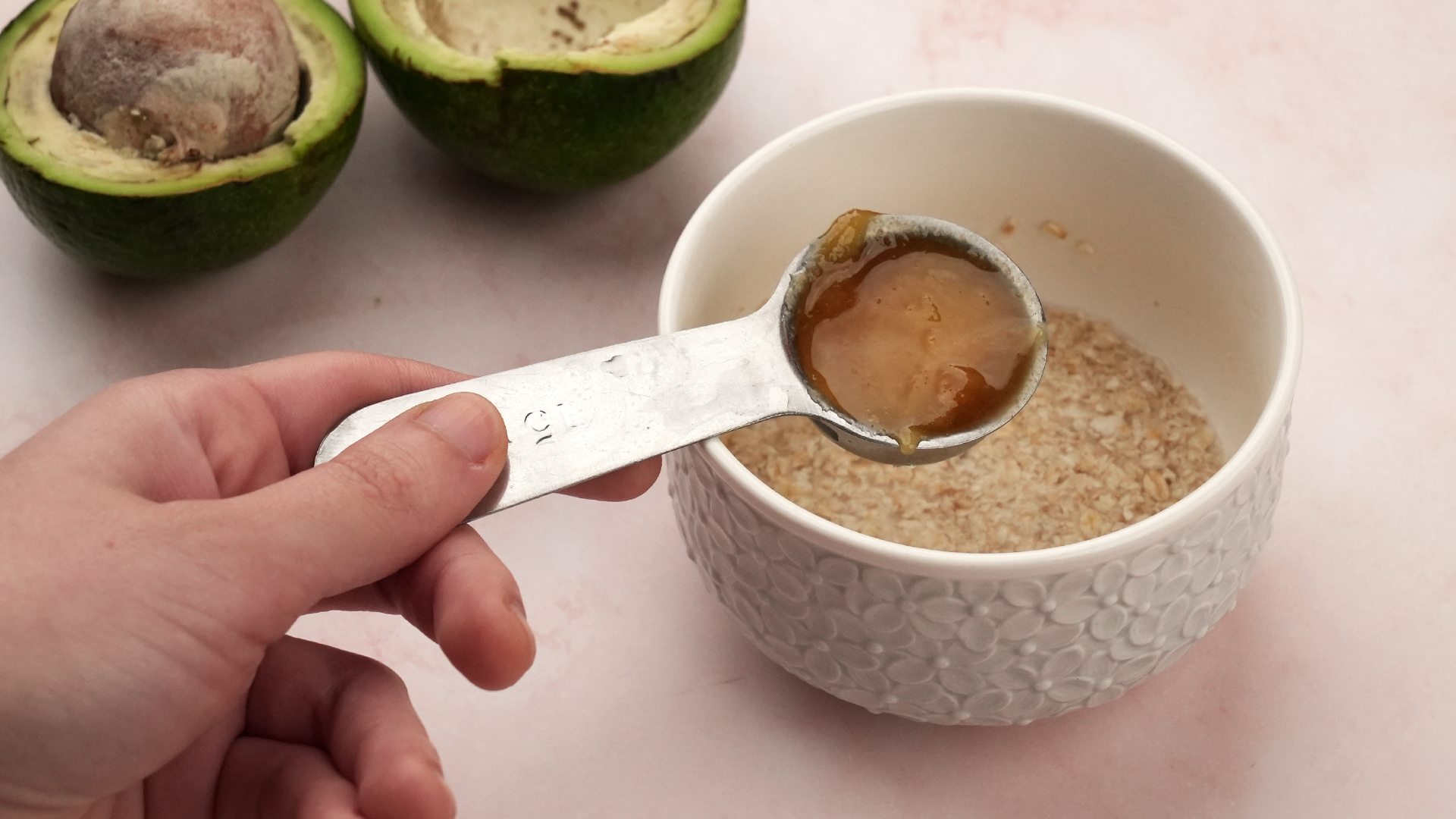
Honey has been the overachiever of the kitchen for ages. It sweetens tea, rescues dry biscuits, and somehow keeps showing up in skin care conversations like the friend who is good at literally everything. But when it comes to a honey face mask, the goal is not magic, instant perfection, or waking up looking like a filtered selfie. The real appeal is much simpler: honey can help hold moisture, soothe mild irritation, and give dry or stressed-out skin a calmer, softer feel.
That said, DIY skin care deserves a little common sense. Not every “natural” ingredient is gentle, and not every homemade mask belongs anywhere near your face. A smart honey face mask should be simple, patch-tested, and built around ingredients that are less likely to annoy your skin barrier. In other words: soothing, not spicy; calming, not chaotic.
In this guide, you will learn three easy ways to make a honey face mask at home, how to use each one safely, who it may work best for, and what mistakes to avoid. We will also cover realistic expectations, because a good face mask can support your routine, but it is not a replacement for a dermatologist, a gentle cleanser, or the very glamorous act of drinking water and going to sleep on time.
Why Honey Works in a Face Mask
The reason honey keeps showing up in DIY skin care is fairly practical. It has natural humectant-like qualities, meaning it helps attract and hold moisture. That makes it especially appealing when your skin feels dry, tight, dull, or slightly irritated. Honey is also associated with soothing and antibacterial properties, which is why it appears in many skin and wound-care discussions.
Still, this is where expectations need a grown-up chaperone. A honey face mask may help your skin feel softer and more comfortable, but it is not a guaranteed acne cure, wrinkle eraser, or miracle treatment for chronic skin conditions. Think of it as a supportive extra, not the star quarterback of your entire routine.
Before You Put Anything on Your Face
Do a patch test first. Apply a small amount of the mixture to the inner arm or bend of the elbow, then wait and watch for irritation. If your skin burns, stings, gets itchy, or turns red in a dramatic way, skip the mask. Also avoid DIY masks if you have broken skin, a fresh rash, an active skin infection, or a known allergy to honey, bee-related ingredients, aloe, or oats.
Choose plain, simple ingredients. Fragrance, essential oils, and overly strong exfoliating add-ins can irritate skin fast. The whole point of a honey face mask is to keep things gentle. Your face is not a chemistry fair.
How to Prep Your Skin for a Honey Face Mask
Start with clean skin. Wash your face with a mild cleanser and lukewarm water. Skip harsh scrubs, cleansing brushes, or anything that leaves your face feeling squeaky. Squeaky is not a skin goal; that is your barrier waving a tiny white flag.
Pat your face dry so it is slightly damp, not dripping. Damp skin can make a moisturizing mask feel more comfortable and easier to spread. Pull hair back, wear an old T-shirt if you are worried about drips, and accept that honey is sticky. This is not a flaw. It is part of the job description.
Way #1: The Simple Honey-Only Face Mask
Best for
Dry, tight, or mildly stressed skin that wants moisture without a lot of extras.
What you need
1 tablespoon of plain honey.
How to make it
You are done. Yes, really. Put the honey in a small clean bowl. If it feels too thick to spread, warm the bowl between your hands for a minute or let it sit in a bowl of warm water briefly. Do not microwave it into lava.
How to apply it
Use clean fingertips to spread a thin, even layer over your face, avoiding your eyes and lips. Let it sit for 10 to 15 minutes, then rinse with lukewarm water and pat dry. Follow with a gentle moisturizer.
Why this version works
The honey-only mask is the easiest option for people who want hydration without gambling on too many ingredients. It is simple, low-effort, and ideal for days when your skin feels dry after cold weather, air conditioning, or using too many active products. If your routine recently included a retinoid, an acid toner, and a brave but unnecessary scrub, this mask is the skincare equivalent of apologizing to your face.
Pro tip
Use a thin layer, not a thick blob. More product does not equal more benefit. It just increases the odds of honey sliding toward your chin like it is trying to escape.
Way #2: Honey and Oatmeal Face Mask
Best for
Dry, sensitive-feeling, or mildly irritated skin that needs a little extra soothing support.
What you need
1 tablespoon honey
1 tablespoon finely ground oats or prepared colloidal oatmeal
1 to 2 teaspoons lukewarm water, as needed
How to make it
If you are using regular oats, grind them into a fine powder first. Mix the oat powder with honey, then add a small splash of lukewarm water until you get a spreadable paste. You want soft and cushiony, not cement.
How to apply it
Smooth the mixture onto clean skin and leave it on for 10 to 15 minutes. Rinse gently with lukewarm water. Do not scrub it off like you are sanding a deck. Pat dry and apply moisturizer.
Why this version works
Colloidal oatmeal is well known for its soothing, skin-protective role. It can help calm irritated skin, support moisture retention, and feel especially comforting when your face is dealing with dryness or mild redness. Combined with honey, it creates a mask that feels more cushioning than active. This is the version to try when your skin is asking for peace, quiet, and fewer bad decisions.
Who should skip it
Avoid this mask if you have an oat allergy. And if your face is already inflamed from a flare, rash, or possible allergic reaction, pause the DIY experiments and check with a healthcare professional instead.
Way #3: Honey and Aloe Face Mask
Best for
Skin that feels mildly irritated, warm, dry, or overworked.
What you need
1 tablespoon honey
1 tablespoon pure aloe vera gel
How to make it
Mix the honey and aloe vera gel in a clean bowl until smooth. Make sure the aloe is as plain as possible, without added fragrance, alcohol, or a long list of mystery ingredients that sound like they belong in a spaceship manual.
How to apply it
Spread a thin layer over clean skin and leave it on for 10 to 15 minutes. Rinse well with lukewarm water, pat dry, and finish with moisturizer.
Why this version works
Aloe is often used for its cooling, soothing feel. When paired with honey, it creates a lighter mask that can feel refreshing when your skin is irritated from weather, dryness, or over-cleansing. This is a nice option if the honey-only version feels a little too thick or sticky for your taste.
One caution
Not all aloe gels are created equal. Some contain fragrance or added ingredients that can make sensitive skin grumpy. Pick a simple formula and patch test first.
How Often Should You Use a Honey Face Mask?
For most people, once or twice a week is plenty. Using a soothing mask more often is not automatically harmful, but there is usually no need to turn your bathroom into a full-time honey laboratory. If your skin feels comfortable and hydrated, you are doing enough.
If you already use active ingredients like retinoids, benzoyl peroxide, salicylic acid, or exfoliating acids, keep your DIY mask days separate from your more intense treatment days. Your skin barrier likes teamwork, not chaos.
Common Mistakes to Avoid
Using irritating add-ins
It can be tempting to toss in lemon juice, strong essential oils, or other “natural” ingredients that sound impressive online. Resist the urge. Natural does not always mean gentle, and many botanical or fragranced ingredients can trigger irritation or allergic reactions.
Leaving the mask on too long
Longer is not better. Ten to fifteen minutes is enough for a simple DIY mask. Leaving it on for half an afternoon may leave your skin dry, annoyed, or just bored.
Scrubbing during removal
Rinse gently. Your goal is soft skin, not friction. If the mask feels tacky, use a soft, damp washcloth and light pressure.
Skipping moisturizer afterward
A face mask is not the final step. Follow with a fragrance-free moisturizer to help seal in comfort and support your skin barrier.
When a DIY Honey Face Mask Is Not Enough
If you have painful acne, severe redness, eczema flares, frequent stinging, peeling, or a rash that keeps returning, a homemade mask is not the fix. That does not mean your skin is “bad.” It just means it may need a more targeted approach. Persistent skin issues deserve real evaluation, especially if your face reacts to multiple products or suddenly becomes much more sensitive.
A honey face mask can be a nice part of self-care, but it should never replace medical treatment for ongoing skin problems. Think comfort, not cure.
What Results Can You Realistically Expect?
The most realistic benefits are softer-feeling skin, a temporary boost in hydration, and a calmer feel if your skin is mildly dry or irritated. Some people also notice that their skin looks a bit fresher and less tight right after rinsing off the mask.
What you should not expect is dramatic pore shrinkage, instant acne clearance, or overnight transformation. Skin care works better when it is boringly consistent. Glamorous? Not always. Effective? Usually.
Experience Corner: What Using a Honey Face Mask Often Feels Like
One of the most common experiences people describe with a honey face mask is immediate comfort. Not fireworks. Not a movie montage. Just comfort. Skin that felt tight after cleansing often feels softer within minutes, especially with the honey-only version. The stickiness can be a little funny at first, but once the mask is on, many people say it feels less like a beauty treatment and more like a quiet reset. It is the skincare version of putting on sweatpants after wearing something with buttons all day.
Another common experience happens during colder months. When indoor heat and dry weather leave the face feeling rough or flaky, the honey and oatmeal mask tends to be the favorite. People often notice that their skin feels less irritated after rinsing, and makeup tends to sit better later because the surface feels less patchy. It does not turn dry skin into glass skin in one afternoon, but it can make your face feel more comfortable and look less stressed. For many, that is already a win.
The honey and aloe version often gets the best reviews after skin has been overworked. Maybe someone used too many active products in the same week. Maybe they tried a new cleanser that seemed fine until it absolutely was not. In those moments, a simple honey and aloe mask can feel cooling and calming. Users often describe the sensation as relief rather than treatment. That distinction matters. The mask is not “fixing” everything, but it can help the skin feel less angry while a gentler routine takes over.
There is also the learning curve. Almost everyone who experiments with DIY masks has at least one moment of overconfidence. They use too much honey. They forget to tie their hair back. They discover that sticky ingredients migrate in mysterious ways. They rinse too aggressively. They add one extra ingredient because the internet told them to “boost the results.” Then their face reminds them that simple was the better plan all along. In that sense, honey face masks are oddly educational. They teach patience, restraint, and the value of not turning your skincare routine into a cooking show challenge.
Perhaps the most useful long-term experience people report is not visible at all. It is the shift toward paying attention. After trying a few simple masks, many become better at noticing what their skin actually needs. Dryness? Choose moisture. Irritation? Choose soothing. Breakouts that hurt or spread? Skip the kitchen experiments and go for proper treatment. A honey face mask can be part of that learning process. It is less about chasing perfection and more about building a calmer, smarter relationship with your skin. And frankly, that may be the best result of all.
Final Thoughts
If you want an easy, low-drama way to pamper dry or mildly irritated skin, a honey face mask can absolutely earn a spot in your routine. The best approach is the simplest one: choose gentle ingredients, patch test first, leave the mask on for a reasonable amount of time, and follow with moisturizer. The three best options are also the easiest to remember: honey alone for basic moisture, honey and oatmeal for soothing support, and honey with aloe for a lighter calming mask.
In other words, your face does not need a twenty-step ritual and a playlist of mystical flute music. Sometimes it just needs a little honey, a little caution, and fewer chaotic ingredients.