There is a strange little thrill in noticing something right before everyone else starts noticing it too. It is like hearing the first bird before sunrise, spotting the first person wearing jelly sandals again, or realizing your “weird” lamp has suddenly become “a statement lighting moment.” Welcome to Current Obsessions: On the Cusp, a look at the trends, tastes, objects, moods, colors, rituals, and tiny lifestyle upgrades hovering between niche enthusiasm and mainstream takeover.
Being “on the cusp” is not only about fashion or interiors. It is a cultural feeling. It is the moment before a shift becomes obvious. It is when consumers are tired of sterile perfection, creators are craving human texture, homes are becoming softer and smarter, and people are using style not just to impress but to self-soothe, self-express, and occasionally self-rescue from beige boredom. Beige has had a long career. Let us send it a polite fruit basket and move on.
This article explores the current obsessions shaping American lifestyle culture now: expressive color, tactile comfort, personal interiors, wellness-driven purchases, smarter retail behavior, playful beauty, nostalgic accessories, and the growing desire for things that feel handmade, meaningful, and slightly imperfect. The big idea is simple: the next wave of taste is less about looking flawless and more about feeling alive.
The Meaning of “On the Cusp” in Today’s Culture
To be on the cusp means to stand at the edge of change. In lifestyle terms, it describes the phase where a trend has escaped the secret group chat but has not yet been flattened into a mall display. It is early enough to feel fresh, but visible enough to matter.
Today, cusp culture moves faster because discovery is everywhere. A color can migrate from a runway look to a Pinterest board to a kitchen cabinet sample in one weekend. A vintage brooch can go from grandma’s jewelry box to red carpet styling to thrift-store treasure hunt. A home sauna can move from luxury spa fantasy to warehouse-club wellness splurge. A formerly odd interior detailruffled lampshades, scalloped edges, dramatic chandeliers, mismatched nightstandscan suddenly become the thing that makes a room feel alive.
The best current obsessions have one thing in common: they answer a deeper emotional need. People are not simply buying objects. They are buying relief, identity, comfort, play, memory, and control in a world that often feels like it has too many browser tabs open at once.
Obsession #1: Expressive Color Is Back, and It Brought Snacks
For years, much of mainstream style worshiped the quiet neutral: white walls, gray couches, oatmeal sweaters, beige nurseries, beige toys, beige coffee cups, possibly beige thoughts. But the pendulum is swinging toward color with personality. The new palette is not random chaos; it is intentional energy.
Across fashion, beauty, and interiors, richer shades are appearing: icy blue, mineral green, persimmon orange, plum, jade, olive, terracotta, and electric citrus tones. These colors feel emotional rather than decorative. They do not simply match the room; they change the temperature of the room.
Why Color Feels New Again
Color is returning because people want spaces and wardrobes that feel personal. A bold cabinet, a plum manicure, a jade bathroom tile, or a persimmon sweater says, “A human lives here.” After years of algorithm-approved minimalism, that is surprisingly refreshing.
The shift also reflects a move away from passive taste. Instead of asking, “Will everyone like this?” people are asking, “Does this make my life feel more like mine?” That question is powerful. It is also dangerous to your wallet if asked inside a vintage furniture store.
Obsession #2: Texture Is the New Status Symbol
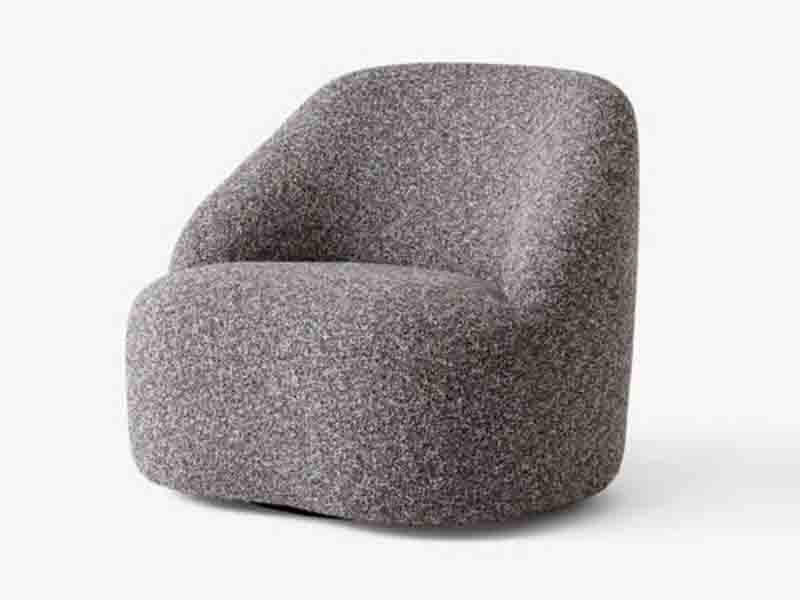
Texture is having a glorious main-character era. Washed linen, raffia, crochet, woven leather, nubby upholstery, rough stone, handmade ceramics, velvet ribbons, beadwork, and fabric-covered walls are all part of the current obsession with touchable design.
This is not just about looking expensive. In fact, the most interesting texture trends are less polished than traditional luxury. They have wrinkles, fibers, knots, irregularities, and evidence of human hands. A linen shirt that creases by lunch? Excellent. A ceramic bowl with a slightly uneven glaze? Perfect. A woven sandal that looks like it spent the summer reading novels near the ocean? Add to cart emotionally, if not financially.
The Comfort Factor
Texture matters because people are seeking sensory comfort. In an age of screens, smooth glass, AI-generated images, and endless digital sameness, tactile objects feel grounding. A textured home or wardrobe gives the body something to register. It says: pause, touch, notice, breathe.
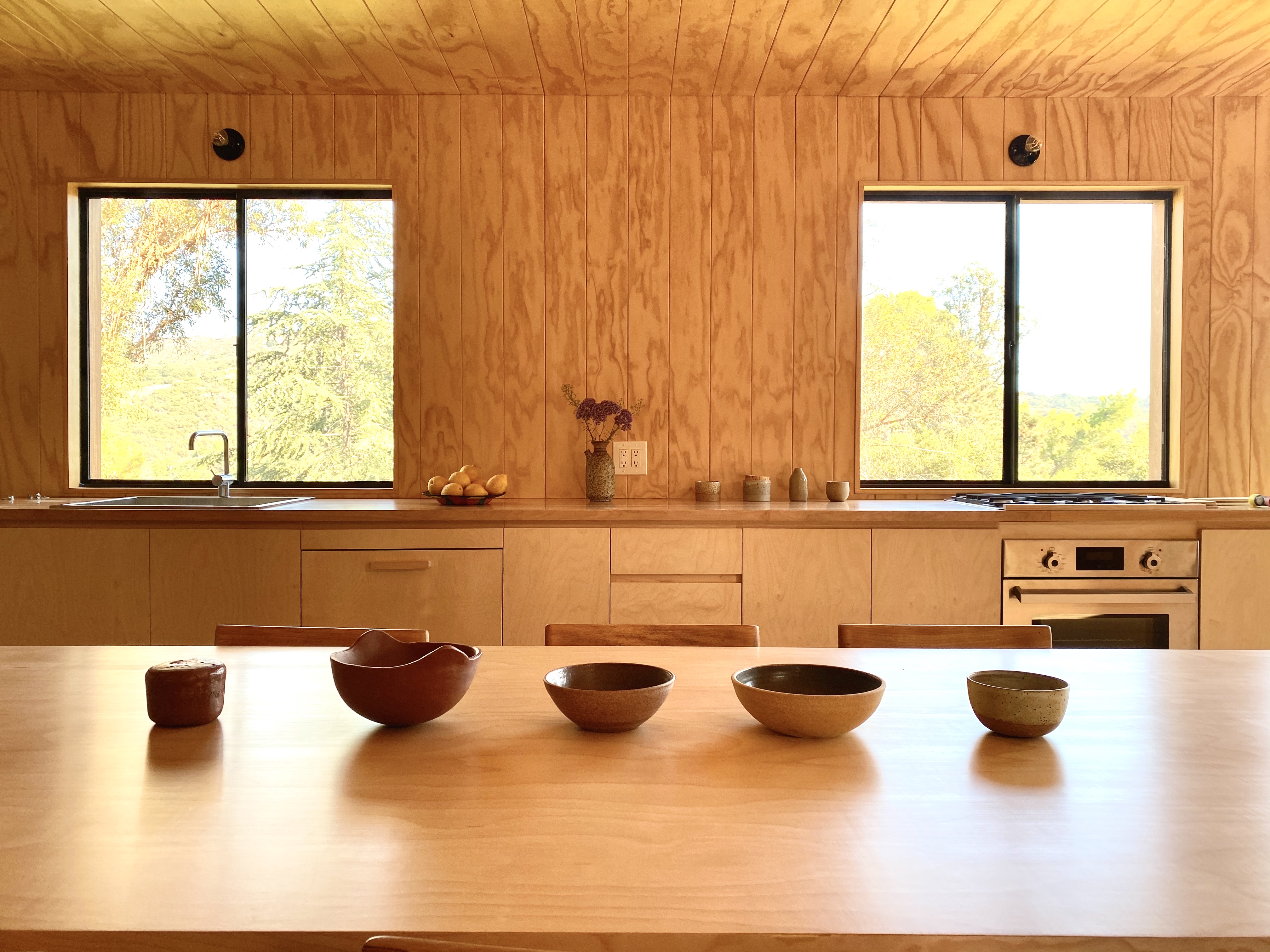
This is why bedding is becoming simpler but richer, kitchens are embracing natural stone and wood, and fashion accessories are leaning into beads, hardware, raffia, crochet, and linen. The new luxury is not always shiny. Sometimes it is soft, slubby, and extremely good at making your sofa look like it has a personality.
Obsession #3: Homes Are Getting Weirder, Warmer, and More Personal
The perfect showroom home is losing emotional market share. People want rooms that look collected, not copied. They want a home that remembers trips, hobbies, family quirks, thrift finds, strange art, and the chair no one understands but everyone eventually loves.
Interior design is moving toward warmth, asymmetry, layered lighting, statement fixtures, vintage pieces, and meaningful clutter. This does not mean chaos. It means character. The best rooms now feel edited but not sterilized. They have a pulse.
Goodbye, Strict Symmetry
Matching nightstands and identical lamps still work, but they no longer feel mandatory. Designers are increasingly embracing asymmetry: one sculptural lamp, one wall-mounted light, a stack of books instead of a second table, art placed off-center, or a chair that looks like it arrived from a different century and refuses to explain itself.
The result is more human. Real life is not perfectly symmetrical. Your home does not need to look like it was assembled by a committee of very anxious rulers.
Obsession #4: Wellness Is Moving Into the House
Wellness is no longer limited to gyms, spas, and apps reminding you to breathe while simultaneously sending seven notifications. It is becoming part of home design and everyday shopping. People are investing in better lighting, air quality, calming bedrooms, ergonomic furniture, saunas, massage chairs, sleep tools, and small rituals that make the day feel less like a spreadsheet with shoes.
This does not mean every home needs a cold plunge tub or a meditation room named “The Serenity Chamber.” The most useful wellness upgrades are often practical: softer lighting at night, a bedroom with fewer visual distractions, a chair that does not insult your spine, a kitchen that supports real cooking, or a small outdoor corner that makes morning coffee feel like a tiny vacation.
The Rise of Emotional Function
Function used to mean storage, durability, and ease of cleaning. Those still matter, especially ease of cleaning, because dust is apparently immortal. But now function also includes mood. Does the room calm you down? Does the object make life easier? Does the routine support your body? Does the purchase feel worth it beyond the unboxing moment?
The current obsession with wellness at home is really an obsession with designing for daily survival, but making it attractive enough to photograph.
Obsession #5: Fashion Wants Personality Again
Fashion is flirting with individuality after a long stretch of uniform micro-trends. The current cusp includes brooches, colorful sandals, beaded flats, sporty thongs, jelly shoes, striped trousers, oversized tailoring, icy blue pieces, bold jewelry, and a renewed interest in accessories that actually say something.
The brooch is a perfect example. It is small, portable, expressive, and wonderfully flexible. It can look aristocratic, punk, sentimental, ironic, or chic depending on where it lands. Put it on a blazer and it says polished. Put it on a denim jacket and it says clever. Put it on a tote bag and it says you have range and possibly a favorite flea market.
Nostalgia, But Make It Useful
Many current fashion obsessions are nostalgic, but they are not pure costume. Jelly sandals, beaded accessories, raffia textures, colorful stripes, and statement jewelry bring back earlier decades while adapting to modern comfort and styling. The goal is not to dress like a museum exhibit. The goal is to borrow emotional energy from the past and make it wearable now.
This is why playful footwear and expressive accessories are having such a strong moment. People want low-commitment fun. A colorful sandal can change the mood of an outfit without requiring a full identity crisis in front of the closet.
Obsession #6: Beauty Is Becoming Skin-First and Playful
Beauty trends are also standing on the cusp between performance and pleasure. Consumers want products that do more than decorate. They want skincare-infused makeup, sun-safe glow, natural-looking self-tanners, barrier-friendly formulas, and beauty routines that feel enjoyable instead of punishing.
The modern glow is less about looking aggressively bronzed and more about looking alive, rested, and possibly like you drink enough watereven if your actual hydration strategy is iced coffee and optimism. Self-tanning products, tinted serums, flexible blushes, and skin-care hybrids fit this mood because they offer visible results without the heavy feeling of old-school beauty routines.
The New Beauty Question
The question is no longer simply, “Does it look good?” It is also, “Does it feel good, wear well, support my skin, and fit into real life?” That shift matters. Beauty is becoming more practical, more inclusive, and more connected to wellness without losing its sense of fun.
Obsession #7: Smart Spending and Small Luxuries
Consumers are more selective now. Inflation, higher living costs, economic uncertainty, and value-focused shopping have changed how people buy. But selective does not mean joyless. Many shoppers are cutting back in some areas while still making room for affordable luxuries: beauty, home comfort, small design upgrades, better food experiences, useful tech, and wellness products that promise daily benefit.
This creates a fascinating cusp: people want value, but they also want delight. They may skip a major splurge but buy the excellent candle. They may delay a renovation but replace a harsh ceiling light with a warmer fixture. They may ignore a designer handbag but hunt for a vintage brooch with more personality than a luxury logo.
Why Affordable Luxury Works
Small luxuries work because they make ordinary life feel upgraded. A beautiful mug does not solve the world’s problems, but it can improve Monday morning by approximately 17 percent. A good lamp can make a rented apartment feel intentional. A linen shirt can make heat more bearable. A $20 vintage accessory can make a basic outfit look considered.
The smartest current obsessions are not always expensive. They are high-impact, emotionally useful, and easy to integrate into real routines.
Obsession #8: Human Creativity in the Age of AI
Another major cusp is the relationship between human taste and artificial intelligence. AI tools are now part of writing, design, shopping, search, image creation, planning, and marketing. But the more AI appears, the more people value human judgment.
This is why handmade textures, local details, personal interiors, imperfect objects, and unusual style choices feel newly important. They signal taste. They prove that someone made a decision beyond “generate more like this.”
AI can accelerate ideas, but taste still decides what matters. A machine can suggest a color palette. A person knows whether that palette feels like a kitchen, a dental office, or a villain’s vacation home. The future belongs not to people who reject technology entirely, but to people who use it while protecting the messy, intuitive, emotional parts of creativity.
How to Spot a Cusp Trend Before It Peaks
Not every new thing deserves your attention. Some trends are genuinely useful; others are just algorithm confetti. To spot a cusp trend with staying power, look for three signs.
It Solves a Real Feeling
A trend lasts longer when it answers an emotional need. Tactile interiors respond to digital fatigue. Warm lighting responds to stress. Expressive color responds to bland sameness. Brooches respond to the desire for individuality. When a trend has a feeling underneath it, it has roots.
It Works Across Categories
Strong trends appear in more than one place. If icy blue is showing up in fashion, nails, home decor, and weddings, it is not just a random runway moment. If texture appears in clothing, bedding, furniture, handbags, and wall treatments, it is part of a bigger movement.
It Can Be Personalized
The best current obsessions are flexible. You can wear a brooch in a polished or rebellious way. You can use jade as a full kitchen color or a tiny vase. You can embrace wellness through a sauna or simply through better sleep lighting. A trend becomes powerful when people can make it their own.
Practical Ways to Try the “On the Cusp” Aesthetic
You do not need to redecorate your entire life. In fact, please do not panic-buy a velvet sofa because one article winked at you. Start small.
Try one expressive color in a low-risk place: nail polish, a pillow, a scarf, a lampshade, a notebook, or a small piece of art. Add texture through linen bedding, a woven basket, a ceramic bowl, a raffia bag, or a chunky knit throw. Make one room less symmetrical by moving art slightly off-center or swapping a matching lamp for something more sculptural.
In fashion, test personality accessories. A brooch, striped trouser, beaded flat, colorful sandal, or vintage belt can shift your style without forcing you to rebuild your wardrobe from scratch. In beauty, look for products that feel good on the skin and fit real life. In wellness, focus on what improves your actual day, not what photographs well next to eucalyptus.
Experiences Related to “Current Obsessions: On the Cusp”
The most interesting way to understand cusp culture is not to read about it from a distance. It is to notice how it appears in ordinary life. Recently, the best examples have not come from glossy mood boards, but from small moments: a coffee shop with mismatched chairs that somehow feels more luxurious than a perfectly designed hotel lobby; a friend wearing a vintage pin on a plain black sweater and instantly looking like the most intentional person in the room; a kitchen with one bold green cabinet that makes every white kitchen nearby seem like it forgot to develop a personality.
One experience that captures the “on the cusp” feeling is walking through a flea market or antique mall. At first, nothing looks organized. There are old lamps, chipped plates, framed landscapes, glass bowls, embroidered linens, brass objects, strange stools, and at least one item that appears to be either a sculpture or a very emotional doorstop. But then patterns start to emerge. You notice the same materials that appear in current design reports: wood, stone, linen, brass, rattan, colored glass, ceramic, aged metal. The market becomes a live trend forecast, except with better dust and more personality.
Another experience is testing color in real life. A shade that looks intimidating online can feel completely different when it enters your home or wardrobe. I once thought terracotta was “too much” until I saw it on a small vase near a window. Suddenly it was not loud; it was warm. The same thing happens with icy blue, jade, and plum. These colors can look dramatic on a screen, but in real life they often behave like mood setters. They change the atmosphere without shouting across the room.
The “on the cusp” mindset also changes shopping habits. Instead of asking, “Is this trendy?” the better question becomes, “Will this still feel interesting when the internet moves on?” That question saves money and prevents regret. A beaded sandal might be trendy, but if it fits your summer life, it becomes personal. A statement chandelier might be popular, but if it improves your room every evening, it becomes functional art. A linen shirt may be everywhere, but if it helps you survive humidity with dignity, it deserves respect.
There is also a social experience to cusp culture. People respond to things that feel specific. Compliments rarely come from the most expensive object in an outfit or room. They come from the odd detail: the unusual ring, the painted frame, the vintage lamp, the unexpected color, the handmade bowl, the old jacket styled in a new way. These details invite conversation. They create little bridges between people. In a culture that often feels fragmented, that matters more than it seems.
Living on the cusp is ultimately about attention. It is about noticing what feels alive before it becomes obvious. It is about trusting your taste before an algorithm confirms it. It is about letting your home, wardrobe, and routines evolve with curiosity rather than panic. The best current obsessions are not commands. They are invitations. Try the color. Move the lamp. Wear the brooch. Buy the weird bowl if you can afford it and it makes you smile. The future of taste is already here; it is just waiting for you to notice it before everyone else does.
Conclusion: The Future Belongs to the Personally Obsessed
Current Obsessions: On the Cusp is not about chasing every trend. It is about understanding why certain ideas are rising now. Expressive color, tactile design, wellness-centered homes, playful beauty, nostalgic fashion, smarter spending, and human creativity all point toward the same cultural shift: people want life to feel more personal, more sensory, more comforting, and more alive.
The next big thing may not be one single product or aesthetic. It may be a mindset: choose warmth over sterility, personality over perfection, usefulness over empty hype, and delight over default settings. In other words, the current obsession is not simply what we buy. It is how we notice, edit, and make meaning from the things around us.
Editorial note: This article synthesizes current U.S. lifestyle, fashion, beauty, retail, wellness, and interior design trend reporting into original, publication-ready analysis without source links, as requested.