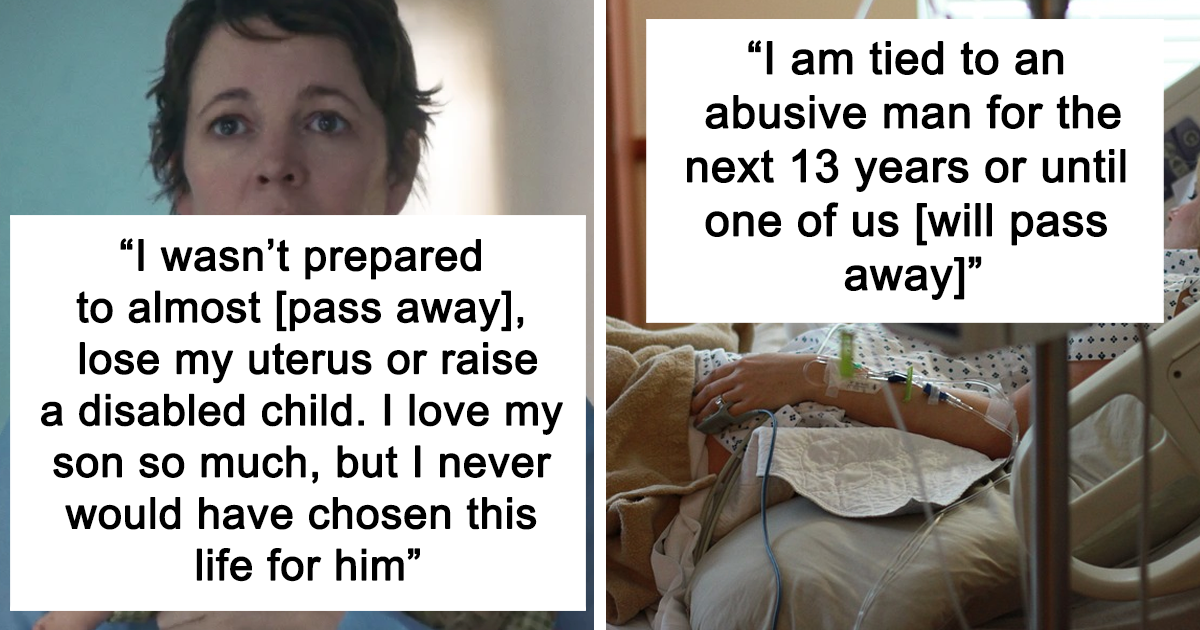
Editorial note: The 30 stories below are composite, anonymized experiences based on recurring themes found in maternal mental health research, parenting surveys, family policy reports, and public conversations about motherhood regret. They are not direct quotes from named individuals. This article is written with empathy, not judgment, because regret, love, exhaustion, and responsibility can exist in the same messy human heart.
Motherhood is often packaged as the ultimate glow-up: tiny socks, soft-focus Instagram photos, and captions about “my whole world.” But real motherhood also includes unpaid labor, medical recovery, financial strain, identity shock, relationship changes, sleepless nights, and a level of responsibility that does not come with a pause button. Some mothers love their children deeply and still regret becoming parents. That sentence makes people uncomfortable, which is exactly why the topic deserves careful, honest discussion.
When mothers say they regret giving birth, they are not always saying, “I do not love my child.” Many are saying, “I did not understand what this would cost me.” Others are describing untreated postpartum depression, burnout, coercive relationships, poverty, isolation, trauma, or the impossible expectation that a good mother should smile while carrying the emotional weight of an entire household like a grocery bag with one weak handle.
The stories below explore why some mothers regret having children, what their experiences reveal about modern parenting, and why society needs more support systems instead of more guilt trips wrapped in pastel baby blankets.
Why Motherhood Regret Is So Hard to Talk About
Motherhood regret is one of the last emotional taboos. People can admit they regret a job, a marriage, a tattoo, a college major, or that one haircut with “wispy bangs.” But regretting motherhood? That confession can trigger immediate judgment. Mothers are expected to be endlessly grateful, endlessly available, and somehow endlessly well-rested, despite evidence that many are tired, stressed, financially stretched, and judged more harshly than fathers.
Part of the problem is that motherhood is treated as both a personal choice and a public service. Society tells women that having children is natural, beautiful, and fulfilling, then leaves many of them alone with medical bills, childcare costs, career penalties, and a sink full of mysterious cups nobody admits using.
Regret also gets confused with neglect. In reality, a mother can regret the role while still protecting, loving, feeding, comforting, and advocating for her child. The regret is often about the permanent loss of freedom, the unfair division of labor, or the realization that the life she wanted and the life she has are not the same. That does not make her cruel. It makes her honest.
30 Mothers Who Regret Giving Birth Share Why
These 30 examples reflect common reasons mothers describe when discussing parental regret. Some are emotional. Some are financial. Some are rooted in health, marriage, culture, or broken support systems. Together, they show that regret is rarely simple.
- The mother who lost herself: She expected motherhood to add meaning to her life. Instead, it swallowed her hobbies, friendships, ambitions, and privacy until she barely recognized herself outside the word “Mom.”
- The mother who was pressured into it: Her partner wanted children. Her parents wanted grandchildren. Her friends said she would “change her mind.” She did change, but not in the way everyone promised.
- The mother who misses silence: She loves her child, but the constant noise, questions, touching, crying, and interruptions make her nervous system feel like a smoke alarm with fresh batteries.
- The mother who regrets the financial burden: Between childcare, diapers, medical costs, food, clothing, school supplies, and lost work hours, parenting became less like a dream and more like a subscription service she can never cancel.
- The mother whose relationship collapsed: Before the baby, she and her partner were a team. After the baby, she became the default parent, default planner, default worrier, and default person who noticed when the wipes were gone.
- The mother who had postpartum depression: She expected bonding, joy, and happy tears. Instead, she felt numb, frightened, or deeply sad and did not get help quickly enough because everyone kept telling her this was “normal new mom stuff.”
- The mother who had no village: She heard the phrase “it takes a village” and then discovered her village had moved away, stopped answering texts, or only showed up for baby photos.
- The mother who lost career momentum: She returned from maternity leave to fewer opportunities, less flexibility, and the quiet assumption that she was no longer serious about work.
- The mother who never wanted the baby stage: Some people adore newborn snuggles. She found infancy terrifying, repetitive, lonely, and physically draining. The baby stage felt less magical than advertised.
- The mother who wanted one child but had more: Family pressure, partner expectations, or an accidental pregnancy led to more children than she felt able to parent well. Love multiplied, but so did exhaustion.
- The mother who had a traumatic birth: Childbirth left her with physical pain, fear, or memories she could not easily discuss. Everyone celebrated the baby while she felt invisible in her own recovery.
- The mother raising a child with high needs: She loves her child fiercely, but constant appointments, advocacy, therapies, school meetings, and worry have reshaped every part of her life.
- The mother who became a single parent unexpectedly: A breakup, divorce, abandonment, or loss left her carrying a two-parent job on one income and one nervous system.
- The mother who regrets the loss of freedom: She misses spontaneous travel, quiet mornings, late nights out, sleeping in, and making decisions without needing a logistics spreadsheet and three backup snacks.
- The mother who feels touched out: Her child needs comfort, closeness, and care. Her body needs space. The conflict makes her feel guilty, even though needing personal boundaries is human.
- The mother who had unrealistic expectations: She thought love would make the hard parts easier. Love helped, but it did not erase sleep deprivation, resentment, medical appointments, or the eternal laundry mountain.
- The mother who carries the mental load: She remembers birthdays, school forms, dentist appointments, snack preferences, shoe sizes, sunscreen, permission slips, and which stuffed animal cannot be washed without a family crisis.
- The mother who regrets losing her body autonomy: Pregnancy, birth, breastfeeding, and recovery changed how she felt in her body. She felt grateful and uncomfortable at the same time.
- The mother who feels judged constantly: Breastfeed or formula? Work or stay home? Gentle parent or set firm rules? Screen time or no screen time? She discovered motherhood comes with an audience, and the audience has opinions.
- The mother who did not realize parenting is permanent: She understood the concept intellectually, but the emotional reality hit later: parenting does not end when the child sleeps, starts school, or learns to make toast.
- The mother who misses her marriage: Date nights became budget meetings. Flirting became “Did you buy more wipes?” She mourns the couple they used to be.
- The mother who grew up with trauma: Parenting reopened old wounds. She wanted to break generational patterns but found that healing while raising a child is like fixing the roof during a rainstorm.
- The mother who feels trapped by poverty: She cannot afford childcare, cannot afford to stop working, and cannot afford a break. Regret grows when every choice feels like a locked door.
- The mother who regrets becoming the family manager: She did not just gain a child. She gained a household operations department, and somehow she became CEO, unpaid intern, janitor, and customer service.
- The mother who envies child-free friends: She watches friends travel, rest, date, study, change careers, or enjoy quiet apartments. She feels guilty for the envy, but guilt does not make it disappear.
- The mother who thought instinct would arrive: Everyone told her maternal instinct would switch on like a porch light. Instead, she learned parenting through panic, trial, error, and late-night internet searches.
- The mother who regrets the health impact: Pregnancy or birth left long-term physical symptoms. She wishes people had been more honest about what recovery can involve.
- The mother who feels emotionally overused: Her child’s needs matter, but so do hers. She feels like everyone comes to her for comfort while no one asks who comforts her.
- The mother who regrets the timing: Maybe she was too young, too broke, too unsupported, too unsure, or in the wrong relationship. She may not regret the child as a person, but she regrets when and how motherhood happened.
- The mother who loves her child but would choose differently: This is the hardest truth for outsiders to accept. She can adore her child and still believe that, knowing what she knows now, she would not choose motherhood again.
What These Stories Have in Common
The most striking pattern is that regret usually grows in the gap between expectation and reality. Mothers are often told that parenting will be hard but worth it. That phrase sounds comforting, but it can also flatten complex experiences. What happens when a mother finds parenting hard and not emotionally rewarding in the way she expected? What happens when the “worth it” part arrives only in brief flashes between exhaustion, bills, and self-doubt?
Another common thread is unequal labor. Many mothers do not regret their children as much as they regret becoming the default parent. Being the default parent means noticing everything, remembering everything, planning everything, and being blamed when something slips. It is not only physical work; it is mental and emotional project management. The family calendar lives in her head. So does the grocery list, the child’s fears, the partner’s mood, the school deadline, and the silent question: “If I stop holding this together, what falls apart?”
Financial pressure also appears again and again. Childcare in the United States can cost as much as rent, college tuition, or a second mortgage with finger paint. When mothers reduce work hours or leave the workforce because care is unaffordable, the short-term solution can create long-term financial vulnerability. Regret can bloom when a woman realizes that motherhood did not just change her schedule; it changed her earning power, retirement savings, and sense of independence.
Mental health is another major factor. Postpartum depression, anxiety, traumatic birth, isolation, and burnout can make motherhood feel impossible. Sadly, many mothers are afraid to say the truth because they fear being labeled ungrateful or dangerous. Silence delays support. Shame makes suffering heavier. A mother who says, “I regret this” may actually be saying, “I need help, rest, treatment, fairness, and someone to believe me.”
Regret Does Not Always Mean Lack of Love
One of the biggest misunderstandings about maternal regret is the assumption that regret cancels love. Human emotions are rarely that tidy. People can love a person and regret a decision. They can cherish moments with their child and grieve the life they lost. They can show up every day and still wish the job came with more help, more honesty, and fewer strangers commenting on their snack choices at Target.
For some mothers, regret is constant. For others, it appears during hard seasons: sleep regressions, toddler tantrums, teen conflict, financial emergencies, illness, divorce, or isolation. Some regret fades when support improves. Some regret becomes easier to carry when mothers reclaim pieces of themselves. Some remains, not because the mother is cold, but because motherhood truly did not fit the life she wanted.
This distinction matters because shame helps no one. Children benefit when mothers are supported, mentally healthy, and not forced to perform happiness for public approval. Mothers benefit when they can speak honestly without being treated like villains in a fairy tale. Families benefit when caregiving becomes a shared responsibility instead of a private burden.
Why Society Needs to Stop Romanticizing Motherhood
Romanticizing motherhood does not protect mothers. It isolates them. When every baby shower card says motherhood is pure joy, the mother who feels panic, boredom, rage, numbness, or grief may assume she is broken. She may hide her feelings until they become heavier. She may smile in photos while privately wondering why everyone else seems to be handling it better.
Honest conversations do not discourage good parenting. They make good parenting more possible. A realistic culture would tell future parents that children can bring love and meaning, but they also demand time, money, health, sleep, career flexibility, emotional regulation, and support. A realistic culture would stop asking mothers to be grateful for crumbs and start asking why so many families are expected to survive without affordable childcare, paid leave, mental health care, or involved partners.
The fantasy of effortless motherhood benefits everyone except mothers. Employers benefit when women quietly absorb scheduling chaos. Partners benefit when “she’s just better at it” becomes an excuse. Communities benefit when mothers volunteer, organize, plan, bake, drive, and remember. But mothers pay the bill, often with their sleep, careers, bodies, and identities.
What Helps Mothers Who Feel Regret
There is no single fix for motherhood regret because the causes vary. Still, several forms of support can make a real difference. Mental health care matters, especially for mothers dealing with postpartum depression, anxiety, trauma, or burnout. A compassionate therapist, doctor, or support group can help a mother separate regret from shame and identify what she needs now.
Practical help matters too. A mother who is drowning does not need a mug that says “Mama Bear.” She needs sleep, childcare, meals, money, transportation, medical care, and another adult who can complete a task without asking where the socks live. Shared parenting is not “helping mom.” It is parenting.
Community also matters. Isolation can turn ordinary stress into despair. Friends and relatives can support mothers by offering specific help: “I can bring dinner Tuesday,” “I can watch the baby for two hours,” or “I can sit with you while you cry and not turn it into a TED Talk.” The goal is not to force mothers into gratitude. The goal is to make life less impossible.
Experiences Related to Motherhood Regret: What Many Mothers Wish People Understood
Many mothers who experience regret say the hardest part is not the feeling itself, but the loneliness around it. They may look around at school pickup, birthday parties, or family gatherings and assume every other mother has found the secret password to joy. Meanwhile, they are counting the minutes until bedtime and then feeling guilty for counting. This private split between public performance and private truth can be exhausting. A mother may post a smiling photo in the morning and cry in the pantry by afternoon, not because she is fake, but because motherhood often demands emotional multitasking at Olympic levels.
Another common experience is the shock of invisibility. During pregnancy, people ask about cravings, names, and nursery colors. After birth, attention often shifts almost entirely to the baby. Visitors may hold the newborn while the mother stands nearby in pain, leaking milk, bleeding, sleep-deprived, and wondering if anyone remembers that she is also a person. For mothers who already feel uncertain, this invisibility can deepen regret. They may think, “I disappeared, and everyone applauded.”
Some mothers describe resentment toward partners who remain socially praised for doing basic caregiving. A father changes one diaper and is treated like a visiting dignitary. A mother manages the pediatrician, daycare forms, groceries, laundry, tantrums, and bedtime, and is told she looks tired. That imbalance can turn love into bitterness. Regret, in these cases, may be less about the child and more about the unfair system that quietly assigned one parent the entire invisible workload.
Other mothers talk about the grief of no longer being spontaneous. Before children, a bad day could be solved with a walk, a nap, a movie, a weekend trip, or simply doing nothing. After children, even doing nothing requires planning. Rest becomes something negotiated, borrowed, or postponed. The loss of personal freedom can feel especially painful for women who had strong creative, professional, or social identities before motherhood. They may love their child and still miss being able to belong fully to themselves.
There is also the experience of fear. Mothers may worry about their child’s safety, development, friendships, mental health, education, future, and online world. The emotional stakes are enormous. Some mothers regret becoming parents because the love itself feels too frightening. Caring deeply for a child can make the world seem sharper, riskier, and more fragile. That constant vigilance can wear down even the most devoted parent.
For mothers reading this and recognizing themselves, the most important message is this: feeling regret does not make you a monster. It means something in your life needs attention, support, honesty, or change. Maybe you need medical care. Maybe you need sleep. Maybe you need your partner to become an equal parent. Maybe you need childcare, therapy, community, or simply one place where you can tell the truth without being punished for it. Motherhood regret is not a punchline and not a character flaw. It is a signal. Listening to that signal may be the first step toward a healthier life for both mother and child.
Conclusion
The title “30 Mothers Who Regret Giving Birth Share Why” sounds shocking because society still expects mothers to describe parenthood as a blessing at all times, preferably while smiling and packing organic snacks. But the reality is more complicated. Some mothers regret motherhood because of lost identity, financial pressure, unequal labor, traumatic birth, mental health struggles, lack of support, or the painful realization that they were pressured into a life they did not fully choose.
Talking about motherhood regret does not attack children. It challenges a culture that asks mothers to sacrifice silently and then judges them when silence breaks. The better response is not shame. It is support, honesty, fairer partnerships, accessible care, and realistic conversations before people become parents. Motherhood can be meaningful, beautiful, funny, boring, exhausting, and heartbreakingsometimes before breakfast. The more truthfully we talk about it, the less alone mothers have to be.