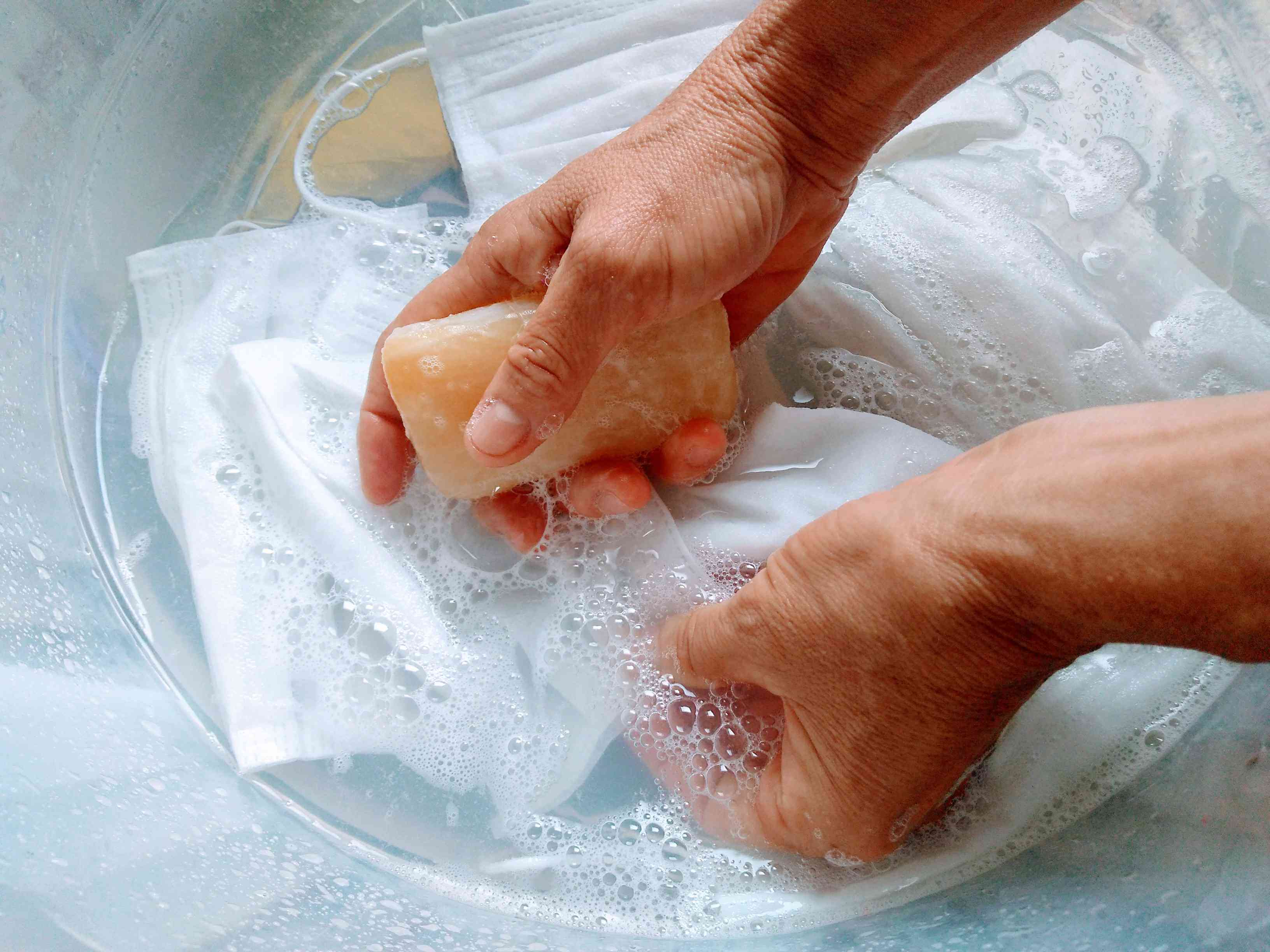
That tiny “Dry Clean Only” tag can feel like a financial threat stitched into your favorite clothes. One minute you are admiring a silk blouse, cashmere sweater, or tailored-looking skirt; the next, you are mentally calculating whether the dry cleaner deserves a line item in your monthly budget. The good news? Not every garment with a cautious care label needs a professional cleaning every single time.
Many clothing brands use conservative labels because fabric blends, dyes, linings, trims, and construction methods vary. “Dry clean only” can sometimes mean “please do not toss this into a hot washing machine with towels and chaos.” It does not always mean the item will dissolve the moment it meets water. With the right technique, a gentle detergent, cool water, and a little patience, you can safely hand wash certain dry-clean-only items at home.
Before you dunk anything precious, here is the golden rule: hand washing is best for soft, unstructured garments made from washable fibers. Avoid hand washing anything with heavy structure, sharp tailoring, leather, suede, fur, velvet pile, glued embellishments, delicate beading, or strong dye bleeding. A wool blazer, formal suit jacket, pleated designer dress, or structured coat should go to the pros. But a cashmere cardigan? A silk camisole? A simple wool scarf? Those may be more washable than their dramatic little labels suggest.
This guide explains four dry-clean-only items you can often hand wash, how to do it safely, what mistakes to avoid, and how real-life laundry habits can help you save money without turning your wardrobe into a cautionary tale.
Can You Really Hand Wash Dry-Clean Only Clothes?
Yes, sometimes. The key word is “sometimes.” A care label is important, but it does not tell the whole story. You also need to look at fabric type, construction, dye stability, trims, and how much risk you are comfortable taking. A plain silk shell is very different from a silk evening gown with structured lining and beadwork. A cashmere sweater is very different from a wool suit jacket with shoulder pads.
Hand washing works best when the garment is soft, flexible, and not dependent on internal shaping. If the item is meant to drape naturally, it is usually a better candidate than something that must hold a crisp shape. Cold water, minimal agitation, and air drying are the secret trio. Hot water, twisting, scrubbing, and tumble drying are the villains. Picture them wearing tiny capes labeled “shrinkage,” “fading,” and “regret.”
Do a quick safety check first
Before hand washing any dry-clean-only item, inspect it carefully. Check the fabric content label. Look for rayon, viscose, acetate, wool, cashmere, silk, cotton, linen, or polyester blends. Some are easier to wash than others. Then check for linings, shoulder pads, glued decorations, pleats, embroidery, sequins, leather trim, or delicate buttons. If the garment has several design details, professional cleaning is safer.
Next, test for colorfastness. Dampen a white cloth with cool water and gently press it against an inside seam or hidden area. If dye transfers heavily, do not hand wash it. Dark silk, red garments, saturated prints, and vintage pieces can be unpredictable. When in doubt, let the dry cleaner handle the drama.
What You Need Before Hand Washing Dry-Clean Only Items
You do not need a laboratory, a laundry degree, or a sink blessed by fabric angels. You do need the right basics:
- A clean sink, basin, or tub
- Cool water
- A gentle detergent made for delicates, wool, silk, or cashmere
- Clean white towels
- A mesh drying rack or flat drying surface
- Optional: a garment steamer for finishing
Avoid regular heavy-duty detergent for delicate fabrics. It can be too harsh and difficult to rinse out. Skip bleach, fabric softener, and stain removers that are not safe for delicates. Also avoid soaking for too long. Hand washing is not a spa vacation for your clothes. It is more like a polite five-minute meeting.
1. Cashmere Sweaters
Cashmere may sound fancy enough to require a butler, but it is one of the most hand-washable luxury fibers when treated gently. In fact, many cashmere sweaters respond beautifully to careful washing because water can remove body oils, light soil, and odors without the repeated chemical exposure of dry cleaning.
The biggest risks with cashmere are shrinking, felting, stretching, and pilling. These usually happen when cashmere is exposed to hot water, aggressive rubbing, machine agitation, or careless drying. Hand washing helps because you control every step.
How to hand wash cashmere
Fill a basin with cool water and add a small amount of wool or cashmere-safe detergent. Turn the sweater inside out, submerge it, and gently press the water through the fibers. Do not scrub. Do not twist. Do not attack it like it owes you money. Let it soak for about 10 minutes, then drain the basin and rinse with cool water until the water runs clear.
To remove excess water, press the sweater gently against the side of the basin. Then lay it flat on a clean towel, roll the towel up, and press lightly. Unroll, reshape the sweater, and dry it flat away from heat and direct sunlight. Never hang wet cashmere because the weight of the water can stretch it into a sweater-shaped noodle.
Best candidates
Simple cashmere pullovers, cardigans, scarves, wraps, and beanies are usually good candidates for hand washing. Avoid washing cashmere items with leather trim, heavy decorations, or structured designs.
2. Silk Blouses and Camisoles
Silk has a reputation for being high maintenance, and to be fair, it does enjoy being treated like royalty. But many silk blouses, camisoles, scarves, and sleepwear pieces can be hand washed if the dye is stable and the garment is not structured. The trick is to keep things cool, quick, and gentle.
Silk fibers can weaken when wet, so rough handling is a bad idea. Bright or dark silk can also bleed. That is why a colorfastness test is non-negotiable. If your white cloth picks up dye during testing, stop right there. The blouse may be lovely, but it is not ready for sink life.
How to hand wash silk
Use cool water and a detergent made for silk or delicates. Turn the garment inside out and wash it separately. Submerge it and gently swirl for a few minutes. Do not soak silk for a long time. Drain the water, rinse carefully, and press out moisture without wringing.
Lay the silk item flat on a towel, roll it to absorb water, then hang or lay it flat to air dry depending on the garment shape. Keep it away from direct sunlight because sunlight can fade silk. If wrinkles appear, use a steamer on a low setting or iron inside out on the lowest silk-safe setting while the garment is slightly damp. Always use a pressing cloth if ironing.
Best candidates
Silk camisoles, simple silk blouses, silk scarves, and unlined silk sleepwear are often washable. Avoid hand washing structured silk dresses, silk suits, heavily dyed silk, embellished silk, and anything with complex lining.
3. Wool Sweaters and Wool Scarves
Wool is another fiber that scares people unnecessarily. Yes, wool can shrink. Yes, wool can felt. But those disasters usually happen when wool meets heat, friction, and agitation. Hand washing with cool water is much gentler than a machine cycle and can keep many wool knits fresh and wearable.
The difference between a washable wool sweater and a risky wool garment often comes down to construction. A soft merino sweater or wool scarf is usually manageable. A tailored wool blazer is not. The blazer has shaping, lining, padding, and structure that water can distort. The sweater just wants a calm bath and a flat nap.
How to hand wash wool
Fill a basin with cool water and add wool-safe detergent. Turn the garment inside out, place it in the water, and gently press it down. Let it soak briefly, then swish lightly. Rinse with cool water without stretching the fabric. Press water out gently, roll in a towel, and dry flat.
When drying wool, reshape it carefully. Smooth the sleeves, align the seams, and return the garment to its original size. Keep it away from radiators, hot air vents, and sunny windows. Heat is wool’s least favorite party guest.
Best candidates
Merino sweaters, wool scarves, wool hats, lightweight wool wraps, and simple knitwear are often good candidates. Skip structured wool coats, lined trousers, suit jackets, and pleated wool skirts unless you are comfortable risking changes in shape.
4. Simple Polyester, Cotton, and Linen Blend Pieces
Some “dry-clean-only” labels appear on garments made from everyday fibers like polyester, cotton, or linen blends. Why? Sometimes the issue is not the fabric itself but the construction, dye, finish, lining, or brand caution. A simple unlined polyester blouse or cotton-linen dress may hand wash well, while a lined, pleated, or embellished version may not.
Polyester is generally more forgiving than silk or wool. Cotton and linen are washable by nature, but they can shrink, wrinkle, or lose crisp finishes. The safest items are simple, unstructured, and not tightly tailored. Think flowy tops, basic shells, casual skirts, and lightweight dresses without complicated details.
How to hand wash these blends
Use cool water and a mild detergent. Wash similar colors separately, especially for the first wash. Gently agitate the garment, soak briefly, rinse thoroughly, and press out the water. Roll in a towel, then hang or lay flat depending on the item. Linen and cotton blends may need steaming afterward to restore a polished look.
If the garment has a crisp finish, be realistic. Hand washing may soften it. That is not always a bad thing, unless the whole point of the garment is sharp structure. A relaxed linen top can survive a little softness. A perfectly crisp architectural dress may not appreciate your DIY enthusiasm.
Best candidates
Unlined polyester blouses, casual cotton-linen tops, simple slip skirts, and relaxed dresses are often washable. Avoid structured garments, lined dresses, pleated skirts, and anything with special finishes that may change in water.
Items You Should Not Hand Wash at Home
Knowing what not to wash is just as important as knowing what you can wash. Some garments deserve professional care because water can damage the material or ruin the shape. Do not hand wash leather, suede, fur, structured suits, formal gowns, velvet pile garments, heavily beaded clothing, wedding dresses, or anything with delicate glued embellishments.
Also avoid washing items with unknown vintage fabrics unless you are experienced. Older textiles may be fragile, and dyes may not be stable. Vintage silk, antique lace, and heirloom garments need special care. The sink is not the place to discover that your grandmother’s scarf was secretly dramatic.
Step-by-Step Guide to Hand Washing Dry-Clean Only Clothes
Step 1: Read the care label and fabric content
Look beyond the words “dry clean only.” Check the fiber content and construction. A simple cashmere sweater is a better candidate than a lined rayon dress with pleats and shoulder pads.
Step 2: Test for color bleeding
Use a damp white cloth on an inside seam. If color transfers, stop. Professional cleaning is safer.
Step 3: Use cool water
Cool water helps reduce shrinking, fading, and fiber stress. Hot water is rarely your friend when washing delicate garments.
Step 4: Choose the right detergent
Use a small amount of gentle detergent. More soap does not mean cleaner clothes. It usually means more rinsing, more handling, and more chances to damage the fabric.
Step 5: Wash gently
Press and swirl the garment lightly. Avoid scrubbing, twisting, or wringing. Treat the item like a delicate object, not a gym towel.
Step 6: Rinse carefully
Drain the soapy water and refill with cool clean water. Repeat until the detergent is gone. Leftover soap can make fabric stiff or dull.
Step 7: Remove water with a towel
Press the garment, roll it in a clean towel, and gently squeeze. This helps remove moisture without stretching or twisting.
Step 8: Air dry properly
Lay knits flat. Hang lightweight woven garments only if they will not stretch. Keep everything away from heat and direct sunlight.
Common Mistakes That Ruin Dry-Clean Only Items
The most common mistake is using too much force. Delicate garments do not need scrubbing. They need patience. Another mistake is using warm or hot water, especially on wool and cashmere. Heat can shrink natural fibers quickly.
Wringing is another classic laundry crime. It twists fibers, distorts seams, and can leave permanent creases. Hanging wet sweaters is equally risky because gravity stretches the garment. Finally, never throw dry-clean-only items into the dryer. The dryer is where delicate clothing goes to become doll clothing.
How Often Should You Wash These Items?
Most dry-clean-only items do not need washing after every wear. Overwashing can shorten their lifespan. Cashmere and wool sweaters can often be worn several times before washing, especially if you wear a base layer underneath. Silk blouses may need washing more often because they sit close to the skin, but airing them out between wears helps.
Use spot cleaning when possible. A small stain does not always require a full wash. Blot spills gently with cool water and a delicate-safe cleaner, but avoid rubbing. For odors, air the garment outside in shade or use a steamer if the fabric allows it.
Real-Life Experience: What Hand Washing Dry-Clean Only Clothes Actually Feels Like
The first time you hand wash a dry-clean-only item, it feels slightly illegal. You stand over the sink like a person defusing a fabric bomb. The label says “dry clean only,” your wallet says “please be brave,” and your common sense says “maybe start with the sweater you do not wear to weddings.” That is exactly the right instinct. Start with a low-risk item, such as a simple wool scarf or an older cashmere cardigan, before graduating to your favorite silk blouse.
In everyday life, hand washing becomes easier once you stop treating it like a major event. The process is surprisingly quick. Fill the basin, add detergent, swish gently, rinse, roll in a towel, and dry flat. The longest part is drying, not washing. A cashmere sweater can take a full day to dry, especially in humid weather, so it is smart to wash it when you do not need it immediately. Laundry confidence grows when you plan ahead instead of panic-washing a sweater two hours before dinner.
One practical lesson is to wash items one at a time, especially at first. It may seem efficient to put three delicate garments into the sink together, but different fabrics behave differently. A dark silk blouse can bleed onto a pale cashmere sweater. A zipper can snag a knit. A red scarf can turn everything into Valentine’s Day laundry. Individual washing takes a little more time, but it prevents a lot of avoidable problems.
Another experience-based tip is to pay attention to how fabric feels in the water. Wool and cashmere become heavy when wet, so lifting them carelessly can stretch them. Support the whole garment with both hands. Silk feels slippery and fragile, so short washing time matters. Linen blends may look wrinkled afterward, but a steamer can bring them back to life. Polyester often behaves well, but it can hold odors if not rinsed thoroughly.
Drying is where many people accidentally undo their careful washing. A sweater that was washed perfectly can still stretch if hung on a hanger while wet. A silk blouse can develop marks if clipped with harsh clothespins. A towel with colored lint can leave fuzz on dark garments. Clean white towels are boring, but in laundry, boring is usually excellent.
Hand washing also changes how you shop. Once you understand which dry-clean-only items are manageable, clothing labels become less intimidating. You may still avoid complicated pieces that require professional care, but you can feel more comfortable buying simple cashmere, silk, wool, and washable-looking blends. You also learn to inspect seams, linings, trims, and buttons before buying. A beautiful blouse with leather piping may be less convenient than a plain silk one. A lined wool skirt may be more expensive to maintain than a simple knit skirt.
The biggest benefit is not just saving money. It is feeling more in control of your wardrobe. Clothes last longer when they are cleaned gently, stored properly, and not overwashed. Hand washing encourages you to slow down and notice your garments: a loose button, a tiny stain, a stretched cuff, or a pill-covered sleeve. That small attention can keep clothes looking good for years.
Of course, hand washing is not magic. Some items still belong at the dry cleaner. If a garment is expensive, sentimental, heavily structured, or made from a questionable fabric blend, professional cleaning is worth it. The goal is not to rebel against every care label. The goal is to recognize which items can safely handle a careful sink wash and which ones deserve expert treatment.
After a few successful washes, the process becomes ordinary in the best way. The cashmere sweater dries soft. The silk camisole survives. The wool scarf smells fresh. Your dry-cleaning bill gets a little smaller. And you get the quiet satisfaction of beating a laundry label at its own game, politely and with cool water.
Conclusion
Dry-clean-only labels are worth respecting, but they are not always the final word. Many soft, unstructured garments can be hand washed safely when you understand the fabric and use the right method. Cashmere sweaters, simple silk blouses, wool scarves, and some polyester, cotton, or linen blend pieces are often good candidates for careful at-home cleaning.
The safest approach is simple: test for colorfastness, use cool water, choose gentle detergent, avoid rough handling, never wring, and air dry properly. When a garment is structured, embellished, lined, vintage, or deeply sentimental, choose professional care. When it is soft, simple, and washable-looking, hand washing may help you save money, reduce dry-cleaning trips, and keep your favorite clothes fresh between wears.
In short, your sink can be a surprisingly useful laundry tool. Just remember: gentle hands, cool water, and zero dryer drama.